Let's cut straight to the chase. Yes, most wild rabbits absolutely live in burrows. But if you're holding a pet bunny in your lap right now, that simple "yes" is just the entrance to a much deeper, more fascinating tunnel system of rabbit behavior. The story of rabbits and burrows is a tale of survival, instinct, and the constant negotiation between a wild heart and a domestic home. I've spent over a decade observing rabbits, from wild colonies in meadows to spoiled house bunnies, and the digging instinct is the thread that ties them all together. It's not just about having a roof; it's about security, family, and temperature control. And misunderstanding this instinct is where many pet owners accidentally create problems.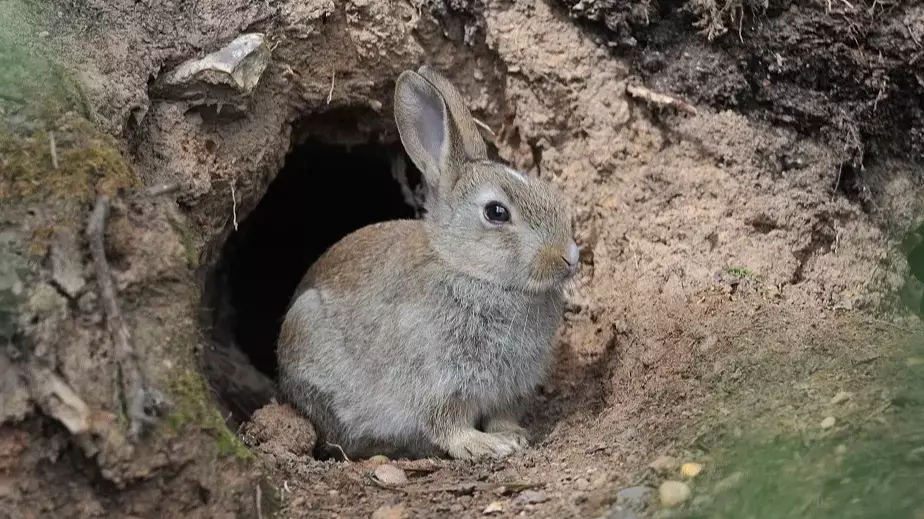
What's Inside This Burrow?
What is a Rabbit Warren Really Like?
Forget a simple hole. A rabbit warren is a complex, multi-generational underground apartment complex. Think of it as a planned community with specialized rooms. The front door is usually a clean, angled entrance hole about the width of a rabbit. It's not random; the angle helps with drainage and makes it harder for predators to just stroll in.
Inside, tunnels branch out, leading to different chambers. There's a nesting chamber lined with fur and soft grass for the kits. There are resting chambers for adults. They even have designated toilet areas – separate latrine tunnels to keep the living spaces clean. According to observations by the Encyclopædia Britannica on lagomorph behavior, these systems can be extensive, housing dozens of related individuals. The warren is constantly maintained and expanded. It's a lifelong construction project.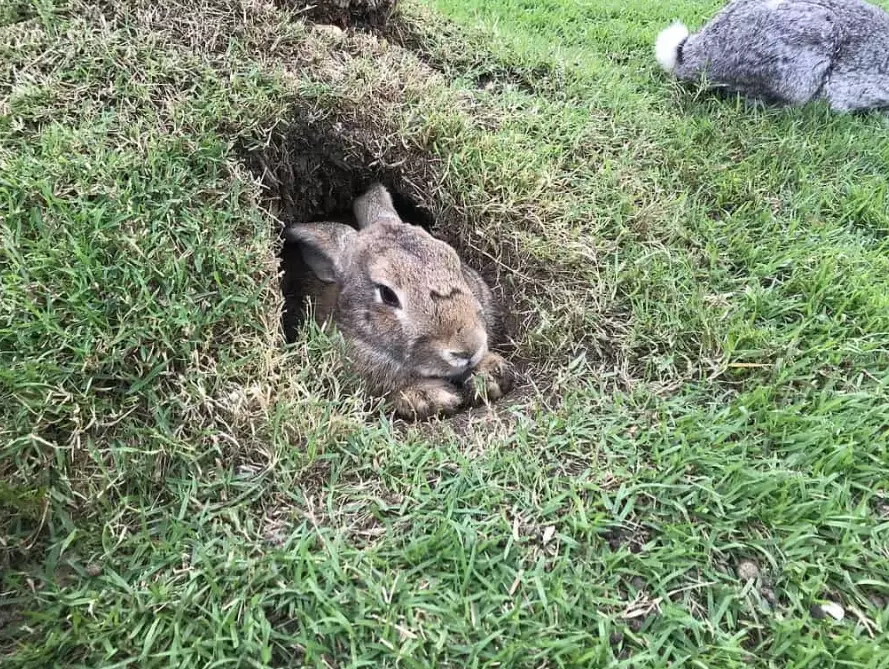
A key detail most miss: Not all rabbits are master excavators. Cottontails, common in North America, often don't dig deep burrows. They'll use shallow depressions (forms) or take over abandoned dens from other animals. The European rabbit is the famed engineer of the rabbit world. So when you ask "do rabbits live in burrows," the species matters.
Why Burrowing Isn't Just a Hobby, It's a Need
This isn't about boredom. Digging is hardwired for critical reasons.
Survival 101: Underground, a rabbit is invisible to hawks and safe from foxes. The temperature stays stable, a cozy 50-60°F (10-15°C) year-round, shielding them from summer heat and winter frost. It's the ultimate climate-controlled shelter.
The Family Unit: Warrens are social hubs. Does (females) will dig special nursery burrows, sometimes away from the main warren, to protect their young. This social structure is central to their existence.
Now, bring that wild animal into your living room. The instinct doesn't vanish. That's why your pet rabbit might dig furiously at the corner of your rug, your sofa cushions, or your lap. They're not trying to ruin your stuff. They're following a million-year-old program that says "digging equals safety and comfort." Punishing this is like scolding a bird for chirping.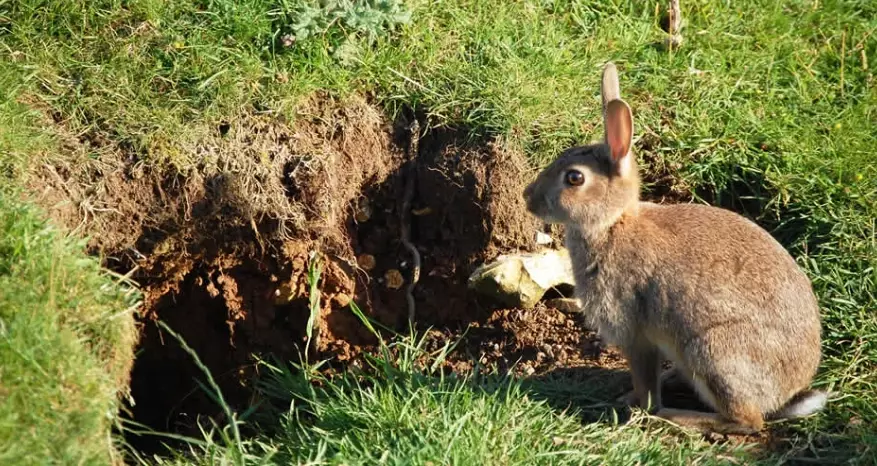
How to Handle a Pet Rabbit's Burrowing Instinct
Here's the biggest mistake I see: owners trying to stop the digging. You can't. You can only redirect it. The goal isn't extinction of the behavior, but providing an appropriate outlet. A rabbit that can't dig is a frustrated, stressed rabbit, and that leads to other behavioral issues like chewing, aggression, or lethargy.
Let's compare the wild need versus the domestic solution:
| Wild Instinctive Need | Practical Pet Rabbit Solution |
|---|---|
| To excavate a secure shelter | Provide a large, opaque hidey-house (like a wooden castle or a covered cat bed) that offers a "den" feeling. |
| To perform digging behavior | Give a dedicated digging box filled with safe, diggable materials (see next section). |
| To modify their environment | Use puzzle feeders hidden in cardboard tubes or paper bags they can shred and rearrange. |
| To maintain paw/claw health | Digging keeps nails naturally filed. A digging box supplements regular nail trims. |
I learned this the hard way with my first rabbit, Mochi. I kept moving her away from the carpet. She became obsessed with it, digging more intensely. The day I plopped a big cardboard box full of shredded paper next to her favorite digging spot, she hopped in, gave me a look that felt like "finally, you get it," and went to town. The carpet digging reduced by 90% overnight.
Your Step-by-Step Guide to a DIY Digging Box That Actually Works
Any box won't do. To satisfy the instinct, it needs to feel substantial.
1. The Container: Get a large, shallow storage tub. The kind you slide under a bed is perfect. It needs low sides for easy access but a large footprint. A small cat litter box is usually too small to allow for proper digging motions.
2. The Filler Material (The Most Important Part):
- Top Choice - Shredded Paper: Use plain, ink-free paper. Junk mail (without plastic windows), office paper, or brown packing paper run through a shredder. It's cool, rustles satisfyingly, and is completely safe if ingested in small amounts.
- Good Alternative - Organic Soil: If you're brave and have a easy-clean area, use pesticide-free, fertilizer-free organic potting soil. It's the most natural. Lay a tarp underneath.
- What NOT to Use: Cat litter (clumping or clay), cedar/pine shavings (respiratory irritants), or anything with small, granular particles they could inhale.
3. The Enticement: Bury a few favorite treats, a willow ball, or a handful of their daily pellets deep in the filler. This encourages the "foraging" part of digging.
Place the box in a corner they've already shown interest in. Don't force them into it. Let them discover it. Refresh the filler and re-hide treats every few days to keep it interesting.
Your Rabbit Burrowing Questions, Answered
 My rabbit doesn't seem interested in the digging box I made. Did I do it wrong?
So, do rabbits live in burrows? In their DNA, they absolutely do. For the wild rabbit, it's a sophisticated survival city. For your house rabbit, that instinct manifests as a need to dig, rearrange, and hide. Your job isn't to build them an underground fortress, but to understand that the desire to burrow is as fundamental as their need to chew or hop. By providing that sanctioned outlet—a proper digging box, ample hiding places, and enrichment—you're not just saving your carpet. You're respecting the very essence of what makes a rabbit a rabbit. You're giving that wild heart a safe place to beat at home.
Reader Comments