The short answer is no, not really. While both are mild, lean white meats, rabbit has its own distinct character. Saying rabbit tastes like chicken is like saying lamb tastes like beef—it's a lazy comparison that misses the nuances. Rabbit meat is slightly sweeter, with a finer grain and a subtle, earthy note that chicken lacks. It's also leaner, which changes everything about how you cook it.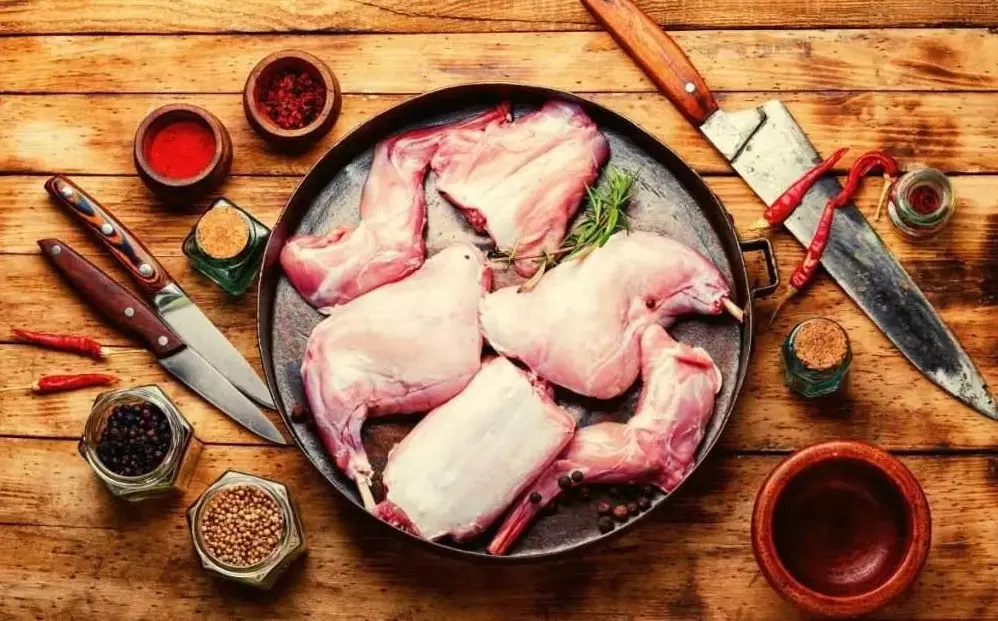
Quick Navigation: What You'll Learn
The Real Flavor Profile of Rabbit Meat
Forget the chicken comparison. Let's describe rabbit on its own terms. The flavor is mild but not bland. Think of the white meat of a chicken breast, but with a hint of sweetness—almost like a very faint nuttiness. There's a clean, almost mineral quality to it. The "gamey" taste people fear is often a result of poor butchering or an older animal. A young, farm-raised fryer rabbit (the most common type you'll buy) has a very delicate flavor.
The diet of the rabbit matters immensely. A rabbit that ate mostly alfalfa and grains will taste milder than one with a diverse, forage-based diet. This is a point most generic articles miss. I've tasted rabbits from a small farm in Vermont that had a noticeably sweeter, cleaner flavor than the standard commercial ones, all because of their feed.
Where rabbit diverges most from chicken is in its underlying richness. Chicken can sometimes taste one-dimensional. Rabbit has a depth, a savory quality that builds as you eat it. It's why it pairs so brilliantly with hearty ingredients like mustard, rosemary, garlic, and full-bodied wines.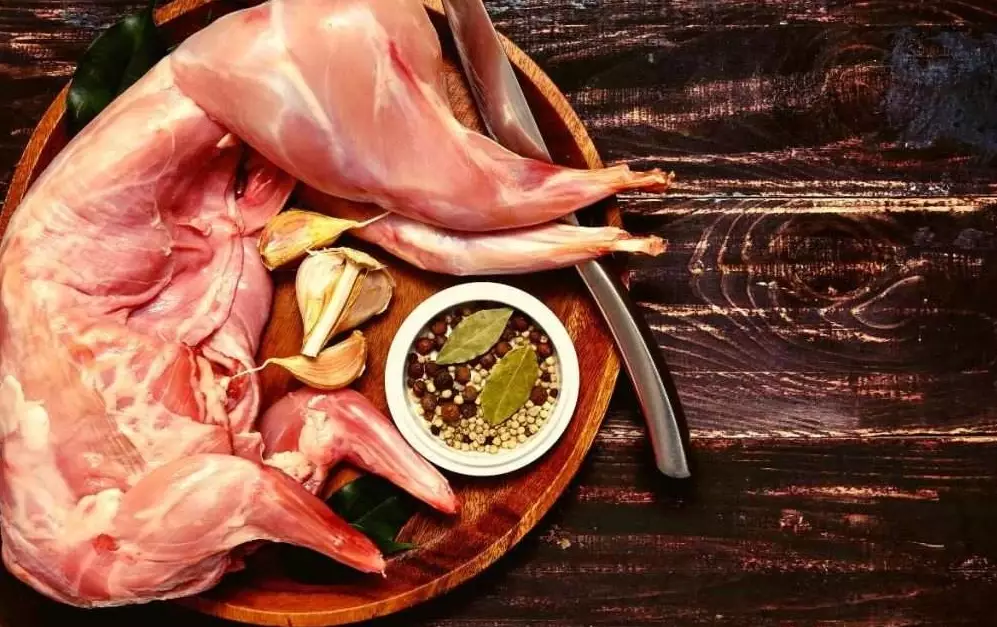
Texture Showdown: Rabbit vs. Chicken
This is where the difference hits home. Chicken breast, when cooked properly, is tender and juicy but can be fibrous. Rabbit meat has a much finer grain. It's almost velvety. The muscle fibers are shorter and tighter.
The catch? Rabbit has virtually no fat. I mean, almost none. A chicken breast has some intramuscular fat; rabbit has next to zero. This is the single most important fact that determines whether your rabbit dish succeeds or fails. Because there's no fat to melt and self-baste, rabbit meat dries out incredibly fast if you treat it like chicken.
Dark vs. white meat also plays out differently. In a rabbit, the saddle (the back) is the tenderloin—the most prized, delicate part. The legs are darker, have more connective tissue, and are tougher. They require slow, moist cooking. In chicken, the breast is the premium white meat. So you're dealing with a different anatomical prize.
Why Rabbit is a Nutritional Powerhouse
If you're comparing rabbit and chicken for health reasons, rabbit wins in several key metrics. It's one of the leanest meats available, period.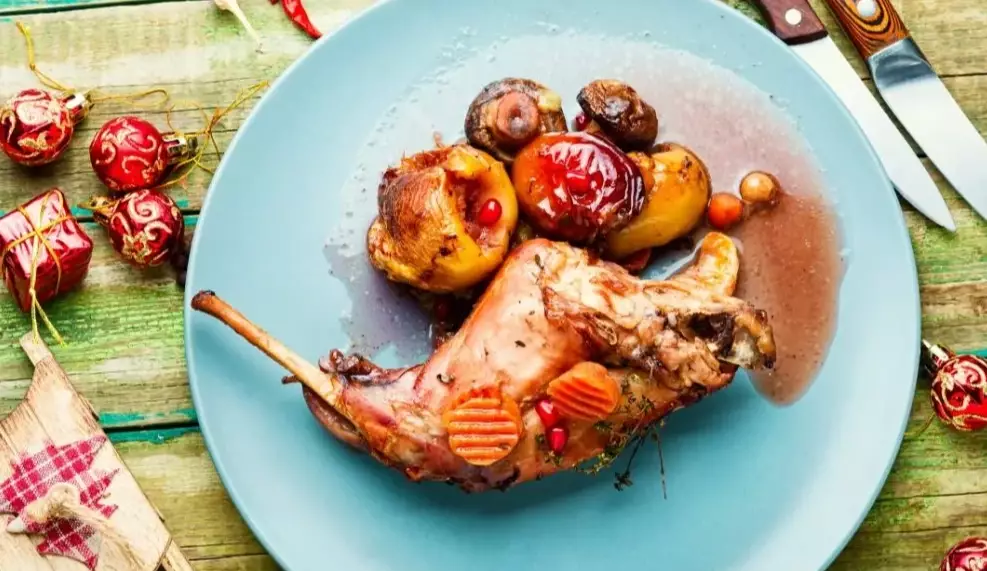
According to data from the USDA, here's how a 3-ounce (85g) cooked portion stacks up:
| Nutrient | Rabbit Meat | Chicken Breast (skinless) | Why It Matters |
|---|---|---|---|
| Calories | 147 | 165 | Rabbit is slightly lower, but the real story is in the fat. |
| Total Fat | 3.5g | 3.6g | Similar, but rabbit's fat profile is different. |
| Saturated Fat | 1.1g | 1.0g | Comparably low, which is good for heart health. |
| Protein | 28g | 31g | Both are excellent, complete protein sources. |
| Iron | 2.3mg (13% DV) | 0.9mg (5% DV) | Rabbit provides nearly 3x more iron. A major win for energy and blood health. |
| Vitamin B12 | 6.5mcg (270% DV) | 0.3mcg (13% DV) | This is the knockout punch. Rabbit is phenomenally high in B12, crucial for nerves and blood cells. |
It's also worth noting that rabbit is often promoted as a sustainable meat. Rabbits convert feed to protein very efficiently, require less space than cattle, and have a rapid reproduction cycle. For someone looking to reduce their environmental footprint while eating meat, rabbit is a compelling option that doesn't get enough attention.
How to Cook Rabbit Meat Without Drying It Out
This is where most beginners fail. You can't just throw rabbit pieces on a grill for 10 minutes. You need a strategy based on the cut.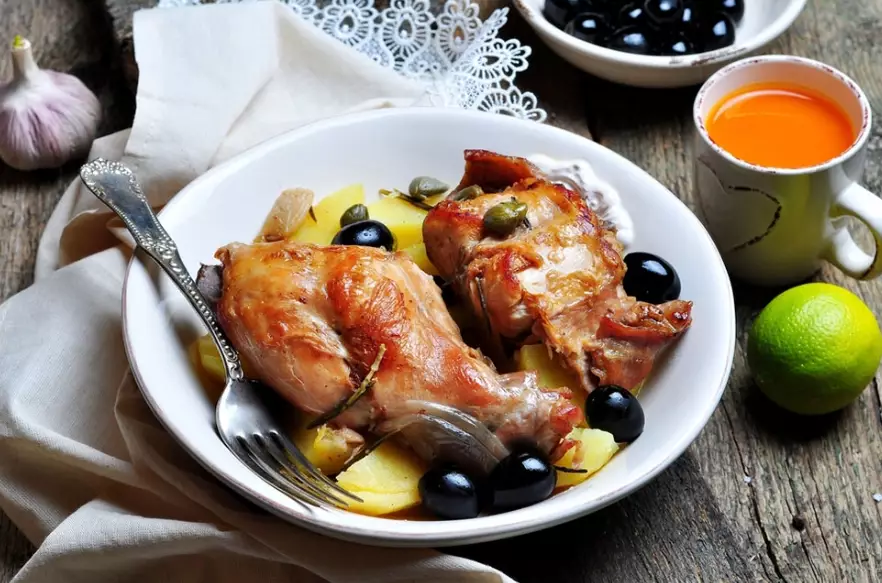
Rule #1: Never Cook It Whole the Same Way
Treat the rabbit like you would a duck—different parts need different methods. The number one mistake is trying to roast a whole rabbit evenly. The back will be overcooked and dry long before the legs are tender.
My go-to method: Break it down. Braise the legs and thighs low and slow in a flavorful liquid (wine, stock, tomatoes) at around 300°F (150°C) for 1.5 to 2 hours, until fork-tender. Then, quickly pan-sear or roast the saddle and ribs for just 8-12 minutes in a hot oven (400°F/200°C). This way, every part is perfect.
Essential Cooking Techniques for Rabbit
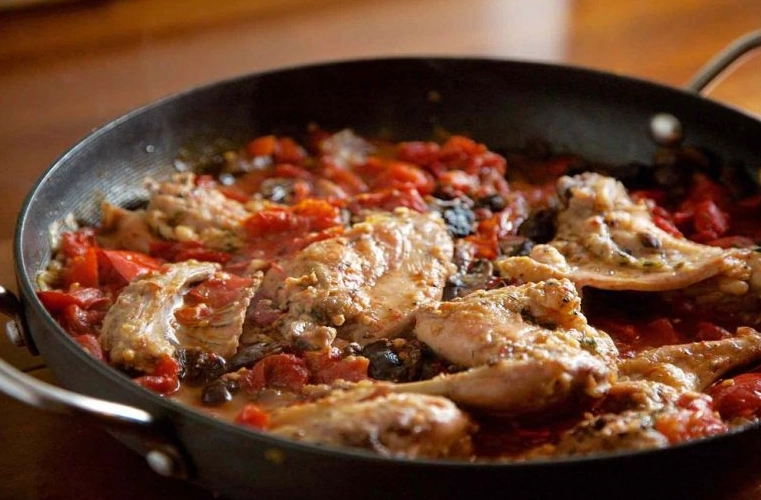
Braising & Stewing: The absolute best method for the legs. The moist heat breaks down collagen without zapping all moisture. Think coq au vin, but with rabbit. Mustard and rabbit stew is a classic for a reason.
Confit: A luxurious French method where the rabbit is slow-cooked submerged in fat (usually duck fat). This is the ultimate way to achieve fall-off-the-bone tenderness while keeping it incredibly moist. It's a project, but unforgettable.
Quick Searing/Roasting: Reserved ONLY for the tender saddle. Get your pan or oven screaming hot, cook it fast to an internal temp of 145-150°F (63-66°C), and let it rest. Any longer and it turns into shoe leather.
Grinding: Rabbit makes fantastic sausage, meatballs, or patties. Because it's so lean, you'll need to add about 20% pork fatback or bacon to the grind for binding and juiciness.
A Practical Guide to Buying and Storing Rabbit
You won't find it in every supermarket, but it's more accessible than you think.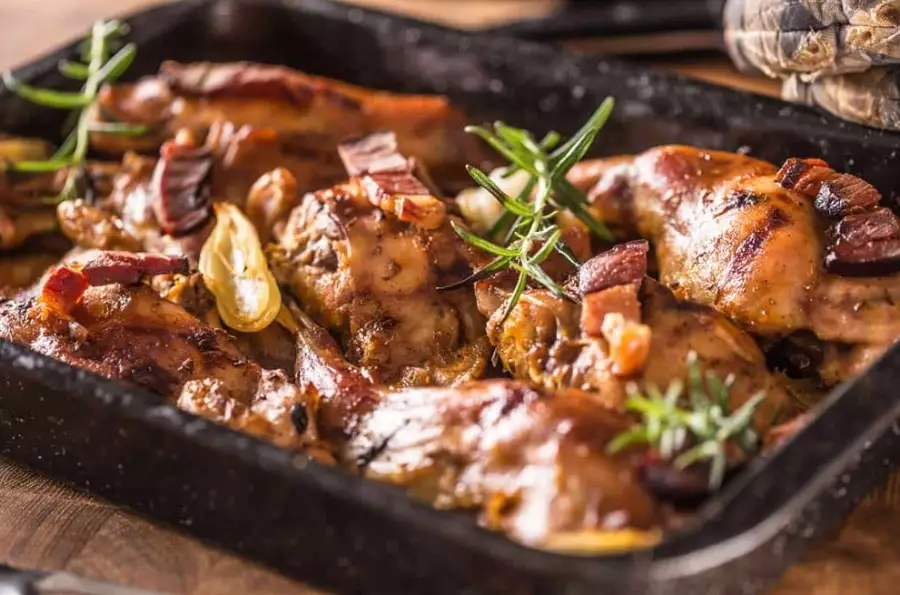
Where to Buy:
- Local Butchers & Meat Markets: Your best bet for quality. They often source from regional farms. Ask for a "fryer" rabbit, which is young (under 3 lbs) and tender.
- Ethnic Markets: Especially Chinese, Italian, or Portuguese markets, where rabbit is a common ingredient.
- Online Retailers: Several farms now ship frozen rabbit nationwide. Do a search for "heritage breed rabbit meat" or "sustainable rabbit farm."
- Farmers' Markets: If you have one nearby, this is a goldmine. You can talk directly to the farmer about the breed and diet.
Price Point: Expect to pay more than chicken, usually between $8 to $15 per pound, depending on source and quality. A whole rabbit typically weighs 2.5-4 lbs.
Fresh vs. Frozen: Most rabbit is sold frozen, which is perfectly fine. If you find it fresh, use it within 2 days. Frozen rabbit keeps for 9-12 months. Thaw slowly in the fridge overnight.
A personal tip: If the rabbit is cut into pieces, look for clean, white bone edges. Grayish or dark bones can indicate an older animal or less-than-fresh processing.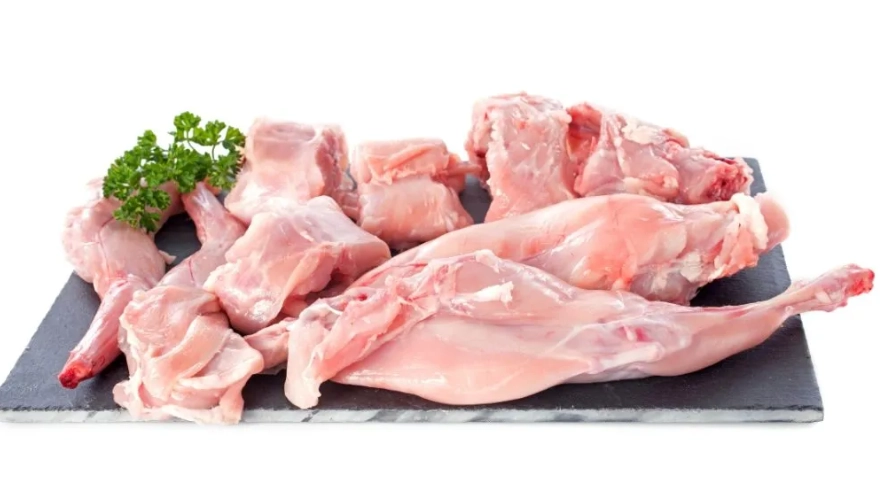
Your Rabbit Meat Questions, Answered by a Chef
 What's the biggest mistake people make when trying rabbit for the first time?
So, does rabbit taste like chicken? It's a starting point for the uninitiated, but it's a disservice to a unique and delicious protein. Rabbit has its own subtle sweetness, finer texture, and incredible nutritional benefits. The key to enjoying it is respecting its leanness. Embrace slow, moist cooking methods for most of the animal, and you'll discover a versatile meat that's far more interesting than the usual poultry. Give it a try with a simple braise—you might just find your new favorite dinner.
Reader Comments