Yes, but it's a bit more complicated than that. The word "bunny" is an affectionate, informal term that can refer to a rabbit of any age, not just the babies. If you want to get technically correct, a baby rabbit is most accurately called a kitten or a kit. I've kept rabbits for over a decade, and this mix-up of terms is one of the first things new owners puzzle over. It leads to a bigger question: if we're using the wrong word, are we also misunderstanding their needs? Let's untangle the terminology and, more importantly, what it means for caring for these delicate creatures.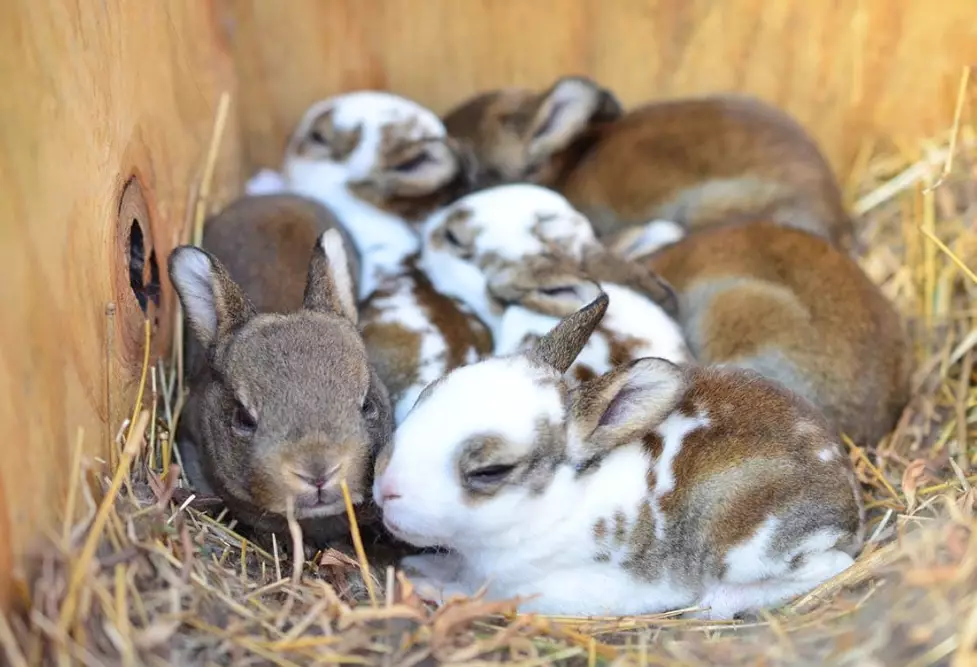
What You'll Find in This Guide
Where Did the Word "Bunny" Come From?
It wasn't always about rabbits. The word "bunny" is a bit of a linguistic stray. It likely started in the 1600s as a pet name or term of endearment, derived from the Scottish word "bun," which referred to a squirrel or a rabbit's tail. By the early 1800s, it became specifically attached to rabbits, probably because of their cute, fluffy tails. Unlike precise biological terms, "bunny" grew from the ground up through everyday speech, capturing a feeling rather than a scientific fact. That's why it sticks—it sounds soft and friendly, just like the animal it describes.
You see this a lot in animal nicknames. "Puppy" and "kitten" are official for dogs and cats, but "bunny" never made that official leap. It remained the cute, popular cousin to the more formal "rabbit." This history matters because it explains why the usage is so loose. A child calling a giant Flemish Giant a "big bunny" isn't technically wrong in a colloquial sense, even if a breeder would call it a "doe" or "buck."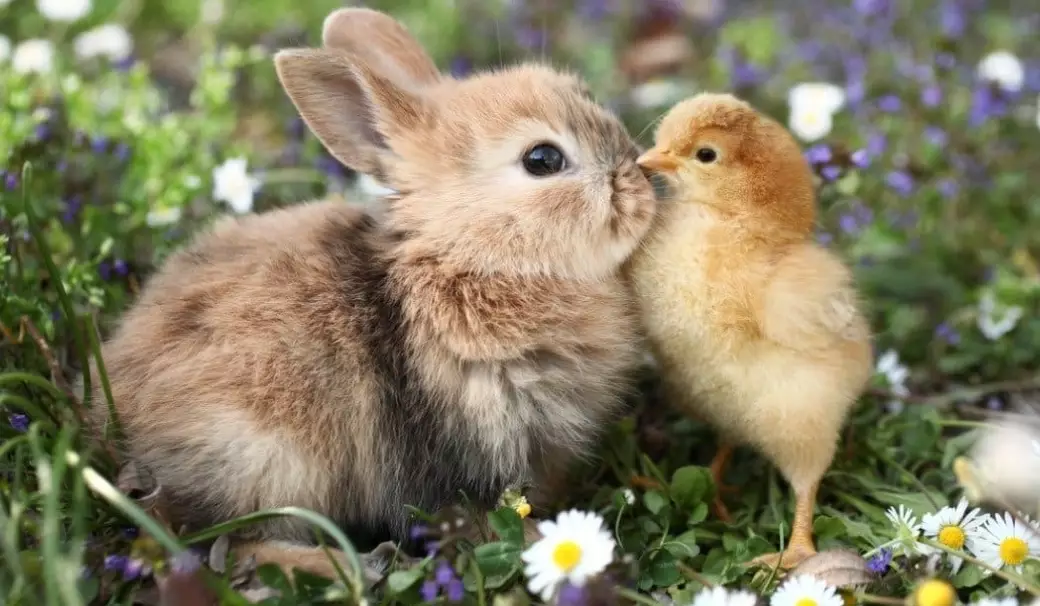
The Correct Terms: Kitten, Kit, Doe, and Buck
If you're filling out a vet form, talking to a breeder, or reading a care manual, you'll need the proper vocabulary. Getting these terms right isn't about being pedantic; it helps you communicate clearly about age, sex, and health.
Key Terminology: A baby rabbit is a kitten or kit. A group of babies from the same litter born together is called a kindle. The mother is a doe. The father is a buck. An adult rabbit is just that—an adult rabbit.
I remember my first visit to a rabbitry. The breeder asked, "How's the kit doing?" and I stared blankly for a second. I thought 'kit' was for foxes or beavers. That moment of confusion taught me that using the right lingo opens doors to better advice. When you search online for help, using "newborn kit care" will get you far more targeted, expert results than "tiny bunny help." The former speaks to experienced owners, the latter often leads to generic, sometimes inaccurate, pet forums.
Why "Kitten" and Not "Pup" or "Cub"?
Different animal families have different naming conventions. Rabbits, along with cats, are among the animals whose young are called kittens. Hares also have young called leverets. It's just the way the terminology evolved in the English language. It has no bearing on their relationship to cats, of course.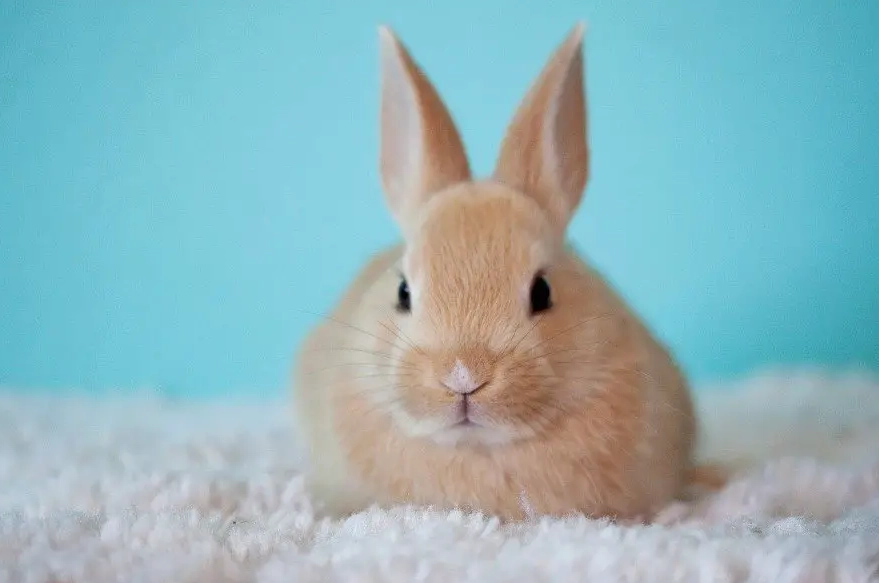
Rabbit Development: From Newborn to Adult
Understanding what to call a rabbit is one thing. Knowing what that name represents in terms of growth and needs is everything. Here’s a breakdown of the critical stages. This isn't just academic; missing a cue in these early weeks can have serious consequences.
| Stage | Age Range | Key Characteristics & Care Needs |
|---|---|---|
| Newborn Kit | Birth - 3 days | Born blind, deaf, and nearly hairless. Totally dependent on the doe for warmth and milk. She will only nurse them once or twice a day for about 5 minutes. Human intervention is rarely needed and often harmful. The nest should be left strictly alone. |
| Nesting Kit | 1 - 2 weeks | Fine fur (called lanugo) grows in. Eyes and ears remain sealed. They stay huddled in the nest. The doe continues her brief, vital visits. |
| Eyes-Open Kit | 10 - 14 days | This is a major milestone. Eyes open, ears detach from the head, and they begin to look more like rabbits. They'll start to venture out of the nest but return to it. |
| Weaning Kit/Kitten | 3 - 8 weeks | They start nibbling on solid food (hay, pellets) but still nurse. By 8 weeks, they are fully weaned. This is the age most pet stores sell them, though many experts recommend waiting until 10-12 weeks for better social development. |
| Juvenile Rabbit | 8 weeks - 6 months | Rapid growth phase. Sexual maturity can begin as early as 3-4 months for small breeds. This is the critical window for spaying/neutering to prevent health and behavioral issues. |
| Young Adult | 6 months - 1 year | Growth slows. Personality solidifies. Adult diet (unlimited hay, limited pellets, fresh greens) is fully established. |
| Adult Rabbit | 1 year+ | Fully mature. The term "bunny" is now purely a colloquial, affectionate label. |
The biggest mistake I see? People assuming a nest of wild kits has been abandoned because the mother isn't sitting on them 24/7. That's not how rabbit mothers operate. Her absence is a survival tactic to avoid leading predators to the nest. If you find a nest, the best thing you can do is leave it alone unless the babies are visibly injured, cold, or have been truly disturbed for over 24 hours.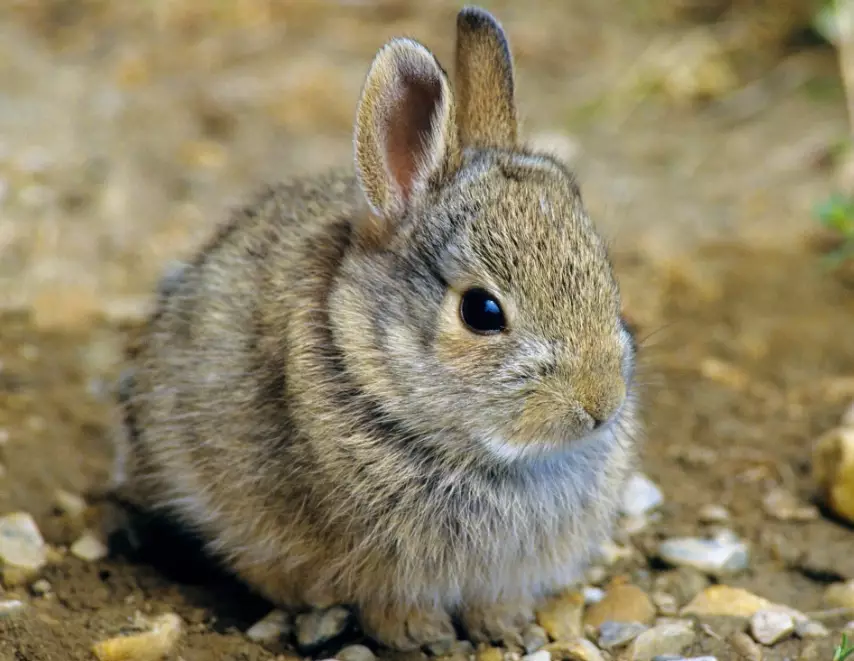
"Bunny" in Pet Culture and Language
In the world of pet ownership, "bunny" has won. It's the dominant term. Search for supplies, and you'll find "bunny beds," "bunny toys," and "bunny treats." It's a marketing and cultural powerhouse because it conveys an image of a sweet, cuddly companion. There's nothing wrong with using it for your pet. My own rabbit, Thistle, is a dignified adult, but I still call him "my grumpy bunny." The term creates an emotional connection.
However, this cultural dominance has a downside. It can infantilize rabbits, leading people to treat them like perpetual, simple babies rather than the complex, intelligent, and sometimes demanding animals they are. Thinking of them only as "bunnies" might mean you overlook their need for spacious housing, serious mental stimulation, and specialized veterinary care (exotic vets, not standard cat-and-dog vets).
Language shapes expectation. If you expect a "bunny," you might expect a passive lap animal. If you understand you have an adult rabbit, you're more prepared for the digging, chewing, territorial pooping, and need for a partner that often come with them.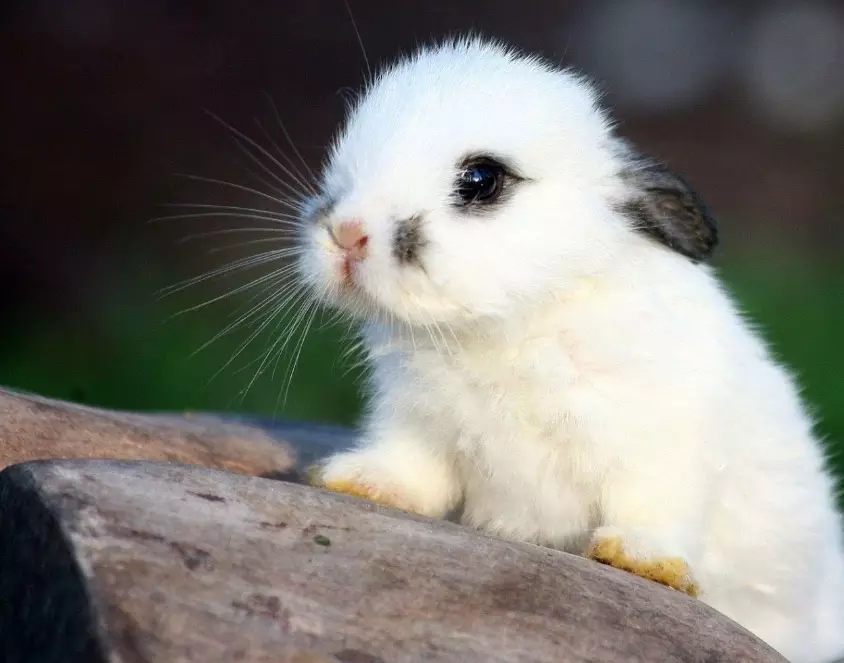
Common Myths and Misconceptions
Let's clear up a few things that often get tangled with the name game.
Myth 1: "Bunny" means a young rabbit, "rabbit" means an adult. This is the most common belief, but as we've seen, it's not strictly true. Usage defines meaning, and "bunny" is used broadly.
Myth 2: Hares are just big rabbits with different baby names. This is a biological mix-up. Rabbits and hares are different species (Leporidae family, but different genera). Rabbits are altricial (born helpless in burrows), their young are kits. Hares are precocial (born fully furred with open eyes above ground), their young are leverets. A jackrabbit is a hare, not a rabbit.
Myth 3: The Easter Bunny delivers baby rabbits. The Easter Bunny is a folkloric figure with roots in German tradition (Osterhase). Its connection to eggs symbolizes fertility and spring. It solidified the link between "bunny" and springtime babies in popular culture, but it's pure symbolism.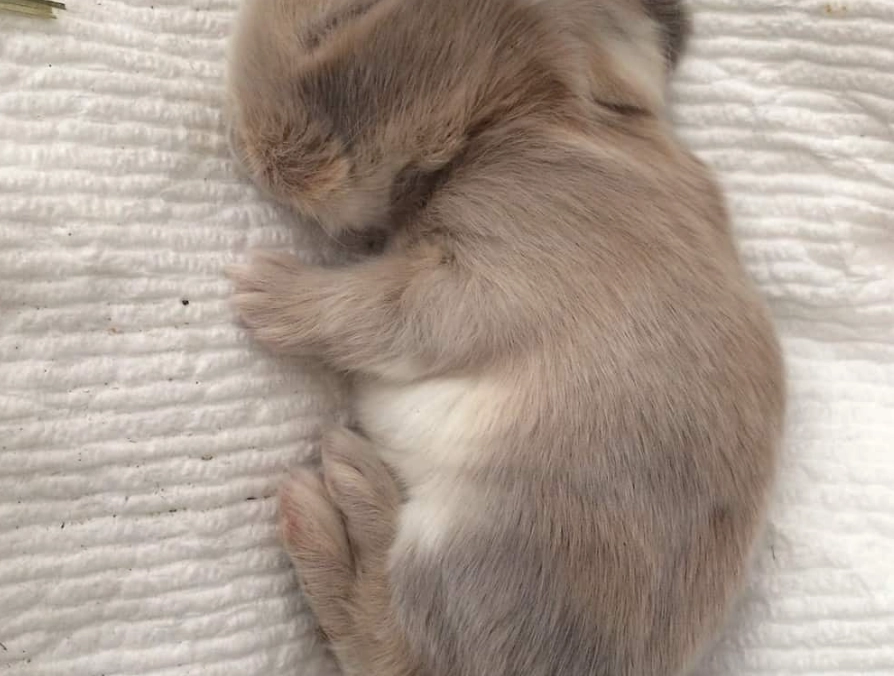
Your Rabbit Questions Answered
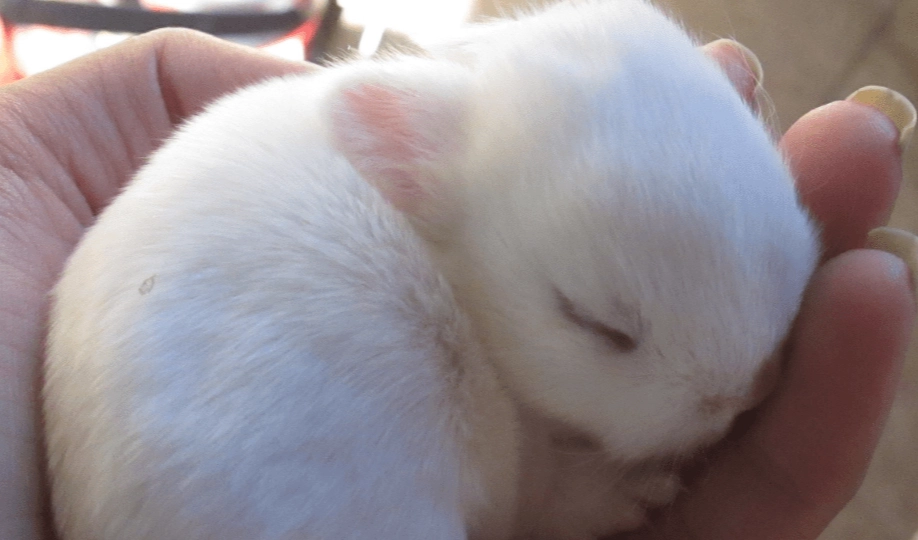 My pet store sold me a "baby bunny" that was already eating pellets. How old is it likely to be?
Reader Comments