You've probably used the words "bunny" and "rabbit" interchangeably your whole life. I did too, until I brought home my first Holland Lop and started diving into the actual world of lagomorphs. The short, simple answer? Biologically, a bunny and a rabbit are the same animal. There's no separate species called "Bunnyus cuddlius." The real difference isn't in their DNA, but in the words we use and the subtle shades of meaning they carry. This isn't just semantics—it impacts how we think about and care for these animals, especially if you're considering one as a pet.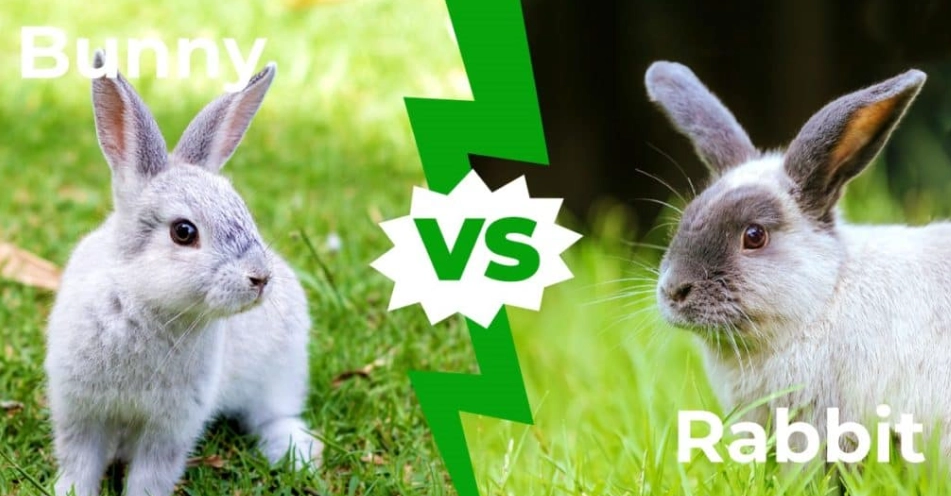
What You'll Find in This Guide
It’s All About Language: Why We Say "Bunny"
Let's start with the core of the confusion. The word "rabbit" is the standard, formal term for the animal. It's what you'll find in scientific texts, veterinary manuals, and most official contexts. The House Rabbit Society and the American Rabbit Breeders Association (ARBA) don't use "bunny" in their formal names for a reason.
"Bunny" is a colloquialism. It's an affectionate, informal term that likely evolved from the Middle English word "bun," which referred to a squirrel or a rabbit's tail. Over time, the cute-sounding "-ny" suffix got added, cementing its place in our language as the go-to word for everything small, fluffy, and endearing about these creatures.
Here’s where it gets specific, and where most of the perceived difference comes from:
- "Bunny" heavily implies youth and size. We almost exclusively call baby rabbits "bunnies." A field of newborn rabbits? Definitely bunnies. A full-grown, 12-pound Flemish Giant? Most people would instinctively call that a rabbit.
- "Bunny" carries a tone of cuteness and domestication. It's the word of Easter, children's stories, and stuffed animals. "Rabbit" feels more neutral—it can describe a wild animal in your garden or a pet in a hutch.
- Context is king. If someone says, "I'm thinking of getting a bunny," you picture a pet. If they say, "There's a rabbit in my vegetable patch," you picture a wild animal. The animal hasn't changed, but our word choice sets the scene.
The Takeaway: Using "bunny" isn't wrong. It's just a specific kind of right. It signals affection, often refers to younger or smaller individuals, and sits firmly in the realm of informal, pet-oriented conversation. Think of it as a nickname.
The Biological Reality: They Are the Same Species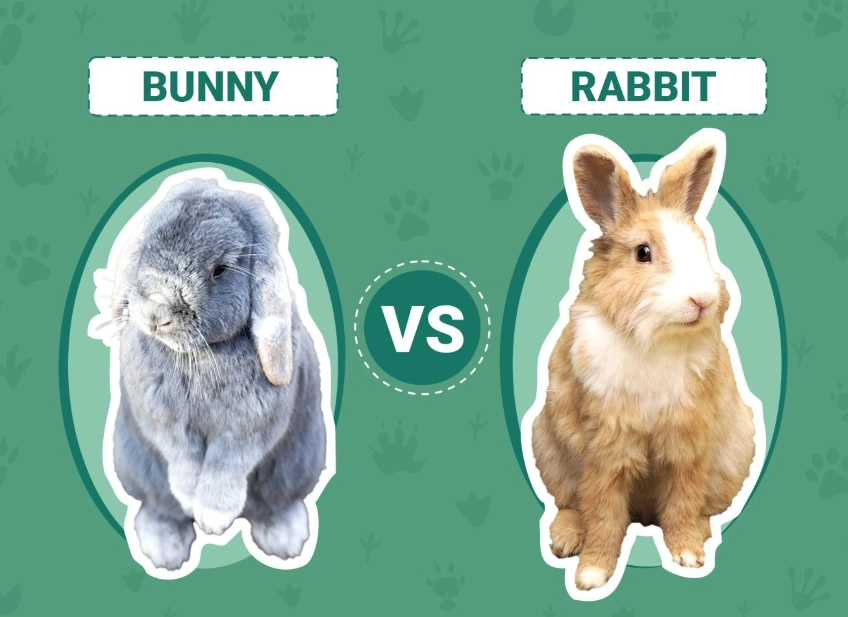
Strip away the language, and you're left with biology. All domestic rabbits, whether you call them bunnies or not, belong to the species Oryctolagus cuniculus. Their wild ancestors are the European rabbit. Every single breed, from the tiny Netherland Dwarf to the massive Continental Giant, shares this same scientific classification.
This biological sameness has huge implications. It means their core needs are identical, regardless of the cute name we give them. I made this mistake early on. I got a "bunny" thinking it meant a simpler, easier pet. I was wrong. That "bunny" needed the same complex diet, spacious housing, and social interaction as any "rabbit."
The terminology mix-up can create a dangerous gap in understanding. Searching for "bunny care" might yield more simplistic, child-oriented information. Searching for "rabbit care" is more likely to connect you with resources from veterinary associations and serious rescue organizations like the House Rabbit Society, which provide evidence-based guidance on diet, housing, and health.
What About Hares?
Now, here's a real biological difference people often miss. Rabbits (and bunnies) are not the same as hares. They're different genera within the same family (Leporidae). Hares are generally larger, have longer ears and legs, are born fully furred with eyes open, and live primarily above ground in simple nests. Rabbits are altricial—born blind, hairless, and helpless in underground burrows. So if you see a large, fast animal sprinting across an open field, you're probably looking at a hare. The animal digging under your shed is a rabbit. This is a crucial distinction that actually matters in biology, unlike the bunny/rabbit divide.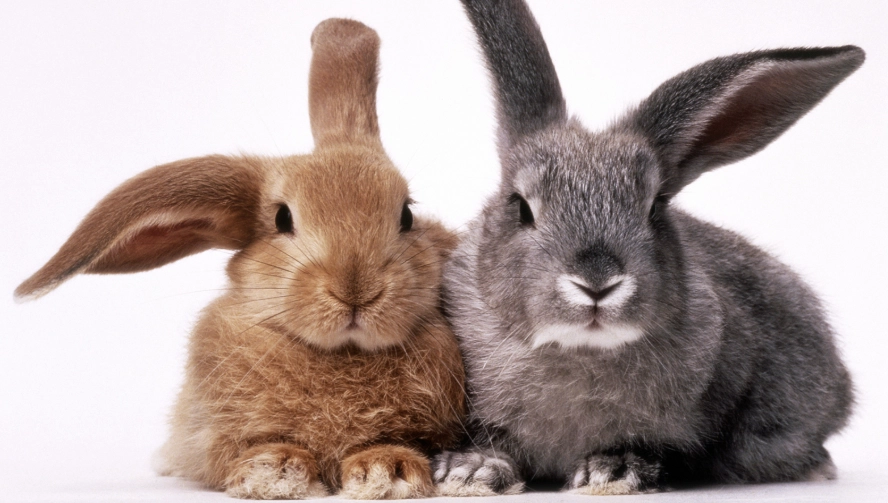
What This Means for You as a Pet Owner
This is where the rubber meets the road. Understanding that "bunny" and "rabbit" refer to the same animal with the same needs is the first step to being a responsible owner. The cute label can mask the reality of their care requirements.
Let's say you're drawn to the idea of a "bunny." You imagine a small, cuddly companion that lives happily in a cute cage. This is perhaps the most common and harmful misconception. That animal, whether called a bunny or a rabbit, has needs that are anything but simple.
| Care Aspect | The "Bunny" Misconception | The "Rabbit" Reality (Backed by Experts) |
|---|---|---|
| Housing | A small, store-bought cage is sufficient. | Rabbits need a large, enclosed exercise pen (x-pen) or a rabbit-proofed room. They require space to run, jump (binky), and explore. Cages are often far too small. |
| Diet | Mainly commercial pellets and the occasional carrot. | Unlimited grass hay (Timothy or Orchard) should be 80-90% of their diet, fresh leafy greens daily, limited pellets, and fruits only as rare treats. Carrots are high in sugar. |
| Social Needs | A solitary pet that's fine alone. | Rabbits are highly social. They thrive with a bonded rabbit companion. Loneliness leads to depression and behavioral issues. |
| Veterinary Care | Any vet can see them. | They require an exotic animal veterinarian with specific training in rabbits. Their physiology is very different from cats and dogs. |
| Lifespan & Commitment | A short-term, low-commitment pet. | A well-cared-for domestic rabbit can live 8-12 years. This is a decade-long commitment similar to a dog or cat. |
See the shift? The language we use frames our expectations. Embracing the term "rabbit" often aligns you with a more serious, informed approach to their welfare. It's the difference between buying an impulse "Easter bunny" and thoughtfully adopting a companion rabbit.
Common Myths and Misconceptions Debunked
Let's clear the air on a few things that circulate because of the fuzzy terminology.
Myth 1: "Bunnies are a different, smaller type." Nope. A Netherland Dwarf rabbit is a full-grown, adult rabbit of a small breed. It's still a rabbit. Its small size doesn't magically make it a different category of animal. Calling it a bunny is just a cute label.
Myth 2: "Wild ones are rabbits, pet ones are bunnies." This is a usage pattern, not a rule. I have two rescued domestic rabbits. I call them rabbits when discussing their health with the vet, and bunnies when I'm talking to them in a silly voice. They are both.
Myth 3: "The term doesn't matter for their care." I argue it does. If you only ever search for "bunny toys," you might miss critical information on "rabbit enrichment" that discusses their need to chew, dig, and forage. The latter term taps into a more behaviorally-aware knowledge base.
The biggest unspoken truth? The pet industry sometimes leverages the "bunny" image to sell inadequate products—tiny colorful cages, unhealthy treat mixes, harnesses that can injure their delicate spines. Recognizing this can help you make better choices.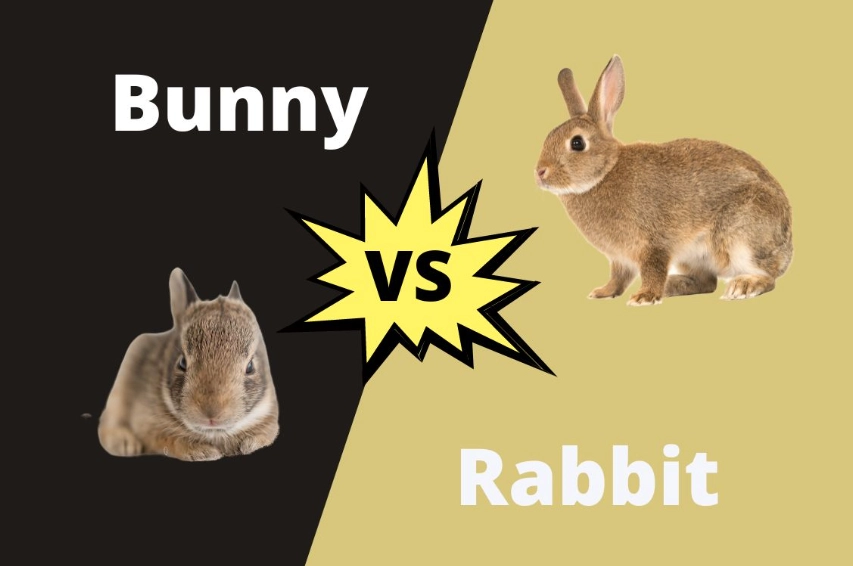
Your Questions, Answered
 I found a young wild rabbit alone. Is it a baby bunny that needs help?
So, is a bunny the same as a rabbit? Yes. Unequivocally. The difference lives entirely in the realm of human language and perception. "Bunny" is the affectionate nickname, evoking youth and charm. "Rabbit" is the formal name, encompassing the full dignity and complexity of the animal.
The most important thing is to look past the label. See the animal for what it is: a fascinating, social, and demanding pet that deserves to be understood on its own terms, not just through the lens of our cute words for it. Whether you say bunny or rabbit, commit to learning what that animal truly needs. That's what makes a great owner.
Reader Comments