Let's cut to the chase. The best bedding for your rabbit isn't just about what's cheapest or smells nicest. It's a critical health and safety decision. Get it wrong, and you risk respiratory issues, painful sore hocks, or even poisoning from toxic materials. After years of rabbit care and seeing the same mistakes repeated, I've learned that the ideal choice balances three things: absorbency, safety, and comfort.
Forget the pet store hype. We're going beyond the basic "aspen is good, pine is bad" advice. I'll show you why some popular choices are secretly problematic, how to layer bedding effectively, and what to do if your bunny decides their litter box is a snack bar.
Your Quick Guide to Rabbit Bedding
What Rabbit Bedding Actually Needs to Do
Think of bedding as your rabbit's bathroom floor and living room carpet. It has jobs.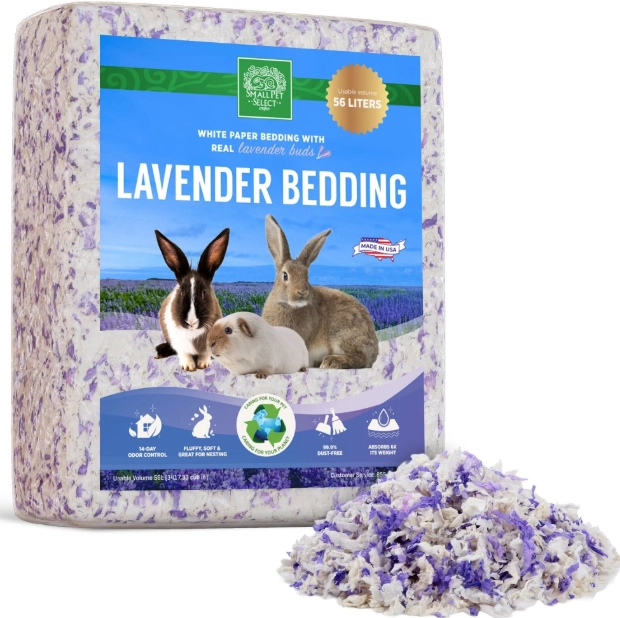
Absorb urine quickly and control odor. Rabbit urine is strong. Good bedding pulls moisture away from the surface, keeping your bunny's feet dry and preventing ammonia buildup. Ammonia fumes are terrible for their sensitive lungs.
Provide a comfortable, supportive surface. Rabbits don't have paw pads. Their feet are fur-covered. Hard, abrasive surfaces cause sore hocks (ulcerative pododermatitis), a painful and stubborn condition. Bedding should cushion their weight.
Be safe if ingested. Rabbits explore with their mouths. They will nibble their bedding. It must be non-toxic and not cause intestinal blockages.
Be dust-free or low-dust. Dust is a major irritant for rabbit respiratory systems, which are prone to infections like snuffles.
If a bedding material fails any one of these, it's not the best choice, no matter how affordable or pretty it looks.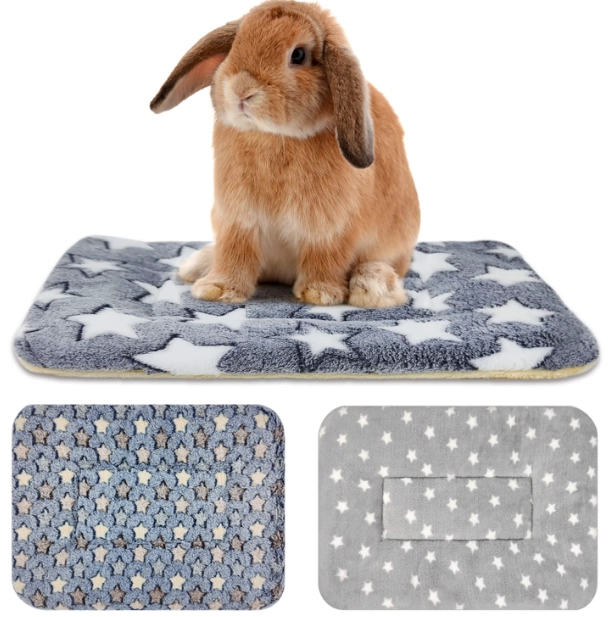
Different Rabbit Bedding Materials: A Deep Dive
Here’s where most articles give you a simple list. Let's actually compare them like you're shopping, with the nitty-gritty details you need.
| Material Type | Best For / Pros | Cons & Watch-Outs | My Personal Take & Tips |
|---|---|---|---|
| Paper-Based (Recycled paper pellets, shredded paper) | Excellent odor control, highly absorbent, very low dust, generally safe if ingested. Ideal for the litter box base. | Can be more expensive. Some pellets turn to mush when wet rather than clumping. Shredded paper offers less support. | This is my top pick for the primary litter box layer. Brands like Yesterday's News (unscented) are reliable. The cost is worth the health benefit. Avoid any with added perfumes. |
| Aspen Wood Shavings | Good absorbency, affordable, readily available. A safe wood choice as it doesn't contain the harmful phenols found in pine or cedar. | Can be somewhat dusty (sift before use). Not as effective at odor control as paper pellets. Splinters are a rare concern. | The only wood shaving I recommend. It's a decent, budget-friendly option for larger enclosures. Combine it with a thicker paper pellet layer in the litter corner for better results. |
| Grass-Based (Hay, straw, meadow grass mats) | Natural, encourages foraging, safe to eat. Straw is great for insulation in outdoor hutches. | Poor urine absorbency. Gets soggy and smelly fast. Hay is food, so rabbits soil it quickly. Not suitable as primary litter. | Use hay on top of an absorbent layer. This encourages litter box use (they eat and poop). Straw is for nesting/insulation, not waste absorption. |
| Fleece & Fabric Liners | Soft, reusable, no dust or ingestion risk. Looks tidy. | Zero absorbency. Urine pools on top unless paired with an absorbent layer underneath. Requires frequent washing (heavy duty). Rabbits may chew and ingest threads. | Only consider this if you're committed to a two-layer system: absorbent puppy pad/u-haul pad underneath, fleece on top. Check for dampness multiple times daily. |
| Cellulose & Hemp Bedding | Very absorbent, good odor control, low dust, often biodegradable. Hemp has natural antimicrobial properties. | Can be pricey and harder to find. Some hemp bedding can be quite fibrous and long-stranded. | A premium, high-performing choice. If you can find it and afford it, it's fantastic. It often lasts longer between changes than paper pellets. |
The 3 Most Common Bedding Mistakes I See (And How to Fix Them)
1. Using bedding too thinly. A sprinkle of pellets won't cut it. You need a layer thick enough to absorb all the urine and keep the plastic bottom dry. For a standard litter box, aim for at least 1-2 inches of absorbent material (paper pellets, aspen).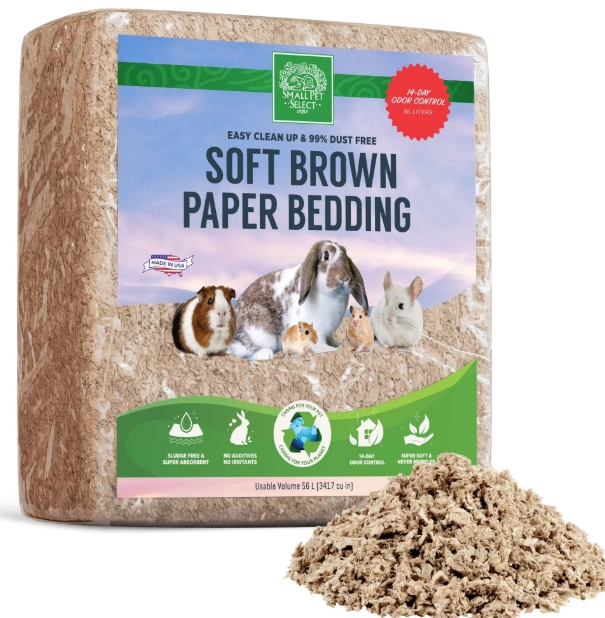
2. Choosing based on human scent preference. Scented beddings are full of chemicals and masking agents that overwhelm a rabbit's sensitive nose and can cause irritation. Your rabbit's habitat should smell like rabbit, not a lavender field. Odor control comes from proper absorbency and frequent cleaning, not perfume.
3. Not using a "hay-on-top" system. This is the golden ticket for litter training. Place a generous pile of fresh hay directly in one corner of the litter box, over the absorbent bedding. Rabbits love to graze while they poop. It works every time.
How to Set Up the Perfect Bedding Area: A Step-by-Step Scene
Let's walk through setting up a litter box for a hypothetical rabbit named Mochi.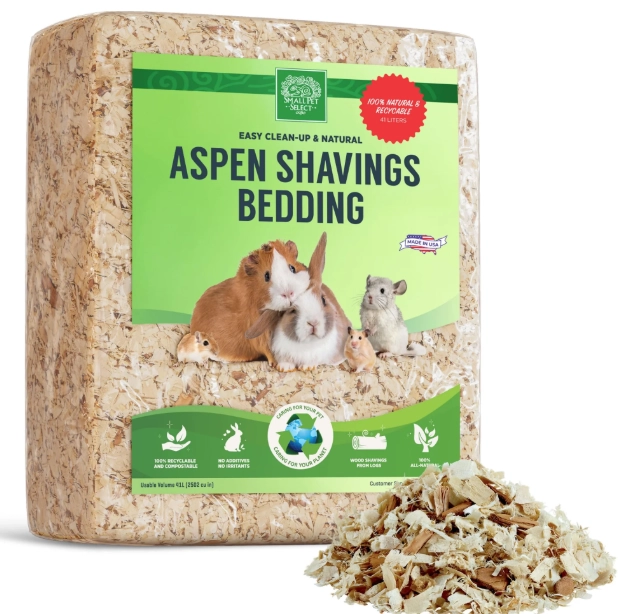
First, get a large cat litter box or a shallow storage tub. The corner triangles sold in pet stores are almost always too small.
Pour in about 1.5 inches of unscented paper pellets. This is your moisture-wicking base layer. It's going to do the heavy lifting.
In one end of the box, place a handful of aspenshavings. This isn't strictly for absorption, but some rabbits like the texture to nestle in.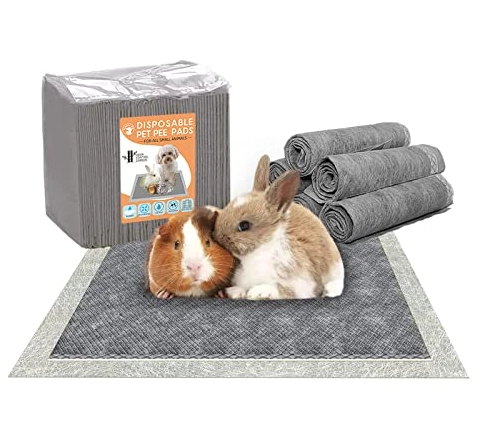
Now, the crucial part. In the other end, create a big, fluffy mound of timothy hay or orchard grass. Make it accessible and inviting. This is Mochi's dining area.
Place the box in the corner Mochi has already chosen as his bathroom spot (they always pick one). Watch. He'll hop in, munch on the hay, and naturally do his business right there.
Outside the litter box, in the main resting area, I use a different setup. A soft fleece blanket over a washable absorbent pad works well for my rabbits, but I check it constantly. For a less hands-on approach, a thin layer of aspen over the enclosure floor provides cushioning and is easy to spot-clean.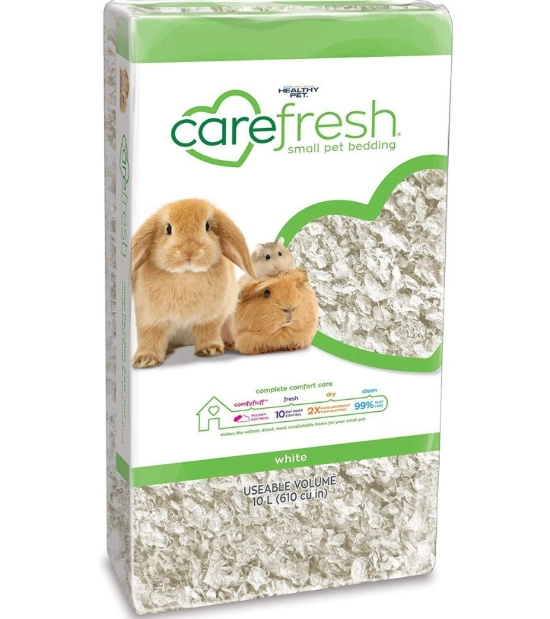
Your Rabbit Bedding Questions, Honestly Answered
So, what's the final verdict? The best bedding for rabbits is a system, not a single product. Start with an absorbent, dust-free base like unscented paper pellets or aspen shavings in the litter box. Top it with plenty of hay. For the rest of their space, prioritize comfort and safety with materials like aspen or properly managed fleece. Avoid anything scented, dusty, or known to be toxic. Your rabbit's health is literally standing on it.
It might take a try or two to see what your individual bunny prefers. Some are picky about texture. But by focusing on the core principles of absorption, safety, and comfort, you'll create a clean, healthy home that lets your rabbit thrive for years to come.
Reader Comments