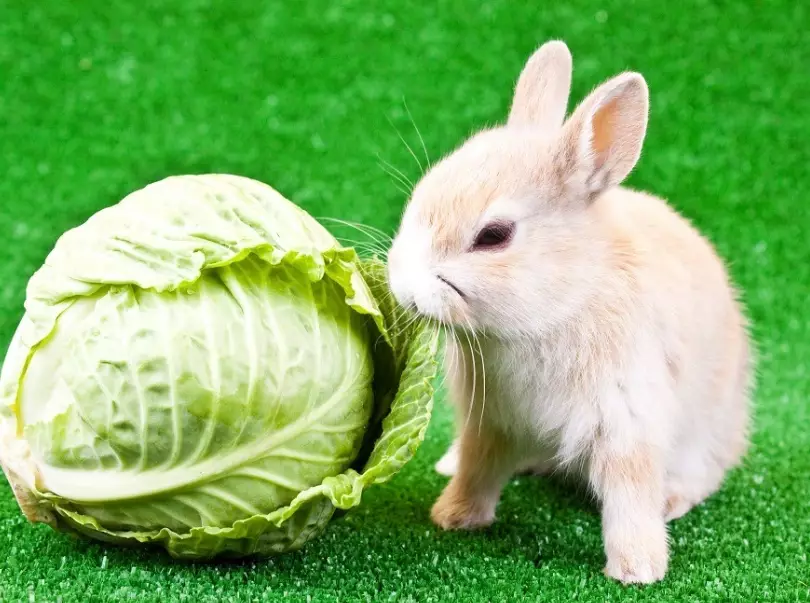
You’ve spotted a wild rabbit near your vegetable patch, and your cabbages are looking a little too inviting. The short, direct answer is yes, wild rabbits will absolutely eat cabbage if they find it. It’s a ready-made, leafy green meal. But that simple yes hides a more complex story about rabbit digestion, garden ecology, and how to coexist. As someone who’s spent years observing backyard wildlife and managing a garden that borders a meadow, I’ve seen the good, the bad, and the messy outcomes of rabbits and cabbages meeting. The real question isn’t just if they eat it, but what happens when they do, and what you should—and shouldn’t—do about it.
What’s Inside This Guide
The Wild Rabbit Diet: More Than Just Cabbage
Wild rabbits are opportunistic foragers. Their primary, natural diet consists of grasses, clover, weeds, and the tender bark of young trees in winter. They need a high-fiber, low-sugar diet to keep their unique digestive systems running smoothly. Their gut relies on a constant fermentation process, and sudden changes or the wrong foods can shut it down—a condition called GI stasis that’s often fatal.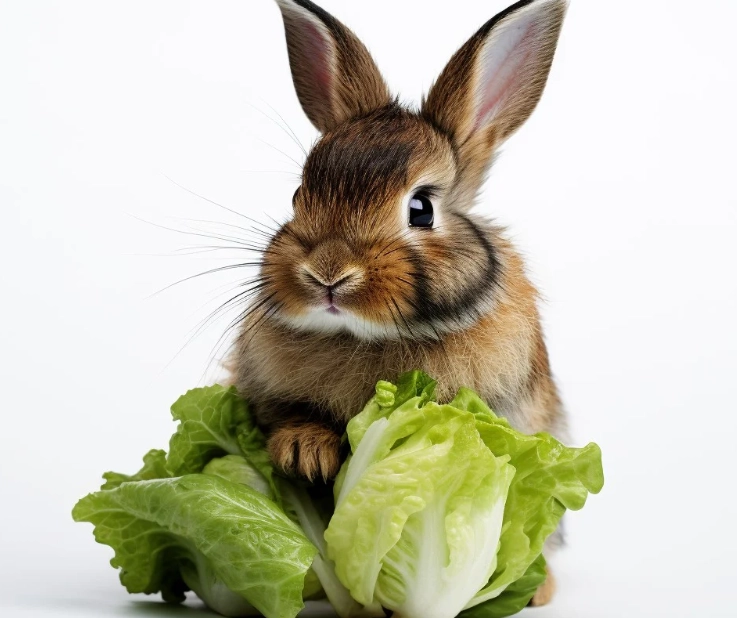
Your vegetable garden represents a calorie-dense buffet compared to wild forage. To a rabbit, your cabbage, lettuce, kale, and broccoli are like finding a gourmet salad bar. They’ll go for the easiest, most succulent greens available. I’ve watched them bypass tougher dandelion leaves for the butterhead lettuce every time.
A key insight most guides miss: Rabbits don’t just eat the leaves. Seedlings are their favorite. A rabbit will often mow down a row of newly sprouted cabbage plants overnight, leaving just stems, long before the head forms. It’s not just the mature cabbage at risk; it’s your entire planting effort.
What Wild Rabbits Prefer to Eat (And What They’ll Settle For)
If given a choice in a natural setting, here’s how their preferences typically stack up. Your garden vegetables are like the dessert table.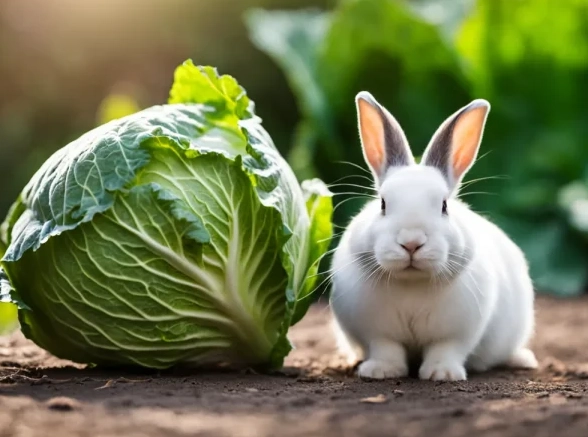
| Preferred Natural Foods | Garden Vegetables They Target | Plants They Usually Avoid |
|---|---|---|
| Timothy Hay & Orchard Grass | Lettuce (all types) | Tomatoes (plant) |
| Clover & Dandelion Greens | Beans & Peas (seedlings) | Peppers (plant) |
| Herbs like Plantain | Carrot Tops | Potatoes (foliage) |
| Bark (in winter) | Cabbage, Kale, Spinach | Onions & Garlic |
| Wild Berries (occasionally) | Broccoli & Cauliflower Leaves | Most Herbs (strong scents) |
Why Cabbage is a Problematic Feast for Rabbits
Here’s where the common knowledge gets it wrong. Many people think, “It’s a green vegetable, how bad can it be?” For a wild rabbit, cabbage can be a serious digestive hazard. It’s not toxic like poison, but it’s disruptive.
Cabbage, especially the white and red varieties, contains compounds called raffinose and other oligosaccharides. These are complex sugars that ferment rapidly in the gut. For an animal that requires a stable, slow fermentation of fiber, this rapid gas production is a disaster. It leads to painful bloating, gut imbalance, and can be the trigger for fatal GI stasis.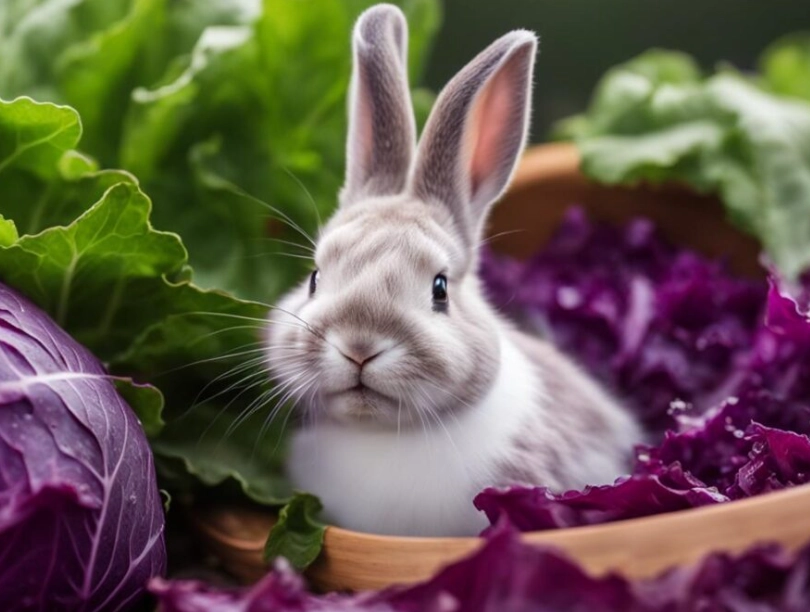
The biggest mistake I see: Well-meaning people leaving out bowls of cabbage or lettuce scraps for wild rabbits, thinking they’re helping. You’re not. You’re potentially giving them a stomachache that can kill them. It’s like feeding candy to a toddler—they’ll eat it, but it’s terrible for them.
Signs a Rabbit Has Eaten Too Much Cabbage
If you suspect a local rabbit has been overindulging in your garden, watch for these signs. They’re often subtle but serious.
- Lethargy and sitting hunched up – They look uncomfortable, not alert.
- Lack of droppings – Healthy rabbit droppings are small, round, and abundant. A slowdown is a red flag.
- Loud tooth grinding – This indicates pain, not contentment.
- Loss of appetite for their normal forage – The bloating makes them feel full.
If you see this, the best thing is to leave the animal alone and ensure it has access to its natural, high-fiber foods. Intervention by untrained people often causes more stress.
How to Protect Your Garden From Rabbits (Humanely & Effectively)
You want to save your cabbages, and you don’t want to harm the rabbits. It’s a balance. Forget the old wives’ tales about rubber snakes or human hair—they might work for a day. You need a layered defense.
Physical Barriers: The Only 100% Effective Method
A fence is your best investment. But not just any fence. Rabbits can dig and squeeze.
- Material: Use 1-inch (or smaller) mesh chicken wire.
- Height: At least 2 feet tall above ground.
- Depth: Bury the bottom 6-8 inches underground, bending it outward into an “L” shape to block diggers. This step is crucial and often skipped.
- For individual plants: Use wire mesh cloches or cylinders. I make my own from hardware cloth for young cabbage plants.
Natural Deterrents and Planting Strategies
You can make your garden less appealing. This isn’t foolproof, but it helps.
- Companion Planting: Ring your cabbage patch with strong-smelling plants. Rabbits dislike onions, garlic, marigolds, and herbs like oregano and sage. It won’t stop a starving rabbit, but it can deter casual browsing.
- Natural Repellent Sprays: Homemade sprays with garlic, chili pepper, or vinegar can work. The downside? You have to reapply after every rain. A commercial product with putrescent egg solids (like Deer Off) mimics predator scent and is more rain-resistant. It works for rabbits too.
- Habitat Modification: Remove brush piles, tall grass, and debris near your garden. These are hiding spots and nesting areas. A clean perimeter gives them less cover to feel safe approaching.
One strategy I’ve had moderate success with is the “sacrificial planting” method. I plant a small patch of clover or a few extra lettuce plants at the far edge of my property. It sometimes distracts them from the main vegetable garden. It’s not a guarantee, but it feels like a fair trade.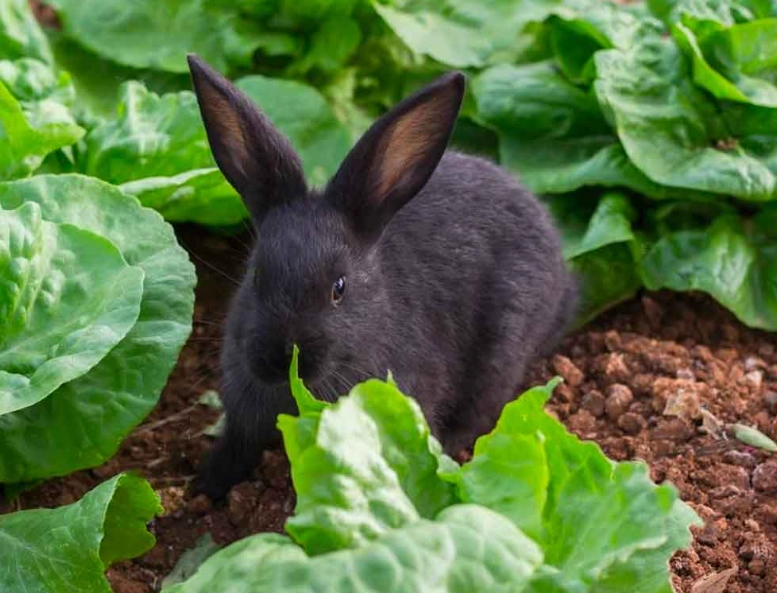
Your Rabbit and Cabbage Questions Answered
So, do wild rabbits eat cabbage? Unquestionably. Should they? Not really. Understanding this distinction is what separates a frustrated gardener from an effective one. You can appreciate these animals while also safeguarding your harvest. It’s about smart barriers, not war. Focus on making your cabbages inconvenient, not impossible, to reach, and you’ll find a workable balance that keeps both your plants and the local wildlife healthier.
Reader Comments