Let's cut straight to the chase. No, a "bunny" is not strictly a baby rabbit. It's a term of endearment, a cute nickname we give to rabbits of all ages. The real word for a baby rabbit is a "kit" or "kitten." This mix-up is one of the most common pieces of fuzzy logic in the pet world, and it leads to real confusion for new owners. I've spent over a decade caring for rabbits and volunteering at rescues, and I've seen the fallout—people expecting their tiny "bunny" to stay tiny forever, or using the wrong terms when talking to a vet. This article will untangle the bunny vs. rabbit puzzle, give you the correct terminology for every life stage, and explain why getting this right matters for your pet's care.
What You'll Discover in This Guide
The Origin of "Bunny": A Term of Endearment
So where did "bunny" come from if it doesn't mean baby? The word has surprisingly cozy roots. It likely stems from the Scottish word "bun," which referred to a rabbit's tail or, more broadly, something round and cute. By the 1600s, it evolved into the affectionate suffix "- bunny." Think of it like calling a dog a "doggy" or a cat a "kitty." It's not a biological classification; it's a linguistic cuddle.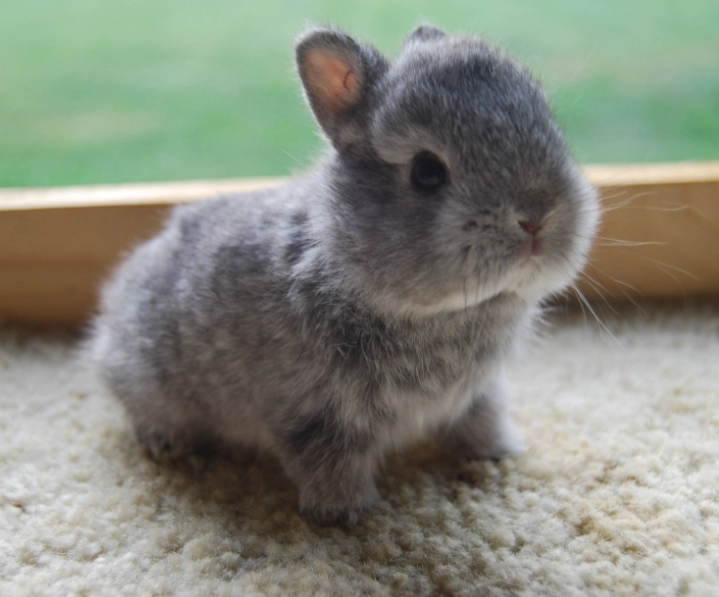
This is where the confusion solidifies for many people. In pop culture, baby rabbits in cartoons and children's books are almost exclusively called bunnies. Peter Rabbit? The Easter Bunny? They've cemented the association in our minds. But in the precise language of biology, animal husbandry, and veterinary science, "bunny" doesn't exist. A farmer, a breeder, or your vet will talk about rabbits, does (females), bucks (males), and kits (babies).
Key Takeaway: Using "bunny" is perfectly fine in casual conversation—I use it all the time with my own rabbits. The problem starts when we let that cute term obscure the important biological and age-related realities of the animal we're caring for.
The Correct Terms: From Newborn Kits to Senior Rabbits
If "bunny" isn't the official term for a baby, what is? Here’s the precise breakdown that every responsible rabbit owner should know. This isn't just semantics; each stage comes with specific care requirements.
| Life Stage | Term | Typical Age Range | Key Characteristics & Care Notes |
|---|---|---|---|
| Newborn | Kit or Kitten | Birth - 2 weeks | Born blind, deaf, and furless. Entirely dependent on the mother (doe). Should not be handled unnecessarily. |
| Nursing Young | Kit | 2 weeks - 8 weeks | Eyes open, fur grows in. Begins to explore and nibble on solid food (alfalfa hay, starter pellets) but still nurses. Critical socialization period. |
| Juvenile/Adolescent | Junior Rabbit | 8 weeks - 6 months | Weaned. Rapid growth phase. High-energy, often mischievous. Hormonal behaviors may start. Requires unlimited alfalfa hay for growth. |
| Young Adult | Rabbit | 6 months - 1 year | Growth slows. Should be transitioned from alfalfa to grass hay (Timothy, Orchard). This is the standard age for spaying/neutering. |
| Adult | Rabbit | 1 year - 5-6 years | Prime of life. Stable personality and dietary needs (primarily unlimited grass hay, limited pellets, fresh greens). |
| Senior | Senior Rabbit | 5-6 years+ | May require diet adjustments (softer hay, senior pellets), more frequent vet checks for arthritis, dental issues, and other age-related conditions. |
Notice that "bunny" doesn't appear on this chart. That's the point. When you're discussing health, diet, or behavior with a professional, using the correct term (e.g., "My junior rabbit is chewing everything") instantly gives them more accurate context than "My bunny is chewing everything."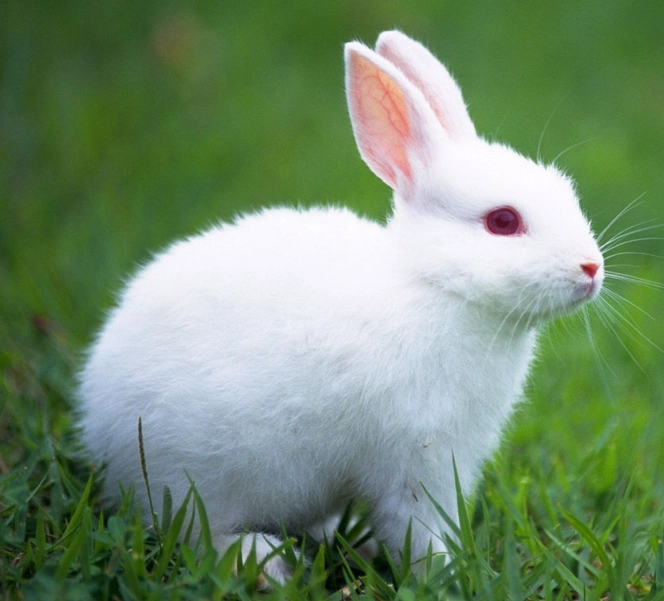
Why Getting the Terms Right Actually Matters for Care
This is the part most articles miss. The terminology mix-up has tangible consequences. Let me give you a scenario from the rescue. Someone adopts a 3-month-old "bunny." They think "bunny" equals "baby," so they feed it a diet they think is for babies—maybe too much milk-based treat or the wrong type of hay. But a 3-month-old rabbit is a junior needing specific nutrition for its teenage growth spurt, not generic "baby" food.
Another big one: behavior. People often describe unexpected chewing or territorial spraying as "my bunny is acting up." Framed that way, it sounds like a temporary phase of a cute baby. In reality, a 5-month-old "junior rabbit" is likely displaying perfectly normal adolescent hormonal behavior that signals it's time to discuss spaying/neutering with your vet. The label changes how seriously you take the issue.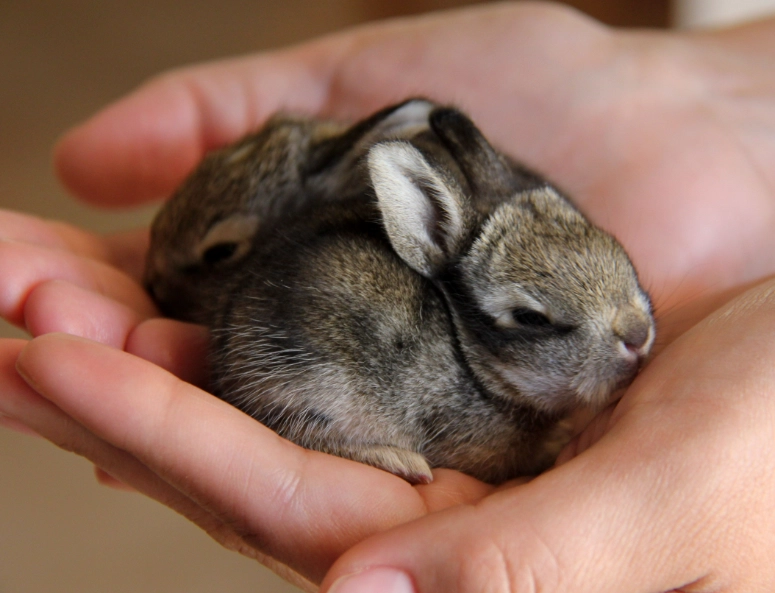
Bunny Behavior vs. Rabbit Behavior: Debunking Age Myths
There's a pervasive myth that "bunnies" (thought of as babies) are super cuddly and calm, while "rabbits" (adults) are aloof and independent. This is a dangerous oversimplification that leads to mismatched expectations. Personality is shaped more by breed, individual temperament, socialization, and past experiences than by age alone.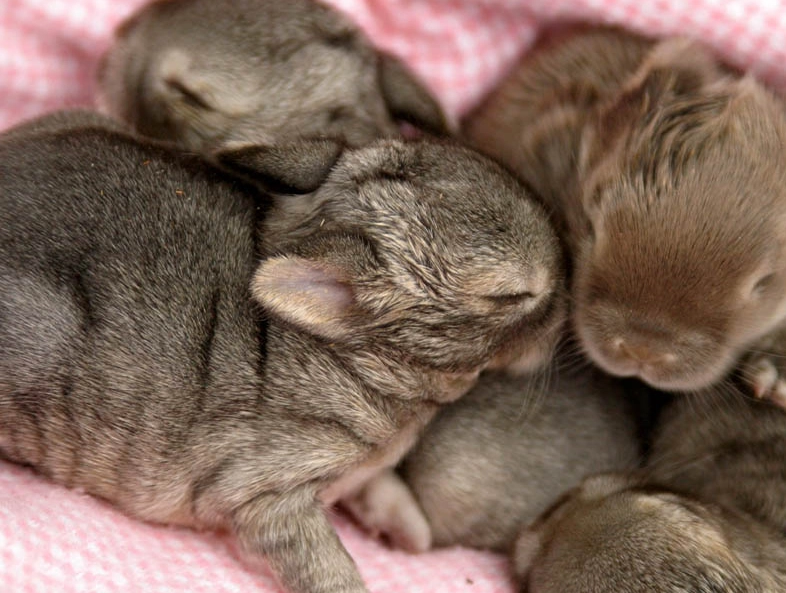
A well-socialized adult rescue rabbit can be a gentle, affectionate lap-sitter. A young, energetic "junior" rabbit of a lively breed like a Dutch or Mini Lop might be a zooming, binkying ball of energy with little interest in being held. Assuming your pet will mellow out just because it grows from a "bunny" into a "rabbit" sets you up for frustration. You have to meet the individual animal in front of you.
Here’s a non-consensus opinion I've formed after years of observation: people often mistake the initial quietness of a newly homed kit or junior (which is usually fear or adjustment) for "sweet bunny calmness." Then, when the same animal gains confidence at 4-6 months and starts expressing its true, more active personality, they complain their "bunny" has changed. It didn't change; it just finally felt safe enough to be itself.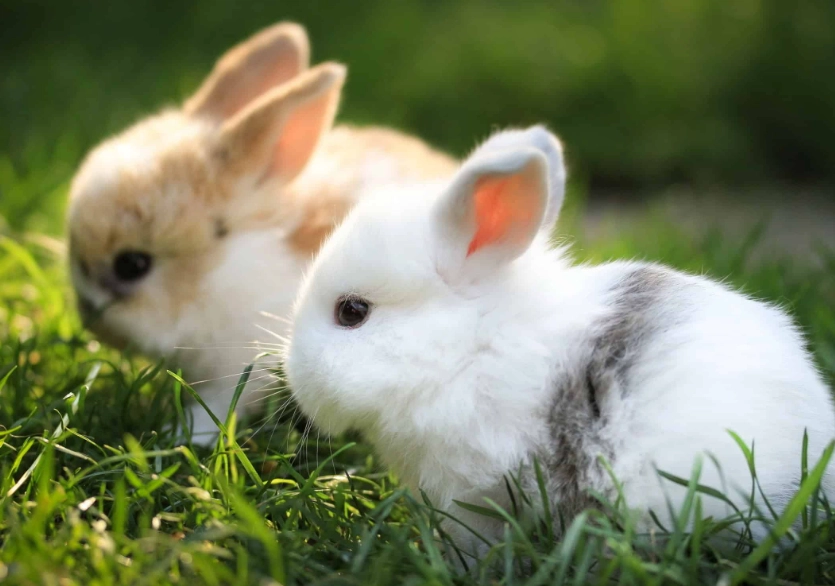
Your Rabbit Terminology Questions, Answered
So, is a bunny a baby rabbit? Linguistically and culturally, we've made it so. Biologically and in terms of responsible pet care, it's a fuzzy distinction that needs clarifying. Embrace the word "bunny" for the love and cuteness it conveys. But arm yourself with the words "kit," "junior," "adult," and "senior" to ensure the animal you love, by any name, gets the exact care it needs at every stage of its long life.
Reader Comments