Let's cut to the chase. No, you should not feed cooked cabbage to your rabbit. It's not just a "maybe avoid"—it's a firm no. The question "can rabbits eat cooked cabbage?" pops up because we, as humans, often assume cooking makes vegetables softer and easier to digest. For our complex guts, that's sometimes true. For a rabbit's highly specialized digestive system, it's a recipe for disaster. Feeding cooked vegetables, including cabbage, is one of the most common and dangerous diet mistakes I see new owners make, often with heartbreaking consequences like GI stasis. This guide will explain exactly why cooked cabbage is off the menu, what to do if an accident happens, and how to safely incorporate fresh cabbage into your bunny's diet.
What You'll Learn in This Guide
Why Cooked Cabbage is Dangerous for Rabbits
Understanding this requires a peek into rabbit biology. A rabbit's gut is a fermentation vat designed to process massive amounts of raw, fibrous plant material. The magic happens with the help of a delicate balance of gut bacteria and constant motility.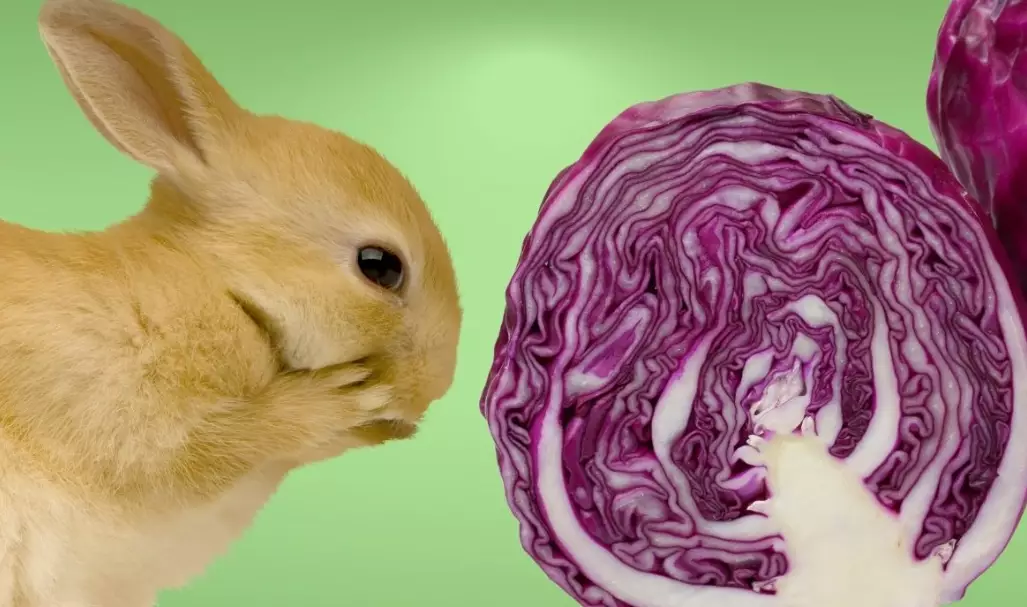
The Problem with Heat and Fiber
Cooking cabbage fundamentally changes its structure. Heat breaks down the tough, insoluble fiber that is crucial for a rabbit's digestion. This fiber acts like a broom, sweeping food through the intestines and preventing hairballs and blockages. Without it, the gut motility slows down. Cooked cabbage becomes a mushy, low-fiber mass that can clump together in the stomach or cecum, leading to a slowdown or complete halt of the digestive tract—a condition known as gastrointestinal (GI) stasis. GI stasis is a life-threatening emergency for rabbits.
Nutrient Imbalance and Sugar Concentration
Cooking also alters the nutrient profile. Water-soluble vitamins like Vitamin C are degraded. More critically, the natural sugars in the cabbage become more concentrated as water cooks off. A sudden influx of these easily digestible sugars can cause a bacterial imbalance in the cecum. The wrong bacteria can proliferate, producing gas and toxins, leading to painful bloat and potentially fatal enterotoxemia.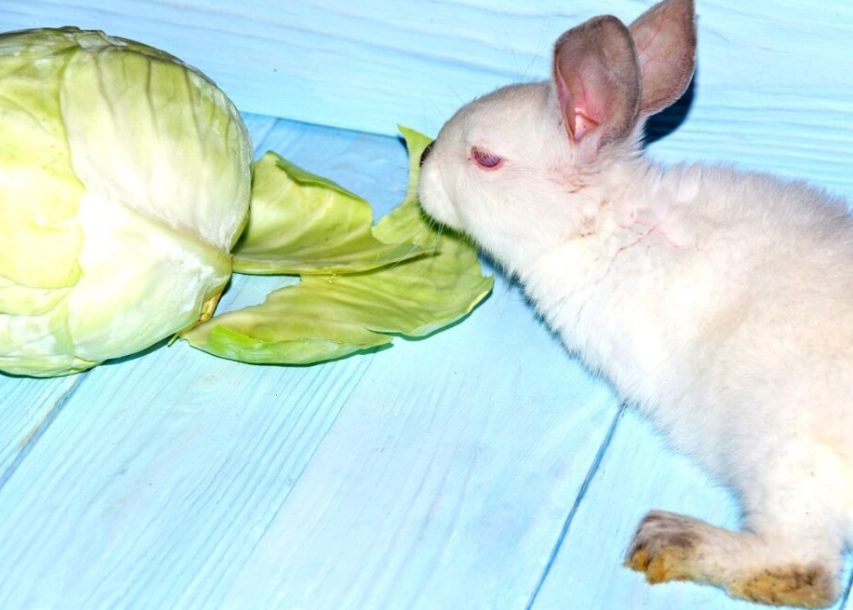
My Rabbit Ate Cooked Cabbage: What to Do Now
Maybe your bunny hopped on the table and snatched a piece of coleslaw, or a well-meaning family member gave them a treat. Don't panic, but act immediately. Your response depends on the amount.
| Amount Ingested | Immediate Action | What to Monitor |
|---|---|---|
| Tiny taste (less than a teaspoon) | Don't feed any other treats or veggies for 12-24 hours. Provide unlimited hay and water. Encourage movement. | Appetite for hay, poop size and quantity over the next 12 hours. Any signs of lethargy. |
| Small amount (a few small pieces) | Stop all pellets and vegetables. Hay and water only. Consider offering a digestive support supplement like plain, timothy-hay-based critical care mixed with water. | Very closely monitor poop output. Feel the belly gently for hardness or gurgling. Check for signs of pain (hunched posture, teeth grinding). |
| Moderate to large amount (a mouthful or more) | Contact your rabbit-savvy vet immediately. Describe what and how much was eaten. They may advise you to come in for supportive care (fluids, gut motility drugs) before full stasis sets in. | This is a potential emergency. Watch for no poop output for 10-12 hours, refusal to eat hay, a hard or bloated belly, and extreme lethargy. |
The most critical thing you can do is ensure they are eating their hay. Hay is the antidote. It gets the fibrous gut motility started again. If they stop eating hay entirely, it's a red flag that demands a vet visit.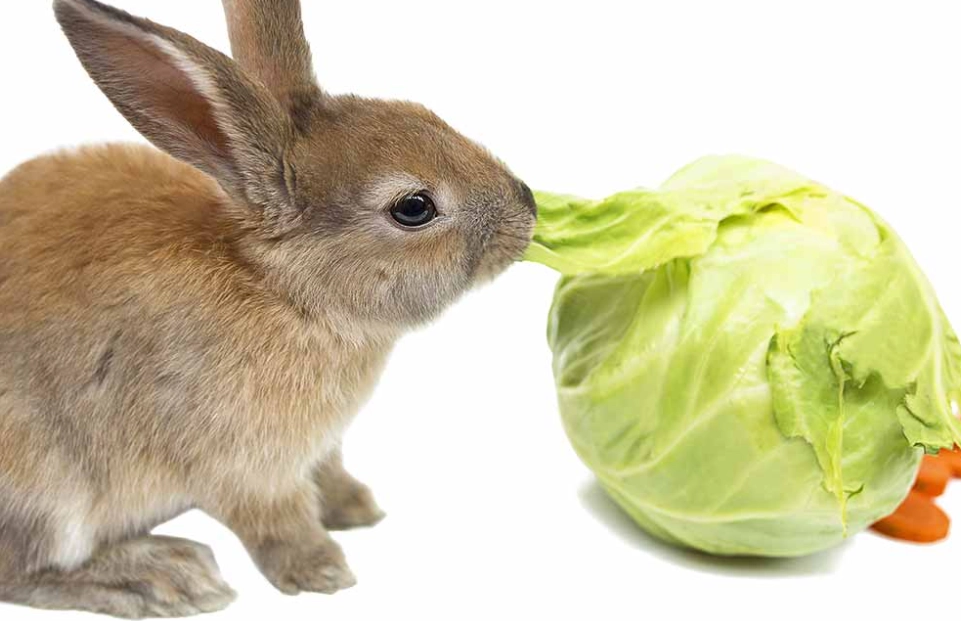
How to Safely Feed Fresh Cabbage to Your Rabbit
Fresh, raw cabbage can be part of a varied diet, but it must be introduced with caution. Cabbage is part of the cruciferous vegetable family (like broccoli and kale), which can cause gas in some individuals.
- Start Minuscule: Begin with a piece the size of your thumbnail. Offer it once, then wait 24 hours to observe their poop and behavior.
- Variety is Key: Never make cabbage the daily vegetable. Rotate it with other leafy greens like romaine lettuce, cilantro, and bok choy. A good rule is 3 different types of greens per day.
- Stick to the Leafy Parts: The dark green outer leaves or the lighter inner leaves are best. Avoid the thick, tough core.
- Wash Thoroughly: Rinse under cold water to remove any pesticide residue.
A common pitfall I see is owners finding one veggie their rabbit loves (like cabbage) and feeding it every single day. This monotonous diet increases the risk of nutrient imbalances and digestive issues from that one specific food.
Better Vegetable Alternatives to Cooked Cabbage
If you're looking for safe, healthy treats or dietary variety, forget the cooked stuff. Here’s a shortlist of superior, vet-recommended options. The House Rabbit Society, a leading authority on rabbit care, provides excellent guidelines on this.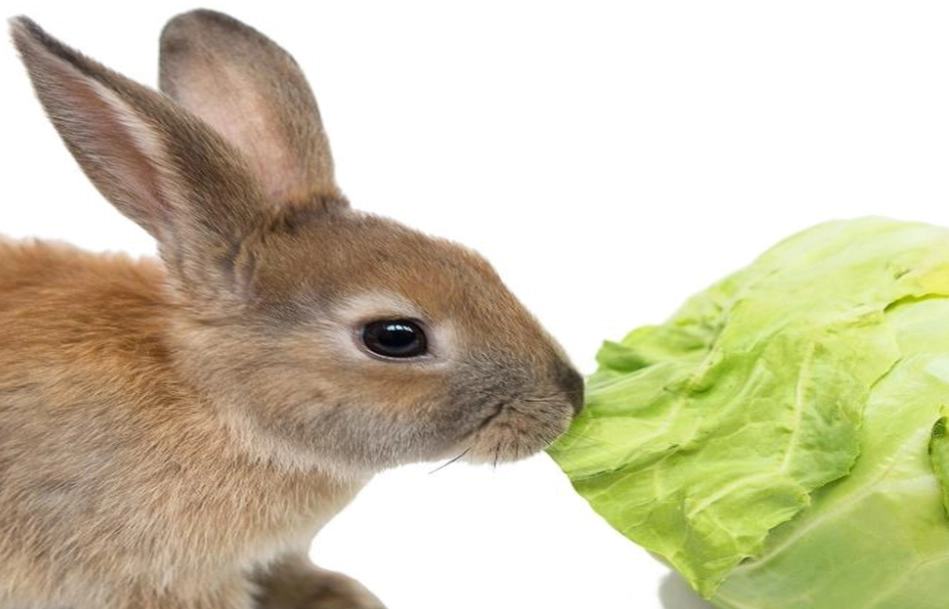
Daily Staples (can be fed daily in a mixed salad): Romaine lettuce, green/red leaf lettuce, endive, escarole, cilantro, dill, mint, bok choy, carrot tops.
Occasional Treats (1-2 times per week): Carrot (small piece), bell pepper (any color, seeds removed), zucchini, fresh basil, small amounts of broccoli florets or kale.
The Golden Rule: The total daily vegetable portion should be about 1 packed cup per 2 lbs of body weight. The rest of the diet? 80-90% should be unlimited grass hay (timothy, orchard, meadow).
Common Rabbit Diet Mistakes to Avoid
Beyond the cooked cabbage issue, here are a few other dietary missteps I frequently encounter that can compromise your rabbit's health.
Overfeeding Pellets
Pellets are a concentrated food, not a main course. For an adult rabbit, a quarter cup per 5 lbs of body weight is plenty. More than that reduces their appetite for essential hay.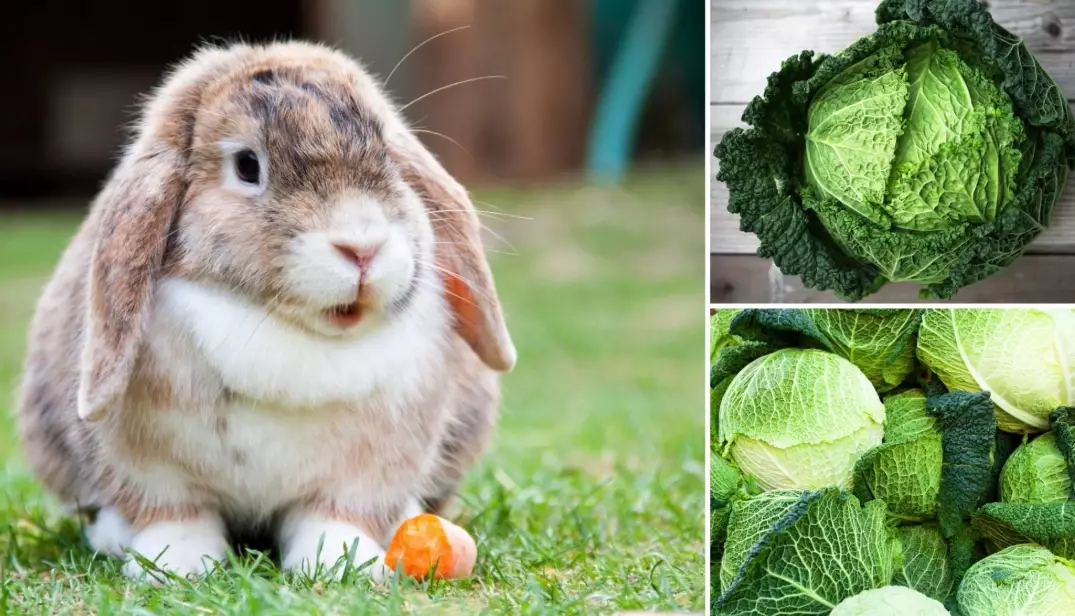
Introducing New Foods Too Fast
Switching hay brands or adding a new green should be done over a week. A sudden change disrupts the cecal bacteria. I always tell new owners to go slower than they think they need to.
Assuming "Natural" Means Safe
Many plants are toxic. This includes all parts of onions, garlic, leeks, avocado, and the leaves of tomato or potato plants. Iceberg lettuce is not toxic but is mostly water and can cause diarrhea, so it's worthless nutritionally.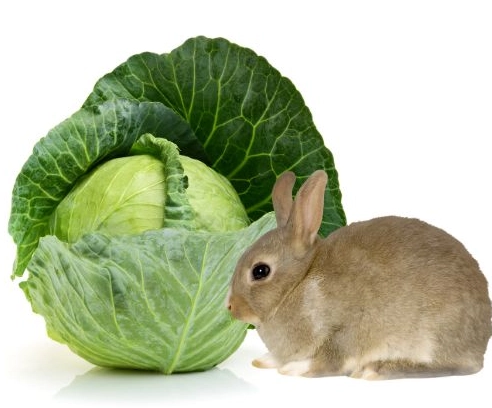
Reader Comments