Let's cut to the chase. You've probably heard the old gardener's tale: sprinkle used coffee grounds around your plants, and rabbits will turn up their noses and hop away. It sounds like a perfect, free, and eco-friendly solution. But after a decade of talking with fellow gardeners and seeing what actually works (and what doesn't), I have to tell you the unvarnished truth. Relying solely on coffee grounds to protect your lettuce, beans, and flowers is about as effective as hoping it won't rain. Sometimes you get lucky, but most of the time, you're just left with a muddy, caffeinated mess and still-missing plants.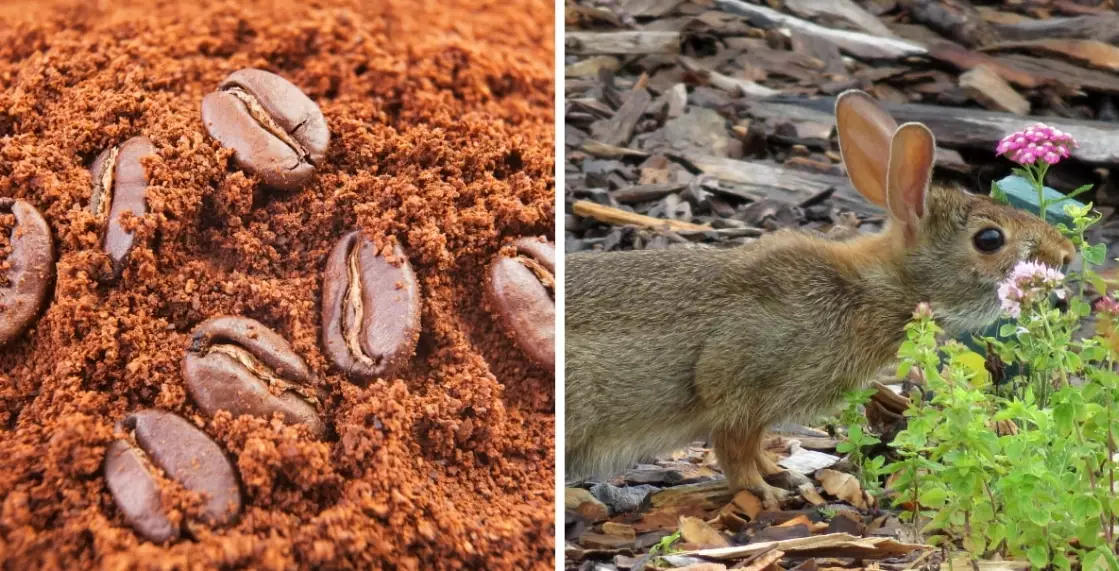
The short answer is maybe, temporarily, under perfect conditions. The reliable answer is no, you need a better plan.
What's Inside This Guide?
The Theory Behind Coffee Grounds as a Rabbit Repellent
So where did this idea even come from? It's not completely pulled from thin air. The logic rests on two main pillars: smell and caffeine.
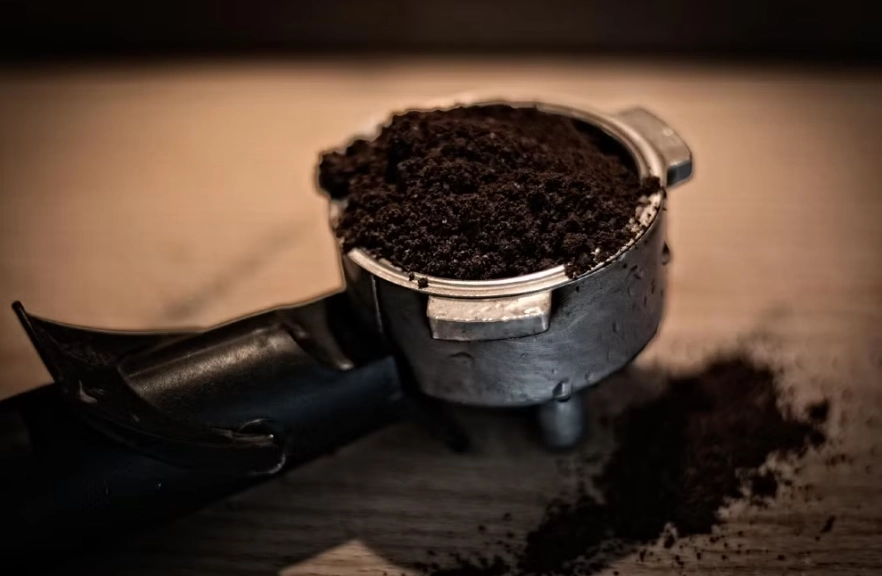
The Smell Factor: Rabbits have an excellent sense of smell, which they use to find food and detect danger. Used coffee grounds have a strong, bitter aroma. The theory is that this overpowering scent masks the smell of your tasty plants and creates an unpleasant sensory barrier. To a rabbit's sensitive nose, it might just smell like "danger" or "inedible."
The Caffeine Question: Caffeine is a natural alkaloid that acts as a pest deterrent for the coffee plant itself. Some sources suggest the residual caffeine in used grounds could be unpalatable or even slightly toxic to small animals if ingested in large quantities. However—and this is a big however—the amount of caffeine left in brewed grounds is minimal. A rabbit would have to eat a massive amount to feel any effect, which they're highly unlikely to do because of the smell and taste.
I once met a gardener in Oregon who swore by his "coffee moat" around his strawberry patch. It worked for him, he said. But he also had two outdoor cats that patrolled the area. Was it the coffee, the cats, or just less rabbit pressure that season? It's hard to say. That's the problem with anecdotal evidence.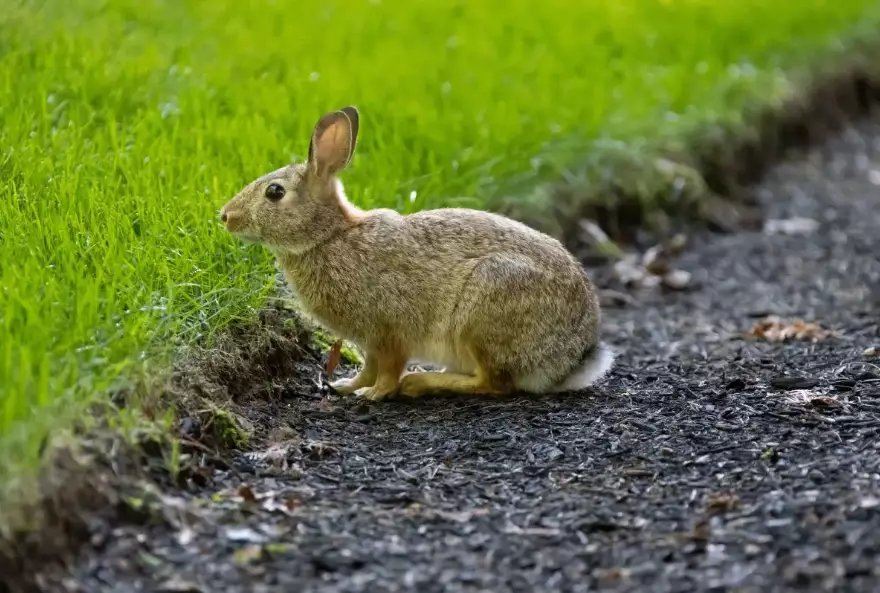
Why Coffee Grounds Often Fail (The Reality Check)
Here's the part most blog posts gloss over. Let's talk about why your coffee ground defense might crumble faster than a dry biscuit.
Rabbits Get Used to It. This is the biggest flaw. Rabbits are creatures of habit, but they're also adaptable. A strong, novel smell might spook them for a day or two. But if they're hungry and that smell isn't linked to a real, immediate threat (like a predator), they'll quickly learn to ignore it. It's just background noise. I've seen rabbits happily munch on plants mere inches from a ring of brown grounds once they realized nothing bad happened when they got close.
Weather Washes It All Away. One good rain, a heavy dew, or a few rounds of watering your garden, and your carefully sprinkled coffee barrier is gone. The scent dissipates, the grounds sink into the soil or wash away, and the protection vanishes. You'd need to reapply constantly, which is neither practical nor cost-effective unless you own a café.
Hunger Overrides Discomfort. A well-fed rabbit in a diverse ecosystem might be picky. A hungry rabbit in early spring or a suburban area with limited food sources? It's not going to be deterred by a funny smell when your tender pea shoots are right there. Desperation is a powerful motivator.
There's another subtle point most people miss. Coffee grounds can actually alter soil pH, making it more acidic. This is great for blueberries and azaleas, but terrible for plants that prefer neutral or alkaline soil. You could be driving away rabbits (maybe) while slowly harming the very plants you're trying to protect.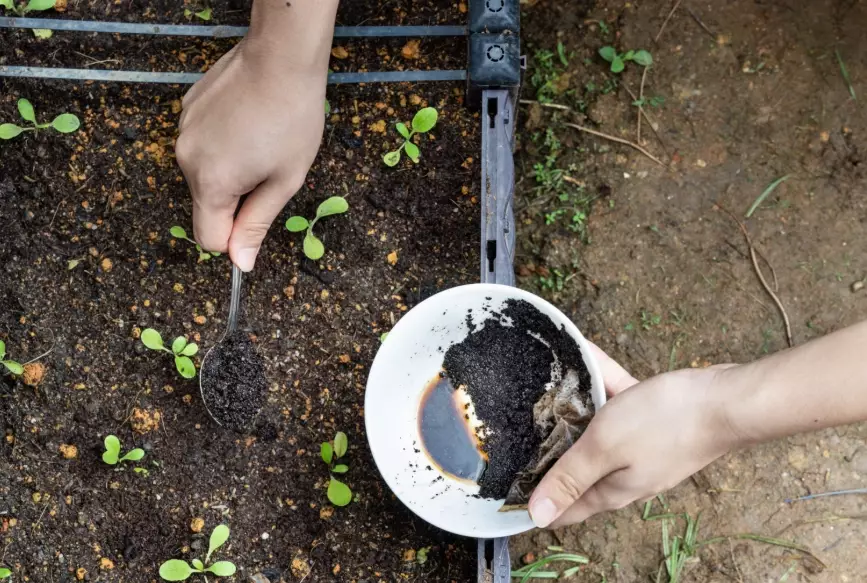
Better, More Reliable Rabbit Deterrents
If coffee grounds are a shaky bluff, what actually works? You need methods that create a real physical or sensory consequence. Let's rank these by effectiveness and effort.
Physical Barriers (The Gold Standard). Nothing beats a physical fence. It's not the most exciting answer, but it's the only one that guarantees results. The key is doing it right. Chicken wire or hardware cloth with a mesh no larger than 1 inch is essential. Bury the bottom at least 6 inches deep and angle it outward to stop diggers. The fence only needs to be about 2-3 feet high—rabbits aren't great climbers. It's work upfront, but it pays off for years.
Commercial Repellents with Putrescent Egg Solids. These are the heavy hitters of the scent-based repellent world. Products like Liquid Fence or Plantskydd use eggs as a primary ingredient. The smell mimics that of predator urine, triggering a deep-rooted fear response in rabbits. They think a fox or coyote is marking the territory. These need reapplication after rain, but they're far more potent and longer-lasting than coffee. The smell is strong for humans too for a day, so apply it on a dry, calm day.
Planting Strategies (Companion Planting & Unpalatable Choices). This is a more passive, long-term approach. Interplant your vulnerable veggies with strong-smelling herbs like rosemary, sage, oregano, or lavender. Rabbits tend to dislike these aromas. You can also focus on planting less-palatable species around the edges of your garden as a buffer. The Royal Horticultural Society lists plants like ageratum, foxglove, and snapdragon as generally rabbit-resistant.
Motion-activated sprinklers are another fantastic modern tool. They startle the rabbit with a sudden burst of water, creating a negative association with your garden. It's harmless but highly effective. The initial cost is higher, but they protect a large area automatically.
Building a Comprehensive Rabbit Defense Strategy
The secret veteran gardeners know is that you rarely use just one tactic. You layer them. This is called integrated pest management, and it works because it addresses the problem from multiple angles.
Here’s what that looks like in practice.
Start with the perimeter. Install a proper physical fence around your most precious vegetable bed. This is your main line of defense.
Use a potent repellent as a secondary layer. Apply a commercial egg-based repellent on and around the fence line and on any plants growing near the edge. Reapply according to the label, especially after heavy rain.
Employ psychological and sensory tactics inside the perimeter. This is where you can get creative. Plant clumps of strong-smelling herbs among your veggies. Place a few motion-activated sprinklers if you have a larger area. You can even use old CDs on string or pinwheels to create flashes of light and movement that make rabbits nervous.
And yes, in this layered system, you can use coffee grounds. Not as your star player, but as a minor, supplementary scent distraction within your already fortified garden. Toss them around your rosemary bushes or mix them into the mulch. They won't do any harm there and might contribute a tiny bit to the overall "this area is weird and stressful" vibe you're creating for local rabbits.
The goal is to make your garden the least appealing, most troublesome buffet on the block. Rabbits are lazy. They'll go for the easy meal in your neighbor's unprotected yard every time.
Your Rabbit & Coffee Grounds Questions Answered
Comment