Rabbits hate certain scents because their survival depends on it. Their powerful sense of smell, far superior to ours, acts as an early warning system. Knowing what smells they avoid isn't just about keeping them out of your vegetable patch—it's crucial for protecting them from hidden dangers in your home. Many common household products and even some "natural" repellents can be harmful or fatal to rabbits. This guide cuts through the noise, separating irritating smells from toxic ones, and gives you a practical, safe plan for a rabbit-friendly space.
Quick Navigation
Why a Rabbit's Nose Rules Their World
Think about how a rabbit lives in the wild. They're prey animals. They can't afford to investigate every strange rustle or new smell. Their nose is their primary tool for detecting predators, finding safe food, and communicating. A sudden, strong, unfamiliar odor triggers a deep instinct to flee or hide. It's not a matter of preference; it's a hardwired survival mechanism.
In your home, this super-sniffer works against them. An air freshener you barely notice can overwhelm them. The fumes from a new piece of painted furniture can be toxic. Understanding this difference—between an irritating smell and a poisonous one—is the first step in responsible rabbit care. It's not about what we think smells strong, but what their biology interprets as a threat.
The Complete List of Scents Rabbits Hate
Let's break down the smells. I've kept rabbits for over a decade, and the biggest mistake I see is owners assuming "natural" equals "safe." It doesn't. This table separates scents by category and risk level.
| Category | Specific Scents | Why Rabbits Hate It | Toxicity Level & Key Risk |
|---|---|---|---|
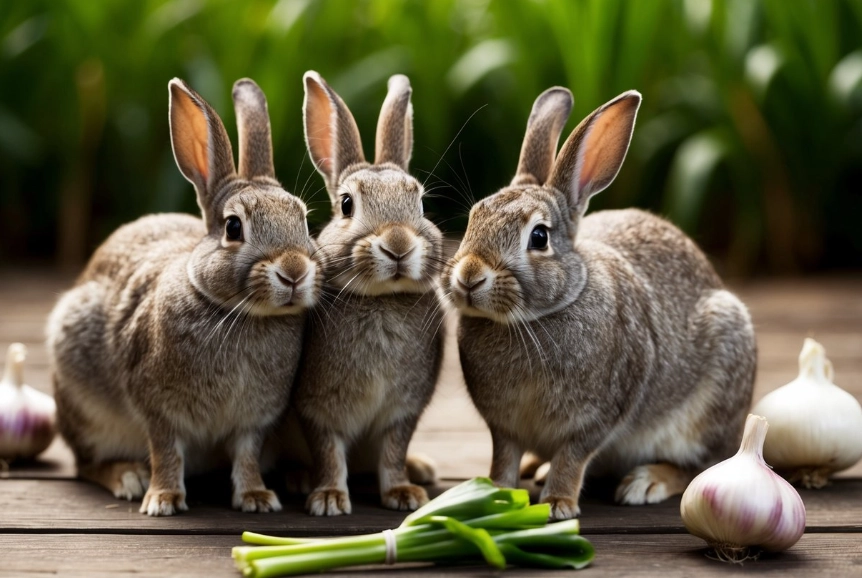
| Strong Spices & Herbs | Cayenne pepper, black pepper, chili powder, mustard powder, garlic, onion powder. | Irritates mucous membranes. Acts as a sensory irritant, not a taste deterrent. | Moderate to High. Garlic and onion are toxic and can cause hemolytic anemia. Powders can cause respiratory distress if inhaled. |
| Essential Oils & Concentrates | Peppermint, eucalyptus, tea tree, citrus (lemon, orange), cinnamon, pine, lavender. | Overwhelmingly potent. Disrupts their ability to smell predators/food. | Very High. Extremely toxic if ingested or absorbed through skin. Can cause liver failure, neurological issues. Never use diffusers near rabbits. |
| Chemical & Household Fumes | Ammonia-based cleaners, bleach, paint fumes, varnish, nail polish remover (acetone), cigarette smoke, air freshener sprays. | Harsh, unnatural, and directly damaging to respiratory tracts. | Extreme. Rabbits have delicate respiratory systems. These can cause immediate respiratory distress, chemical burns, or long-term organ damage. |
| Predator Urine & Feces | Fox, coyote, dog, cat. | Triggers primal fear of predation. It's a direct biological warning signal. | Low direct toxicity, High stress risk. The scent itself isn't usually toxic, but the chronic stress it induces can be very harmful. Commercially sold versions may contain preservatives. |
| Vinegar & Alcohol | White vinegar, apple cider vinegar, rubbing alcohol. | Sharp, acidic, and pungent. It's an irritant. | Low to Moderate. Highly diluted vinegar is safe for cleaning surfaces rabbits don't touch. Undiluted or ingested, it's harmful. Alcohol is toxic. |
Look at the "Essential Oils" row. This is a critical non-consensus point. You'll see many gardening sites recommend peppermint oil to deter wild rabbits. For a pet rabbit in your living room, that advice is dangerous and potentially lethal. The concentration matters. What might vaguely irritate a wild rabbit outdoors can poison a house rabbit in an enclosed space.
The Garden Dilemma: Wild vs. Pet Rabbits
The context changes everything. For protecting a garden from wild rabbits, people use spicy powders or commercial repellents with predator urine. The risk to the animal is brief exposure, and they just hop away. For your pet bunny in a cage or free-roaming your apartment, there's no "hopping away." They are trapped in the scent cloud. This is why the advice diverges so wildly, and why you must filter all information through the lens of "Is my rabbit confined near this?"
How to Use Scents Safely (If You Must)
Sometimes you need to clean a cage or deter chewing in a specific, inaccessible area. Here’s how to think about it, with safety as the absolute priority.
The Golden Rule: The rabbit must be able to get far away from the scent, and the scent must be applied to an area they cannot physically contact.
Scenario: Cleaning a litter box or soiled cage corner. A 50/50 dilution of white vinegar and water is my go-to. It cuts through urine scale and deodorizes. But here's the expert trick: remove the rabbit from the room. Clean, rinse thoroughly with water, and most importantly, let it air dry completely before the rabbit returns. The smell of vinegar dissipates as it dries, leaving a clean surface without chemical residue. Never use bleach or ammonia-based cleaners—the residual fumes can linger and cause serious harm.
Scenario: Protecting a specific wire or furniture leg from chewing. First, provide ample approved chewing alternatives (applewood sticks, willow balls). If the behavior persists on one spot, a tiny dab of a non-toxic, bitter apple spray designed for pets on the exact spot can work. Test it on an inconspicuous area first to ensure it doesn't damage the finish. The goal is taste, not smell. This is a last resort, not a first step.
I tried the "hot sauce on a cord" trick years ago. It was a mess, didn't really work, and I was paranoid about my rabbit grooming it off her paws. I don't recommend it.
Rabbit-Safe Natural Alternatives for a Fresh Home
You don't need dangerous scents to have a clean, pleasant-smelling home with rabbits. The best strategy is odor prevention and safe neutralization.
1. Focus on the Source: Diet and Litter. A healthy rabbit on a proper diet (unlimited hay, limited pellets, fresh greens) produces less odorous waste. The single biggest factor in cage smell is urine. Use a highly absorbent, dust-free paper-based or aspen wood pellet litter. Change it regularly. This solves 90% of odor issues at the root.
2. Safe Cleaning Arsenal. For general cleaning: Diluted white vinegar (as described above). For tougher jobs: A paste of baking soda and water. Let it sit, then scrub and rinse. For air circulation: An air purifier with a HEPA filter. It physically removes dander, dust, and odor particles from the air without adding any scent. This is a game-changer.
3. What About Pleasant Scents? Rabbits have individual preferences. Some enjoy the mild, dry smell of herbs like basil, cilantro, or dill (which you can offer as occasional treats). The smell of fresh hay is comforting to them. If you want your home to smell nice, focus on the air purifier and keeping the rabbit's area clean. Plug-in air fresheners, scented candles, and incense are a hard no.
Your Rabbit Scent Questions Answered
 My new wooden hutch has a strong "wood" smell. Is that safe?
Comment