You step outside to check on your seedlings and find them nibbled to the ground. Again. Those cute, fluffy rabbits have turned your vegetable patch into their personal buffet. It's frustrating. You don't want to hurt them—they're just animals looking for a meal—but you also can't afford to lose your entire harvest. The good news? There are incredibly effective ways to keep rabbits out of your garden that don't involve traps, poisons, or any harm. It's about being smarter, not meaner. This guide pulls from years of trial, error, and talking to veteran gardeners to show you how.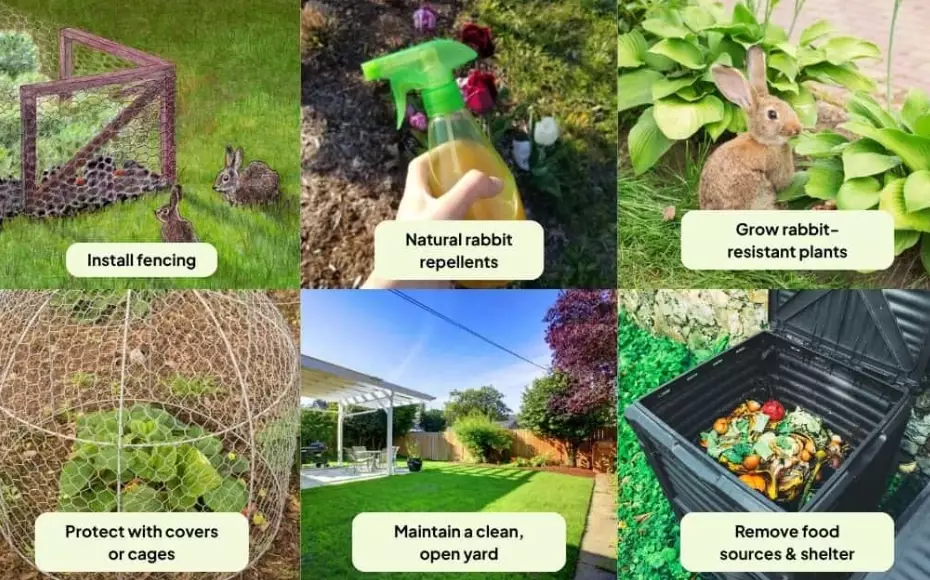
What's Inside This Guide
- First, Understand Your Fuzzy Adversary
- The Gold Standard: Physical Barriers That Work
- Using Smell and Taste to Your Advantage
- Motion, Sound, and Visual Scares (The Temporary Fix)
- The Long Game: A Rabbit-Resistant Garden Makeover
- If Nothing Else Works: Humane Exclusion & Relocation
- Your Rabbit Deterrent Questions, Answered
First, Understand Your Fuzzy Adversary
Rabbits aren't vindictive. They're opportunistic, timid, and hungry. An adult rabbit eats about a pound of vegetation a day. Your garden is a convenient, nutrient-rich salad bar. They prefer tender, young shoots—lettuce, beans, carrots, broccoli, herbs. They're creatures of habit, using the same paths. And they breed... well, like rabbits. A single doe can have several litters a year. Ignoring the problem won't make it go away; it multiplies.
The key insight most beginners miss? Deterrence is a multi-layered strategy. Relying on one method is like locking your front door but leaving the windows open. Rabbits will find the weak spot. You need a combination approach.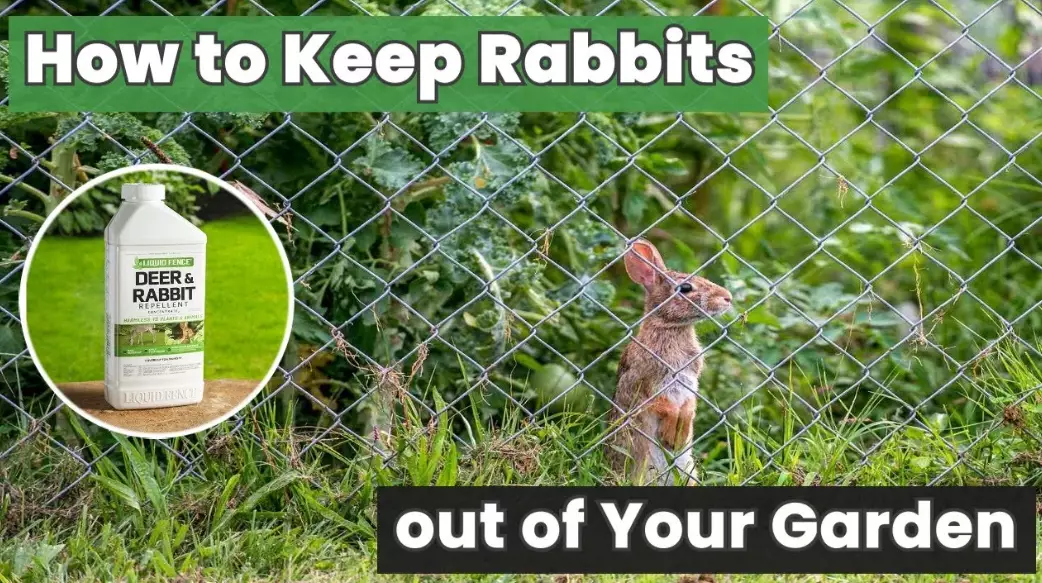
The Gold Standard: Physical Barriers That Work
If you want guaranteed results, a physical barrier is your best bet. It's not the cheapest option upfront, but it saves you money and heartache in the long run.
Garden Fencing: The Details Matter
A flimsy, short fence is just a suggestion to a rabbit. Here's what actually works:
- Height: At least 2 feet tall. Rabbits can jump, but not usually high from a standstill.
- Material: Chicken wire or hardware cloth with 1-inch or smaller mesh. Baby bunnies can squeeze through anything larger.
- The Critical Burry: This is the step everyone skips and then wonders why rabbits are still inside. You must bury the bottom 6 inches of the fence outward, away from the garden, or bend it into an L-shape underground. Rabbits are diggers. A fence that stops at the soil surface is just a doorway.
Raised Beds + Cloches: The Double Defense
Elevating your garden makes it a less appealing target. Combine 2-foot high raised beds with simple cloches (protective covers) for young plants. You can make cloches from old plastic bottles with the bottom cut off or buy wire cloches. It's like putting a mini-fence around each plant.
Tree and Shrub Protection
In winter, rabbits gnaw bark, which can kill young trees. Wrap trunks with commercial tree guards or cylinders of hardware cloth. Ensure it's taller than the likely snow line.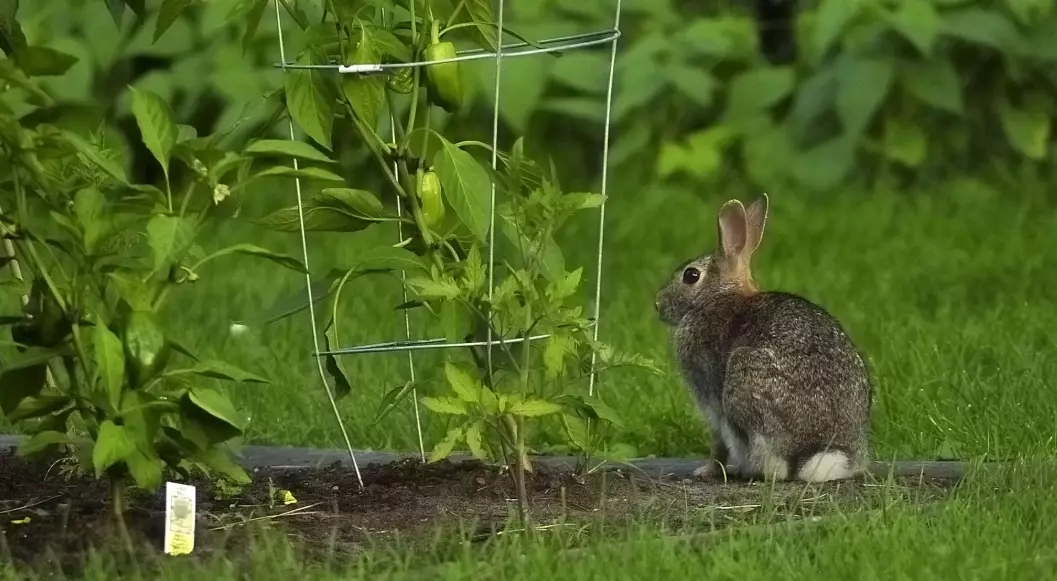
Using Smell and Taste to Your Advantage
Rabbits have sensitive noses and tastes. You can exploit this with repellents. Important: these are not "set and forget" solutions. Rain washes them away, and rabbits can get used to them.
| Type | What to Use | How to Apply | Effectiveness & Notes |
|---|---|---|---|
| Commercial Spray Repellents | Products with ingredients like putrescent egg solids, capsaicin (hot pepper), or garlic oil. | Spray directly on plants according to label. Reapply after rain or every 1-2 weeks. | Very effective when used consistently. Egg-based ones mimic predator urine. Safe for plants when used as directed. |
| Homemade Sprays | Garlic or hot pepper spray. Blend garlic/chili with water, strain, add a drop of dish soap as a sticker. | Spray on plant leaves and around the garden perimeter. | Moderate effectiveness. Cheap but needs frequent reapplication. The soap helps it stick. |
| Granular Repellents | Blood meal or dried garlic pellets. | Sprinkle around the base of plants and garden edges. | Blood meal is a good fertilizer (high nitrogen) but can attract dogs or carnivores. Reapply after rain. |
| Strategic Planting (Companion) | Strong-smelling herbs: onions, garlic, chives, marigolds, lavender. | Plant these as a border around your vulnerable veggies. | Adds a mild deterrent layer and beautifies the garden. Not foolproof alone, but a great part of the plan. |
Motion, Sound, and Visual Scares (The Temporary Fix)
These methods work on a rabbit's skittish nature but have a major flaw: rabbits are smart. They habituate. What terrified them on Monday is ignored by Friday. Use these to buy time for other methods to work or to protect a specific area for a short period.
- Motion-Activated Sprinklers: Excellent. A sudden blast of water startles them and conditions them to avoid the area. Brands like Orbit or Hoont work well.
- Wind Chimes, Pinwheels, Flashing Tape: Unpredictable movement and reflection can deter them initially. Move them around every few days.
- Predator Decoys (Owl statues): Only work if you move them daily. A stationary plastic owl becomes garden decor, not a threat.
- Pet Presence: The scent of a dog or cat (via used litter or fur) around the perimeter can be a deterrent. Replenish regularly.
The Long Game: A Rabbit-Resistant Garden Makeover
This is about making your yard inherently less attractive. It's the most sustainable approach.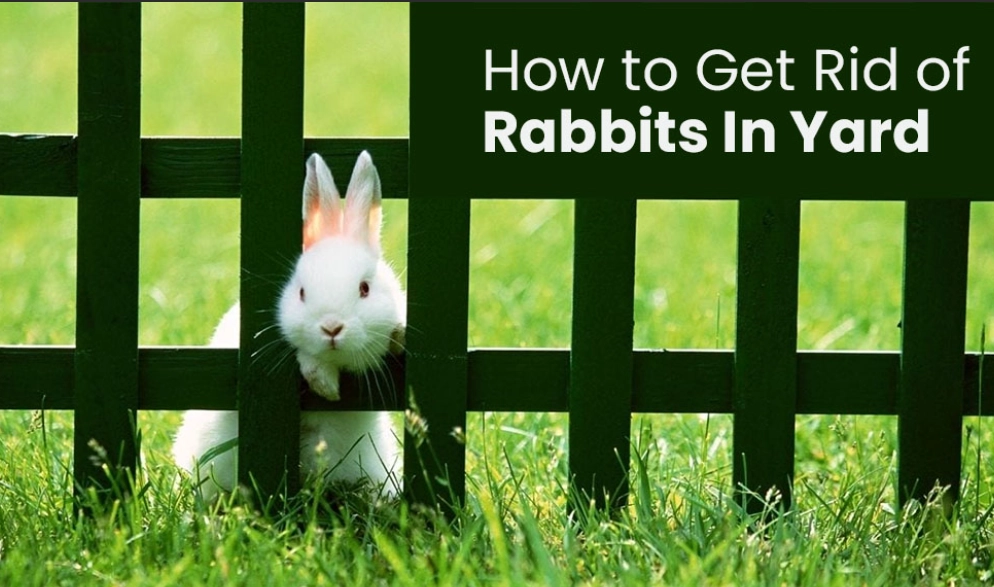
Remove Hiding Spots: Clear brush piles, tall grass, and debris near the garden. Rabbits won't venture far into the open if they don't have cover nearby.
Choose Plants They Dislike: While a starving rabbit will eat almost anything, they tend to avoid plants with strong scents, fuzzy leaves, or milky sap. Integrate these into your landscape:
- Herbs: Lavender, sage, oregano, thyme, mint (plant mint in pots—it's invasive).
- Flowers: Marigolds, snapdragons, geraniums, alyssum.
- Vegetables: Onions, leeks, garlic, potatoes, rhubarb, asparagus.
Think of it as creating a less tasty outer ring around your prized lettuce.
If Nothing Else Works: Humane Exclusion & Relocation
Let's say you have a persistent rabbit living under your shed. Multi-layered deterrence isn't enough. The next step is humane live trapping and relocation. This is serious and must be done correctly.
- Check Local Laws: Many areas prohibit relocating wildlife due to disease spread. Contact your local animal control or Department of Natural Resources first.
- Use a Proper Live Trap: Place it near the burrow or travel path, baited with apple slices or carrots. Check it at least twice a day.
- Relocate Responsibly: If legal, take the rabbit at least 5-10 miles away to a suitable habitat (woods, fields, not another suburb). Release it immediately. Do this only for the resident adult(s), not as a continuous solution.
Never use lethal traps or poisons. They are inhumane, can harm pets and other wildlife, and are often illegal for rabbit control.
Your Rabbit Deterrent Questions, Answered
 The battle against garden rabbits isn't won with a single magic trick. It's won with consistency and a layered strategy. Start with the most permanent solution you can manage—even if it's just fencing one raised bed this year. Combine it with repellents and habitat modification. Be patient, observe what works in your space, and remember that the goal is coexistence. You can have a thriving garden and let the bunnies live their lives safely elsewhere.
Comment