That picture-perfect image of a fluffy bunny in a small cage is probably what pops into your head. I thought the same thing before I got my first rabbit, Thumper, over a decade ago. Let me tell you, reality hit fast. Rabbits are complex, sensitive, and incredibly rewarding companions—but they are not the low-maintenance starter pets many believe them to be. So, is a rabbit a good pet to have? The short answer is: it depends entirely on you, your lifestyle, and your expectations. This guide won't just list pros and cons; we'll walk through the daily realities, the hidden costs, and the emotional commitment, so you can make a decision that's right for both you and a potential bunny.
What's Inside This Guide?
- The Reality Check: What Rabbit Ownership Actually Looks Like
- The Unfiltered Pros and Cons of Rabbit Ownership
- How Much Space Do Rabbits Really Need?
- The Non-Negotiable Daily & Weekly Care Routine
- The Real Cost of a Rabbit: A 5-Year Breakdown
- 5 Critical Mistakes New Rabbit Owners Make (And How to Avoid Them)
- The Final Verdict: Is a Rabbit Right for YOU?
- Your Rabbit Questions, Honestly Answered
The Reality of Rabbit Ownership
Forget the cage. A proper rabbit habitat is more like a puppy-proofed studio apartment. They need to run, jump (those famous binkies), dig, and explore. They're crepuscular, meaning most active at dawn and dusk—just when you're trying to sleep or get ready for work. They also have a delicate digestive system that requires constant attention. One day of neglect can lead to a life-threatening condition called GI stasis. This isn't meant to scare you off, but to shift your perspective. You're not getting a cage ornament; you're inviting a small, intelligent, prey animal into your home that requires a predator-safe environment and a routine akin to a cat's.
Think of it as adopting a tiny, silent, vegetarian dog with a fondness for baseboards.
The Unfiltered Pros and Cons
Let's get straight to the heart of it. Here’s a balanced look at what you're signing up for.
| The Good (The Really Good Stuff) | The Challenging (The Stuff Pet Stores Don't Mention) |
|---|---|
| Quiet Companionship: No barking. Perfect for apartments or noise-sensitive households. Their communication is subtle—a soft tooth purr when petted, a nudge for attention. | Destructive Chewing: It's not misbehavior; it's a biological need. Wires, furniture legs, carpets, and books are all fair game unless meticulously protected. |
| Litter Trainable: Yes, like cats! Most rabbits quickly learn to use a litter box, making free-roam life much cleaner. | Fragile Health: They hide illness until it's severe. You must be observant. Vet bills are high, as they require exotic/specialist vets. |
| Deeply Affectionate (on their terms): When a rabbit chooses to flop next to you or groom you, it's a sign of immense trust. The bond is earned, not given. | Long-Term Commitment: They live 8-12 years. This is a decade-plus commitment, through life changes, moves, and vacations (finding a rabbit-sitter is hard). |
| Entertaining Personalities: From curious explorers to lazy loafers, each has a distinct character. Watching a happy rabbit binky is pure joy. | Not Great for Young Children: They are easily startled, don't like being carried, and can scratch or bite if frightened. This often leads to rabbit neglect or rehoming. |
How Much Space Do Rabbits Really Need?
The minimum recommended by organizations like the House Rabbit Society is far larger than any pet store cage. We're talking about an exercise pen (x-pen) that's at least 4ft x 4ft, and that's just their base camp. They need several hours daily of supervised free-roam time in a fully secured room. A common setup I recommend is using an x-pen permanently attached to a large dog crate (with the door always open), creating a multi-room suite. The floor must be solid, not wire, to prevent sore hocks.
The Ideal Rabbit Zone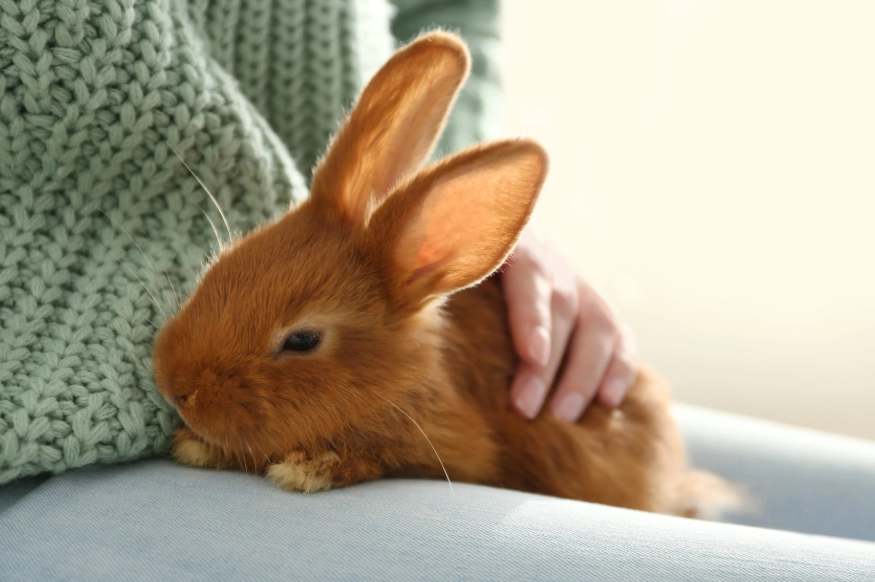
Picture this: a quiet corner of your living room or office. An x-pen encloses a large litter box filled with paper-based litter, a hidey-house (like a cardboard box with two exits), a heavy ceramic food bowl, a water bowl (not a bottle, as they allow for more natural drinking), and a pile of hay that's always, always available. This is their safe zone. For free-roam time, the entire room needs to be bunny-proofed: cords encased in tubing, baseboards covered with plastic guards, and precious items moved up high.
A Non-Consensus Tip: Most guides say "a cage is fine." It's not. The single biggest mistake is underestimating space needs. A confined rabbit is a bored, depressed, and often unhealthy rabbit. The space requirement is the first and most crucial filter for potential owners.
The Non-Negotiable Daily & Weekly Care Routine
This is where the "low maintenance" myth dies. Here’s what a typical day looks like.
- Morning: Refresh unlimited timothy hay (or orchard grass). Check water bowl—clean and refill. Offer a cup of fresh leafy greens (romaine, cilantro, kale). Scoop soiled litter from the box.
- Evening: Another hay refresh. More greens. Spend 30-60 minutes interacting or just being present while they explore. Check for any signs of abnormal droppings (size, quantity) or lack of appetite.
- Weekly: Full litter box change. Deep clean the pen area with a pet-safe vinegar/water solution. Brush your rabbit (frequency depends on breed; long-haired breeds need daily grooming). Nail trim every 4-6 weeks.
The diet is critical. About 80-90% should be grass hay. It wears down their constantly growing teeth and keeps their gut moving. Pellets are just a small supplement, and fruits are rare treats. I've seen too many rabbits develop painful dental issues from diets rich in pellets and poor in hay.
The Real Cost of a Rabbit: A 5-Year Breakdown
Let's talk money, because the $50 rabbit from the store is the cheapest part. Here’s a realistic, mid-range estimate for a single rabbit over five years, assuming no major emergencies (which can easily add $1000+ in one go).
| Expense Category | Initial Setup (One-Time) | Annual Cost | 5-Year Total |
|---|---|---|---|
| Habitat & Bunny-Proofing | $250 - $400 (X-pen, litter box, hideouts, mats, cord protectors) | $50 (replacements) | $450 - $650 |
| Veterinary Care | $150 - $300 (initial check-up, neuter/spay—CRUCIAL for health/behavior) | $200 - $400 (yearly check-ups, parasite control) | $1150 - $2300 |
| Food & Supplies | $100 (first month's food, litter) | $400 - $600 (hay, greens, pellets, litter) | $2100 - $3100 |
| Toys & Enrichment | $50 | $100 | $550 |
| Total Estimate | $550 - $850 | $750 - $1150 | $4,250 - $6,600 |
See? It's a significant investment. The neuter/spay alone is vital—it drastically reduces territorial spraying (yes, they spray), aggression, and the risk of reproductive cancers in females, which are exceedingly common.
5 Critical Mistakes New Rabbit Owners Make
After years in rabbit rescue communities, these patterns are painfully consistent.
- Getting Only One Rabbit: Rabbits are social. A lone rabbit often becomes lonely, especially if you work full-time. A bonded pair keeps each other company, groom each other, and are generally happier. The cost increase for a second is marginal after the initial setup.
- Using the Wrong Litter or Diet: Clumping cat litter or pine/cedar shavings are toxic. Stick to paper-based or aspen. And I can't stress this enough: unlimited hay is non-negotiable.
- Not Bunny-Proofing Thoroughly: One chewed-through laptop charger or baseboard repair bill will teach you this lesson the hard way. Assume everything at rabbit level will be investigated with teeth.
- Picking Them Up Constantly: As prey animals, being lifted triggers a fear response. Bonding happens on the floor, at their level. Let them come to you.
- Delaying Vet Visits: If your rabbit stops eating or pooping normally for more than 12 hours, it's a code red emergency. Don't "wait and see." GI stasis kills quickly.

The Final Verdict: Is a Rabbit Right for YOU?
A rabbit is a fantastic pet for a specific person: a patient, observant, homebody who appreciates quiet companionship and doesn't mind a home that's adapted to another creature's needs. They're perfect for adults or very calm, respectful older teenagers who want a pet that's interactive but not as demanding as a dog.
They are a poor choice if you: want a cuddly lap pet you can carry around, have very young children, travel frequently, are on a tight budget, or cannot dedicate the daily time and space.
If your lifestyle aligns, the reward is a unique, gentle friendship unlike any other.
Your Rabbit Questions, Honestly Answered
 Do rabbits get along with cats or dogs?
Comment