Your rabbit just had babies. The excitement is real, but so is the panic. Suddenly, you're not just caring for one rabbit, but a whole litter that depends entirely on their mom. The single most important thing you can do right now is get her diet perfect. A nursing doe's nutritional needs are astronomically higher than a regular rabbit's. She's producing rich milk, recovering from birth, and needs enough energy to stay healthy herself. Get it wrong, and you risk milk failure, weak kits, or even the doe getting sick. Let's cut through the noise and talk about exactly what to put in her bowl.
Your Quick Feeding Guide
The Core Diet Shift: From Maintenance to Maximum Fuel
Forget everything about limiting pellets and Timothy hay. For the next 4-8 weeks (the peak lactation period), your rabbit's body is a milk factory. Her energy and protein requirements can double or even triple. The goal is dense, high-quality nutrition that supports milk production without forcing her to draw from her own body reserves.
The biggest change? Alfalfa hay becomes non-negotiable. I know, I know. We're often told alfalfa is for babies and Timothy is for adults. But a nursing doe is in a unique physiological state. Alfalfa is legume hay, higher in protein, calcium, and calories than grass hays like Timothy. This is exactly what she needs. Think of it as premium fuel. She should have unlimited access to fresh, sweet-smelling alfalfa hay at all times.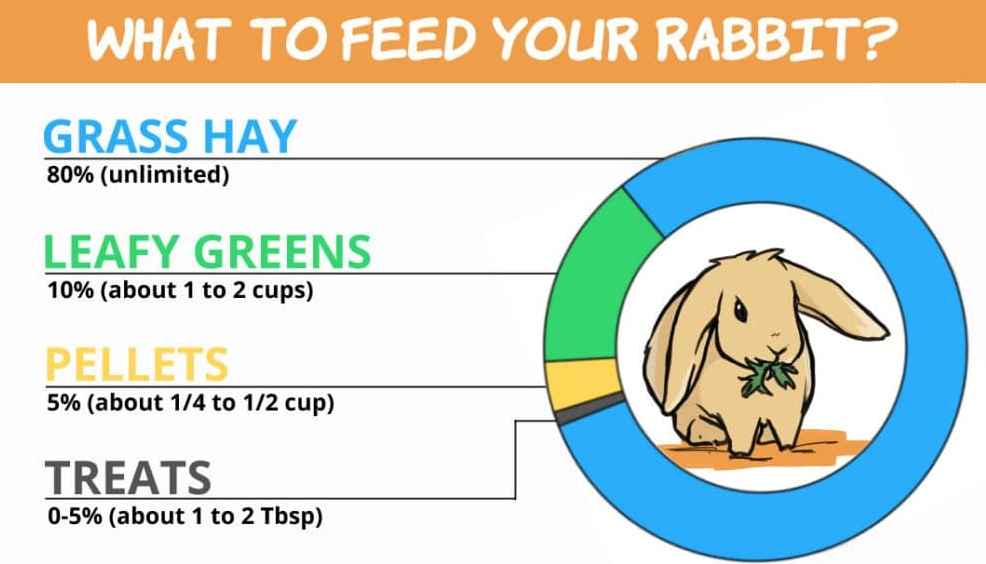
Pro Tip from the Hutch: Don't just switch cold turkey. If your doe was on Timothy, mix in alfalfa over 2-3 days to avoid digestive upset. A 50/50 mix is a good start, gradually increasing the alfalfa ratio.
Next up are pellets. Her regular maintenance pellets won't cut it. You need a high-protein pellet, ideally around 16-18% protein. Look for brands marketed for "growth," "young rabbits," or "breeding stock." The higher fat and fiber content also support energy and digestion. Feed these pellets unlimitedly. Yes, unlimited. Let her eat as much as she wants. A nursing doe can easily consume twice her normal pellet amount. I keep a heavy ceramic bowl full at all times and refresh it twice daily.
Supplemental Greens and Hydration Boosters
Fresh greens are vital for moisture, vitamins, and variety. But we must be strategic. Go for nutrient-dense, safe options.
Top Greens for a Nursing Doe:
- Dark Leafy Greens: Kale, romaine lettuce, carrot tops, parsley (flat-leaf or curly). These are packed with vitamins and calcium.
- Herbs: Basil, cilantro, mint. These are appealing and can stimulate appetite.
- Other Veggies: Bell peppers (for vitamin C), zucchini, broccoli leaves (stems in moderation).
Introduce or increase greens gradually. A good starting point is a packed cup of mixed greens per day, split between two feedings. Watch her droppings. If they become soft, scale back slightly.
Water is the most critical "food." Milk is mostly water. She will drink a staggering amount—easily 4-8 times her normal intake. Provide multiple sources: a heavy water bowl and a bottle. Check and refill them constantly. I add a pinch of organic, electrolyte-free herbs to the water sometimes, but plain, fresh water is perfect.
Building the Perfect Daily Meal Plan
Let's make this actionable. Here’s a sample daily schedule for a medium-sized (4-5 lb) nursing doe with a litter of 4-6 kits.
| Time | Food Item | Quantity & Notes |
|---|---|---|
| Constant Access | Fresh Alfalfa Hay | Unlimited. Refill whenever it gets low or soiled. |
| Constant Access | Fresh Water | In both a bowl and a bottle. Change twice daily. |
| Morning (8 AM) | High-Protein Pellets | Fill bowl to the top. She will likely finish it by evening. |
| Morning (8 AM) | Fresh Greens Mix | About 1/2 cup. E.g., romaine, parsley, a basil leaf. |
| Evening (6 PM) | High-Protein Pellets | Refill bowl completely. |
| Evening (6 PM) | Fresh Greens Mix | Another 1/2 cup. Try cilantro, kale, or carrot tops. |
| Optional Treat | Oat Groats / Rolled Oats | A teaspoon sprinkled on pellets. Great for extra calories. |
This isn't a rigid prescription. A giant Flemish Giant will eat more; a small Netherland Dwarf slightly less. The key is observing her body condition and her kits' growth.
A mistake I made years ago was being too timid with food. I worried about obesity and stuck to measured portions. The result? A thin, stressed doe and kits that weren't thriving as they should. Once I switched to free-feeding alfalfa and high-quality pellets, her energy rebounded, and the kits plumped up beautifully within days.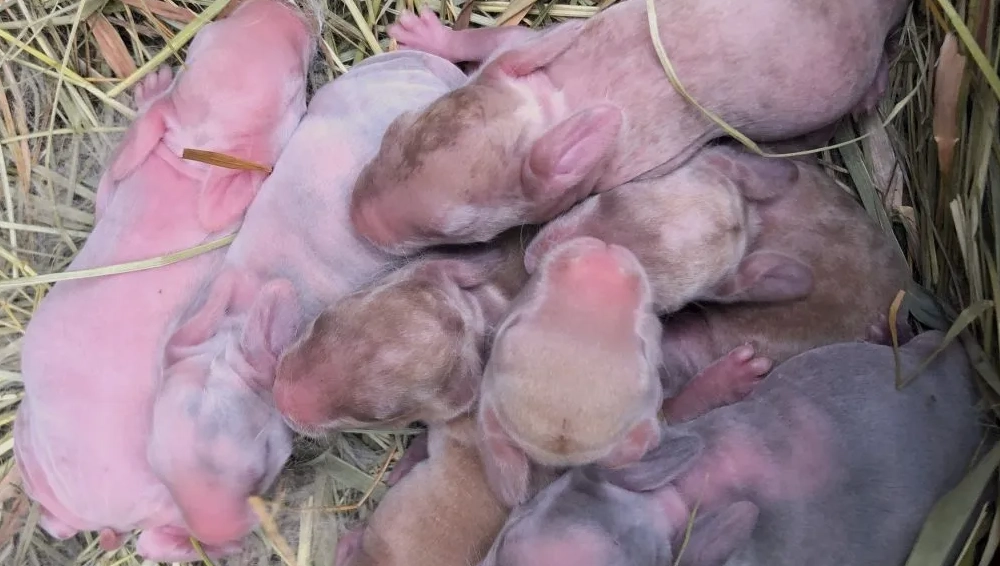
Foods to Avoid and Critical Mistakes
With increased feeding comes increased risk. Her digestive system is working overtime, so it's more sensitive.
Stop This Now: Do not feed iceberg lettuce, cabbage, cauliflower, or other gas-producing vegetables (like most beans). These can cause painful, dangerous bloating.
Avoid high-sugar fruits and treats. A blueberry or apple sliver once a week is the absolute max. Sugar can disrupt the delicate cecal gut flora and lead to GI stasis. This is not the time for banana slices.
The other major pitfall is introducing too many new foods at once. If you want to add a new green, do it one at a time, waiting 24 hours to check for soft stools. Her system is under enough stress; don't bombard it.
Finally, ensure all food is fresh, dry, and mold-free. Alfalfa hay can sometimes get dusty. Shake it out before putting it in the rack. Never feed wilted or slimy greens.
Monitoring and Adjusting: Signs You're Getting It Right
How do you know the diet is working? Look for these positive signs: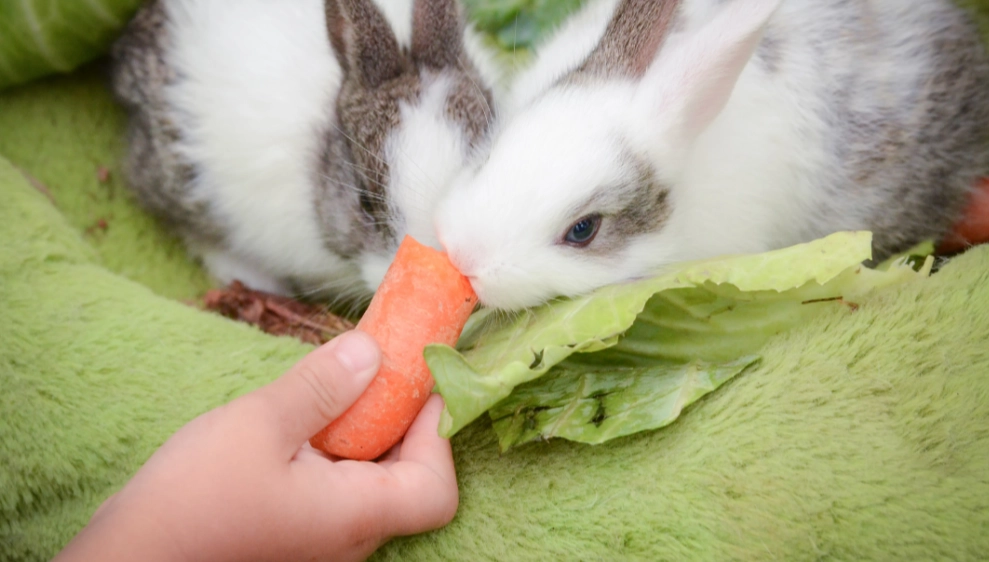
- The Doe's Condition: She should maintain her weight, not become bony. A slight loss is normal initially, but she should not look gaunt. Her fur should remain full, and she should be active and alert.
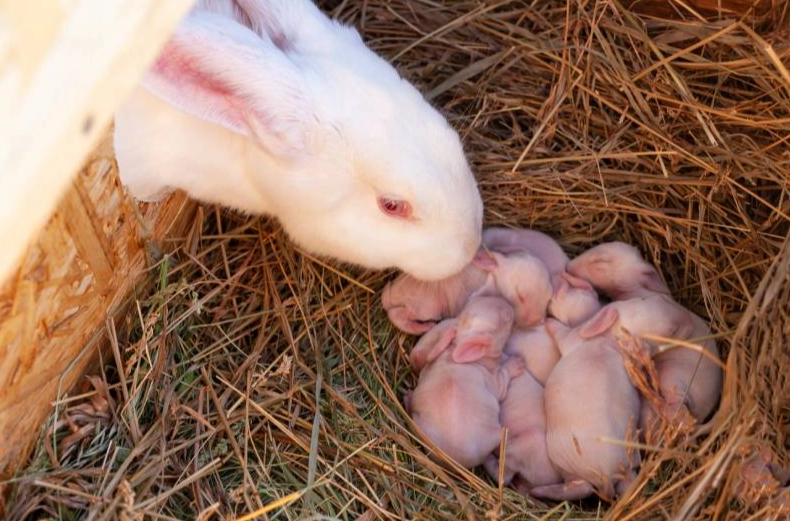
- The Kits' Growth: After the first 24-48 hours, you should see visible growth. Their skin will become less translucent, and they'll develop plump, round bellies after feeding. Quiet, sleepy kits are usually well-fed kits.
- Milk Production: You can gently palpate her mammary glands (along her belly). They should feel firm and full, not hard or lumpy (which indicates mastitis).
- Droppings: Her cecotropes (the soft, clustered droppings she normally eats) might be more numerous. This is fine as long as she's consuming them. Her regular fecal pellets should be firm, round, and abundant.
If she's leaving food, seems lethargic, or the kits are constantly crying and searching, she may not be eating enough, or there could be an underlying issue like mastitis. Consult a rabbit-savvy vet immediately.
Your Nursing Doe Diet Questions Answered
 When do I switch back to a normal adult diet?
Comment