You’ve found a nest of baby rabbits, and the mother is nowhere in sight. Panic sets in. What do you do? What can they possibly eat? I’ve been in that exact spot, heart racing, holding a tiny, fragile bunny that felt lighter than a feather. The internet is full of conflicting, often dangerously wrong advice. Let’s cut through the noise. Feeding an orphaned baby rabbit isn't about guesswork; it's a precise, time-sensitive protocol. Get it wrong, and the consequences are swift and tragic. Get it right, and you’re giving a life a fighting chance.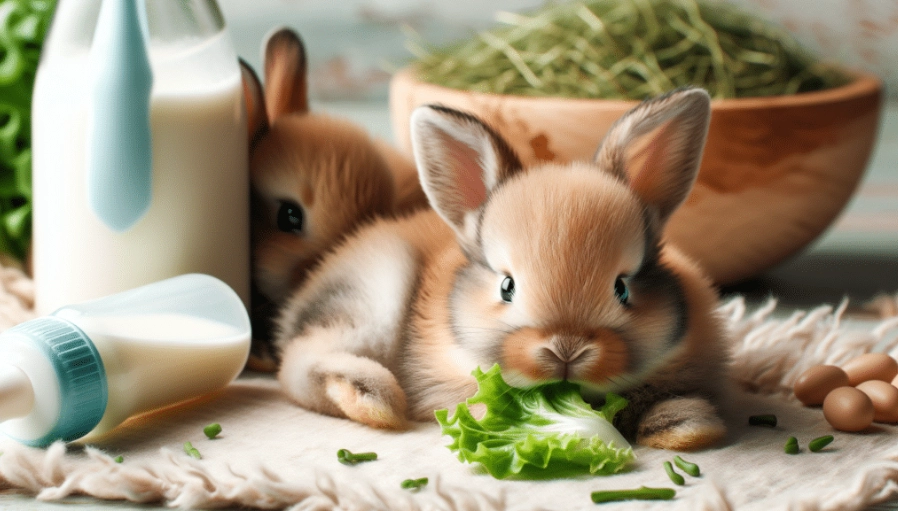
Your Quick Action Guide
Step 1: Confirm They Are Actually Orphaned
Before you scoop them up, stop. Mother rabbits only visit their nests for about 5 minutes twice a day—at dawn and dusk—to nurse. This is a survival tactic to avoid leading predators to the nest. So, an empty nest does NOT mean abandoned babies.
If intervention is necessary, your first job is warming, not feeding. A cold baby rabbit (below body temperature) cannot digest food. Wrap a heating pad on low setting in a towel, placing it under *half* the container so the bunny can move away if too warm.
The Right Formula: What Goes In The Syringe
This is where most well-intentioned efforts fail. Cow’s milk, goat’s milk, human infant formula, or cat milk replacer (KMR) are terrible choices. Rabbit milk is among the richest of all mammals, with very high fat and protein and low sugar. Using the wrong formula causes fatal digestive upset like bloat and diarrhea.
Your Best Formula Options, Ranked
Here’s what you should be looking for, in order of preference.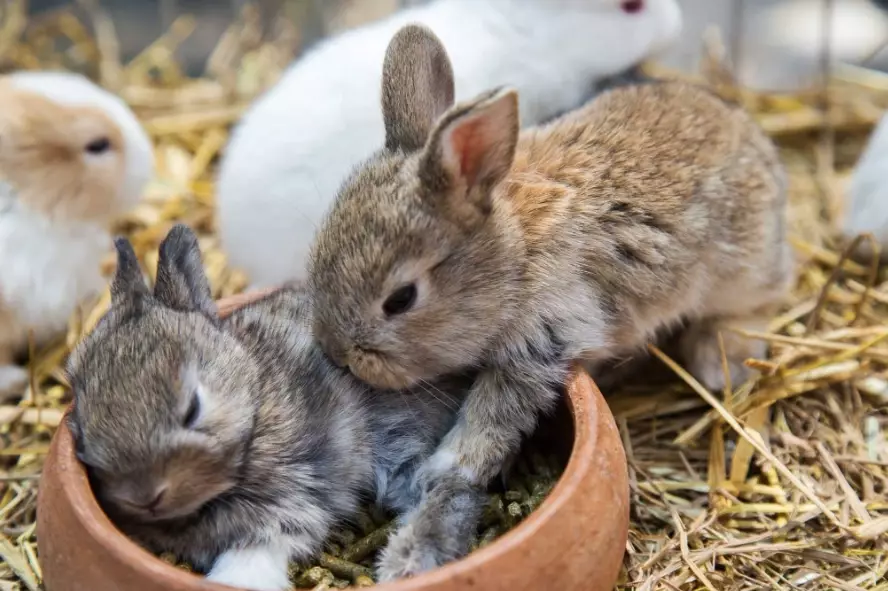
| Formula Type | Specific Product / Recipe | Why It Works | Critical Note |
|---|---|---|---|
| Commercial Rabbit Milk Replacer | Kitten Milk Replacer (KMR) Powder plus Multi-Vitamin & Probiotic Supplement | KMR is the closest widely available base. Adding a probiotic (like Bene-Bac) and a vitamin complex mimics the nutrient profile and gut-boosting properties of rabbit milk. | This is the gold standard for rehabbers. Never use KMR straight from the can for rabbits; it must be fortified. |
| Emergency Homemade Formula | Goat's Milk, Plain Yogurt, & Heavy Cream | A short-term (24-48 hour) solution. Goat's milk is more digestible than cow's, yogurt adds probiotics, cream boosts fat. | Mix: 1/2 cup goat milk, 1 tbsp plain yogurt (with live cultures), 1 tbsp heavy whipping cream. Warm gently. Use only until you get proper supplies. |
| Veterinary-Recommended Brand | Fox Valley Animal Nutrition's "Day One" Formula (32/40 for Rabbits) | Specifically formulated for lagomorphs. Used by many wildlife centers. The most biologically accurate option. | You often need to order it online. Plan ahead if you care for wildlife regularly. |
How to Feed: Technique Is Everything
You have the right formula. Now, the delivery method can be just as deadly. Never, ever feed a baby rabbit on its back like a human baby. This almost guarantees aspiration (fluid entering the lungs).
The Correct Position: Keep the bunny upright or at a slight, natural incline, with all four feet pointing downward. Wrap it snugly in a small towel to prevent squirming. Use a 1ml oral syringe (no needle!) or a specially designed pet nursing bottle with a very small nipple.
The Process: Place a drop of formula on the syringe tip and touch it to the side of the mouth. Let the baby lick and suckle. Do not squeeze the syringe plunger forcefully. Let them draw the formula at their own pace. If they resist, wait a minute and try again. A feeding should take 5-10 minutes. After feeding, gently wipe the face clean with a damp cloth.
The Feeding Schedule: A Hour-by-Hour Map
Consistency is non-negotiable. A newborn rabbit's stomach is tiny and empties quickly. Here’s the schedule that matches their natural nursing rhythm.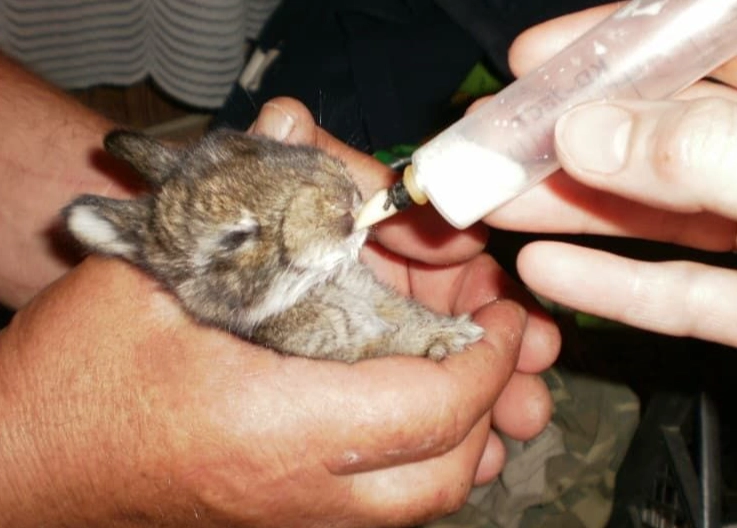
| Age (Eyes) | Feeding Frequency | Amount per Feeding | Key Milestone |
|---|---|---|---|
| Newborn - 1 week (Eyes closed) | Every 3-4 hours, including overnight | 2.5-5 ml | Stimulation to urinate/defecate is REQUIRED before & after each feed using a warm, damp cotton ball. |
| 1-2 weeks (Eyes opening) | Every 4-5 hours, one longer stretch at night | 5-7 ml | They may start eliminating on their own. Continue stimulation until you're sure. |
| 2-3 weeks (Eyes open, furred) | Every 6 hours (4x/day) | 7-13 ml | Begin introducing solids (see next section). |
| 3-6 weeks (Exploring) | Every 8 hours (3x/day), then twice daily | 13-15 ml, then decreasing | Primary nutrition shifts to hay & greens. Wean off formula by 6-8 weeks. |
Yes, the overnight feeds are brutal. I’ve set more 3 a.m. alarms than I care to remember. But skipping them leads to hypoglycemia and a rapid decline. It’s a short-term marathon for a long-term gain.
The Weaning Transition: Introducing Solids
Around 2-3 weeks old, their curiosity peaks. This is when you start the weaning process, which is gradual.
- Week 2-3: Place a small handful of high-quality grass hay (Timothy or Orchard) and a few pellets of plain, alfalfa-based young rabbit food in their enclosure. They’ll nibble and play.
- Week 3-4: Introduce a single, safe green leaf. A piece of romaine lettuce or an oat leaf is good. Watch for any soft stools and remove if it occurs.
- Week 4-6: Gradually increase the variety of greens (cilantro, carrot tops, dandelion greens) and the amount of hay. You’ll notice they drink less formula voluntarily.
- Week 6-8: Formula feeds can usually stop completely once they are consistently eating hay, greens, and pellets, and maintaining weight.
Top 5 Feeding Mistakes That Can Kill a Baby Rabbit
After raising dozens of orphans, I see the same errors repeated. Avoid these at all costs.
1. Using an Eye Dropper. The flow is impossible to control. It floods their mouth, leading to aspiration pneumonia. A 1ml syringe gives you precision.
2. Overfeeding. The urge to give "just a little more" is strong. A distended, tight stomach is a medical emergency. Stick to the schedule amounts.
3. Feeding When Cold. I’ve said it before: warmth first. Food in a cold gut just sits and ferments, causing fatal bloat.
4. Ignoring Stimulation. For the first two weeks, they cannot urinate or defecate on their own. Failure to stimulate them after feeding leads to a toxic buildup and death within days.
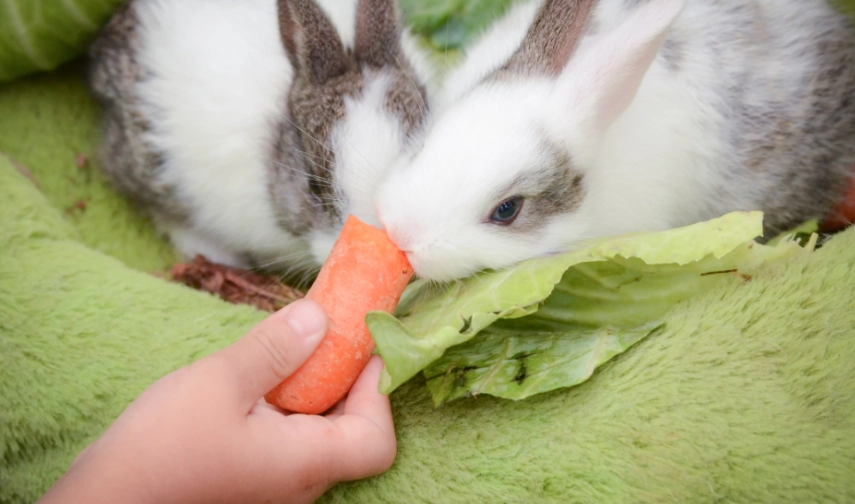
5. Introducing Fruits or Carrots Too Early. Sugar is the enemy of a developing rabbit gut. Fruits and starchy veggies like carrots should not be introduced until adulthood (6+ months).
Your Urgent Questions Answered
 How do I know if I'm feeding enough or too much?
Raising an orphaned baby rabbit is one of the most demanding but rewarding experiences. It requires precision, patience, and a willingness to put their needs on a strict schedule. You’re not just feeding them; you’re manually replicating the intricate care of a rabbit mother. Start with the right formula, follow the clock, and let their weight be your guide. When in doubt, the best course of action is always to contact a licensed wildlife rehabilitator or an exotic veterinarian. They have the expertise and resources to give these fragile lives the best possible chance.
Comment