Three weeks old. This is the single most fragile and confusing stage in a baby rabbit's life, and figuring out what to feed them keeps many new owners up at night. I've raised countless litters over the years, and this is where most well-intentioned mistakes happen. The internet is full of oversimplified advice like "just give them alfalfa," but that's a recipe for disaster if you don't understand the bigger picture. Your three-week-old bunny is a transitional being—part milk-dependent infant, part curious herbivore. Getting their diet wrong now can lead to fatal digestive stasis or failure to thrive. Let's cut through the noise and get into the exact, actionable steps to feed your 3-week-old rabbit correctly, whether they're with their mom or orphaned.
Quick Navigation: Your 3-Week-Old Feeding Roadmap
Understanding the 3-Week Milestone: Not a Baby, Not an Adult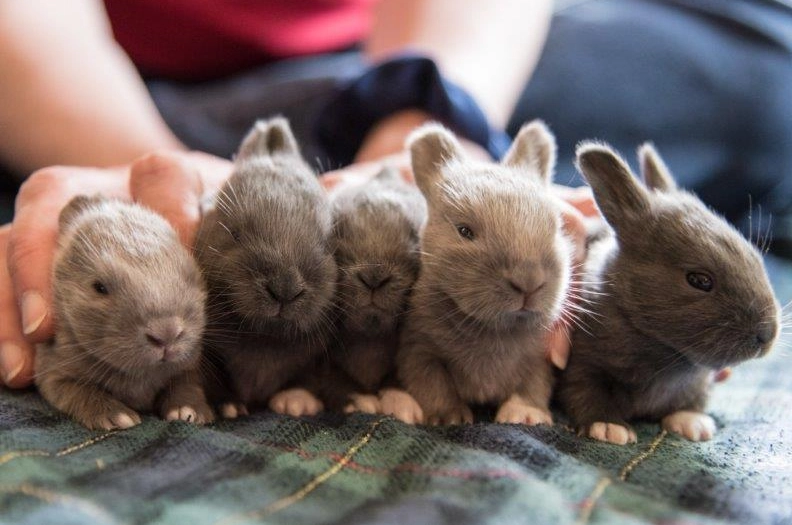
At three weeks, baby rabbits (called kits) undergo a massive biological shift. Their eyes have been open for a week, they're starting to wobble around the nest, and crucially, they are beginning to nibble on their mother's food and droppings. This is the start of weaning. It's a gradual process that typically lasts until 6-8 weeks of age, not an overnight switch.
Here's the non-consensus part everyone misses: the primary goal at week 3 isn't to replace milk with solids. It's to introduce the gut bacteria necessary to digest fiber. How do they get this? By eating the mother's cecotropes (special nutrient-rich droppings). If the kits are orphaned, you miss this vital microbial inoculation, which is why their transition to solids is even trickier and requires more careful management.
Their digestive system is still immature. Introducing the wrong foods, or too much too soon, can cause a deadly imbalance. Think of their gut like a brand-new, delicate engine that's only ever run on premium fuel (milk). We're now adding a new type of fuel (fiber) very slowly so the engine learns to process it.
Key Takeaway: Week 3 is about introduction and exploration, not nutrition replacement. Milk (from mom or formula) remains their primary source of nutrition and hydration. The solids they nibble are for education—teaching their gut and their brain what "rabbit food" is.
The Weaning Diet: What Foods to Offer (And What to Ban)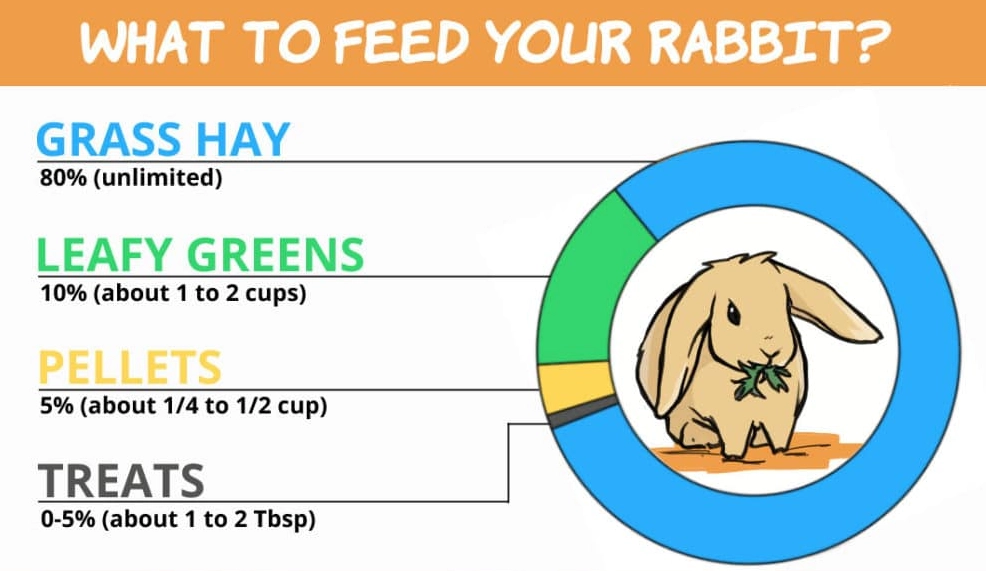
Let's get specific. What should actually be in the nest box or enclosure for a 3-week-old to find and taste? This list is in order of priority.
Hay: The Non-Negotiable Foundation
Unlimited, fresh hay must be available 24/7. This is the most important item.
- First Choice: High-Quality Grass Hay (Timothy, Orchard, Meadow): I strongly recommend starting with a grass hay over alfalfa for kits with a mother. Why? It's lower in protein and calcium, which is gentler on their developing kidneys and helps establish a preference for the hay they'll eat for life. Alfalfa can be too rich as a first food and lead to mushy cecotropes.
- Alfalfa Hay: For orphaned kits or underweight kits, alfalfa is excellent because it's higher in calories, protein, and calcium. You can offer a mix—mostly grass hay with a handful of alfalfa. The common advice of "only alfalfa for babies" is outdated and can make the switch to adult hay at 6 months much harder.
Make sure the hay is sweet-smelling, greenish, and not dusty. Place a big pile right in their living area.
Pellets: Quality Over Quantity
Pellets are a concentrated food source. At three weeks, they should only be a tiny supplement.
- Type: Use a plain, high-fiber (18%+), timothy-based juvenile or adult pellet. Avoid colorful mixes with seeds, corn, or dried fruit—these are junk food that can cause picky eating and digestive issues.
- Amount: For a litter of 4-6 kits with a mother, start with about 1/8 cup per day scattered in the hay. The goal is for them to find a few pellets while foraging, not to have a bowlful. Orphaned kits might get a slightly larger allowance (see schedule below).
Fresh Greens: Introduce With Extreme Care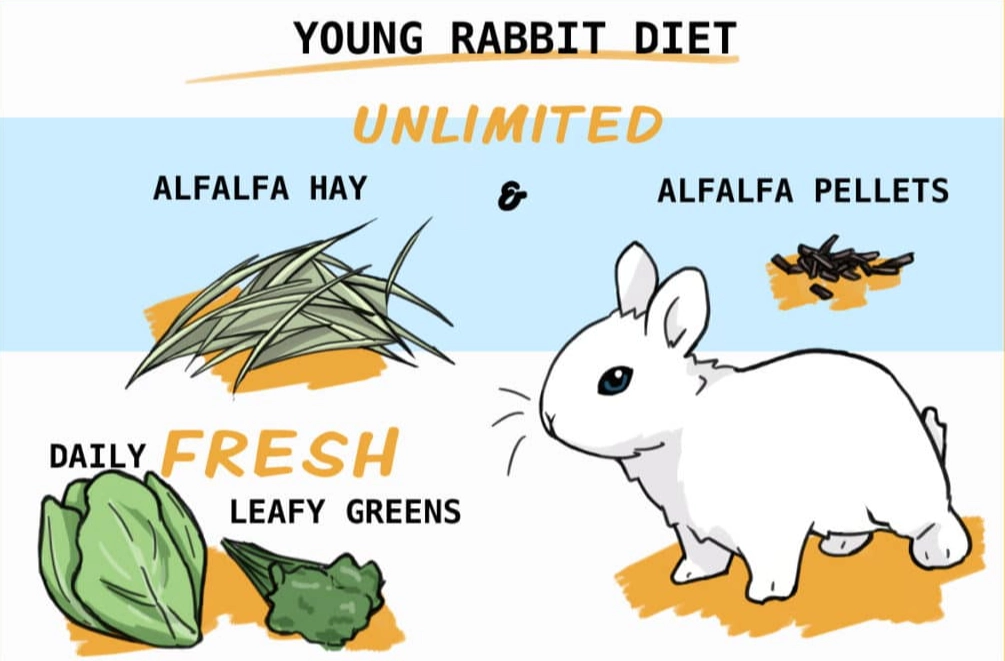
This is the most controversial area. Many sources say "no veggies until 12 weeks." I find that overly cautious and not reflective of natural behavior (wild kits would sample greens in the nest). The key is micro-dosing.
At three weeks, you can introduce one single type of mild green, once every two or three days. Wash it thoroughly.
- Best Starter Green: A single sprig of cilantro (coriander) or a small leaf of romaine lettuce (not iceberg).
- Method: Offer one small piece to the entire litter. Watch for 24 hours. If no soft stools (diarrhea), you can offer it again in a couple days. This isn't for nutrition; it's to expose their gut to diverse microbiota in a controlled way.
Banned List for 3-Week-Olds: Fruits, carrots, broccoli, cauliflower, kale, spinach, cabbage, any human treats (bread, crackers, cereal), yogurt drops. Their systems cannot handle the sugars, starches, or complex gases these produce.
How to Feed Orphaned 3-Week-Old Bunnies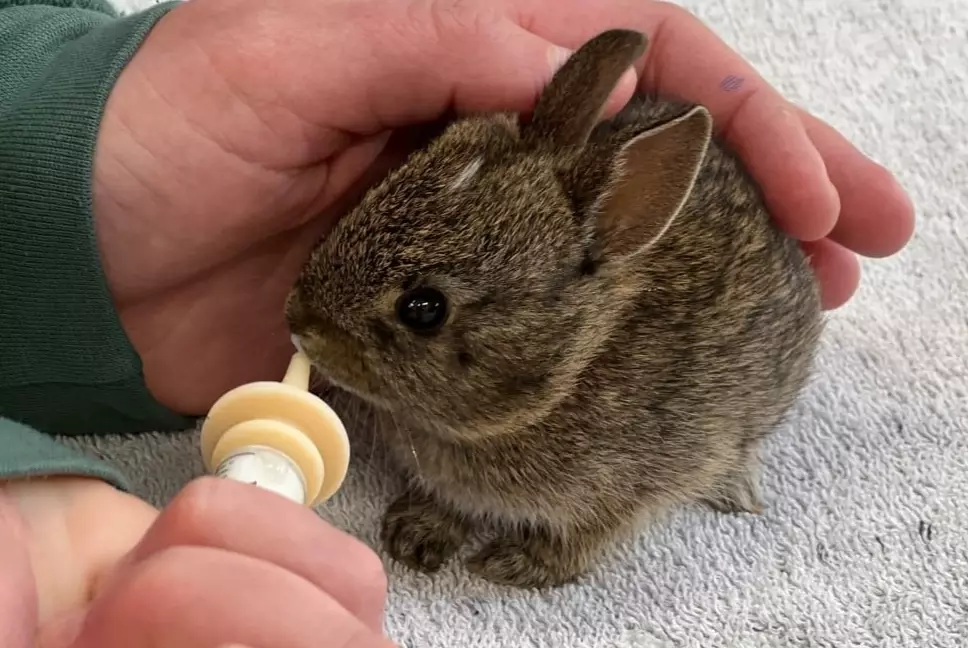
If you're hand-rearing, the stakes are higher. You are their sole source of nutrition and the "mother" providing cecotropes. Here’s the drill.
Formula: Use a dedicated kitten milk replacer (KMR) or specifically formulated goat's milk. Never use cow's milk. I've had the best success with a 50/50 mix of KMR and goat's milk for better digestibility. Powdered is best; mix fresh for each feeding.
Feeding Tools: A 1cc or 3cc oral syringe (no needle) or a pet nursing bottle with a very small nipple. The syringe allows better control. Never feed them on their backs like a human baby. Keep them upright, head level, and let them suckle at their own pace. Force-feeding can cause aspiration pneumonia, which is often fatal.
The Cecotrope Problem: Since they have no mother to provide the essential gut bacteria, some rehabilitators use a tiny bit of a healthy adult rabbit's fresh cecotrope dissolved in warm water and administered orally once a day. If you don't have access to this, a high-quality probiotic made for rabbits (like Bene-Bac Plus) is non-negotiable. Add a small pinch to their formula once daily.
Sample Feeding Schedule and Quantities
Consistency is your friend. Here’s a practical table to visualize a day in the life of a 3-week-old bunny's diet. Adjust amounts based on individual size and appetite—let the kit be your guide, not a rigid number.
| Time | Food Item | Quantity (Per Kit) | Notes for Orphaned Kits | Notes for Kits with Mom |
|---|---|---|---|---|
| 6:00 AM | Formula (Orphaned only) | 10-15 ml | Warm to skin temp. Feed slowly. | Mom feeds them. |
| All Day | Fresh Grass Hay (Timothy/Orchard) | Unlimited | Pile it high in their enclosure. | Ensure mom has access too. |
| 12:00 PM | Formula (Orphaned only) | 10-15 ml | Post-feeding, stimulate to urinate/defecate*. | N/A |
| Evening (6 PM) | Pellets | ~5-10 pellets | Scatter in hay to encourage foraging. | Offer 1/8 cup for litter to share. |
| 9:00 PM | Formula (Orphaned only) | 10-15 ml | Last feeding of the day. Critical for overnight. | Mom's last nursing session. |
| 2-3x per Week | Starter Green (e.g., Cilantro) | One small leaf to share | Introduce only if stools are firm. | Same cautious introduction. |
*Stimulation: Orphaned kits under 3 weeks need genital stimulation with a warm, damp cotton ball to go to the bathroom. By 3 weeks, they usually start going on their own, but watch closely. If they seem bloated or aren't producing waste, gentle stimulation may still be needed.
Top Mistakes to Avoid During Weaning
I've seen these errors time and again, often with sad outcomes.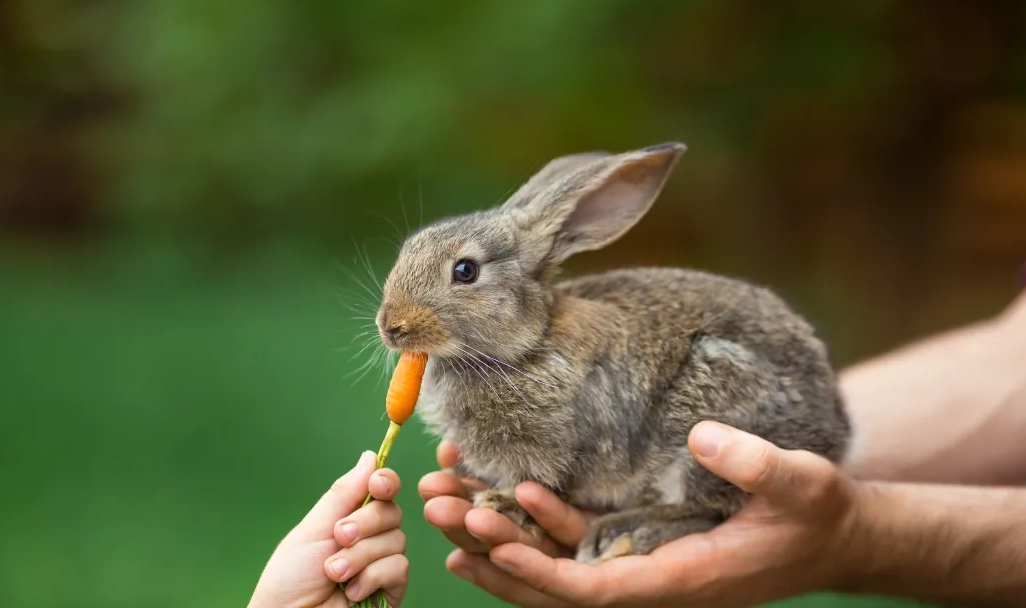
Mistake 1: Cutting Off Milk Too Early. Because they're nibbling hay, people think they're weaned. At three weeks, milk is still 80-90% of their diet. Orphaned kits need formula until at least 6-8 weeks, tapering down very slowly as solid intake increases. Sudden removal causes a calorie crash.
Mistake 2: Offering a Bowl of Pellets. This teaches them to ignore hay, the cornerstone of rabbit health. It leads to obesity, dental disease, and a picky eater who'll refuse hay later. Scatter pellets in hay.
Mistake 3: Introducing Multiple New Foods at Once. If diarrhea strikes, you won't know the culprit. One new item every 3-4 days, in tiny amounts.
Mistake 4: Using a Bowl for Water. At three weeks, they should be learning to drink from a sipper bottle. Bowls get contaminated with food and bedding easily, and kits can drown or get chilled. Hang a small, easy-to-use water bottle low to the ground.
Monitoring Health and Next Steps (Weeks 4-6)
Your job is part chef, part detective. Monitor their output closely.
- Healthy Droppings: Should be small, round, and firm. You may also see softer, clustered cecotropes—these are normal and should be eaten by the rabbit (this is crucial). If you see uneaten cecotropes smeared around, the diet is too rich (cut back on pellets/alfalfa).
- Warning Signs: Diarrhea (watery stool), no droppings for 12 hours, bloated/hard belly, lethargy, refusing formula. These are emergencies requiring an exotic vet immediately.
As they approach 4-5 weeks, you'll see them drink more water, eat more hay and pellets voluntarily, and nurse less. For orphaned kits, you can start very gradually reducing the midday formula feeding by a few milliliters if they are enthusiastically eating hay and pellets. The weaning process is a slow taper, not a cliff.
Expert FAQs on Feeding 3-Week-Olds
Comment