You’ve found a nest of baby rabbits, or maybe a single kit, and the mother is nowhere in sight. Your heart sinks, then races. The first question that hits you is, “What on earth do I feed this tiny thing?” And more importantly, what should you never feed it? This guide isn’t just a list of do’s and don’ts. It’s the roadmap I wish I had years ago when I first fumbled through caring for an orphaned wild cottontail. We’ll cut through the myths, go straight to the safe, actionable steps, and talk about the critical mistakes that can cost a kit its life.
First, a crucial step: confirm the rabbit is truly orphaned. Mother rabbits only nurse their young for about 5 minutes at dawn and dusk to avoid attracting predators. If the kits are plump, warm, and nestled in a fur-lined nest, mom is likely just away. Interfering too soon is a common error. If the babies are cold, weak, dehydrated (skin stays tented when gently pinched), or the nest has been destroyed for over 24 hours, then intervention is needed. This article assumes you’re in that emergency care scenario.
What You’ll Find in This Guide
The Golden Rule: Do Not Feed This to a Newborn Rabbit
Let’s start with the “without” part, because getting this wrong can cause immediate harm. A newborn rabbit’s digestive system is incredibly delicate and designed specifically for its mother’s milk.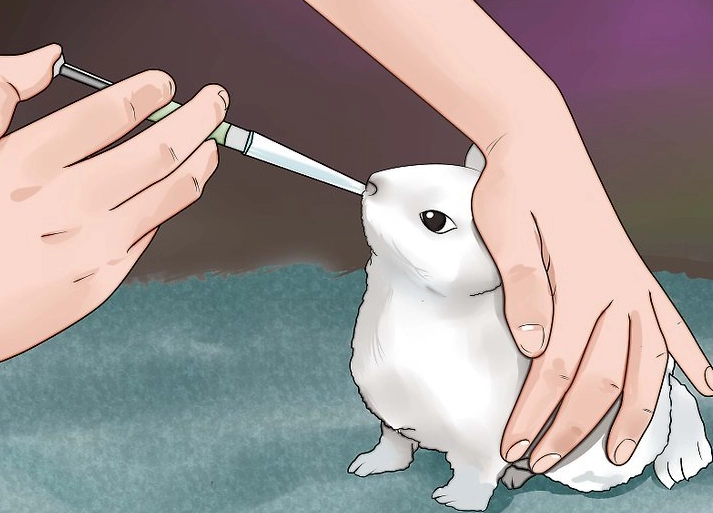
- Cow’s milk, goat’s milk, or human infant formula: These are completely different in protein, sugar, and fat composition. They cause severe digestive upset, bloating, and life-threatening diarrhea.
- Any solid food: This includes lettuce, carrots, grass, or pellets. Kits cannot digest solids until their eyes open (around 10-14 days old). Introducing solids early disrupts crucial gut bacteria development.
- Water or Pedialyte from a dish: Newborns can easily aspirate (inhale) liquids. They should only receive fluids from a proper feeding syringe or nipple.
- Sugar water or honey water: This is an old wives’ tale. The sugar rush can be harmful, and it provides no lasting nutrition.
I’ve seen well-meaning people rush to give a cold kit cow’s milk to “warm it up,” only to find it dead a few hours later from digestive shock. The intention is good, but the biology is all wrong.
The Right Formula: What You Actually Need to Feed Them
So, what’s left? You need a milk replacer that mimics the nutritional profile of rabbit milk, which is exceptionally high in protein and fat. Your best—and often only—commercially available option is Kitten Milk Replacer (KMR) by PetAg. Goat’s milk formula is a distant second and not ideal. Esbilac Puppy Milk Replacer can be used in a pinch but is not optimal.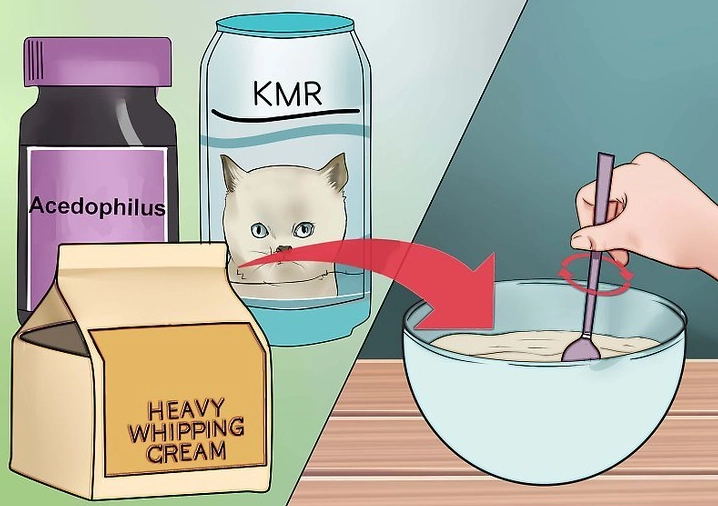
Here’s the non-negotiable protocol:
- Primary Choice: Kitten Milk Replacer (KMR) powder, mixed with water according to label instructions for kittens.
- Critical Additive: For every 3 parts of mixed KMR formula, add 1 part heavy whipping cream (not half-and-half). This boosts the fat content to better match rabbit milk. This tip is straight from wildlife rehabilitator manuals and is often missed by first-time rescuers.
- Mixing: Prepare fresh for each feeding. Warm it to body temperature (about 100-102°F or 38-39°C) by placing the feeding syringe in a cup of warm water. Test a drop on your wrist—it should feel barely warm.
Feeding Equipment: Skip the Dropper
Another subtle mistake: using an eyedropper or a standard pet bottle. The flow is too hard to control. You need a 1-3cc oral syringe (no needle!) or a specially designed pet nursing bottle with a very small nipple. The House Rabbit Society and rehabilitators like those at the Ontario Wildlife Rescue Association emphasize syringe feeding for precise control. It allows you to go drop-by-drop, mimicking the slow, natural nursing process.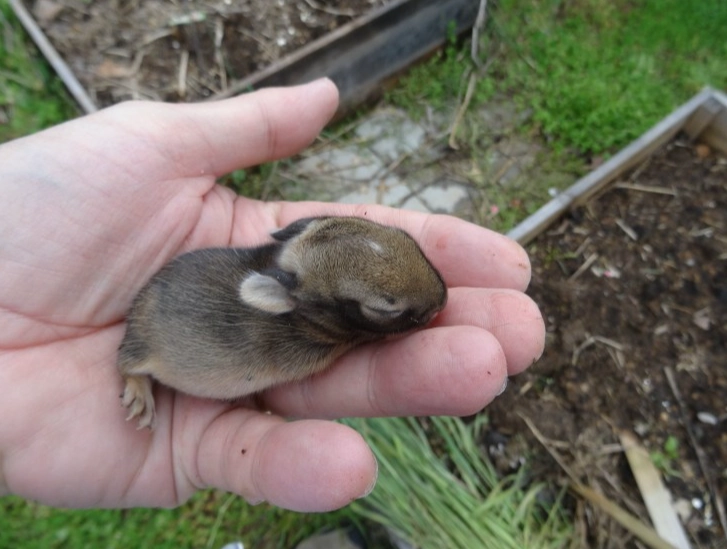
How to Feed a Newborn Rabbit: The Step-by-Step Process
Feeding isn’t just about the substance; it’s about the technique. A rushed or forceful feeding is a death sentence via aspiration pneumonia.
Step 1: Warm the Kit. A cold rabbit cannot digest food. If the kit feels cool, place it on a heating pad set on LOW wrapped in a towel, or against a warm (not hot) water bottle. Give it 20-30 minutes to warm up fully before attempting to feed.
Step 2: The Feeding Position. Never feed a rabbit on its back like a human baby. Always keep it upright or in a natural, slightly hunched position. I usually wrap it gently in a small cloth, leaving its head free.
Step 3: The Actual Feeding. Place the syringe tip at the side of the mouth, just behind the front teeth. Gently squeeze out a single drop. Let the kit lick and swallow it. Wait. Offer another drop. Patience is everything. A newborn (eyes closed) may only take 2-3 cc per feeding. An older kit (eyes open) might take 5-7 cc.
Step 4: Stimulate to Urinate and Defecate. This is a step most people don’t know about and is absolutely vital. Mother rabbits lick their kits’ genital areas to stimulate elimination. After each feeding, take a cotton ball or soft cloth moistened with warm water and gently stroke the anal and genital area until urine is passed. You may not see feces every time. Do this until the kit is about 2 weeks old.
Feeding Schedule: It’s Exhausting, But Necessary
Newborns need to eat frequently. Here’s a rough guide:
- Eyes Closed (0-10 days): Feed every 3-4 hours, including overnight. Yes, you’ll need to set alarms.
- Eyes Open (10-21 days): Feed every 5-6 hours. You can drop the overnight feed once they’re over two weeks and thriving.
- Weaning Age (3-6 weeks): This is a gradual process. Start introducing timothy hay and high-quality alfalfa-based pellets around 3 weeks while still offering formula. They’ll naturally drink less as they eat more solids.
Beyond the Bottle: Habitat, Warmth, and Stimulation
Feeding is only 40% of the battle. The environment is the other 60%.
Housing: Use a small cardboard box or plastic bin lined with thick, soft fleece or towels. Avoid terrycloth loops that can catch tiny toes. Place the heating pad under ONLY HALF of the container. This creates a thermal gradient so the kit can move away if it gets too warm.
Companionship: If you have more than one kit, keep them together. They huddle for warmth and comfort.
The Release Question: If these are wild cottontails, your goal is not to make them pets. They are high-stress, prey animals. Once fully weaned and independent (around 5-6 weeks), they must be released in a safe area near where they were found. The best practice is to contact a licensed wildlife rehabilitator immediately. They have the expertise and facilities for a successful release. Search for your local rehabber via networks like The Humane Society’s directory.
Your Urgent Questions Answered
I don’t have KMR and the stores are closed. What’s an absolute emergency short-term solution?
Mix one part plain, full-fat, unsweetened yogurt (with active cultures) with two parts warm water to create a thin, liquid consistency. This can be used for one, maybe two feedings in a dire emergency. The probiotics in the yogurt are easier on the gut than cow’s milk, but it’s still nutritionally inadequate. Get proper KMR at the first opportunity. Do not use this as a long-term plan.
The kit seems constipated or hasn’t pooped after I stimulated it. What do I do?
First, ensure you’re stimulating for a full minute with a warm, wet cotton ball. If there’s still no result, the formula might be too thick. Try diluting the next feeding very slightly with extra warm water. A tiny drop of pure, unsweetened canned pumpkin (not pie filling) on the syringe tip can sometimes help. If the abdomen becomes hard and bloated, this is an emergency requiring a vet or rehabber immediately.
 Can I use puppy formula instead of kitten formula?
You can in an emergency, but it’s not ideal. Puppy milk replacer (like Esbilac) is higher in carbohydrates and lower in protein than what rabbits need. If you must use it, the addition of heavy whipping cream is even more critical. Switch to KMR as soon as you can. The protein difference matters for their rapid growth.
How do I know if I’m overfeeding or underfeeding?
A well-fed kit will have a slightly rounded, but not taut or hard, belly after a meal. It will then sleep contentedly. Underfed kits are constantly restless, may make faint clicking sounds, and have wrinkled, loose skin. Overfeeding leads to a distended, tight belly, milk coming out of the nose (aspiration risk!), and potentially fatal diarrhea. When in doubt, err on the side of slightly less. Their stomachs are tiny.
The kit is wiggling too much to feed. How do I hold it safely?
Swaddle it. Use a small, soft cloth to gently wrap its body, forming a “bunny burrito” with just its head sticking out. This provides security and prevents it from squirming away or injuring itself. Keep a firm but gentle hold behind its head to guide the syringe.
Caring for an orphaned newborn rabbit is a massive commitment that blurs day and night. It’s emotionally taxing and the odds can be tough, even when you do everything right. Their immune systems are fragile. The single most impactful thing you can do, after stabilizing the kit with warmth and its first correct feeding, is to locate a professional wildlife rehabilitator. They are the true experts. This guide gives you the critical knowledge to bridge that gap—to know what to feed a newborn rabbit without causing harm, and what to absolutely avoid—giving that vulnerable little life its best possible chance.
Comment