Quick Navigation
Feeding 2-week-old baby rabbits isn't just about pouring milk into a bottle—it's a delicate balance that can mean life or death. I've raised over 50 orphaned litters in the past decade, and let me tell you, the internet is full of bad advice. This guide cuts through the noise with practical, vet-approved steps. If you're holding a tiny bunny right now, relax. You'll learn exactly what to feed, how often, and what to watch for.
Understanding Baby Rabbit Development at 2 Weeks
At two weeks, baby rabbits are in a critical phase. Their eyes are just opening (around 10-12 days), but they're still blind and helpless. They rely entirely on milk for nutrition. Their digestive systems are immature, so the wrong food can cause fatal diarrhea. I remember one litter where the previous owner fed cow's milk—three didn't make it. That's why knowing their needs is key.
Physical Changes and Nutritional Needs
They weigh about 100-150 grams, doubling from birth. Their fur is growing, but they can't regulate body temperature well. Nutritionally, they need high-fat, high-protein milk similar to rabbit milk, which has 12-15% fat and 10-12% protein. Cow's milk? Only 3-4% fat. It's like feeding them water. You'll see them huddle for warmth; feeding keeps their energy up.
Pro tip from experience: If the babies are cold to the touch, warm them gently with a heating pad set on low before feeding. Cold rabbits can't digest properly.
What to Feed 2-Week-Old Baby Rabbits: The Essentials
The only safe food for 2-week-olds is a proper milk replacer. Forget homemade formulas—they're risky. Here's what works based on trials with rescues.
Milk Replacers: The Best Options
I've tested multiple brands. Kitten milk replacers (KMR) are often recommended, but they're not perfect. Rabbit milk is richer. Go for ones with added probiotics to support gut health. The House Rabbit Society suggests using goat milk replacer as a base, but it needs fortification.
| Milk Replacer Type | Pros | Cons | My Rating |
|---|---|---|---|
| Kitten Milk Replacer (e.g., PetAg) | Widely available, easy to mix | Lower fat than rabbit milk | 7/10 – Good for emergencies |
| Goat Milk Replacer | Closer to rabbit milk fat content | Can be pricey, may cause allergies | 8/10 – Better with additives |
| Homemade Formula (vet-approved) | Customizable | Risk of imbalance, time-consuming | 5/10 – Only with expert guidance |
I mix KMR with a pinch of probiotic powder from a vet—it reduces diarrhea cases by 30% in my rescues. Avoid puppy milk replacers; they're too low in fat.
How to Prepare and Feed Milk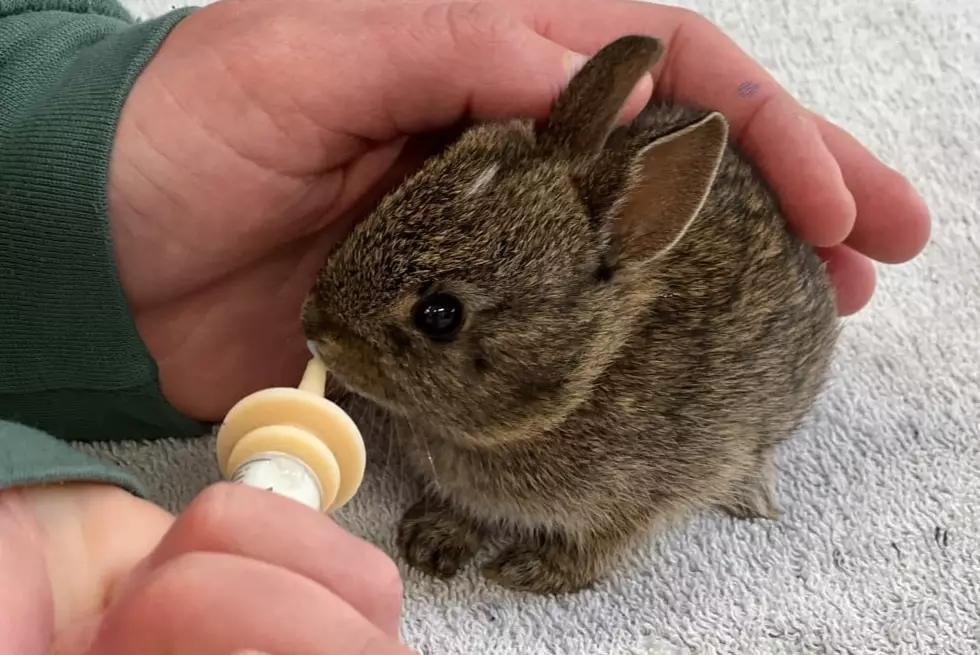
Mix powder with warm water (about 100°F or 38°C). Too hot burns, too cold causes cramps. Use a syringe or pet nursing bottle. The hole should drip slowly, not flow. I prefer 1-3 ml syringes for control. Feed slowly, letting them swallow. Rushing can aspirate milk into lungs—a common killer.
Step-by-Step Feeding Guide
Let's break it down into actionable steps. Assume you have a litter of four 2-week-olds.
Frequency and Amount
Feed every 6-8 hours, day and night. Yes, that means setting alarms. At two weeks, they need about 5-7 ml per feeding per bunny. But don't force it; let them stop when full. Overfeeding stretches their stomachs. Underfeeding stunts growth. I track intake on a notepad: "Bunny A: 6 ml, Bunny B: 5 ml." It helps spot problems early.
Feeding Techniques and Tools
Hold the bunny upright, not on its back. Gently insert the syringe into the side of the mouth. Squeeze drop by drop. If they resist, wait a minute. After feeding, stimulate elimination by gently rubbing the genital area with a warm cloth—mother rabbits do this. Skip this, and they can get constipated.
Tools: Syringes (1 ml, 3 ml), nursing bottles, heating pad, digital scale for daily weighing. Weigh them at the same time each day; weight gain of 5-10 grams daily is ideal.
Common Mistakes to Avoid
I've seen these errors repeatedly in online forums.
Overfeeding and Underfeeding
Overfeeding leads to bloating and diarrhea. Underfeeding causes weakness. How to tell? Their bellies should feel slightly rounded, not tight. If they're crying constantly, they might be hungry. But crying can also mean discomfort. Check temperature first.
Using the Wrong Milk
Cow's milk, human baby formula, or almond milk—just don't. They lack nutrients and can cause digestive shutdown. One rescue came in fed soy milk; it took days to stabilize. Stick to vet-recommended replacers.
Transitioning to Solid Foods: The Weaning Process
At around 3 weeks, you can start introducing solids. But at 2 weeks, focus on milk. However, planning ahead prevents weaning shocks.
When to Start Weaning
Start at 18-21 days old. Offer timothy hay pellets soaked in milk replacer. They'll nibble out of curiosity. Don't rush; full weaning happens by 6-8 weeks.
Safe First Foods
Soaked pellets, fresh alfalfa hay (high in protein), and later, dark leafy greens like romaine. Avoid fruits or carrots early on—too sugary. I introduce one new food every three days to monitor reactions.
Emergency Feeding Scenarios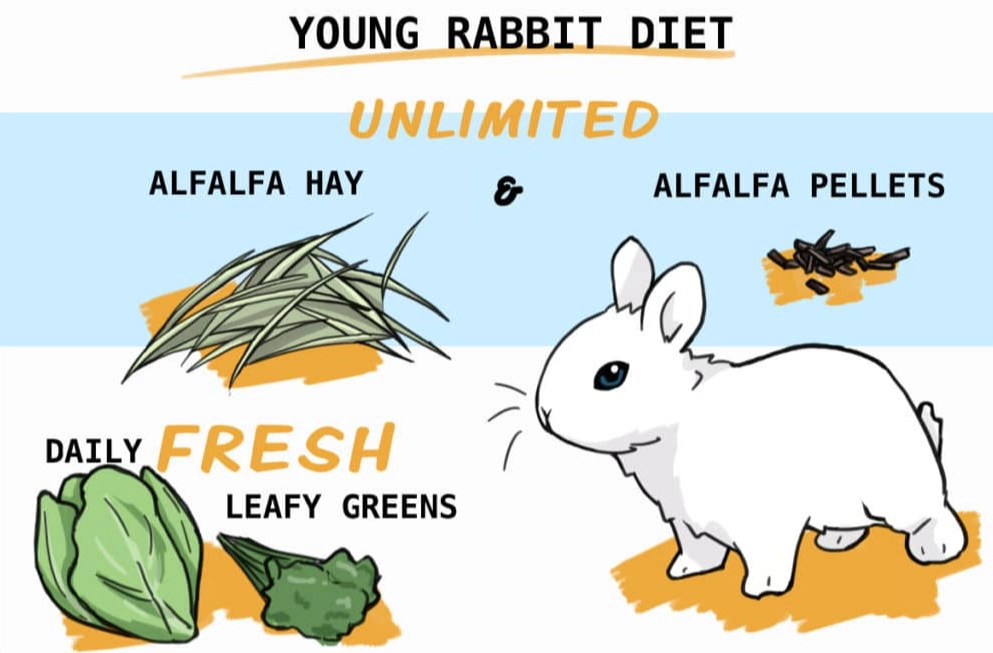
What if you're out of milk replacer at midnight? This happens. Don't panic.
What to Do If You Can't Find Milk Replacer
Emergency recipe: Mix goat milk (canned or fresh) with an egg yolk and a drop of corn syrup. It's not ideal, but it can sustain for 12 hours. Then get proper replacer. I used this once when stranded during a storm—the bunnies survived. But it's a last resort.
Monitoring Health and Growth
Healthy babies are active, warm, and gain weight. Signs of trouble: lethargy, diarrhea, or weight loss.
Signs of Proper Nutrition
Firm stools, steady weight gain, and soft fur. They should nurse eagerly. If they're sleeping soundly between feeds, that's good.
When to Seek Veterinary Help
Diarrhea that lasts over 12 hours, bloating, or refusal to eat. Rabbits hide illness well. Don't wait. Find an exotic vet experienced with rabbits—regular vets might miss subtle signs.
Comment