Finding a nest of baby rabbits without a mother is a heart-stopping moment. Your first instinct is to help, and your first question is almost always: what on earth do I feed them? The short answer is: you need to mimic rabbit milk as closely as possible, and you need to do it correctly. Rabbit kits are incredibly fragile, and a single feeding mistake can be fatal. This guide cuts through the panic and gives you a clear, step-by-step action plan based on what actually works, not just internet folklore.
Let me be clear upfront: the goal isn't just to fill their stomachs. It's to provide nutrition that supports their hyper-sensitive digestive systems and rapid growth, while avoiding the deadly bloat and diarrhea that kills most hand-reared bunnies. I've been through this stressful process more times than I'd like to admit, both with wild orphans and domestic ones, and I've learned the hard way what matters.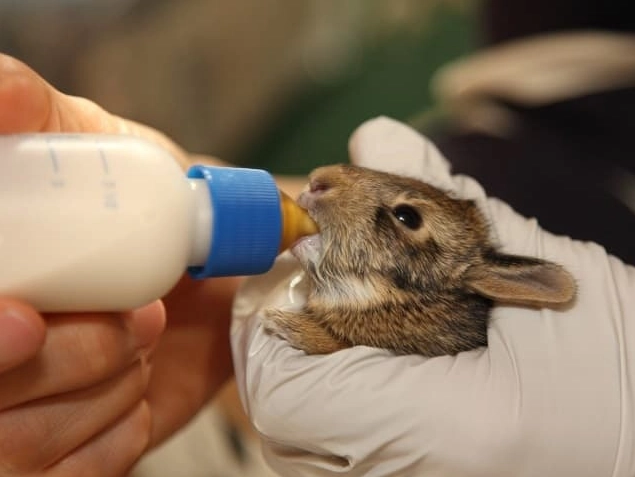
Your Quick Action Plan
- Assess the Situation: Are They Really Orphaned?
- The Right Milk Formula: What to Feed (and What to Avoid)
- How to Feed Safely: Technique is Everything
- The Critical Feeding Schedule by Age
- The Transition to Solid Foods: A Delicate Phase
- Common Mistakes That Can Kill Baby Rabbits
- Your Urgent Questions Answered
Assess the Situation: Are They Really Orphaned?
Before you scoop them up, stop. Mother rabbits only visit their nest for about 5 minutes twice a day—at dawn and dusk—to nurse. This is a survival tactic to avoid leading predators to the nest. A nest that looks untouched for hours likely isn't abandoned.
Do this quick check: Gently place two pieces of yarn or string in a light criss-cross pattern over the nest. Leave the area completely for 12-24 hours. If the strings are disturbed when you return, mom is still caring for them. The best thing you can do is leave them be. Only intervene if the babies are visibly injured, cold to the touch, or if you are certain the mother is dead (e.g., you saw it happen).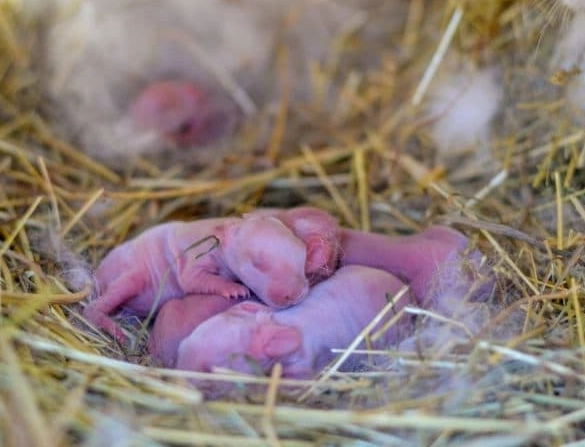
Key Takeaway: Interfering too soon is a major cause of "orphaned" rabbits. That quiet nest is usually a sign of a good, cautious mother, not neglect.
The Right Milk Formula: What to Feed (and What to Avoid)
Rabbit milk is unlike any other. It's extremely high in calories, fat, and protein, and relatively low in sugar and water. Cow's milk, goat's milk, or human infant formula will cause severe digestive upset and almost certainly lead to death. You need a species-specific milk replacer.
The Gold Standard Formula
After years of trial and error and consulting with exotic veterinarians, the most reliable formula is a mix of:
- Kitten Milk Replacer (KMR) Powder: This is widely available at pet stores. It's high in fat and protein. The liquid form can be used in a pinch but powder is better for mixing consistency.
- Heavy Whipping Cream (no additives): This boosts the fat content to match rabbit milk. Add about one part cream to three parts mixed KMR.
- Probiotic Supplement: A pinch of a quality probiotic powder (like Bene-Bac) is non-negotiable. It inoculates their sterile gut with good bacteria, which is crucial for survival.
Mix the KMR powder with warm water as directed, then add the cream and probiotic. The final mixture should be the consistency of heavy cream.
What About Esbilac Puppy Formula?
You'll see this recommended. It can work, but I find KMR consistently causes fewer issues with gas. If you must use Esbilac, get the powder, not the liquid, and still add the heavy cream.
NEVER USE: Cow's milk, almond/oat milk, human baby formula, Pedialyte as a milk substitute, or any sugar-water concoction. These lack the necessary nutrients and will disrupt gut pH, leading to fatal enterotoxemia.
How to Feed Safely: Technique is Everything
Getting the formula right is only half the battle. How you feed is arguably more important.
The Tools: Use a 1ml or 3ml oral syringe (no needle!) or a specially designed pet nursing bottle with a very small nipple. I strongly prefer syringes for control. Never use a dropper—it's too easy to flood their mouths.
The Process:
- Warm the formula to body temperature (about 38°C or 100°F). Test a drop on your wrist. Cold formula = gut stasis.
- Hold the kit upright or at a slight incline, never on its back like a human baby. This prevents aspiration.
- Gently place the syringe tip at the side of the mouth, behind the front teeth. Let the kit suckle. Do not squirt. If they don't suckle, place a tiny drop on their lips to stimulate the reflex.
- Feed slowly, allowing pauses. Watch the belly. It should become slightly rounded, not taut and drum-like. Overfeeding is a silent killer.
- Stimulate to urinate and defecate. This is critical. After every feeding, use a cotton ball or soft cloth dampened with warm water to gently stroke the genital and anal area until they produce waste. Mother rabbits do this by licking. Do this until their eyes open (around 10 days).
The Critical Feeding Schedule by Age
Rabbit kits grow fast, and their needs change almost daily. This table is your bible. Underfeeding leads to weakness; overfeeding leads to fatal bloat.
| Age (Days) | Key Milestones | Feeding Frequency | Approx. Amount per Feeding | Special Notes |
|---|---|---|---|---|
| 0-7 | Eyes and ears closed. No fur or very fine fur. | Twice daily (every 12 hrs) | 2-2.5 ml | Keep on a heating pad set to LOW under half the nest. Critical warmth. |
| 7-14 | Eyes open around day 10. Fur growing. | Twice daily | 5-7 ml | They become more active. Continue stimulation after feeds. |
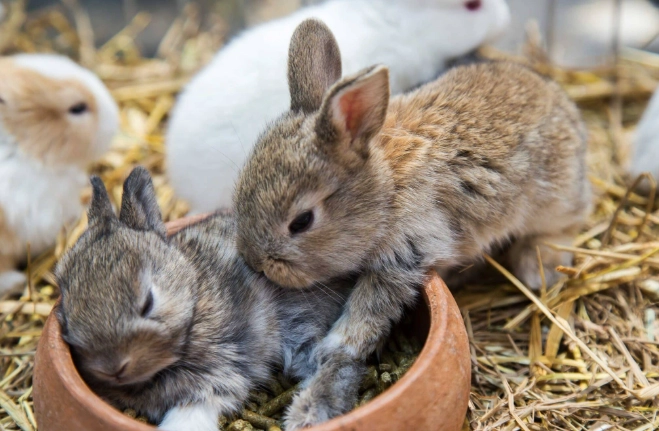
| 14-21 | Starting to hop, explore. May nibble. | Twice daily | 7-13 ml | Introduce timothy hay and oat hay. Milk is still primary nutrition. |
| 21-42 | Weaning phase. Eating solids well. | Once daily, then reduce | Up to 15 ml | Gradually decrease milk as solid intake increases. Wean by 6-8 weeks. |
Notice the frequency? Only twice a day. That mimics the mother's schedule. Feeding more often, out of sympathy, will overwhelm their digestive system.
The Transition to Solid Foods: A Delicate Phase
Weaning isn't just about stopping milk. It's about ensuring their cecum—the fermentation chamber in their gut—populates correctly with the right bacteria to handle fiber.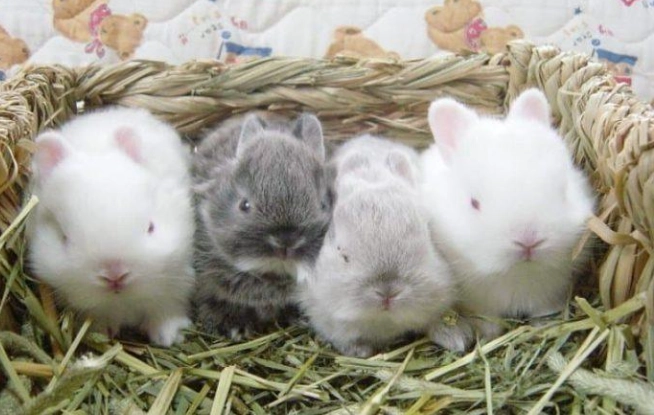
Start around 2 weeks old: Place a handful of high-quality timothy hay and some oat hay in the nest. They'll start nibbling out of curiosity. This is essential for gut development.
At 3 weeks: Introduce a small amount of plain, high-fiber alfalfa-based young rabbit pellets. Not the colorful muesli mix—just plain pellets. Also offer a fresh leaf of dark greens like romaine or cilantro (washed and dried).
The transition takes weeks. By week 6-8, they should be eating mainly hay, greens, and pellets, with milk as a small supplement. Watch their droppings. Small, hard, or missing droppings mean you're moving too fast or there's a gut issue.
Common Mistakes That Can Kill Baby Rabbits
Let's talk about the subtle errors that don't get enough airtime.
Mistake 1: Feeding Them on Their Backs. I see this in cute videos all the time. It's a one-way ticket to aspiration pneumonia. Always upright.
Mistake 2: Assuming a Quiet Bunny is a Full Bunny. Orphaned kits often become lethargic when they're cold or starving, not when they're content. Check their body condition and warmth first.
Mistake 3: Skipping the Probiotic. Their gut has no native flora. Formula alone doesn't provide the bacteria needed to digest it. A probiotic isn't optional; it's as vital as the milk itself.
Mistake 4: Introducing Fruits or Carrots Early. Sugar is the enemy. Even a tiny piece of apple or carrot before 12 weeks can trigger a deadly bacterial overgrowth. Stick to hay, pellets, and leafy greens.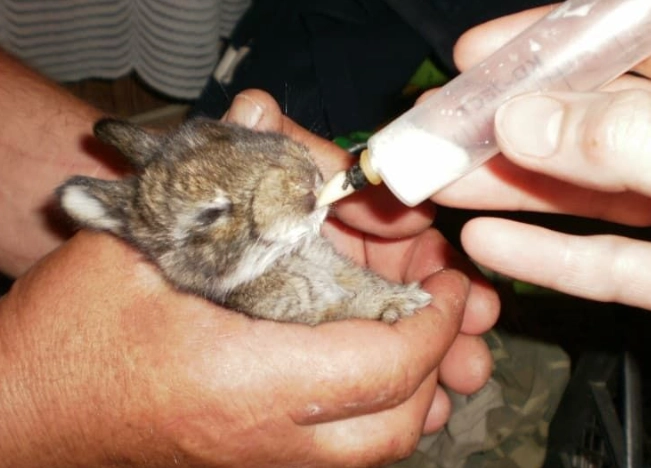
Your Urgent Questions Answered
Can I use regular cow's milk in an absolute emergency for one night?
I strongly advise against it, even for one feeding. The lactose and protein composition is so wrong for a rabbit that it can cause immediate gut discomfort and set the stage for dysbiosis. A better emergency option, if you cannot get KMR immediately, is to provide warmth and hydration with unflavored pediatric electrolyte solution (like Pedialyte) via syringe for 12-24 hours while you source proper formula. It provides no nutrition, but it prevents dehydration and gives you a small window to get the right supplies.
How do I know if I'm overfeeding or underfeeding?
Weigh them. This is the single most objective measure. Use a digital kitchen scale in grams. They should gain weight every day. If weight plateaus or drops, they need more. If their belly is hard, distended, and they seem in pain after feeding, you're overdoing it. The "slightly rounded belly" visual check is good, but weight tracking is definitive.
 The baby rabbit isn't suckling from the syringe. What do I do?
First, ensure they're warm. A cold kit won't eat. Warm them up slowly on a heating pad. If warm and still not suckling, the formula might be too cold or the wrong taste. Re-warm it. As a last resort, you may need to very, very slowly depress the syringe plunger to place a drop in their mouth, allowing them to swallow. This is risky—go painfully slow to avoid aspiration. Sometimes weakness from hunger means they need a tiny bit of energy to kickstart the suckle reflex.
When can I stop stimulating them to go to the bathroom?
Once their eyes are open (around 10 days) and you see them producing waste on their own, you can test it. Skip stimulation after a feeding and check the nest an hour later. If you find normal fecal pellets and see urine stains, they've got it figured out. Usually, by 2 weeks, they're independent in this department.
I'm hand-rearing a wild cottontail. Are the rules different?
The core feeding principles are identical. However, cottontails are significantly more stress-prone and often do poorly in captivity. Your goal should be immediate contact with a licensed wildlife rehabilitator. Organizations like the National Wildlife Rehabilitators Association can help you find one. If you must care for it short-term, minimize all handling beyond feeding, keep it in a quiet, dark place, and transition to wild foods (like dandelion greens, grass) as soon as possible.
Raising orphaned baby rabbits is a marathon of meticulous care, not a sprint. It's exhausting, worrying, but incredibly rewarding when you see that tiny bundle of fur grow into a healthy, hopping rabbit. Focus on the fundamentals: the right formula, the right technique, the right schedule, and a heavy reliance on high-quality hay. When in doubt, contact a rabbit-savvy veterinarian. You've got this.
Comment