Quick Guide to Giant Rabbit Breeds
- Where Did These Giant Rabbits Come From? A Quick History Lesson
- Side-by-Side: Breaking Down the Physical and Temperament Differences
- The Real-World Impact: What This Difference Means for You as an Owner
- Making the Choice: Flemish Giant or Continental Giant?
- Common Questions (and Straight Answers)
- The Bottom Line: Look Beyond the Label
So you're thinking about a giant rabbit. Maybe you saw a photo online of someone cuddling a bunny the size of a small dog, and your heart did a little flip. I get it. I've been there. But then you start looking into it, and you hit a wall of confusing terms: Flemish Giant, Continental Giant, are they the same thing? What's the real deal?
Let's be honest, the internet is full of conflicting information. One site says they're identical, another lists them as separate breeds, and the photos... well, they all just look like very big, very cute rabbits. It's enough to make your head spin. I remember when I first got interested in larger breeds, I spent hours going down rabbit holes (pun intended) trying to figure it out.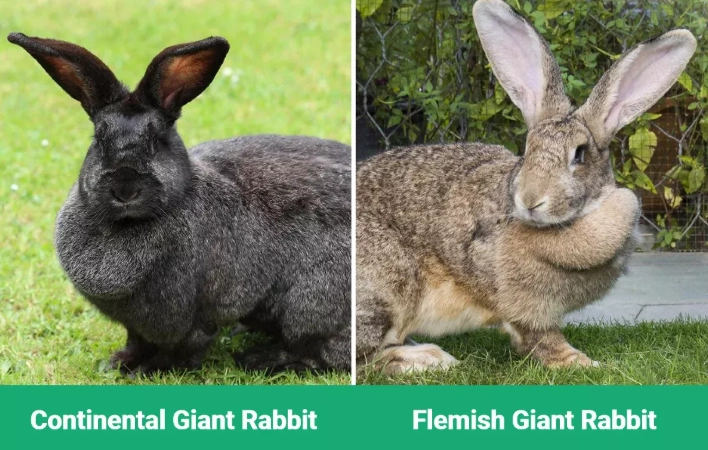
The truth is, understanding what is the difference between a Flemish Giant and a continental giant rabbit isn't just pedantic breed stuff. It matters for your expectations, for finding a good breeder, and for providing the right care. Choosing the wrong label could mean you end up unprepared for the specific needs of your new furry friend.
The Core Answer Up Front: The Flemish Giant is a specific, standardized breed recognized by organizations like the American Rabbit Breeders Association (ARBA). The term "Continental Giant" often refers to a related type or group of giant rabbits popular in Europe, particularly those bred from the same historical stock but sometimes with a slightly different focus (like sheer size in shows). In many practical, everyday contexts, people use the names interchangeably, but for breeders and show enthusiasts, the distinction in lineage and standards is key.
We're going to dig into all of it. Not just the textbook definitions, but what it actually means to live with one of these gentle giants. The costs, the space, the personality quirks. Because bringing home a rabbit that can weigh over 15 pounds is a different ballgame than a little Netherland Dwarf.
Where Did These Giant Rabbits Come From? A Quick History Lesson
To understand the present, you gotta peek at the past. Both of these giant rabbits share a murky, fascinating history that stretches back centuries in Europe.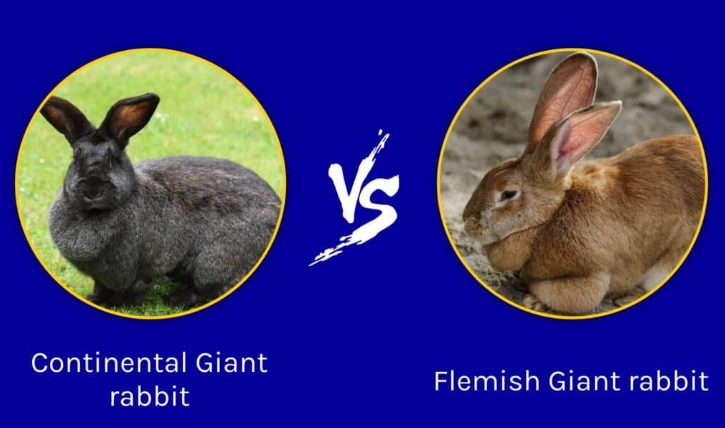
The story usually starts with the Flemish Giant, often called the "king of rabbits." It's believed to have been developed in the Flanders region (think Belgium and parts of France) as far back as the 16th or 17th century. They weren't originally bred for cuteness, mind you. They were livestock, valued for their fur and meat. Their large size made them efficient for those purposes. Over time, they were refined and imported to other countries, including England and the United States in the late 1800s. The American Rabbit Breeders Association (ARBA) officially recognized the Flemish Giant as a breed, and they set a very specific Standard of Perfection for it. This standard dictates everything from ideal weight to ear length to accepted colors.
Now, across the pond in Europe, particularly in the UK and Germany, breeders were also working with these large Flemish-type rabbits. The breeding goals sometimes diverged. Some European breeders placed an even heavier emphasis on maximum size and bulk for show purposes. From these lines, the term "Continental Giant" (or "Conti" for short) gained popularity. In the United Kingdom, the British Rabbit Council (BRC) recognizes the Continental Giant as a distinct breed. So, in a way, the Continental Giant can be seen as a European cousin or offshoot of the original Flemish stock, with its own dedicated following and show standards in some regions.
I once chatted with a breeder in the UK who exclusively raised Contis. She described them as "Flemish Giants on a bit of a growth hormone dream," joking that the pursuit for the "biggest" sometimes overshadows other breed points. It's an interesting cultural difference in breeding philosophy.
So, right off the bat, a major part of what is the difference between a Flemish Giant and a continental giant rabbit boils down to geography and pedigree paperwork. An ARBA-registered Flemish Giant in the US has a traceable lineage back to their specific standard. A Continental Giant in Europe, particularly one shown under BRC rules, follows a different set of guidelines. However, a pet rabbit sold as a "Continental Giant" in the US might very well be a large Flemish Giant or a mix, because the term isn't an official ARBA breed designation. See? Confusing already.
Side-by-Side: Breaking Down the Physical and Temperament Differences
Let's get concrete. If you put a top-quality show Flemish Giant next to a top-quality show Continental Giant, what would you see? Here’s where we can lay it out clearly. Remember, these are the ideals. Pet-quality animals from both lines will have more variation.
| Feature | Flemish Giant (ARBA Standard) | Continental Giant (General UK/European Type) |
|---|---|---|
| Primary Recognition | Officially recognized breed by ARBA (USA) and BRC (UK). | Officially recognized as a separate breed by the BRC (UK). In the US, often used as a descriptive term. |
| Size & Weight Ideal | Buck (male): min. 13 lbs. Doe (female): min. 14 lbs. No upper weight limit, but balance is key. | Often cited as slightly larger on average. BRC standard aims for a minimum of 6.5kg (14.3 lbs) for seniors, with giants over 7kg (15.4+ lbs) common. |
| Body Type ("Blueprint") | Semi-arch body type. A pronounced arch starts at the back of the shoulders, carrying over the hips in a smooth curve. They are long and powerful. | Often described as having a massive, broad, and well-rounded hindquarter. The emphasis is on a "mandolin" shape—full and rounded. |
| Head & Ears | Broad head, full cheeks. Ears are thick, erect, and well-furred, ideally measuring about 6 inches long in proportion to the body. | Head is broad and bold. Ears are similarly substantial, often described as "lop-like" in thickness but fully erect. |
| Recognized Colors | Seven colors: Black, Blue, Fawn, Light Gray, Sandy, Steel Gray, White. Very specific shade requirements. | Wider variety of colors accepted under BRC, including the above plus agouti, opal, chinchilla, and more broken patterns. |
| General Temperament | Renowned as the "Gentle Giant." Known for calm, docile, and patient dispositions. Often good with calm handling. | Similarly known for a docile and friendly nature. Individual personality varies greatly based on breeding and socialization. |
Looking at that table, the differences might seem subtle. And for a pet owner, they often are. The body type is the biggest clue for enthusiasts. The Flemish is supposed to have that elegant, sweeping arch, while the Continental is often bred for a more massive, blocky rear end.
But here's the thing you really care about: personality.
Both breeds have a stellar reputation for being calm and sweet. The "gentle giant" moniker exists for a reason. Their size seems to come with a certain placidity. They are less likely to zip around frantically like a smaller breed and more likely to flop contentedly next to you. However—and this is a big however—this is not a guarantee. Temperament is heavily influenced by breeding, socialization from birth, and individual personality.
I've met a Flemish Giant who was shy and skittish because he wasn't handled much as a kit. I've also met a so-called Continental mix who acted like a clumsy, affectionate dog, following his owner everywhere. You cannot buy a giant rabbit expecting a guaranteed personality. You have to meet the rabbit, ask the breeder about how they socialize their kits, and be prepared to put in the work to build trust.
The Real-World Impact: What This Difference Means for You as an Owner
Okay, so the breed standards are slightly different. How does that translate to your life, your wallet, and your living room?
Space Requirements: It's Not Just a Big Cage
Forget those tiny pet store cages. Completely. For any giant rabbit, you're looking at a minimum enclosure size of at least 4 feet by 4 feet, and that's just for their home base. They need significant time outside of it to run, hop, and explore. A puppy exercise pen (x-pen) is a popular and practical solution. They need space to take three or four full hops in a row. If you're keeping them indoors, you'll need to seriously rabbit-proof. They can reach countertops, chew baseboards with ease, and their powerful hind legs can knock over lamps.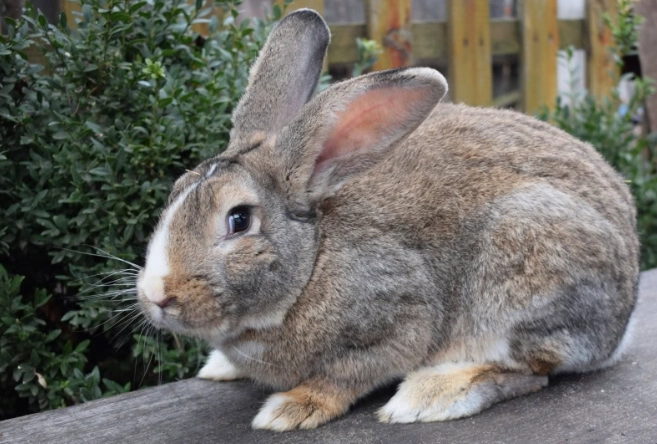
A Word of Warning: Their size makes them more prone to sore hocks (painful sores on their feet) if kept on wire flooring or hard, abrasive surfaces. A solid floor with thick, soft bedding (like horse stall mats covered with fleece) is essential.
Diet and Costs: The Hungry, Hungry Hippo Effect
A giant rabbit's appetite is... impressive. You will go through hay, pellets, and greens at a rate that will surprise you.
- Unlimited Hay: This is the cornerstone. A 10+ pound rabbit can easily go through a portion of a flake of timothy hay daily. Buying in bulk from a farm supply store is often the most economical.
- Pellets: Not unlimited. You'll follow a measured portion based on weight, but the bag will disappear faster. A high-quality, plain timothy hay-based pellet is best.
- Veterinary Care: This is crucial. Not all vets are experienced with giant breeds. They require larger doses of medication, and their anatomy can present unique challenges. Spaying/neutering is more expensive and carries slightly higher risk due to their size. You must have an exotics vet lined up before you bring one home. Their lifespan is typically 5-8 years, though some live longer with excellent care.
Handling and Care: They're Heavy!
Picking up a 15-pound animal that can kick powerfully requires technique. You must support their hindquarters fully to prevent spinal injury. Many giant rabbits prefer to stay on the ground and will tolerate petting there rather than being carried. Nail trims are a two-person job unless you're very experienced. Grooming, especially during a shed, involves a lot of fur.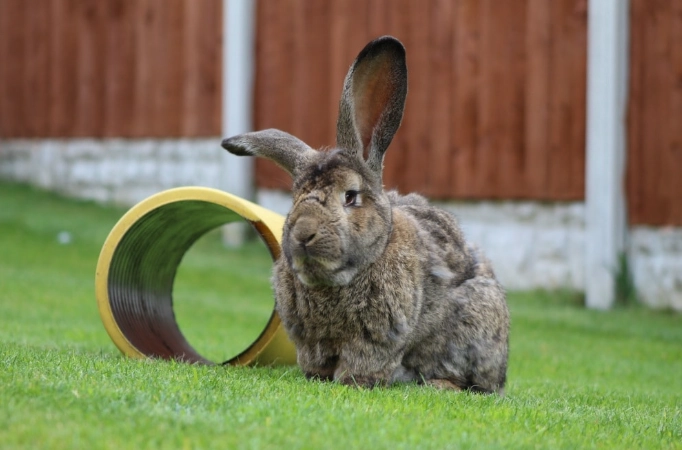
My friend's Flemish, Goliath, hates being picked up. He'll thump if you try. But he'll climb onto the couch himself for hours of head scratches. Learning their preferences is part of the deal.
So, when you're researching what is the difference between a Flemish Giant and a continental giant rabbit, the practical care is virtually identical. The potential for slightly larger size in some Continental lines just means everything on the list above might be amplified a tiny bit.
Making the Choice: Flemish Giant or Continental Giant?
This is the heart of it. Which one is right for you? The answer has less to do with the minor breed distinctions and everything to do with source, ethics, and your goals.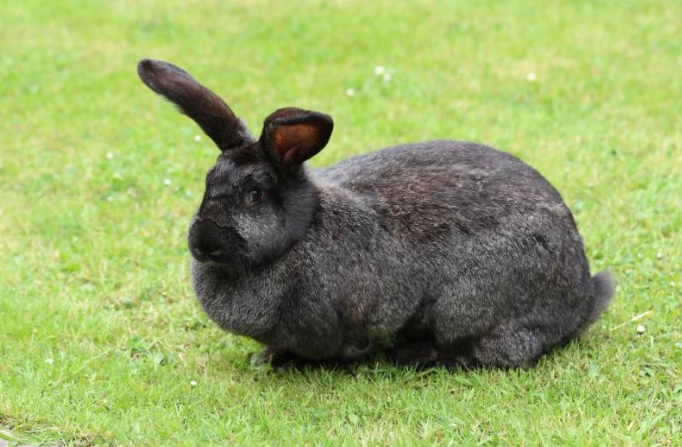
If you live in the United States and want a purebred rabbit with a traceable pedigree: Your clear path is to seek a reputable breeder of ARBA-registered Flemish Giants. You can find breeders through the ARBA website or local rabbit clubs. A good breeder will health-test their stock, raise kits in a home environment with plenty of human interaction, and be a wealth of knowledge and support. They will not have "Continental Giants" for sale, as it's not an ARBA breed.
If you live in Europe (especially the UK) and are interested in showing: You would choose based on the show standard you wish to follow. You'd find a BRC-registered breeder for either Flemish Giants or Continental Giants, and they could explain the nuances they breed for.
If you just want a pet giant rabbit and don't care about papers: This is where most people fall. The label matters less than the rabbit itself and the person you get it from. You might find:
- Reputable breeders who breed for health and temperament but don't show. They may use the term "Continental Giant" to describe larger-type giants or mixes.
- Rescues and shelters. This is a fantastic option. Giant rabbits are sometimes surrendered because people weren't prepared for their needs. You can give a wonderful home to a rabbit in need, and their personality is already known. The breed will be a guess, but it doesn't matter.
Avoid backyard breeders or anyone selling "rare" colors at extreme prices.
The most important questions to ask any source are:
- How do you socialize the babies?
- What is the health history of the parents (especially regarding teeth, GI stasis, sore hocks)?
- Can I meet the parents and see where the rabbits are raised?
- What is your policy if I can no longer care for the rabbit?
Common Questions (and Straight Answers)
Which one gets bigger, the Flemish or Continental Giant?
On paper and in show circles, the Continental Giant often has a higher average weight goal. The world record holders for largest rabbit have often been Continental Giants (like the famous Darius). However, individual Flemish Giants can also reach staggering sizes. For a pet, you should expect either to be in the 12-20 pound range, with females typically larger.
Are Continental Giants just mixed-breed Flemish Giants?
Not exactly. In their regions of official recognition (like the UK), they are a distinct breed with their own standard. In the US, the term is sometimes used loosely and may refer to mixed or non-pedigreed giant rabbits. It's context-dependent.
Is one friendlier than the other?
No. Both breeds are known for docile temperaments. Friendliness is 90% determined by breeding for good nerves and intensive, gentle handling from 3-12 weeks of age. The specific label is less important than the practices of the breeder or the history of the rescued rabbit.
What's the price difference?
An ARBA-registered Flemish Giant from a show breeder in the US can cost $100-$300+. A BRC-registered Continental Giant in the UK might be similarly priced. Pet-quality giants or mixes from ethical sources may be less. Always be wary of prices that seem too high for "rare" colors or too low (indicating poor care). Adoption fees from rescues are usually the most affordable, often including spay/neuter.
I found a "Continental Giant" breeder near me in the US. What should I ask?
Ask them about their breeding stock. Where did it originate? Do they track lineage? What standard are they breeding toward? Their answers will tell you if they are knowledgeable, ethical breeders working with specific European lines, or if they are simply using the term as a marketing synonym for "big rabbit." Either could be fine, but transparency is key.
The Bottom Line: Look Beyond the Label
After all this, the core answer to what is the difference between a Flemish Giant and a continental giant rabbit is partly technical (breed standards, geography) and mostly about semantics in the pet world.
Don't get hung up on the name. Get hung up on the rabbit in front of you and the person who raised it.
Focus on finding a healthy, well-socialized animal from a source that prioritizes welfare over profit. Whether that rabbit is technically a Flemish Giant, a Continental Giant, or a loving mix of giant breeds, it will need the same huge commitment from you: massive amounts of space, a steady diet, expert veterinary care, and a decade's worth of love.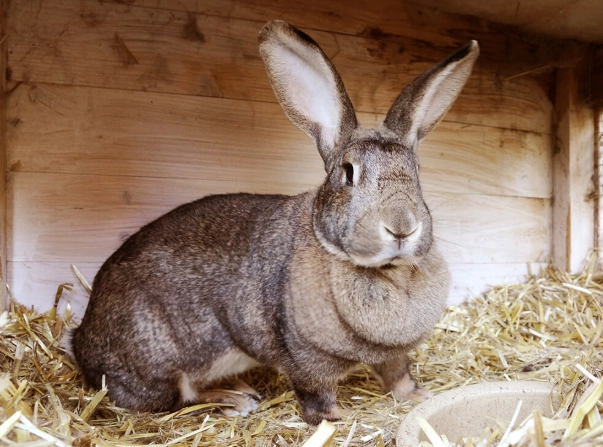
They are incredible companions—calm, dignified, and full of quiet personality. The gentle giant reputation is real, but it's earned through proper care and respect for what they are: not novelties, but large, intelligent creatures with specific needs. Do your homework, prepare your home, and you might just find your best friend is a rabbit the size of a toddler.
Comment