Quick Navigation
So, you're wondering what is the largest breed of rabbit? It's a question that pops up a lot, especially when you see those mind-boggling pictures online of rabbits that look like they could walk a small dog. I remember the first time I saw one in person at a county fair – I genuinely did a double-take. I thought it was a small dog in a rabbit pen! The answer, without any suspense, is the Flemish Giant. But calling it just "large" is like calling a mountain "a bit tall." This rabbit is in a category all its own.
Let's get one thing straight from the start. When we talk about the largest breed of rabbit, we're not just talking about a slightly chunky pet. We're talking about a historically significant, incredibly gentle, and surprisingly demanding animal that can easily surpass the size of many cats and small dog breeds. If you're picturing a standard bunny you might see in a pet store and just scaling it up in your mind, you're not quite there yet. The Flemish Giant has its own unique presence, personality, and, frankly, its own set of rules for care.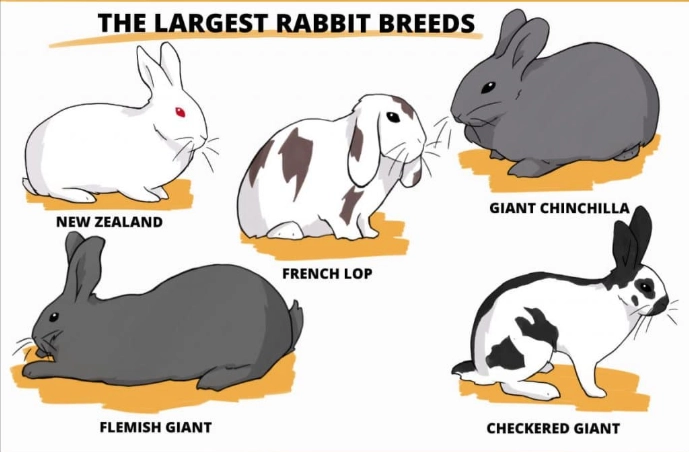
But this article isn't just about naming the winner. It's about understanding what that title really means. What does it take to care for such a large animal? How does it compare to other big bunnies? And is a Flemish Giant the right pet for you? We're going to dig into all of that, and more.
Meet the Undisputed Champion: The Flemish Giant Rabbit
Alright, let's get up close and personal with the titleholder. The Flemish Giant is the breed that consistently comes up when you search for what is the largest breed of rabbit. Their history is a bit fuzzy (pun intended), with theories linking them to meat and fur rabbits from Patagonia or old Flemish stock. Whatever their origins, they were perfected in Europe and later in America.
The first thing you notice isn't just their length, but their sheer substance. They have a massive, semi-arch mandolin body shape. Their back has a noticeable rise from the shoulders to the hips. Their bones are heavy and dense. You don't just see a big rabbit; you feel its solid weight when you pick one up (which, by the way, requires proper technique to support their spine).
Flemish Giant by the Numbers:
- Average Weight (Doe/Female): 14+ pounds (6.35+ kg), but 15-18 lbs is common.
- Average Weight (Buck/Male): 13+ pounds (5.9+ kg). Yes, does are typically heavier.
- Show Weight Ideal: The ARBA standard has a minimum weight of 13 lbs for seniors (6 months+) but no maximum. Judges look for a "commercial" body type—long, deep, and muscular.
- Body Length: Can easily exceed 2.5 feet (76 cm) from nose to tail when stretched out.
- Ear Length: Their ears are tall and erect, often over 6 inches (15 cm) long, adding to their majestic appearance.
I've spoken to breeders who say a truly well-bred, mature Flemish Giant shouldn't just be fat. It should feel like picking up a muscular, furry football. That's the ideal. They come in a variety of solid colors recognized by breed standards, like black, blue, fawn, light gray, sandy, steel gray, and white.
Now, about temperament. This is where the Flemish Giant really shines and why its size isn't as intimidating as it seems. They are famously known as the "gentle giants" of the rabbit world. Most have incredibly docile, calm, and patient personalities. They are less likely to spook and scamper than smaller, more high-strung breeds. Many owners describe them as almost dog-like in their laid-back demeanor. They can be wonderful, tolerant companions for gentle, supervised children precisely because of their stable nature. Of course, individual personalities vary, and proper socialization from a young age is key.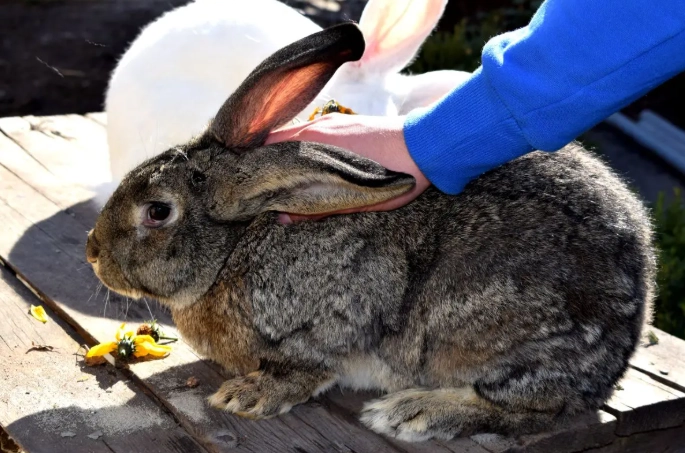
Living with a Flemish Giant: The Reality Check
Owning the largest breed of rabbit isn't all cute photos and gentle cuddles. It comes with very real, and often more expensive, practical considerations. Let's be brutally honest about what you're signing up for.
Housing: A standard pet store rabbit cage is an insult to a Flemish Giant. It's a prison. They need a massive enclosure. A minimum would be an extra-large dog exercise pen (at least 4ft x 4ft base, but bigger is always better) or a fully rabbit-proofed room. They need space to take at least three full hops and to stand fully upright on their hind legs without their ears touching the top. Their litter box? Think large cat-sized or even a small storage tub.
Diet: Big body, big appetite. Their daily hay consumption is impressive. You will go through bales of Timothy hay (or orchard grass) much faster than with a smaller rabbit. Fresh greens and a measured amount of high-quality pellets (specific to giant breeds if possible) add up on the grocery bill. An underfed Flemish Giant is a sad and unhealthy sight; their skeletal structure needs proper nutrition to support it.
Vet Care: This is a big one. Not all vets are experienced with giant rabbit breeds. You must find an exotic vet who is comfortable with rabbits of this size. Medications are dosed by weight, so everything costs more—anesthesia for neutering/spaying, pain meds, antibiotics. Their size also makes them slightly more prone to certain health issues like arthritis (from carrying all that weight) and heart strain. Having a vet fund is non-negotiable.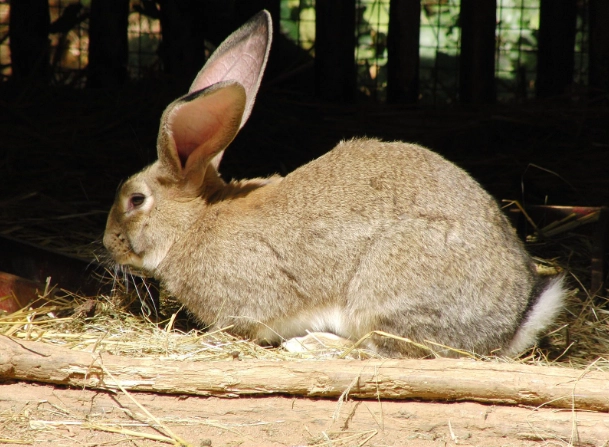
So, is a Flemish Giant right for you? If you have ample space, a generous budget for food and vet care, and you want a calm, magnificent companion, then absolutely. If you live in a small apartment or are on a tight budget, a smaller breed might be a more realistic and equally loving choice.
Other Contenders: Large Rabbit Breeds That Give the Flemish a Run for Its Money
While the Flemish Giant holds the crown for the single largest breed of rabbit, it's not the only big bunny on the block. Several other breeds are impressively large and deserve recognition. Sometimes people see these and think *they* might be the answer to what is the largest breed of rabbit. Let's clear up the hierarchy.
| Breed Name | Average Weight | Key Characteristics | How It Compares to a Flemish Giant |
|---|---|---|---|
| Flemish Giant | 13-18+ lbs (5.9-8.2+ kg) | Long, semi-arch body. "Gentle Giant" temperament. Historical working breed. | The largest by mass and frame. The benchmark for size. |
| Continental Giant | 13-18+ lbs (5.9-8.2+ kg) | Massive, stocky, and blocky build. Often has a very round head and full cheeks. | Extremely close rival. Often confused with Flemish. Some organizations treat them as separate; others don't. Weight is similar, but build is often more "cobby" (compact and broad). |
| Checkered Giant | 11+ lbs (5+ kg) | Distinctive black (or blue) and white markings. An "arch" breed with a pronounced curve to the spine. Energetic and showy. | Tall and athletic, but lighter in bone and weight than a Flemish. Their size is in length and arch, not sheer bulk. |
| French Lop | 10+ lbs (4.5+ kg) | Massive, floppy ears. Heavy, thick-set, and compact body. Extremely docile and placid. | Can be very heavy, but often shorter and more compact than a Flemish. The ear size is the standout feature. |
| Giant Chinchilla | 12-16 lbs (5.4-7.3 kg) | Beautiful chinchilla-colored fur. Developed as a dual-purpose meat/fur breed. Calm disposition. | A truly large breed, but typically not quite reaching the maximum length and bone density of a top-quality Flemish. |
You'll notice the Continental Giant is a special case. In some countries, particularly in Europe, the "Conti" is considered its own breed and is the one you often see breaking world record for length. The British Rabbit Council (BRC) recognizes them separately. In the US, the ARBA only recognizes the Flemish Giant. The lines can be blurry, and many giants are a mix of both types. For all intents and purposes, when someone asks what is the largest breed of rabbit, you can safely say "Flemish/Continental Giant" and be correct.
The French Lop is a personal favorite of mine for families. While not the absolute longest, their combined ear and body mass makes them feel enormous, and their temperament is famously sweet and lazy. They're like living, breathing stuffed animals.
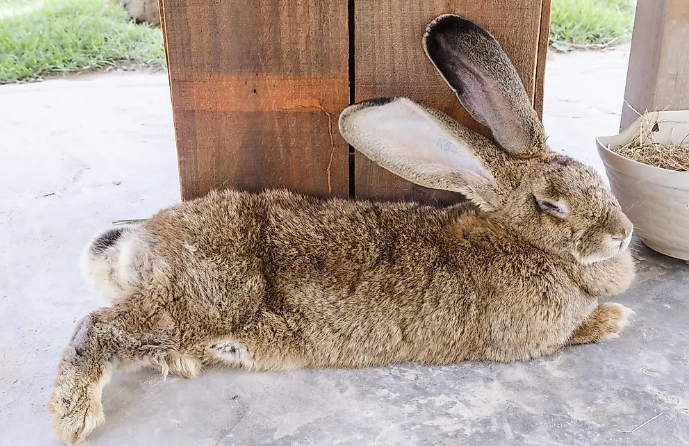 Size isn't just about weight. It's about bone, length, and presence.
The World Record Holders: When Giants Become Legends
We can't talk about the largest breed of rabbit without mentioning the celebrities—the world record holders. These are the outliers, the rabbits that push the boundaries of what we think is possible for the species.
Rabbits like Darius and his offspring, bred by Annette Edwards in the UK, have held Guinness World Records for being the world's longest rabbits, measuring over 4 feet (129 cm)! These are Continental Giants. It's crucial to understand these are exceptional individuals, often from specific breeding lines focused on size. They are not the average pet Flemish or Conti you would get from a breeder. Their care is a full-time, extreme commitment.
These records often spark a mix of awe and concern. Responsible breeders and veterinarians emphasize that health must come before pursuing extreme size. A rabbit that large faces significant joint and cardiovascular challenges. It's a fascinating aspect of the breed's potential, but it shouldn't be the primary goal for a pet owner.
A Practical Guide to Caring for a Giant Breed Rabbit
Let's say you've decided a giant breed is for you. Here’s a down-to-earth, no-fluff guide to keeping them healthy and happy. This goes beyond basic rabbit care.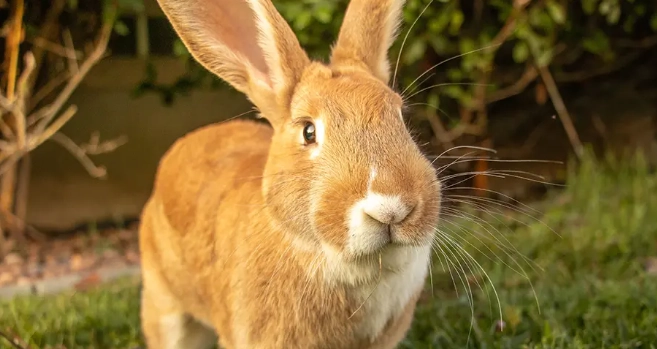
1. The Right Start: Source your rabbit from a reputable breeder who prioritizes health, temperament, and conformation to breed standard over just monstrous size. Ask about genetic history, see the parents if possible, and ensure the kits are raised indoors with plenty of handling. Avoid anyone who seems sketchy or only talks about how "huge" their rabbits get.
2. Habitat is Everything: As mentioned, think DOG, not rodent. A penned-off section of a room or a very large custom-built enclosure is ideal. The flooring should be solid and supportive—no wire floors ever. Provide thick, supportive bedding in their resting area. They need heavy, tip-proof ceramic bowls for food and water (a water bottle can be a backup, but bowls are better for hydration).
3. Nutrition for Growth and Maintenance:
- Unlimited Hay: This is 80-90% of their diet. Timothy, Orchard Grass, or Oat hay. It wears down their constantly growing teeth and provides essential fiber for their giant digestive tracts.
- Pellets: A limited amount of plain, high-fiber Timothy-based pellets. For giants, about 1/4 cup per 5 lbs of body weight is a common guideline, but adjust based on activity and weight. Some brands make "giant breed" formulas.
- Fresh Veggies: A daily variety of leafy greens (romaine, cilantro, kale, etc.). Introduce new greens slowly to avoid GI upset.
- Treats: Sparingly. A slice of apple or banana is a big treat for a big bunny.
4. Health Monitoring: Be vigilant. Watch for signs of sore hocks (because of their weight), difficulty moving, changes in eating or poop habits, and any signs of respiratory issues. Establish a relationship with your exotic vet early and go for annual check-ups. Spaying/neutering is highly recommended for health and behavioral reasons.
5. Enrichment and Bonding: Despite their calm nature, they get bored. Provide cardboard castles, tunnels big enough for them, untreated wood chews, and digging boxes. Spend time on the floor with them. Many learn to enjoy gentle petting and will even come when called. They form deep bonds with their people.
Answering Your Burning Questions About Giant Rabbits
You've got questions. I've heard them all. Let's tackle some of the most common ones head-on.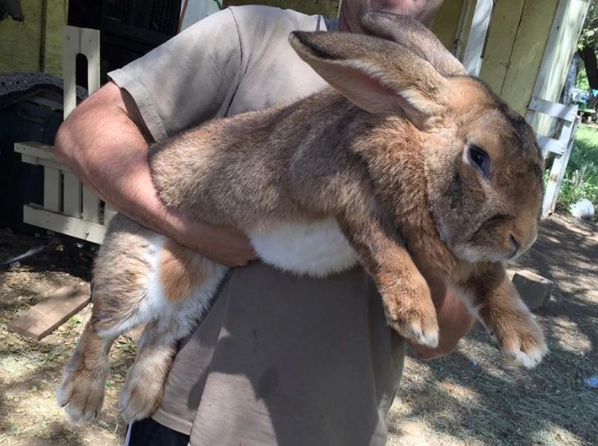
- Hay: $40-$60 (they eat a lot!)
- Pellets & Greens: $30-$50
- Litter: $20
- Annual Vet Check-Up: Put aside $30-$50/month so you have $300-$600 when you need it. Emergency vet visits can run into the thousands.
Final Thoughts: Is the Largest Breed the Right Breed for You?
So, after all this, what is the largest breed of rabbit? We've settled that. But the more important question is: should it be *your* breed?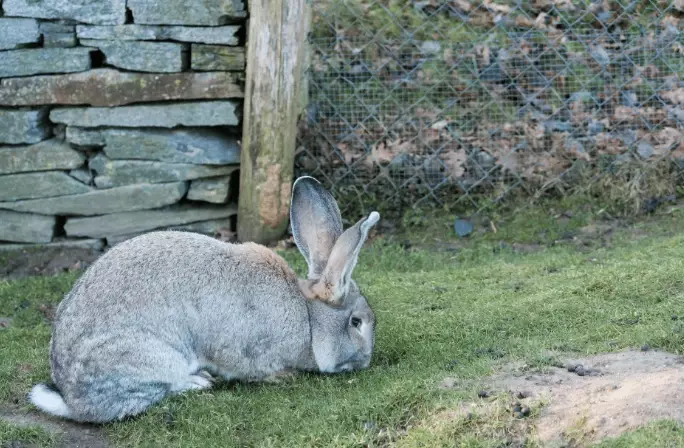
Choosing a rabbit, especially a giant one, is a long-term commitment. It's not about the Instagram photo op with a colossal bunny. It's about the daily reality of cleaning a large litter box, hauling bales of hay, budgeting for vet bills, and sharing your living space with a quiet, gentle giant who will depend on you completely.
If you have the space, the resources, and the heart for it, welcoming a Flemish Giant or another large breed into your home can be an incredibly rewarding experience. There's something uniquely magical about the trust of such a large, gentle creature. They are living proof that great things often come in very large, very furry packages.
But if your situation isn't ideal for a giant, please don't force it. The rabbit rescue networks are full of animals, large and small, who need homes. The right rabbit for you is the one whose needs you can fully meet, ensuring you both have a happy, healthy life together. Do your research, be honest with yourself, and you'll find a perfect bunny companion, whether it's the largest breed of rabbit or a wonderfully compact one.
Comment