Quick Navigation
So you're thinking about getting a rabbit, but not just any rabbit. You've heard about these enormous, almost mythical creatures called German Giant Rabbits, and your curiosity is piqued. I get it. The first time I saw one at a county fair, I honestly did a double-take. I thought it was a small dog wearing a rabbit costume. That's the kind of presence they have.
But here's the thing everyone needs to know right off the bat: a German Giant rabbit isn't just a bigger version of the dwarf bunny you might be picturing. It's a whole different ball game in terms of commitment, space, and care. This guide isn't about selling you on the idea; it's about giving you the unfiltered, practical reality of what life with one of these magnificent animals is actually like. We'll dig into their history, their needs, their challenges, and whether your home and lifestyle are truly ready for a rabbit that can weigh more than a Thanksgiving turkey.
What Exactly Is a German Giant Rabbit?
The story of the German Giant rabbit, or Deutsche Riesen as it's known in its homeland, is fascinating. It wasn't bred to be a novelty pet. This breed has deep agricultural roots, developed in Germany primarily for meat and fur due to its impressive size and fast growth rate. Over time, its remarkably calm and docile temperament shone through, shifting its role more towards that of a show animal and a companion.
Getting official information can be tricky if you don't speak German. For the most accurate breed standard, you'd want to look at the official club for rabbit breeders in Germany, the Zentralverband Deutscher Kaninchenzüchter (ZDK). They maintain the pedigree records and breed specifications. In the broader context of rabbit welfare and care standards, organizations like the House Rabbit Society provide invaluable, species-specific advice that applies to giants just as much as to smaller breeds.
The Physical Stature of a Giant
Let's talk numbers, because they're staggering. A mature, well-bred German Giant rabbit can easily weigh between 15 to 25 pounds (7 to 11.5 kg). Some males, in particular, can push even higher. To put that in perspective, that's roughly the weight of a Beagle dog or two average-sized house cats.
Their body is massive, long, and well-muscled, with a broad head and strong, thick legs designed to carry all that weight. The ears are substantial and upright, often measuring over 6 inches long. They come in a variety of solid colors recognized by breeding standards, like black, blue, grey, and Havana. Their fur is dense and requires regular grooming, especially during shedding seasons.
Seeing a photo is one thing. Seeing one in person is another. The sheer bulk is what gets you. You don't just pick up a German Giant rabbit like you might a Netherland Dwarf. It's a two-handed, brace-your-core kind of operation, and they must always be fully supported to prevent injury to their powerful spine.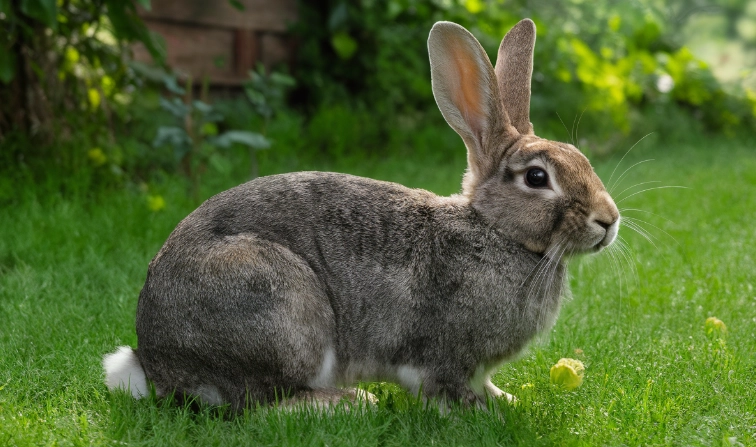
Is a German Giant Rabbit the Right Pet for You? The Honest Pros and Cons
This is the million-dollar question. Their gentle nature is legendary, but their size creates very real logistical challenges. Let's break it down without the sugar-coating.
The Good (The Really, Really Good)
- Unbeatable Temperament: This is their superstar quality. Bred for calmness, German Giants are often described as "dog-like" in their laid-back attitude. They are less likely to spook easily compared to smaller, more nervous breeds. Many owners report their giants happily lounging on the couch for pets.
- Great with Older Children: Their large size and stable disposition make them less fragile and often more tolerant of calm, respectful interaction from older kids. A toddler's sudden grab might startle a small bunny, but a Giant is more solid. (Supervision is always essential, of course).
- Less Hiding, More Presence: You don't lose them in the house. They are a visible, interactive part of the family. Their size makes them less likely to squeeze into dangerous, hard-to-reach places behind appliances.
The Not-So-Good (The Reality Check)
- Space Hog: You cannot keep a German Giant rabbit in a standard pet store cage. It's cruel and impossible. They need a minimum of an entire puppy exercise pen (at least 4ft x 4ft) as a base, with several hours daily of free-roam time in a rabbit-proofed room. Think bunny, think small livestock.
- Cost of Everything is Bigger: More food, more hay, more bedding, larger vet bills (medication is often dosed by weight), bigger carriers, and sturdier furniture. Litter boxes need to be the size of concrete mixing tubs. Your monthly budget is for a large pet, not a small one.
- Potential for Health Issues: Large breeds can be prone to sore hocks (ulcers on their feet) from the pressure of their weight on hard surfaces. They also have a higher risk of skeletal and joint issues like arthritis as they age. You need a vet experienced with rabbits, specifically large ones.
- Finding One is Hard: They are not common, especially outside of Europe. You will likely need to seek out a specialized breeder, which may involve a long waitlist and travel. Adopting a giant rabbit is possible but requires patience and checking with rabbit rescues regularly.
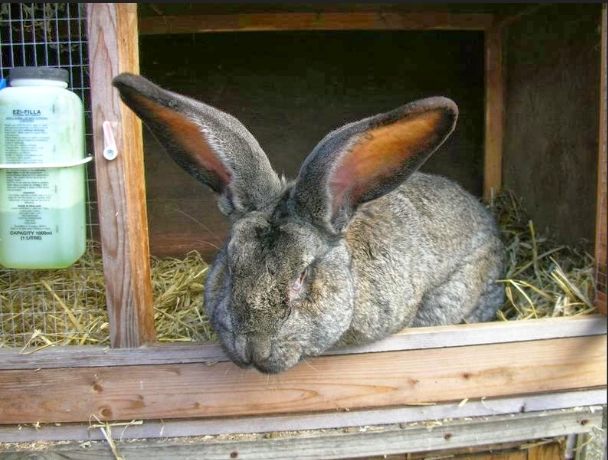 See what I mean? It's a commitment on a different scale.
The Non-Negotiables: Caring for Your German Giant
If the cons list didn't scare you off, and you're more intrigued than ever, then let's get into the nitty-gritty of care. This is where most generic rabbit guides fall short for giant breeds.
Housing: Think Room, Not Cage
The biggest mistake prospective owners make is underestimating space. A German Giant rabbit needs room to fully stretch out, stand up on its hind legs without its ears touching the top, and take at least three good hops in any direction. A standard 4ft x 4ft x-pen is an absolute minimum for their enclosure when you can't supervise.
Better yet is dedicating a whole room or a large, penned-off section of a room. The flooring is critical. Slippery surfaces like tile or hardwood are dangerous and contribute to sore hocks. You need to provide large, comfortable resting areas with soft mats, fleece blankets, or thick straw. Their litter box should be gigantic—I'm serious about the concrete mixing tub from a hardware store. It's the only thing that works.
Diet: The Hay Mountain
A German Giant rabbit's diet is simple in principle but immense in volume. The core is unlimited, high-quality grass hay (Timothy, Orchard, Meadow). We're talking a pile the size of their own body every single day. Hay keeps their digestive system moving (critical for all rabbits) and wears down their constantly growing teeth.
On top of the hay mountain, you'll add a measured amount of high-fiber pellets. For a giant, this might be 1/2 to 3/4 cup daily, but it depends on weight and activity. Fresh leafy greens (romaine, kale, cilantro, etc.) are a daily must for vitamins. Treats like small pieces of fruit are just that—rare treats. The water bowl needs to be heavy and tip-proof; a giant rabbit can easily flip a light dish.
Health and Grooming: An Ounce of Prevention
You must be proactive with a giant's health. Weekly grooming is mandatory to prevent matting and hairballs, especially during seasonal sheds. Check their nails every few weeks; those claws are big and need regular trims.
Monitor their weight and body condition. Obesity is a serious risk and puts immense strain on their joints. Feel their feet (the hocks) regularly for any signs of redness, hair loss, or sores. Provide plenty of soft surfaces. Find an exotic veterinarian who is comfortable with rabbits before you have an emergency. A standard cat-and-dog vet often lacks the specific knowledge for rabbit care, which is unique.
Spaying or neutering is absolutely essential, regardless of size. It prevents reproductive cancers (very common in rabbits), reduces territorial behaviors like spraying and aggression, and makes for a happier, healthier companion.
How Do They Compare to Other Big Bunnies?
People often ask how the German Giant stacks up against other large breeds like the Flemish Giant or the Continental Giant. While they share the "gentle giant" personality, there are subtle differences in build and availability.
| Breed | Average Weight | Key Characteristics | Primary Recognition |
|---|---|---|---|
| German Giant (Deutsche Riesen) | 15-25+ lbs (7-11.5+ kg) | Massive, stocky build. Very broad head. Bred for calmness. Variety of solid colors. | Germany (ZDK), other European clubs. |
| Flemish Giant | 13-22 lbs (6-10 kg) | Long, "mandolin" shaped body. Considered the "gentle giant" standard in North America. Recognized by the American Rabbit Breeders Association (ARBA). | Worldwide, especially North America. |
| Continental Giant | 16-25+ lbs (7.3-11.5+ kg) | Often holds world record sizes. Long body, pronounced arch to the back. A focus on maximum size. | UK, Europe. Basis for many record-holders. |
| Checkered Giant | 11-13 lbs (5-6 kg) | Lighter "giant." Distinctive black and white spotted/marked pattern. More energetic and athletic. | Worldwide (ARBA, BRC). |
The main takeaway? If you're in the United States, you are far more likely to find a responsible breeder or rescue for a Flemish Giant than a true German Giant. The care requirements, however, are virtually identical for all these giant rabbit breeds.
Answering Your Biggest German Giant Rabbit Questions
I've spent a lot of time on rabbit forums and talking to owners. Here are the questions that come up again and again.
Final Thoughts: Should You Get One?
Look, I adore giant rabbits. There's something incredibly special about sharing your home with a creature so large yet so gentle. The sight of a content German Giant rabbit flopped over in a sunbeam, taking up half the floor, is pure joy.
But I've also seen the downside. I've talked to owners who were overwhelmed by the cost, the space demands, the sheer volume of hay and poop. I've seen giants surrendered to rescues because someone fell in love with a picture online without understanding the reality.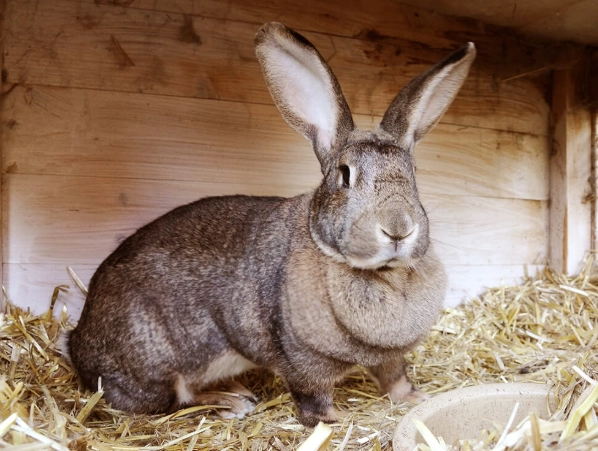
If, after all this, you're still reading with excitement—if you have the space, the budget, the time, and the desire to commit to a wonderful, decade-long journey with a truly extraordinary animal—then start your search responsibly. Look for breeders who prioritize health and temperament over just size. Contact rabbit rescues and let them know you're interested in adopting a large breed. Do your homework.
Bringing a German Giant rabbit into your life is a monumental decision. But for the right person, in the right home, it can be one of the most rewarding pet experiences imaginable. They're not just pets; they're gentle giants that leave a giant-sized impression on your heart.
Just make sure you have a giant-sized supply of hay first.
Comment