Quick Guide
- What Exactly is a Californian Rabbit?
- The Californian Rabbit Temperament: Are They Friendly?
- The Reality of Care: What Does a Californian Rabbit Need?
- The Pros and Cons: An Honest Breakdown
- Answering Your Big Questions: The Californian Rabbit FAQ
- The Final Verdict: So, Do Californian Rabbits Make Good Pets?
You've probably seen their picture. Those striking ruby-red eyes set against a snowy white body with dark grey or black points on the nose, ears, feet, and tail. It's a look that's hard to forget. The Californian rabbit is an iconic breed, but the real question isn't about their looks—it's about their life as a companion animal. Do Californian rabbits make good pets? I've been around rabbits for years, and I can tell you the answer isn't a simple yes or no. It depends almost entirely on you, your lifestyle, and what you're looking for in a furry friend.
Let's get one thing straight from the start. Many people see that commercial, meat-rabbit origin and make assumptions. They picture a big, dumb animal just waiting for the dinner plate. That's a massive disservice. Having spent time with Californians owned as pets, I've found their personalities can be as distinct as their coloring. But you need to know what you're signing up for.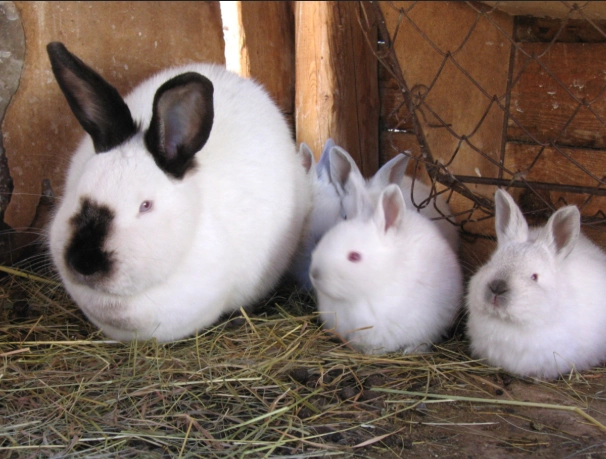
The Bottom Line Up Front: Californian rabbits can be wonderful pets for the right person. They are generally calm, friendly, and adaptable. However, they are large, require significant space and dedicated care, and are not a low-maintenance "starter" pet. Success depends on understanding their specific needs.
What Exactly is a Californian Rabbit?
Before we dive into personality and care, let's set the record straight on the breed itself. The Californian rabbit was developed in the early 1920s by a man named George West in, you guessed it, California. His goal was to create a superior commercial rabbit with a high meat-to-bone ratio and a quality pelt. He crossed Himalayan rabbits with New Zealand Whites, and the result was the breed we know today.
They were recognized by the American Rabbit Breeders Association (ARBA) in 1939 and have been a staple in the show ring and commercial operations ever since. According to the official ARBA breed standard, a Californian should have a commercial body type—semi-arched back, well-rounded hips, and a deep, firm loin. They are a medium-large breed, typically weighing between 8.5 and 10.5 pounds when fully grown. That's a substantial bunny.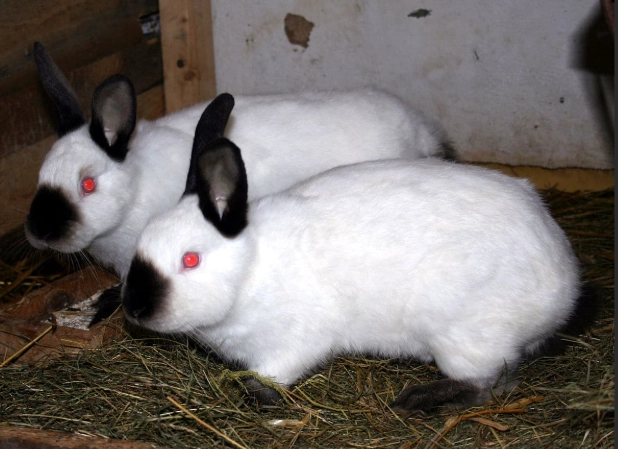
Their most famous feature is the "Himalayan" color pattern. They're born all white. The darker points (seal, chocolate, or lilac) develop as they age and are influenced by ambient temperature—cooler areas often produce darker points. Those red eyes? They're a product of the albino gene, which is responsible for the white coat and colored points.
The Californian Rabbit Temperament: Are They Friendly?
This is the heart of the matter. Do Californian rabbits make good pets based on their personality alone? From my experience and talking to breeders and owners, the breed has a reputation for being remarkably even-tempered.
Here’s the general consensus:
- Calm and Docile: They are often described as "gentle giants." Their commercial breeding history selected for animals that were easy to handle and not prone to panic. This often translates into a pet that is less skittish than some smaller, more "fancy" breeds. They tend to tolerate being picked up and handled better, provided it's done correctly and they are socialized from a young age.
- Friendly and Sociable: A well-socialized Californian can be incredibly affectionate. They often enjoy chin rubs, will nudge your hand for attention, and can form strong bonds with their humans. They are not typically aggressive.
- Intelligent and Trainable: Don't let the placid demeanor fool you. They are smart. Many owners successfully litter train their Californians and even teach them simple tricks like coming when called or navigating agility courses (yes, rabbit agility is a thing!).
- Good with Older Children: Their size and sturdy build make them less fragile than tiny Netherland Dwarfs, so they can be a better match for calm, respectful older kids who understand how to interact with animals. I'd never recommend any rabbit for very young children, as their backs are fragile and sudden movements can scare them.
I remember visiting a breeder who focused on pet-quality Californians. One doe, in particular, would hop over, plop down beside me, and just lean her full weight against my leg. No demanding pets, just quiet companionship. It was a different vibe from the hyper, binky-filled energy of my friend's Holland Lop. It was peaceful.
But there are always exceptions. I've also met a Californian buck who was a total grump, thumping at anyone who came near his space. Individual personality plays a huge role. Early socialization—gentle handling, positive interactions, exposure to normal household sounds—is absolutely critical to developing that ideal pet temperament.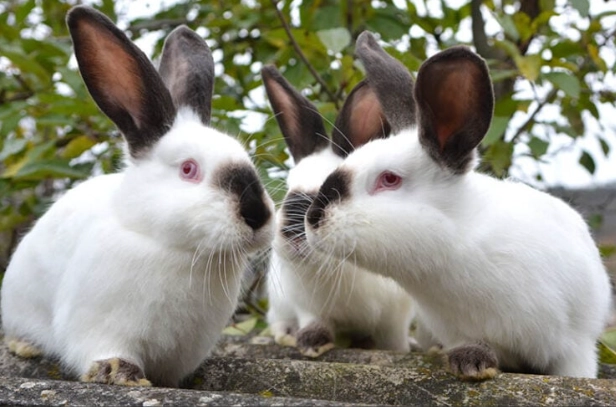
How Do They Compare to Other Popular Breeds?
It helps to see them in context. Here's a quick, non-scientific comparison based on common owner reports:
| Breed | Typical Temperament | Size | Best For |
|---|---|---|---|
| Californian | Calm, docile, friendly, tolerant | Large (8.5-10.5 lbs) | First-time owners who have done research, families with older kids, those wanting a laid-back companion. |
| Netherland Dwarf | Often energetic, can be shy or skittish, sometimes feisty | Very Small (~2.5 lbs) | Experienced owners, those with limited space (but note: energy needs are high!). |
| Holland Lop | Sweet, playful, curious, can be mischievous | Small (3-4 lbs) | Many owners, but their lop ears require regular checking. |
| Flemish Giant | Extremely gentle, "gentle giant," often very relaxed | Giant (13+ lbs) | Owners with ample space and budget for food/housing. |
| Lionhead | Varied, often social and attention-seeking | Small (3.5 lbs) | Owners willing to commit to extensive grooming. |
So, do Californian rabbits make good pets compared to a Holland Lop? It's less about "better" and more about "different." If you want a playful, mischievous clown, a Holland Lop might suit you more. If you want a calm, steady presence that's happy to lounge near you, the Californian has the edge.
The Reality of Care: What Does a Californian Rabbit Need?
This is where many potential owners get tripped up. A rabbit is not a cage-and-pellet pet. They are complex, intelligent creatures with specific needs. Their size makes some of these needs more pronounced.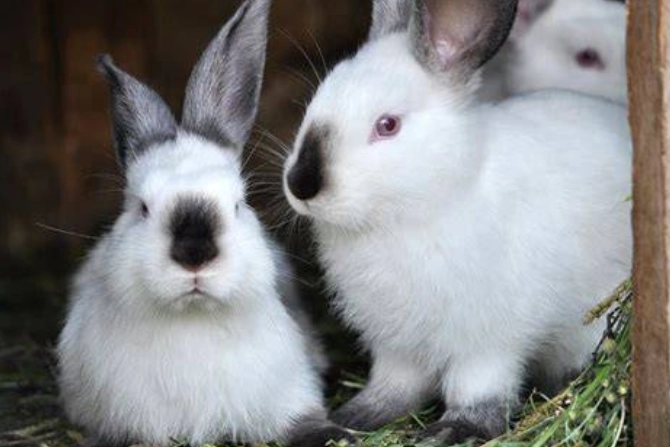
Housing and Space: Think Big
A standard pet store cage is a prison for a Californian rabbit. It's cruel and will lead to health and behavioral problems. Full stop.
- Indoor Housing: The absolute minimum is an exercise pen (x-pen) that provides at least 12 square feet of continuous space, but 20+ square feet is strongly recommended. They need room to run, hop (a proper hop is three to four bunny lengths), and explore. Many owners opt for free-roaming in a rabbit-proofed room or entire home.
- Rabbit-Proofing: They will chew. Electrical cords, baseboards, furniture legs, books, cables—it's all fair game. You must protect these things or remove access. This is non-negotiable.
- Outdoor Housing: Generally not recommended due to risks from predators, extreme temperatures, flies (which cause flystrike), and loneliness. If you must house outdoors, it requires a massive, secure, weatherproofed hutch with a connected predator-proof run, and the rabbit should never be alone—they need a bonded partner.
Diet: It's Not Just Pellets
A proper diet is the #1 factor in a rabbit's long-term health. For a large breed like the Californian, getting this right is critical.
Quick Daily Diet Checklist for an Adult Californian:
- Unlimited Grass Hay: Timothy hay, orchard grass, or meadow hay. This should be 80-90% of their diet. It wears down their constantly growing teeth and keeps their gut moving. Alfalfa hay is too rich for adults.
- Fresh Leafy Greens: About 1-2 packed cups per day. Romaine, green leaf lettuce, cilantro, parsley, dandelion greens, kale (in moderation). Introduce new greens slowly.
- Limited Pellets: About 1/4 cup of high-fiber, timothy-based pellets per day. Avoid colorful mixes with seeds and nuts. The House Rabbit Society has excellent detailed diet guidelines that are considered the gold standard.
- Fresh Water: Always available in a heavy bowl (changed daily).
- Treats: Very limited. A small slice of apple or carrot, a blueberry or two. Too much sugar causes obesity and gut issues.
Grooming and Health
Their short coat is low-maintenance, but that doesn't mean no maintenance.
- Brushing: Weekly brushing is fine, but during heavy shedding seasons (spring and fall), you may need to brush daily to prevent them from ingesting too much fur, which can cause deadly blockages (GI stasis).
- Nail Trimming: Every 4-6 weeks. Those are big nails on a big rabbit. If you're not comfortable, a vet or groomer can do it.
- Health Issues: They are prone to all standard rabbit ailments. The big ones are Gastrointestinal (GI) Stasis (a gut slowdown, often fatal if not treated immediately), dental issues (malocclusion), and respiratory infections. Annual check-ups with a rabbit-savvy vet (exotic vet) are essential. Spaying (females) and neutering (males) is absolutely critical for health and behavior—it drastically reduces cancer risk in does and curbs hormonal aggression and spraying in bucks.
Finding a good vet is part of the responsibility. The House Rabbit Society's vet list is a great place to start your search for a qualified professional.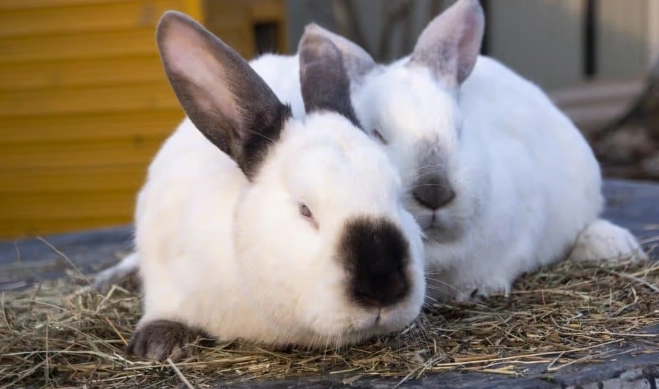
The Pros and Cons: An Honest Breakdown
Let's lay it all out on the table. This is the real-world balance sheet that helps answer "Do Californian rabbits make good pets?" for your situation.
The Pros (Why They Can Be Great Pets)
- Generally Wonderful Temperament: Their calm and friendly nature is their biggest selling point.
- Sturdy and Tolerant: Less fragile than tiny breeds, can be better for gentle, supervised handling.
- Less Prone to Panic: That commercial breeding can mean a steadier nerve, which makes for a less stressed pet.
- Intelligent and Interactive: Capable of forming deep bonds and learning.
- Low-Grooming Coat: The short fur is easy to care for most of the year.
- Often Healthy: As a well-established breed without extreme features, they are generally robust when cared for properly.
The Cons (The Challenges You Must Accept)
- Significant Space Requirements: You need a lot of room for a 10-pound bunny to live happily.
- Destructive Chewing: All rabbits chew, but a big rabbit can do big damage. Rabbit-proofing is a major task.
- High Hay & Vet Costs: They eat a mountain of hay. Vet bills for exotics are high, and emergencies happen.
- Long-Term Commitment: Rabbits live 8-12 years. This is a decade-long responsibility.
- Not Cuddly in the Traditional Sense: Most rabbits dislike being held and cuddled. They prefer to be petted while all four feet are on the floor. If you want a lap cat, get a cat.
- Requires a Bonded Partner for Optimal Happiness: Rabbits are social. Keeping a single rabbit alone in a cage is inhumane. The best practice is to adopt a bonded pair or go through the bonding process. This doubles cost and space needs.
- Shedding: When they shed, they REALLY shed. White fur on everything.
See what I mean? The pros are compelling, but the cons are serious lifestyle considerations. You can't just love the idea of the rabbit; you have to be willing to meet its needs, which are considerable.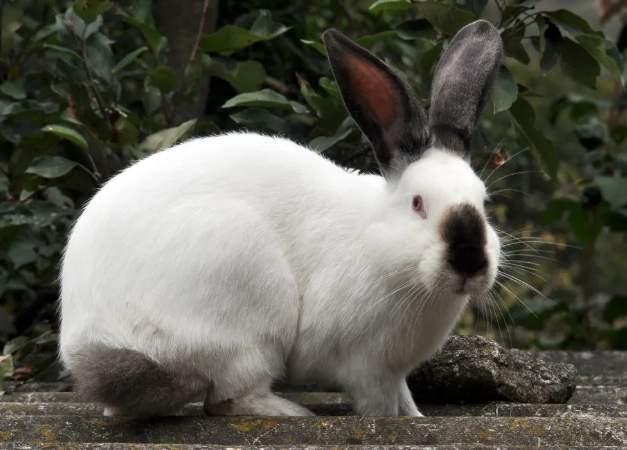
Answering Your Big Questions: The Californian Rabbit FAQ
The Final Verdict: So, Do Californian Rabbits Make Good Pets?
After all this, circling back to the core question—Do Californian rabbits make good pets?—I think you can see the answer is nuanced.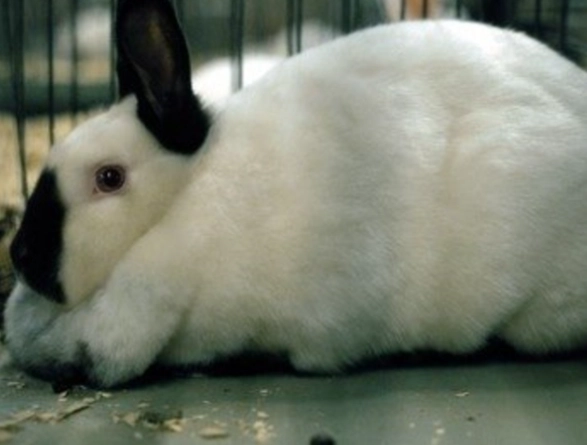
They are good pets for someone who:
- Has done extensive research on rabbit care.
- Has ample space in their home for a large, active animal.
- Is prepared for a 10-year financial and time commitment.
- Values a calm, interactive companion over a cuddly lap animal.
- Is committed to providing a diet of mostly hay and fresh greens.
- Has access to a rabbit-savvy exotic veterinarian.
- Understands the importance of spaying/neutering and providing a bonded partner.
They are poor pets for someone who:
- Wants a low-maintenance, cage-bound animal.
- Has limited space or a strict "no-chewing" policy for their home.
- Is looking for a pet for young children.
- Expects a cuddly animal that likes to be held.
- Is not prepared for potential high vet costs.
- Wants a short-term commitment.
The Californian rabbit's gentle soul is its greatest gift. But that gift comes wrapped in a package of significant responsibility. If you look at that list of needs and feel excited and prepared, not overwhelmed, then you might just be the perfect home for one of these beautiful, serene creatures. You'll be rewarded with a unique and deeply satisfying companionship.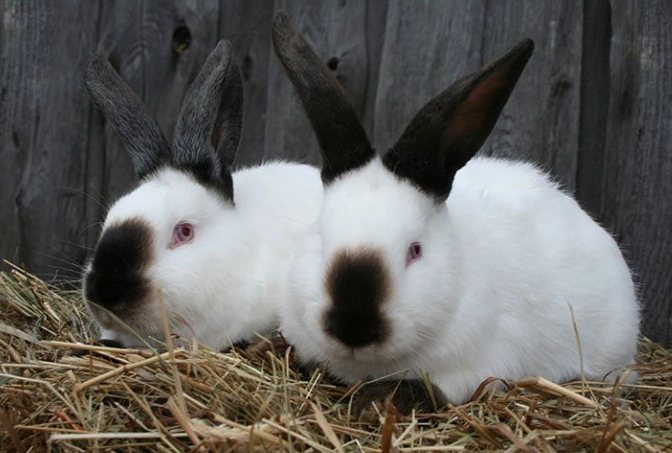
But if you have doubts, listen to them. The worst outcome is a rabbit, any rabbit, ending up in a shelter because its needs weren't understood. Do your homework. Maybe even consider fostering for a local rescue first. It's the best way to get a real-life answer to the question, "Do Californian rabbits make good pets... for me?"
Comment