Quick Navigation
- The Californian Rabbit Weight Growth Timeline: From Tiny Kit to Full-Sized Adult
- What Determines a Californian's Final Weight? It's Not Just Food
- How to Tell if Your Californian Rabbit is at a Healthy Weight
- The Real-World Impact of Wrong Weight: Underweight vs. Overweight
- Californian Rabbit Weight for Different Purposes: Pet, Show, Meat
- Your Action Plan: Managing Your Californian's Weight for Life
- Common Californian Rabbit Weight Questions Answered
- Final Thoughts: It's a Marathon, Not a Sprint
So you've got a Californian rabbit, or you're thinking about getting one. Maybe you're holding your fluffy friend and wondering, "Is he too heavy?" Or perhaps your bunny feels a bit light, and you're starting to worry. Getting a handle on your Californian rabbit's weight isn't just about numbers on a scale—it's the single most straightforward way to keep tabs on their overall health. It's like a window into their well-being.
I remember when I first got my Californian, Snowball. I was obsessed with the pictures online—those perfect, plump show rabbits. I fed him what I thought was a good amount, but a check-up revealed he was actually underweight for his frame. The vet said something that stuck with me: "With rabbits, you often can't see the problem until it's a big problem. The scale doesn't lie." That was a wake-up call. Since then, I've talked to breeders, dug into official standards, and learned the hard way that a one-size-fits-all approach doesn't work.
Let's cut through the confusion. What should a Californian rabbit weigh? The short, textbook answer from the American Rabbit Breeders Association (ARBA) is a commercial ideal of 8 to 10.5 pounds (3.6 to 4.8 kg) for a mature adult. But that's just the target. The real story is how they get there, what can throw them off track, and what to do about it.
The Californian Rabbit Weight Growth Timeline: From Tiny Kit to Full-Sized Adult
You can't understand adult weight without looking at the journey. Californians grow fast. Really fast. Missing key milestones can be the first sign of trouble, so knowing what to expect is crucial.
Here’s a breakdown of the typical Californian rabbit weight progression. Keep in mind, these are averages. Just like human babies, some kits are bigger, some are smaller. But if your bunny is consistently far outside these ranges, it's time to ask why.
| Life Stage | Approximate Age | Average Weight Range | What's Happening |
|---|---|---|---|
| Newborn Kit | Birth | 1.5 - 2.5 oz (40 - 70 g) | Totally dependent on mom. Weight gain in the first week is critical. |
| Weaning | 6 - 8 weeks | 2 - 4 lbs (0.9 - 1.8 kg) | Transitioning from milk to solid food. Growth rate is explosive. |
| "Teenager" | 3 - 5 months | 4 - 7 lbs (1.8 - 3.2 kg) | Rapid skeletal and muscle growth. They eat a ton! |
| Young Adult | 6 - 8 months | 7 - 9 lbs (3.2 - 4.1 kg) | Growth starts to slow. Reaching sexual and physical maturity. |
| Mature Adult | 9+ months | 8 - 10.5 lbs (3.6 - 4.8 kg) | Full adult size. Weight should stabilize with proper care. |
| Senior (5+ years) | 5+ years | May decrease slightly | Metabolism slows. Muscle mass may decline, requiring diet adjustment. |
The period between 8 weeks and 6 months is where you'll see the most dramatic change. One breeder I know calls it the "bottomless pit" phase because they seem to eat constantly to fuel that growth. It's normal. Resist the urge to heavily restrict food during this time.
But what does "mature adult" really mean?
Many people think a 6-month-old rabbit is fully grown. For Californians, that's often not true. While they reach sexual maturity around then, they can continue to fill out and gain muscle and bone density until they are 9-12 months old. That last pound or so of gain can happen slowly. So, if your 7-month-old Californian is 8.5 pounds, don't panic that they're "overweight." They might just be finishing their growth.
What Determines a Californian's Final Weight? It's Not Just Food
If you put two Californian rabbits on the exact same diet, they might still end up at different weights. Frustrating, right? Here’s what’s really pulling the strings:
Genetics: The Blueprint
This is the biggest factor. A rabbit from a line bred for large, show-winning bodies (pushing that 10.5 lb mark) will have a different genetic potential than one from a pet line or a more moderately sized breeding line. You can't change this. If you got your rabbit from a breeder, ask about the size of the parents. It's the best clue you'll get.
Sex: Bucks vs. Does
Generally, but not always, does (females) tend to be slightly heavier than bucks (males). The difference might only be half a pound or so, but it's noticeable. Does have a broader frame to accommodate pregnancy. That said, I've seen some massive, laid-back bucks that defy the trend.
Diet & Nutrition: The Fuel
This is where you have total control. A diet too rich in pellets and treats will lead to fat gain, not healthy muscle. A diet too sparse in calories will stunt growth or cause unhealthy weight loss. The cornerstone of good weight management is unlimited, high-quality hay (Timothy hay is perfect for adults). It provides fiber for digestion and encourages chewing without packing in empty calories.
Exercise & Lifestyle: The Activity Level
A rabbit confined to a small cage 24/7 will not develop the same muscle tone as one with 4+ hours of free-roam or large-pen exercise time. Muscle weighs more than fat. A fit, active 9.5-pound Californian will look sleek and solid. A sedentary 9.5-pound rabbit might look pudgy. Weight is a number; body condition is the true picture.
Health Status: The Hidden Variable
Sudden weight loss is a massive red flag. It could signal dental problems (making eating painful), GI stasis, parasites, or other illnesses. Sudden weight gain can sometimes indicate hormonal issues or simply that your bunny has mastered the art of begging for treats. Any rapid, unexplained change warrants a vet visit.
How to Tell if Your Californian Rabbit is at a Healthy Weight
The scale gives you a number, but your hands and eyes tell you the story. Here’s the hands-on body condition check I learned from a rabbit-savvy vet. Do this every couple of weeks.
- The Rib Check: Run your hands along your rabbit's sides, behind the front legs. You should be able to feel their ribs with a slight padding over them, like a thin layer of velvet. If you have to press hard to find them, your rabbit is likely overweight. If the ribs feel sharp and prominent with no padding, your rabbit is underweight.
- The Spine and Hip Check: Gently feel along the spine and over the hip bones. The vertebrae should feel rounded and smooth, not sharp and jagged. There should be a gentle covering over the hips. If the hip bones are sticking out sharply, it's a sign of being underweight. If you can't feel any definition at all and there's a thick, doughy layer, it's a sign of being overweight.
- The Profile View: Look at your rabbit from the side. There should be a gentle curve from the chest back to the abdomen. A severely sunken abdomen or a sharply sagging belly (a large dewlap in does aside) can indicate problems. From above, you should see a slight taper at the waist behind the ribs. A perfectly cylindrical body or one that bulges outward suggests excess weight.

It sounds more complicated than it is. After a few tries, it becomes second nature.
The Real-World Impact of Wrong Weight: Underweight vs. Overweight
This isn't about aesthetics. Being far from the ideal Californian rabbit weight has serious health consequences.
Risks of an Underweight Californian Rabbit
- Weakened Immune System: A rabbit without adequate fat reserves is more vulnerable to infections and has a harder time recovering from illness or surgery.
- Poor Fur Quality: The coat may look dull, thin, or patchy.
- Lethargy and Weakness: They lack energy reserves, making them less active and more prone to chilling.
- Organ Failure Risk: In severe cases, the body starts breaking down muscle and organ tissue for energy.
Risks of an Overweight Californian Rabbit
- Sore Hocks (Pododermatitis): Excess weight puts tremendous pressure on the delicate heel bones, leading to painful sores and infections. This is a huge issue in heavy breeds.
- Heart and Liver Disease: Fatty liver disease (hepatic lipidosis) is a deadly risk, especially if an overweight rabbit stops eating suddenly.
- Arthritis: Extra pounds strain joints, leading to pain and mobility issues, which then leads to less exercise, creating a vicious cycle.
- Grooming Difficulties: They can't reach their cecotropes (the nutrient-rich droppings they need to re-ingest), leading to dietary deficiencies and a messy backend.
- Heat Stress: Fat acts as insulation, making them far more susceptible to fatal heatstroke in warm weather.

Californian Rabbit Weight for Different Purposes: Pet, Show, Meat
This is a nuance most articles miss. The "ideal" weight shifts slightly depending on your rabbit's role in your life.
| Purpose | Target Weight Focus | Key Considerations |
|---|---|---|
| Beloved Pet | Health & Longevity (8-10 lbs) | Your goal is a rabbit that is active, agile, and free from weight-related ailments. A leaner 8.5 lbs is often healthier than a show-weight 10.5 lbs if it means less joint stress. Focus on body condition over hitting a specific high number. |
| Show Rabbit | Breed Standard Perfection (9-10.5 lbs) | ARBA standards favor a "commercial" full-fleshed body. Show rabbits are often kept at the higher end of the range to display ideal type. This requires meticulous diet control and exercise to ensure the weight is muscle and condition, not fat. Resources from the ARBA's Guide to the Californian Breed are essential. |
| Meat Production | Feed-to-Meat Ratio & Dressing Percentage | Here, Californian rabbit weight is an economic metric. The goal is a fast-growing rabbit that reaches a market weight of 5-6 lbs live weight at 8-10 weeks, yielding a 3-3.5 lb carcass. The focus is on efficient growth, not long-term maintenance. Information from agricultural extensions, like those from the USDA, often discusses these commercial targets. |
See the difference? A pet owner might be thrilled with a sleek, 9-pound companion. A show breeder might work to get that same rabbit to 10 pounds of solid condition. Neither is "wrong," but the goals differ.
Your Action Plan: Managing Your Californian's Weight for Life
Okay, theory is done. What do you actually do?
For a Healthy Adult (Maintenance)
- Hay: Unlimited Timothy (or Orchard) grass hay. This is 80% of the game.
- Pellets: A measured amount. A common guideline is 1/4 cup of plain timothy-based pellets per 5 lbs of body weight daily. Adjust based on your rabbit's condition. If they're gaining, cut back a little.
- Greens: 1-2 cups of dark leafy vegetables daily (romaine, kale, cilantro, etc.).
- Treats: Sparingly. A blueberry or a small slice of apple once or twice a week, max.
- Exercise: Non-negotiable. Daily running, jumping, and exploring time.
For Weight Gain (Underweight Rabbits)
- Vet First: Rule out medical causes (teeth, parasites).
- Increase Pellets: Temporarily offer more high-quality alfalfa-based or performance pellets. Alfalfa hay can also be mixed with grass hay for extra calories and protein.
- Healthy Fats: A tiny amount of rolled oats or black oil sunflower seeds (BOSS) can help. I'm talking a teaspoon every other day, not a bowl.
- Critical Care: In severe cases, a vet may prescribe syringe-feeding a recovery formula like Oxbow's Critical Care to jumpstart intake.
For Weight Loss (Overweight Rabbits)
- Cut Treats Completely: Just stop. No fruit, no commercial treats.
- Reduce Pellets Gradually: Over 2-3 weeks, reduce pellet ration by 25-50%. Never eliminate them entirely without vet advice.
- Increase Hay Variety: Offer different types of grass hay to encourage more eating of the low-calorie staple.
- Increase Exercise Creatively: Make them work for food. Use foraging mats, hide greens in cardboard tubes, create obstacle courses.
Common Californian Rabbit Weight Questions Answered
Let's tackle the stuff people are actually typing into Google.
"My Californian rabbit is 11 pounds. Is that bad?"
It depends on the frame. An 11-pound rabbit on a massive, broad frame might just be a big individual. But for the standard, it's over the ideal. The real question is body condition. If that 11 pounds is solid and the rabbit is active with a good waist, it might just be its genetic lot. If it's fat and round, it's unhealthy and needs a weight loss plan. A vet can give you the best assessment.
"How much should a 3-month-old Californian rabbit weigh?"
This is a hot one. At 3 months (12 weeks), they're in that crazy growth phase. Expect a range of 4 to 6 pounds. A lot depends on weaning time and genetics. Don't panic if yours is 4.5 lbs and a friend's is 5.5 lbs. Focus on consistent growth, not a single number.
"Is my rabbit too skinny if I can feel its spine?"
You should be able to feel the spine. The key is how it feels. As described earlier, it should feel like a string of pearls under a blanket—rounded bumps, not a razor-sharp ridge. If the individual vertebrae feel sharp and prominent with deep valleys between them, yes, that's too skinny.
"Do Californians weigh more than New Zealand Whites?"
They're very similar. Both are commercial breeds with ARBA standards in the same 8-10.5 lb (for NZ Whites) and 9-11 lb (for NZ Reds) ballpark. In practice, they're often interchangeable in size. You can't reliably tell them apart by Californian rabbit weight alone; the pointed coloration is the giveaway.
"How often should I weigh my rabbit?"
For a healthy adult, once a month is plenty. For a growing kit (under 6 months), every two weeks is good to track progress. For a rabbit on a weight loss or gain plan, or with health issues, weekly weighing is wise. Use a digital kitchen scale for kits and a pet/baby scale for adults. Make it a positive, treat-free experience.
Final Thoughts: It's a Marathon, Not a Sprint
Chasing the perfect Californian rabbit weight can feel obsessive. I've been there, weighing Snowball every week and fretting over a few ounces. What I've learned is that consistency is more important than perfection. A stable weight within a healthy range is the goal. Sudden drops or climbs are the real alarms.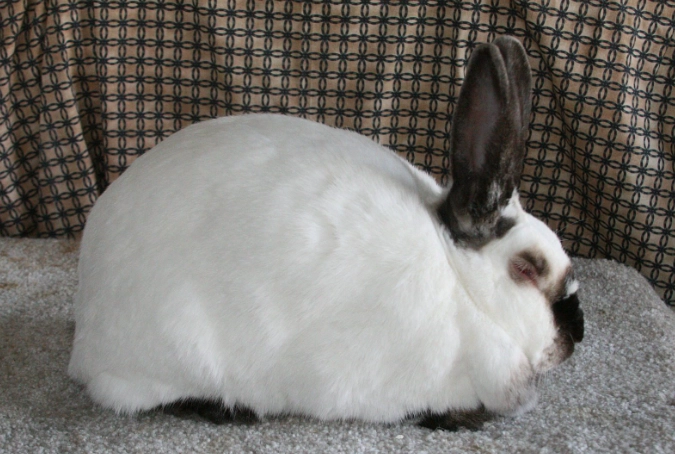
Use the ARBA standard as a guidepost, not a law. Your rabbit is an individual. Pair the number on the scale with your hands-on body condition check. Provide a diet built on hay, encourage movement, and cut the junk food. It's simple, but not always easy, especially when they give you those begging eyes.
Your rabbit's weight is a conversation they're having with you about their health. Your job is to listen.
By understanding the journey from a 2-ounce kit to a 10-pound adult, the factors at play, and the real-world steps to take, you're equipped to be the best caretaker for your Californian. You'll ensure they live a long, active, and healthy life—at just the right weight for them.
Comment