Quick Guide to Maximizing Your Rabbit's Years
- What Exactly is a "Californian Rabbit" Anyway?
- The Numbers Game: Average Californian Rabbit Lifespan vs. Reality
- The Big Five: What Really Determines How Long Your Californian Rabbit Lives
- The Aging Californian Rabbit: What to Expect and How to Adapt
- Answering Your Burning Questions on Californian Rabbit Lifespan
- Putting It All Together: Your Action Plan for a Long Lifespan
So you're thinking about getting a Californian rabbit, or maybe you already have one staring at you with those pink eyes right now. And you're wondering, how long is this beautiful creature going to be part of your life? It's a big question, maybe the biggest one after "are they litter trainable?" (Spoiler: yes, usually). The short, oversimplified answer you'll see everywhere is 5 to 10 years. But honestly, that range is about as helpful as saying a car lasts 5 to 15 years. It's true, but it doesn't tell you why or how to hit that upper end.
I've had rabbits for over a decade, Californians included, and I've seen the whole spectrum. I had a sweet boy named Mochi who made it to a sprightly 11, and I've also known of rabbits from good homes that sadly didn't see their 6th birthday due to unforeseen health issues. That's the frustrating and beautiful thing about the Californian rabbit lifespan – it's not a preset number. It's a direct reflection of the care, environment, and a bit of genetic luck.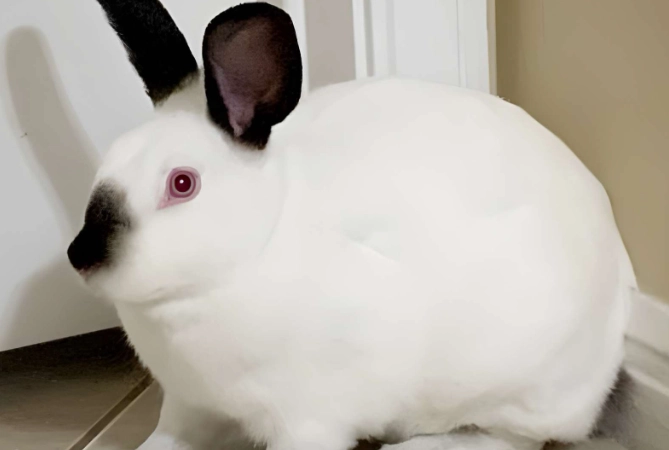
Let's ditch the vague averages and get into what actually moves the needle. What daily choices add years? What common mistakes shorten them? And how do you spot the difference between normal aging and a red flag? That's what we're unpacking here.
What Exactly is a "Californian Rabbit" Anyway?
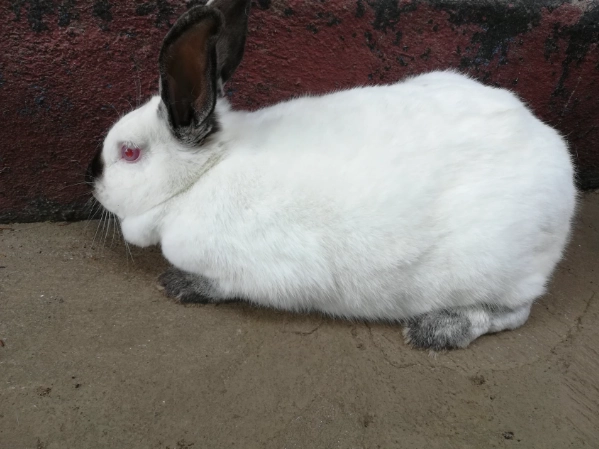
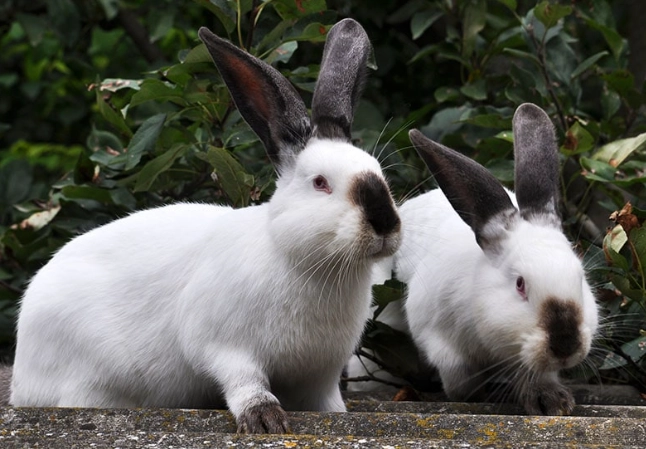
Before we talk about how long they live, let's be sure we're talking about the same animal. The Californian is a commercial breed, originally developed for meat and fur, which actually gives us clues about their hardiness. They're medium to large, usually 8-10.5 pounds, with that iconic pure white body and dark points (ears, nose, feet, tail). Those points are caused by a temperature-sensitive enzyme – they're darker where their body is cooler. Neat, right?
Their temperament is often a fantastic blend of calm and curious. They're not usually as hyper as some smaller breeds, which can make them great family pets (with supervision, of course). This generally placid nature might contribute to less stress, and less stress is good for longevity. But don't let the calm fool you – they're intelligent and need mental stimulation just like any rabbit.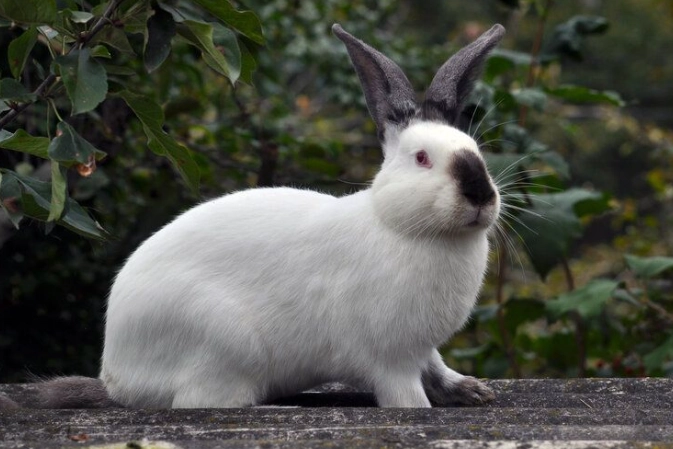
The Numbers Game: Average Californian Rabbit Lifespan vs. Reality
Alright, the number you searched for. Most reputable sources, like the House Rabbit Society, will state an average lifespan of 5 to 10 years for domestic rabbits, and Californians fit squarely in that range. But "average" includes everything. It includes rabbits kept in small outdoor hutches with inadequate care, which sadly still happens. It includes rabbits that develop preventable illnesses.
If we filter for modern, informed, indoor rabbit guardianship, the realistic expected Californian rabbit lifespan shifts upward. Think 7 years as a lower benchmark for a well-cared-for pet, with 8-10 being a very achievable goal. Records exist of rabbits living past 12, but that's exceptional care meeting exceptional genetics.
Here’s a breakdown that makes more sense than a single number:
| Care Scenario | Typical Lifespan Range | Primary Influencing Factors |
|---|---|---|
| Minimal/Outdoor Hutch Care | 3 - 6 years | Exposure to weather, predators, disease, parasites, poor diet, isolation, lack of vet care. |
| Basic Indoor Pet Care | 5 - 8 years | Unlimited pellets, limited hay, occasional veggies, annual vet check, limited space. |
| Informed, Optimal Indoor Care | 8 - 12 years | Unlimited hay, controlled pellets, rich veggie diet, spacious habitat, rabbit-savvy vet, neutering/spaying, companionship, mental enrichment. |
See the difference? Your target should be that bottom row. It transforms the Californian rabbit lifespan from a roll of the dice into a planned journey.
 The gap between 5 years and 10 years is a lifetime of extra nose bonks and flops. It's worth understanding.
The Big Five: What Really Determines How Long Your Californian Rabbit Lives
If you remember nothing else from this article, focus on these five pillars. They are the master controls for your rabbit's health and longevity.
1. Diet: It's Not Just Food, It's Medicine
This is the biggest one. Get this wrong, and nothing else matters as much. A rabbit's digestive system is a high-performance engine that needs the right fuel, constantly.
- Unlimited Grass Hay (Timothy, Orchard, Meadow): This should be 80-90% of their diet. Not just a pile, but a constant, fresh supply. Hay wears down teeth (which never stop growing) and keeps the gut moving. Gastrointestinal stasis is a silent killer, and hay is the best prevention. I buy hay by the bale from a local farm – it's cheaper and fresher than pet store bags.
- Fresh Leafy Greens: A packed cup per 2 lbs of body weight daily. Romaine, cilantro, bok choy, spring greens. Rotate them. Avoid iceberg lettuce (no nutritional value) and go easy on high-oxalate greens like spinach.
- Limited Pellets: This is where many go overboard. A high-fiber, plain pellet (no colorful bits or seeds) should be a supplement, not the main event. For an adult Californian, about 1/4 cup per day is plenty. Overfeeding pellets leads to obesity and dental issues.
- Treats Sparingly: A blueberry or a small slice of banana is a treat, not a meal. Fruits are high in sugar.
2. Veterinary Care: Find a Specialist, Not Just Any Vet
Rabbits are exotic pets. A dog-and-cat vet is often not enough. You need a vet who specifically lists rabbits or exotics. Why? Because everything from anesthesia protocols to symptom recognition is different.
- Annual Check-ups: Non-negotiable. This includes a thorough dental check (those back molars can get spurs you can't see).
- Neutering/Spaying: This is arguably the single most important medical intervention for extending the Californian rabbit lifespan. For females, it virtually eliminates the risk of uterine cancer, which approaches 80% in unspayed rabbits over 5. For males, it reduces aggression, spraying, and cancer risk. It's not just about preventing babies; it's about preventing a leading cause of premature death.
- Vaccinations: Depending on where you live. In the UK and parts of Europe, vaccinations against Myxomatosis and Rabbit Hemorrhagic Disease (RHD/RHD2) are critical. In the US, RHDV2 vaccines are becoming more available and are highly recommended. Discuss with your rabbit-savvy vet. The RSPCA has excellent, up-to-date guidance on this.
You need a vet before you have an emergency. Watching your rabbit struggle while you frantically google "emergency rabbit vet near me" is a nightmare scenario.
3. Environment: Safe, Spacious, and Stimulating
Indoors is non-negotiable for maximizing the Californian rabbit lifespan. Outdoor hutches expose rabbits to temperature extremes, predators (even with a locked hutch, the stress is real), flies (which can cause fatal flystrike), and diseases from wild animals.
- Space: An exercise pen (x-pen) is far better than most cages. They need room to run, jump, and do those hilarious binkies. A minimum of 4'x4' of permanent space, with several hours of supervised or secured free-roam time in a rabbit-proofed room.
- Rabbit-Proofing: Chewing is a biological need. Protect wires (use cord protectors), baseboards, and furniture legs. Provide plenty of approved chew toys: applewood sticks, willow balls, cardboard castles.
- Litter Training: Surprisingly easy. Use a large litter box with a paper-based or aspen pellet litter, and put hay right in or next to it. They like to munch and poop.
- Companionship: Rabbits are social. A neutered/spayed bonded pair provides constant company, grooming, and play. A lonely rabbit can become depressed, which impacts health. The process of bonding (introducing two rabbits) is a topic in itself, but it's a game-changer for their quality of life.
4. Genetics and Breed-Specific Considerations
Californians are generally a robust breed. They don't have the extreme facial brachycephaly of breeds like the Netherland Dwarf that can cause dental issues, nor the giant size of a Flemish that can bring joint problems. This is a point in their favor for a long Californian rabbit lifespan.
However, any purebred animal can have genetic lines prone to certain issues. When getting a rabbit, ask the breeder or rescue about the health history of the parents. A reputable source will be transparent. A rabbit from a backyard breeder or pet store is a complete genetic mystery, which is a risk factor.
5. The Human Factor: Observation and Proactivity
Rabbits are prey animals. They hide illness until they can't anymore. You have to become a detective.
- Know Their Normal: How many poops per day? What's their usual energy level? How much do they normally eat and drink? Any change is a clue.
- The 12-Hour Rule: If your rabbit stops eating or pooping entirely, this is a level-red emergency. Gastrointestinal stasis can kill within 24 hours. Don't "wait and see." Call your vet immediately.
- Regular Grooming: Californians have medium-length fur. Weekly brushing prevents them from ingesting too much hair, which can cause blockages. During heavy sheds, brush daily.
The Aging Californian Rabbit: What to Expect and How to Adapt
Around 5-6 years old, your Californian is entering its senior years. You might notice subtle changes. Their Californian rabbit lifespan is now in its later chapters, and care needs to adapt.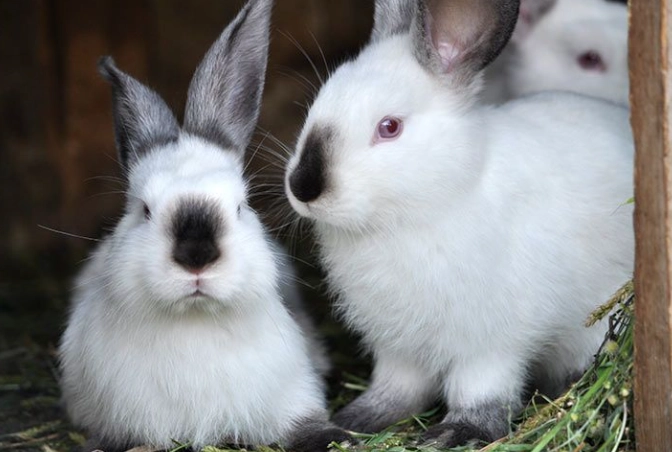
- Arthritis: Very common. You might see them hesitating before a jump, or having trouble grooming their back. Provide lower-entry litter boxes, more carpeting or rugs for traction, and ramps instead of steps. Your vet can discuss pain management options like Metacam (meloxicam), which can dramatically improve their comfort.
- Dental Issues: Even with good hay, wear patterns can change. Weight loss, drooling, or preferring softer foods are signs. More frequent dental checks may be needed.
- Vision/Hearing Loss: They adapt remarkably well. Avoid rearranging their core living space suddenly. Approach from the front where they can see/smell you.
- Diet Tweaks: Some seniors need easier-to-chew hay (second cut timothy is softer) or a slight increase in pellets if maintaining weight becomes hard. Always consult your vet.
Answering Your Burning Questions on Californian Rabbit Lifespan
While verified, breed-specific records are hard to pin down, there are numerous anecdotal reports from owners of Californians and similar-sized breeds living to 12, 13, even 14 years. The Guinness World Record for oldest rabbit ever is held by a wild rabbit who lived to an astonishing 18, but that's a completely different context. For a domestic Californian, 12+ is the exceptional outer limit with flawless care and genetics.
There's no strong biological evidence that one sex inherently lives longer than the other. However, a spayed female will almost always outlive an unspayed female due to the elimination of uterine cancer risk. Since both sexes should be neutered/spayed for optimal health and behavior, the sex difference becomes negligible in determining Californian rabbit lifespan.
Physically, yes. A solitary rabbit in a stimulating environment with a devoted human can live a full lifespan. But emotionally, it's a compromise. Rabbits are wired for social connection with their own kind. A bonded partner provides constant companionship that even the most attentive human cannot replicate 24/7. I believe a bonded rabbit is a happier, less stressed rabbit, and that contributes to overall health.
This is a common myth. It is the opposite. Keeping a rabbit safely indoors is the single most effective way to protect them from the top causes of premature death: predators, extreme weather, and parasites. An enriched indoor space with space, toys, and interaction is a paradise for them, not a prison.
Absolutely not. This is when they need you and your vet more. Senior pets benefit from more frequent monitoring (e.g., every 6 months) to catch age-related issues like kidney changes or early arthritis before they become debilitating. Proactive care is the secret to extending the Californian rabbit lifespan into those golden years.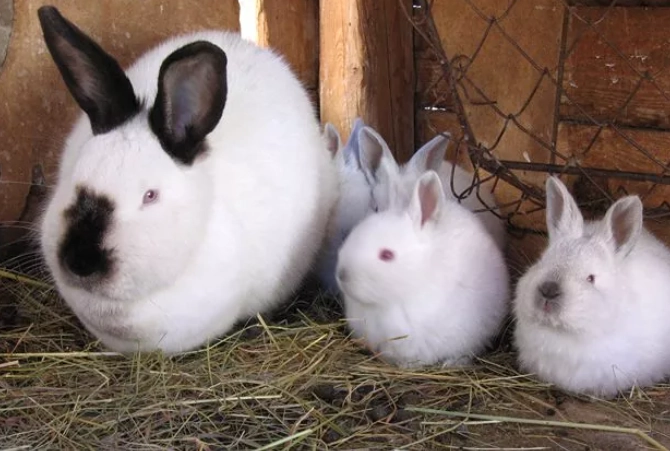
Putting It All Together: Your Action Plan for a Long Lifespan
It can feel like a lot, so let's simplify it into a weekly and monthly rhythm.
- Daily: Refill hay (multiple times), provide fresh greens and water, clean litter box, observe eating/pooping/behavior, offer some interaction/play.
- Weekly: Thorough habitat clean, change all bedding, brush fur, weigh your rabbit (kitchen scale works), inspect nails.
- Monthly: Deep clean all bowls and toys, re-evaluate toy rotation and enrichment, check rabbit-proofing for new chew hazards.
- Annually/Biannually (for seniors): Veterinary check-up, including dental exam.
Ultimately, the question of Californian rabbit lifespan is a question of commitment. It's about choosing the right vet, saying no to the sugary treats, buying the endless bags of hay, and learning to read the silent language of a creature that doesn't cry out when it's unwell.
It's work. But when your white-furred friend is still nudging your hand for pets years after you brought them home, you'll know every bit of that work was worth it. You're not just hoping for a long lifespan; you're building it, one day at a time.
Comment