Your Quick Guide
- Getting to Know the Californian Rabbit: More Than Meets the Eye
- The Million Dollar Question: Are Californian Rabbits Good Pets?
- A Realistic Care Guide: What It Actually Takes
- Californian Rabbit vs. The World: How Do They Compare?
- Answering Your Burning Questions (FAQ)
- The Final Verdict: Is a Californian Rabbit Right for YOU?
You've probably seen them – those stunning rabbits with the pure white coat, dark ears, nose, and feet, looking like they're dressed for a formal evening. Californian rabbits are hard to miss. And if you're here, you're likely wondering if their good looks come with a personality to match a family home. Is the Californian rabbit a pet that's more than just a pretty face? Well, I've spent a good chunk of time around rabbits, and I can tell you, the answer isn't just a simple yes or no. It's a "it depends," and mostly on you.
I remember the first time I seriously considered getting a Californian. I was drawn in by that classic, almost iconic appearance. But I also heard they were originally bred for meat and fur, which gave me pause. Could an animal bred for that purpose really settle into being a couch companion? It's a fair question many potential owners have. So, let's move past the first impression and really unpack what life with a Californian rabbit is like.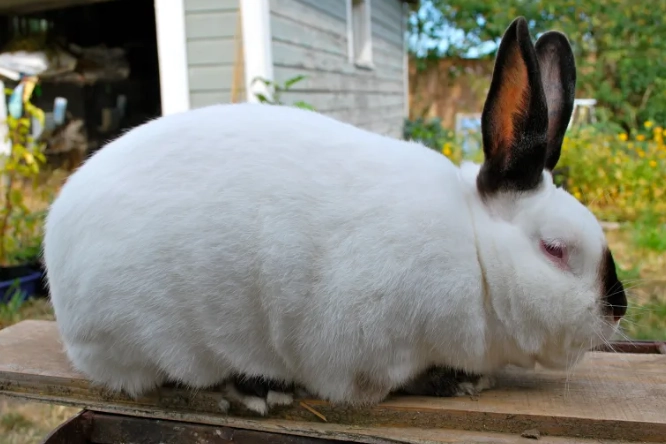
The Core Question: When people ask "Are Californian rabbits good pets?" they're usually asking a few things at once: Are they friendly? Are they easy to care for? Are they good with kids? Will they destroy my house? We'll get to all of that.
Getting to Know the Californian Rabbit: More Than Meets the Eye
Before we dive into personality, let's set the stage. The Californian is what we call a commercial breed. They're a good size, typically weighing between 8 to 10.5 pounds, which puts them in the medium-large category. They feel solid and substantial when you hold them. They were developed in the early 1920s in, you guessed it, California, by a fellow named George West. He crossed Himalayan whites with New Zealand Whites and then probably some Chinchilla rabbits in the mix, aiming for a prime commercial animal. The fact that they succeeded so well in that arena tells you something about their hardiness and efficient growth.
But here's the twist – those very traits (hardiness, calm demeanor) are what have made them transition so successfully into the pet world. The American Rabbit Breeders Association (ARBA) recognizes them, and they're a common sight in shows, which speaks to their standardized, predictable qualities. You can check out the official breed standard on the ARBA website if you're curious about the exact details judges look for.
Their most famous feature is their color pattern, which is a form of temperature-sensitive albinism. They're born all white. Their points – the ears, nose, feet, and tail – darken as they grow and are influenced by cooler temperatures. That's why you might see a Californian with lighter points in summer and darker, crisper points in winter. It's a pretty cool bit of rabbit biology.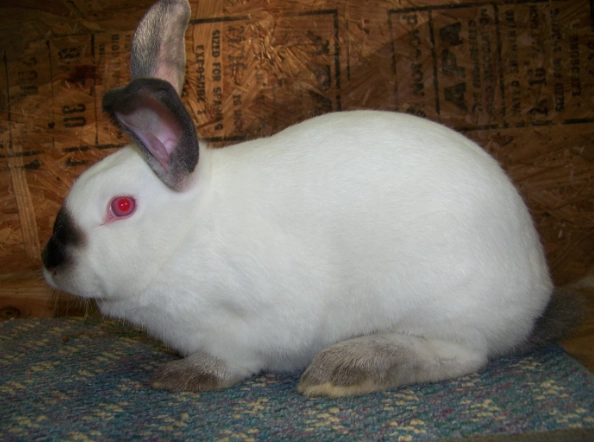
The Million Dollar Question: Are Californian Rabbits Good Pets?
Alright, let's cut to the chase. Based on experience and consensus from long-time owners and breeders, Californian rabbits often make excellent pets for the right person. But I have to be honest, they aren't a magic "perfect pet" for absolutely everyone. Let's break down why they shine and where they might give you pause.
Why People Love Them (The Pros)
- Generally Docile and Gentle Temperament: This is their biggest selling point. Californians are renowned for their calm, laid-back nature. They're less likely to be skittish or high-strung compared to some smaller, more energetic breeds. This calmness makes them easier to handle, especially for beginners or families with calm, respectful children.
- Friendly and Sociable: When properly socialized, they often develop sweet, affectionate personalities. They might not always be as overtly "dog-like" as some breeds famed for that trait, but many enjoy head rubs, will hop over to investigate you, and can form strong bonds with their humans. They are social animals and shouldn't live in isolation.
- Intelligent and Trainable: Don't let the calm exterior fool you. These are smart animals. You can litter train them relatively easily (spaying/neutering is key here), and they can learn to recognize their name, come when called, and navigate simple agility courses for fun and mental stimulation.
- Hardy and Healthy: Their commercial breeding history gifted them with robust genetics. They aren't plagued by as many breed-specific health issues as some ultra-specialized show breeds. With proper care, they can live a full 7 to 10 years.
- Good Size: Their medium-large size is a pro for many. They're not so tiny and fragile that you're terrified of hurting them (though you always handle gently!), and not so massive that housing becomes a huge logistical challenge.
What You Need to Be Ready For (The Cons)
- They Need Space – A Lot of It: This is a big one. A Californian cannot live its life in a small cage. They need a large, dog-proofed exercise pen (x-pen) or a dedicated rabbit-proofed room to run, hop, binky (those joyful jumps), and explore for several hours every single day. A hutch is not enough. Period.
- Chewing is Inevitable: They are rodents. Their teeth grow constantly. Baseboards, chair legs, charger cables, books – nothing is safe unless you proactively protect it or provide a mountain of appropriate chew toys (applewood sticks, willow balls, cardboard). This is a rabbit thing, not just a Californian thing, but their size means they can reach more stuff.
- Grooming is Regular Work: That beautiful white coat shows every speck of dirt and requires regular maintenance. They are moderate shedders, but when they blow their coat (usually during seasonal changes), it's a snowstorm of white fur. Weekly brushing is a must, and daily during heavy sheds.
- Not Always a Lap Rabbit: While calm, some individuals are more "floor bunnies" than cuddlers. They may enjoy being near you and accept pets, but not necessarily tolerate being held for long periods. This depends heavily on the individual rabbit's personality and how they were socialized from a young age.
- Veterinary Care is Specialized: Rabbits need an exotic vet, not a standard cat-and-dog vet. These visits can be more expensive. You also must budget for spaying/neutering, which is non-negotiable for health, behavioral, and litter-training reasons.
So, are Californian rabbits good pets? For someone who understands and accepts the cons (space, chewing, grooming) and is prepared to meet those needs, the pros (gentle, friendly, hardy) make them a truly wonderful companion. For someone wanting a low-maintenance pet that lives in a small cage and doesn't require much interaction, they are a terrible choice.
Let me put it this way: if you're looking for a pet that's more interactive than a hamster but less demanding than a puppy, a well-cared-for Californian rabbit might just hit that sweet spot.
A Realistic Care Guide: What It Actually Takes
Okay, so you're still interested. Let's talk about the day-to-day. This isn't meant to scare you off, but to paint a real picture. I've seen too many rabbits surrendered because people didn't know what they were signing up for.
Housing: Think Palace, Not Prison Cell
Forget the tiny pet store cages. A Californian's primary enclosure should be at minimum a large dog exercise pen (like a Midwest brand x-pen) that gives them room to take several hops in any direction. Many owners opt for free-roaming in a rabbit-proofed room or use large puppy playpens connected to a cozy hideout. The House Rabbit Society, a fantastic resource, has detailed housing guides that are far better than any generic pet store advice. Their space needs to include a litter box (yes, they can be trained!), a hidey-house for security, a heavy ceramic bowl for water (or a water bottle as a backup), and a rack or basket for hay.
The Diet: It's Not Just Pellets
This is where many first-time owners mess up. A rabbit's diet is about 80% hay. Unlimited, high-quality grass hay (Timothy, Orchard, Meadow) must be available 24/7. This keeps their digestive system moving and grinds down their teeth. Pellets are just a supplement – about 1/4 cup per day of a plain, high-fiber Timothy-based pellet for an adult. Fresh leafy greens (romaine, kale, cilantro, bok choy) are a daily must. Fruits and carrots are high-sugar treats, given sparingly. The University of California's agriculture extension often has great, science-backed resources on small animal nutrition that align with this.
Health & Grooming: Prevention is Everything
Their white fur needs brushing at least weekly to prevent mats and reduce hairballs (which can cause deadly GI stasis). Check their nails monthly. Their teeth should be checked by a vet during annual exams, as malocclusion (misalignment) can happen. The biggest health threat is GI Stasis – when their gut slows down or stops. Knowing the signs (small or no poops, lethargy, loss of appetite) and getting to a vet IMMEDIATELY is critical. A great reference for rabbit health symptoms is provided by organizations like the Rabbit Welfare Association & Fund (RWAF).
Here’s a quick-reference table for common health issues to watch for:
| Health Concern | What to Look For | Prevention Tips |
|---|---|---|
| GI Stasis | No fecal pellets, hunched posture, lethargy, grinding teeth (in pain), loss of appetite. | Unlimited hay, daily exercise, minimize stress, know your rabbit's normal eating/pooping habits. |
| Dental Problems | Drooling, wet chin, difficulty eating, dropping food, weight loss. | Unlimited hay is the #1 prevention. Annual vet dental checks. |
| Fur Mites/Parasites | Excessive scratching, flaky skin, patches of lost fur. | Keep living area clean. Isolate new animals. Vet can provide preventive treatment. |
| Sore Hocks | Bald, red, or ulcerated patches on the bottom of the back feet. | Provide soft, dry resting surfaces (fleece blankets, grass mats). Avoid wire-bottom cages entirely. |
| Respiratory Issues | Sneezing, runny nose/eyes, labored breathing. | Keep area clean, dry, and draft-free. Use low-dust bedding and hay. |
Californian Rabbit vs. The World: How Do They Compare?
People often ask how they stack up against other popular breeds. It's a good way to contextualize their traits.
Vs. Netherland Dwarf: The Dwarf is tiny, often more energetic and can be a bit more skittish or feisty. A Californian is a gentle giant in comparison. If you want a calmer, easier-to-handle rabbit and have the space, Californian wins for temperament. If you have very limited space (though still adequate), a Dwarf might be considered, but their energy can be surprising.
Vs. Holland Lop: Lops are incredibly popular for their floppy ears and compact size. They often have sweet personalities too. It's a closer call. Hollands might be slightly more prone to dental issues due to their brachycephalic (smushed-face) skull shape. Californians generally have fewer breed-specific health concerns. It's more about size preference and finding a well-bred individual with a good temperament.
Vs. New Zealand White: Their close cousin. Temperaments are very similar – both are commercial breeds known for being calm and friendly. The main difference is color (New Zealands come in white, red, and black). It often comes down to which you find at a rescue or from a reputable breeder in your area.
class="short-paragraph" style="background-color: #f0fdf4; border-radius: 10px; padding: 15px;">The bottom line? Breed gives you a general blueprint, but individual personality matters most.
Answering Your Burning Questions (FAQ)
The Final Verdict: Is a Californian Rabbit Right for YOU?
So, after all this, let's circle back. Are Californian rabbits good pets? For the right person, absolutely. They are gentle, friendly, and rewarding companions.
You might be a great match for a Californian rabbit if:
- You have ample space in your home for a large pen and daily free-roam time.
- You are prepared to rabbit-proof like your life depends on it (because your cords and baseboards do).
- You understand and can budget for their specific dietary and veterinary needs.
- You want a pet that is interactive and has personality, but not as relentlessly demanding as a young dog.
- You appreciate a calm, steady presence.
You should probably reconsider if:
- You envision them living in a cage in a child's room.
- You are looking for a low-cost, low-maintenance pet.
- You or a family member wants a cuddly lap pet that will always enjoy being held.
- You aren't home much and can't provide several hours of social interaction and exercise daily.
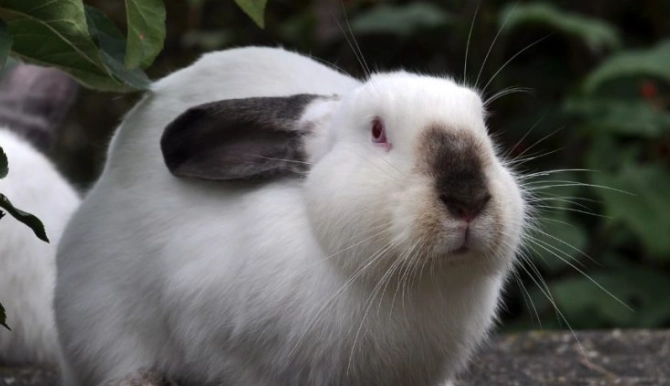
My own take? I think Californians are wonderfully underrated as pets. They don't always get the hype of the lops or the tiny dwarfs, but what they offer in terms of a stable, gentle companionship is hard to beat. Their needs are significant, but not unmanageable for a dedicated owner. The key is going in with your eyes wide open, ready for the chewing, the grooming, and the vet bills, but also open to the joy of a soft nose nudging your hand for pets, the funny little binkies of a happy rabbit, and the quiet companionship of a creature that chooses to spend its time near you.
If you can meet their needs, asking "are Californian rabbits good pets?" might just transform into telling everyone about your wonderful, white-footed friend.
Comment