Let's cut to the chase: wild rabbits might nibble on a carrot if it's lying around, but it's not what they're built to eat. I've watched cottontails in my field for over a decade, and I can count on one hand the times I've seen them go for orange roots. Their real menu? Grasses, clover, dandelions—stuff that doesn't make it into cartoons. This article isn't just about debunking a myth; it's about understanding why feeding wild rabbits carrots can do more harm than good, and what you should do instead.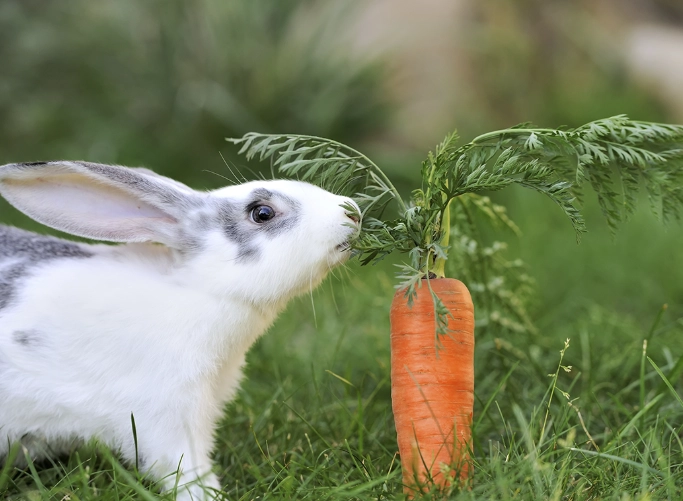
What You'll Learn in This Guide
What Do Wild Rabbits Really Eat?
If you picture a wild rabbit munching on a carrot, you're imagining a pet, not a wild animal. Wild rabbits, like Eastern cottontails or European rabbits, have digestive systems tuned for high-fiber, low-sugar foods. Their teeth grow continuously, so they need to grind them down on tough plants.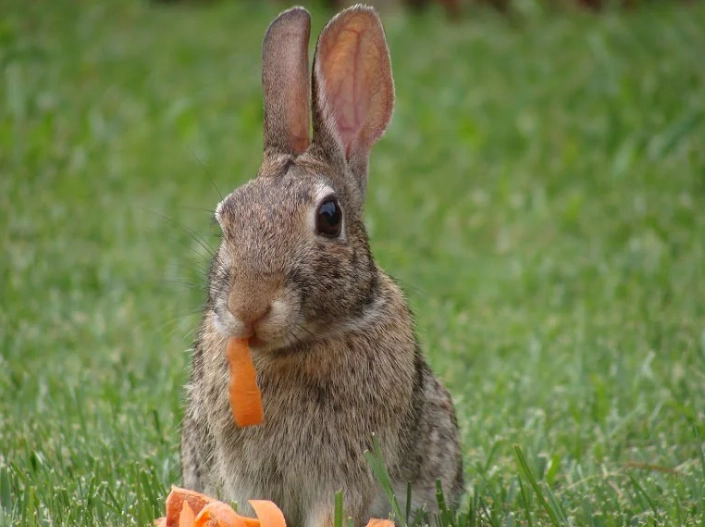
The Natural Diet Breakdown
In the wild, rabbits spend most of their time foraging for:
- Grasses: Think Timothy hay, brome, and meadow grasses. This makes up about 80% of their diet.
- Herbs and weeds: Dandelion greens, plantain, clover—these provide essential nutrients.
- Bark and twigs: In winter, when greenery is scarce, they'll strip bark from young trees.
I remember one winter when food was scarce, and I saw rabbits gnawing on raspberry canes instead of the carrots I'd left out. That told me everything.
A Quick Comparison: Wild vs. Human Foods
Here's a table that sums it up—why natural foods win every time.
| Natural Wild Foods | Occasional Safe Human Foods | Foods to Absolutely Avoid |
|---|---|---|
| Grasses (e.g., Timothy, brome) | Leafy greens (kale, romaine) | Carrots (high in sugar) |
| Herbs (dandelion, clover) | Hay (alfalfa for young rabbits) | Bread or crackers |
| Tree bark (willow, apple) | Small amounts of broccoli | Processed snacks |
| Wildflowers and weeds | Fresh water (always available) | Dairy products |
Notice carrots aren't even in the "safe" column. That's because, while not toxic, they're like candy to rabbits—too much sugar disrupts their gut bacteria.
The Carrot Myth: Where Did It Come From?
So why do we all think rabbits love carrots? Blame Bugs Bunny. In the 1940s, cartoonists gave him a carrot because it looked good on screen, not because it was accurate. Before that, rabbits were more associated with lettuce in pop culture.
Pop Culture's Lasting Impact
Bugs Bunny made carrots cool, and the idea stuck. Even wildlife documentaries sometimes show rabbits near gardens, but they're usually after the leafy tops, not the roots. A study from the University of California's wildlife program notes that this misconception leads to well-meaning people offering carrots, which can cause health issues.
Why Carrots Aren't Ideal for Wild Rabbits
Here's the expert bit most people miss: carrots have about 4.7% sugar, while wild grasses have less than 1%. For a rabbit's sensitive cecum (a part of their gut where fermentation happens), that sugar can cause bloating, diarrhea, and even attract predators because the rabbit might become sluggish. I've seen it happen—a neighbor fed carrots regularly, and soon those rabbits were getting picked off by foxes.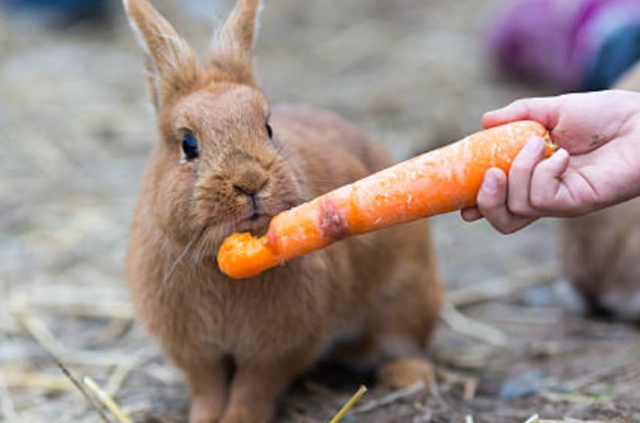
How to Safely Feed Wild Rabbits (If You Must)
Look, I get it—you see a cute bunny in your yard and want to help. But feeding wild animals is generally discouraged by organizations like The Wildlife Trusts. If you're in a situation where you must feed (e.g., during a harsh winter or if a rabbit seems injured), here's what to do.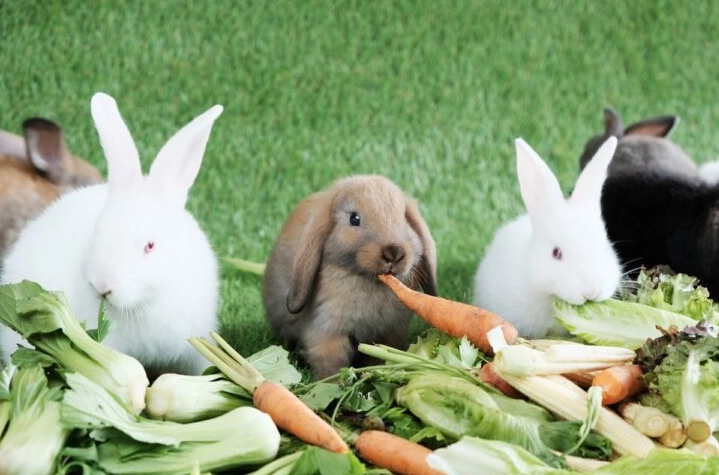
Best Foods to Offer
Stick to foods that mimic their natural diet:
- Fresh hay: Timothy or orchard hay is perfect. You can buy it at pet stores.
- Leafy greens: Romaine lettuce, kale, or spinach in small amounts. Avoid iceberg lettuce—it's mostly water and lacks nutrients.
- Herbs Fresh parsley or cilantro can be a treat.
Place food in a sheltered spot, away from roads, and only offer a handful. Don't make them dependent.
Foods to Steer Clear Of
Beyond carrots, avoid anything processed, high-sugar, or high-starch. That includes fruits like apples or bananas—they're too sweet. Also, never give bread; it can cause fatal blockages. I learned this the hard way when a rabbit in my area died after someone left out stale bread.
The Risks of Feeding Wild Rabbits
Feeding wild rabbits isn't just about their diet—it's about their survival. When you intervene, you change their behavior and ecology.
Health Implications You Might Not Consider
Improper feeding can lead to:
- Digestive stasis: A condition where their gut slows down, often from low fiber. It's deadly if untreated.
- Obesity: Wild rabbits need to stay lean to escape predators. Extra calories from carrots can make them slower.
- Dental problems: Soft foods don't wear down their teeth, leading to overgrowth and pain.
Research from the Journal of Wildlife Diseases highlights that human-fed rabbits have higher rates of parasitic infections because they congregate in one area.
Behavioral Changes That Harm Rabbits
When rabbits get used to human food, they lose their fear. They might venture onto roads or into yards with pets. I've seen rabbits become so tame they'd approach dogs, and it never ends well. Plus, feeding can increase population density, spreading diseases like myxomatosis.
Reader Comments