If you've ever watched a wild rabbit nibbling at the edge of a field or your garden, you've probably wondered: what vegetables do wild rabbits eat? The image of a rabbit with a carrot is so ingrained in our culture, but the reality of a wild rabbit's foraging habits is far more complex and fascinating. As someone who's spent years observing rabbit behavior in both rural and suburban settings, I can tell you their menu is a masterclass in seasonal, opportunistic eating. Let's clear up the biggest misconception right away: wild rabbits don't have access to grocery store produce. Their "vegetables" are the wild plants, weeds, and occasional cultivated greens they find in their territory.
What's Inside This Guide?
- The Core of a Wild Rabbit's Diet: It's Not What You Think
- The Wild "Vegetable" Pantry: Leaves, Stems, and Roots
- When Wild Rabbits Encounter Garden Produce
- How Does a Wild Rabbit's Diet Differ from a Pet Rabbit's?
- Seasonal Shifts in Foraging: From Spring Greens to Winter Bark
- Your Wild Rabbit Diet Questions Answered
The Core of a Wild Rabbit's Diet: It's Not What You Think
Forget the carrot. The absolute cornerstone of a wild rabbit's diet is grass. Not just the blade tips, but the entire plant—including the more fibrous stems that domestic rabbits might turn their noses up at. This is followed closely by a variety of broadleaf weeds (often called "forbs" by ecologists). These herbivores are hindgut fermenters, meaning they need a constant intake of high-fiber, low-calorie food to keep their digestive systems moving. It's a survival strategy, not a gourmet choice.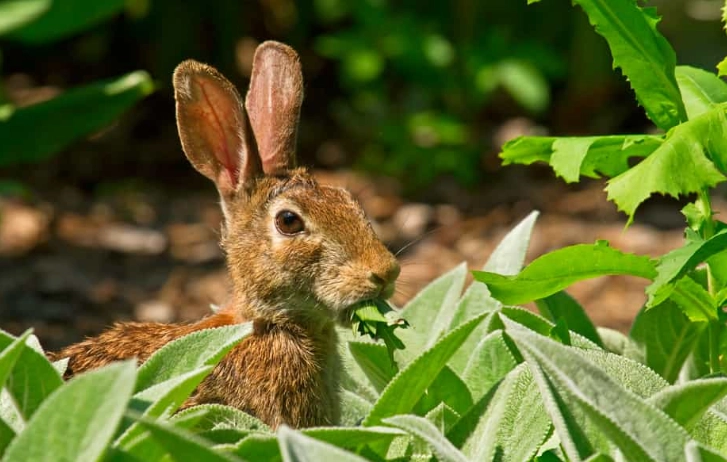
Here's the expert insight most articles miss: wild rabbits prioritize fiber and variety over sweetness or starch. A diet too rich in sugary vegetables (like carrots or fruit) would disrupt their delicate gut bacteria and could be fatal. They instinctively avoid this.
I remember watching a family of cottontails in a meadow over a summer. They'd spend hours methodically grazing on mixed grasses, then move to a patch of clover and dandelions. The young ones would tentatively nibble on a wider variety of plants, almost like they were learning the menu. It was a slow, continuous process, not a search for a single favorite food.
The Wild "Vegetable" Pantry: Leaves, Stems, and Roots
When we talk about "vegetables" in a wild context, we're really talking about the leafy greens, herbs, and edible weeds that form the supplementary part of their diet. These provide essential vitamins, minerals, and moisture.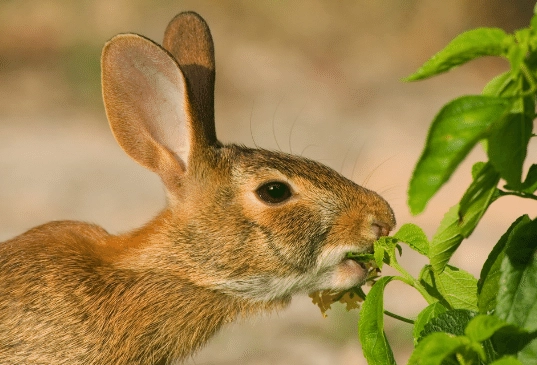
Common Wild Plants and Weeds Rabbits Love
If you see these plants in an area, you'll likely find rabbits. Their preferences can be regional, but some plants are universal favorites.
| Plant Name | Part Eaten | Notes & Seasonal Availability |
|---|---|---|
| Dandelion | Leaves, flowers, roots | A spring and summer staple. Highly nutritious. I've seen rabbits dig for the taproot in early spring when other greens are scarce. |
| Clover (White & Red) | Leaves, stems, flowers | Protein-rich and common in fields. A major food source from late spring through fall. |
| Plantain (Broadleaf & Ribwort) | Leaves | Not the banana-like fruit. This is a common lawn weed. Rabbits eat the entire leaf. It's available most of the year. |
| Chickweed | Entire plant | A tender, mat-forming weed loved in cool weather (spring & fall). It's juicy and palatable. |
| Vetch | Leaves, tender shoots | A climbing plant found in hedgerows. Provides good forage in summer. |
| Wild Strawberry Leaves | Leaves | They eat the leaves more often than the fruit! The leaves are a good source of fiber. |
| Shepherd's Purse | Leaves, seed pods | A common annual weed. Eaten when young and tender. |
You'll notice a pattern: these are mostly low-growing, abundant weeds. Rabbits are creatures of efficiency and safety. They won't risk exposure to predators for a rare delicacy if common, safe forage is available.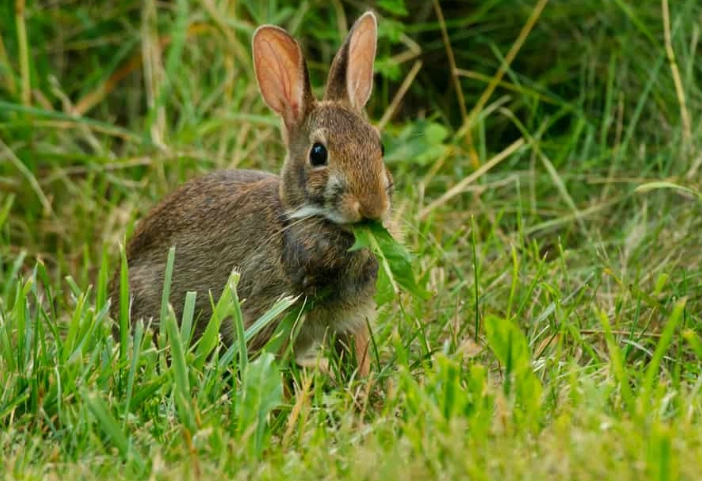
When Wild Rabbits Encounter Garden Produce
This is where human and rabbit worlds collide. A wild rabbit views your garden not as a curated collection, but as a fantastically concentrated buffet of tender, watered, and often unprotected plants.
What they'll go for first: Tender seedlings (lettuce, beans, carrots tops), leafy greens (spinach, kale, Swiss chard), and herbs like parsley and cilantro are irresistible. They often prefer the leaves of root vegetables over the root itself—so your beet tops are more at risk than the beet, and your carrot greens are the target, not the orange taproot (until maybe later in the season).
What they often avoid (or eat last): Strongly scented plants like onions, garlic, leeks, and most herbs in the mint family (oregano, sage, rosemary). They also tend to avoid plants with fuzzy or prickly leaves, like squash and cucumber plants, until other options are gone. Tomatoes and potatoes are part of the nightshade family; while the fruit might be sampled, the leaves and vines are toxic and rabbits usually steer clear.
Let's set a scene: It's a late spring evening. A rabbit's natural forage is still young. It hops into a suburban garden. It ignores the marigolds (bitter) and the rosemary (pungent). It makes a beeline for the newly planted romaine lettuce and the bush bean sprouts. That's not malice; it's optimal foraging in action.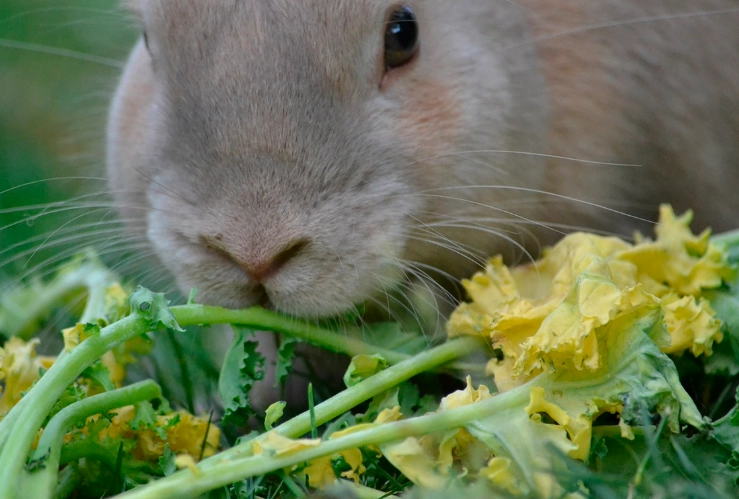
How Does a Wild Rabbit's Diet Differ from a Pet Rabbit's?
This is a crucial distinction. Feeding a pet rabbit like a wild rabbit is a recipe for disaster, and vice versa.
- Fiber Source: Wild rabbits get nearly all their fiber from grasses and rough weeds. Pet rabbits should get the majority of theirs from unlimited timothy or meadow hay, which mimics that wild grass.
- "Vegetable" Portion: The wild weeds and leaves a wild rabbit eats are lower in sugar and starch than many store-bought veggies. Pet rabbit diets need to carefully select low-sugar greens (romaine, cilantro, kale stems) to avoid obesity and GI issues.
- Consistency vs. Variety: A wild rabbit's diet changes daily with availability. A pet rabbit's diet should be consistent in its core (hay) with measured variety in greens to prevent digestive upset.
- The Pellet Myth: Wild rabbits never eat pellets. Pellets for pets are a concentrated supplement, not a staple. Over-reliance on pellets is a common owner mistake that leads to dental and weight problems.
The biggest takeaway? A pet rabbit's digestive system is fundamentally the same, but its lifestyle is not. We have to provide the fiber and limit the sugars its wild cousins would naturally balance through constant movement and limited access.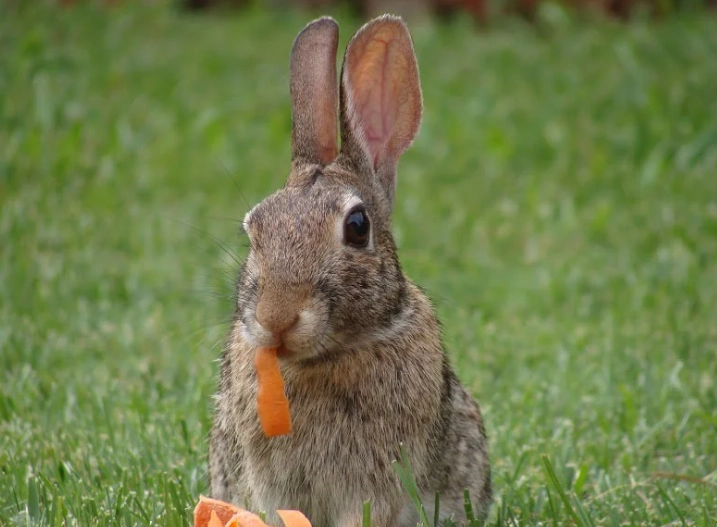
Seasonal Shifts in Foraging: From Spring Greens to Winter Bark
A rabbit's menu is a live calendar. In early spring, they seek out the first succulent dandelion greens and clover shoots, which are crucial after a lean winter. Summer offers abundance—grasses, flowering weeds, and garden incursions.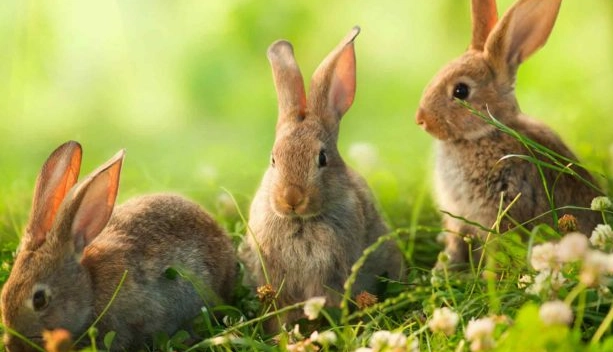
Fall is about fueling up. They eat more seeds and dried grasses, building fat reserves. Come winter, when green vegetation is buried under snow, they switch to survival mode. This is when they'll eat:
Twigs, buds, and the bark of young trees and shrubs (like willow, maple, apple, and blackberry canes). Evergreen needles are sometimes nibbled. They'll also dig through snow to reach dried but persistent plants like plantain. It's a tough, fibrous, and low-nutrient diet, which is why winter mortality is high, especially for juveniles. Observing these seasonal shifts really drives home how specialized and resilient their foraging behavior is.
Your Wild Rabbit Diet Questions Answered
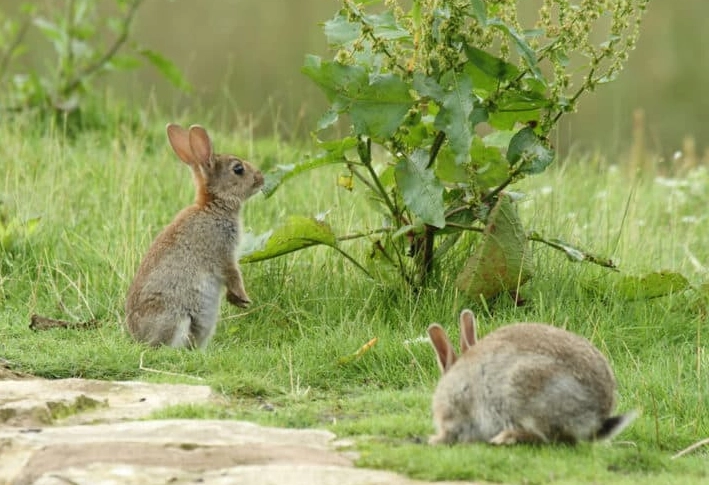
So, what vegetables do wild rabbits eat? The answer isn't a shopping list from a supermarket. It's a dynamic, seasonal portfolio of grasses, wild weeds, leaves, and the occasional opportunistic bite of garden greens. Their diet is a masterclass in adaptation, perfectly tuned to a life spent on the move, always a hop away from cover. The next time you see one, you'll know it's not just eating—it's executing a million-year-old survival strategy, one careful nibble at a time.
Reader Comments