You see them nibbling on your lawn, those cute wild rabbits with their twitching noses. The thought crosses your mind: "I have some leftover veggies. Would it be okay to give them a little treat?" The short, critical answer is that feeding wild rabbits is generally not recommended. Their digestive systems are finely tuned for wild grasses, weeds, and bark. But if you're determined to offer something, knowing the exact safe options and the significant risks is non-negotiable. Most well-meaning advice gets this wrong, leading to sick rabbits. Let's cut through the myths.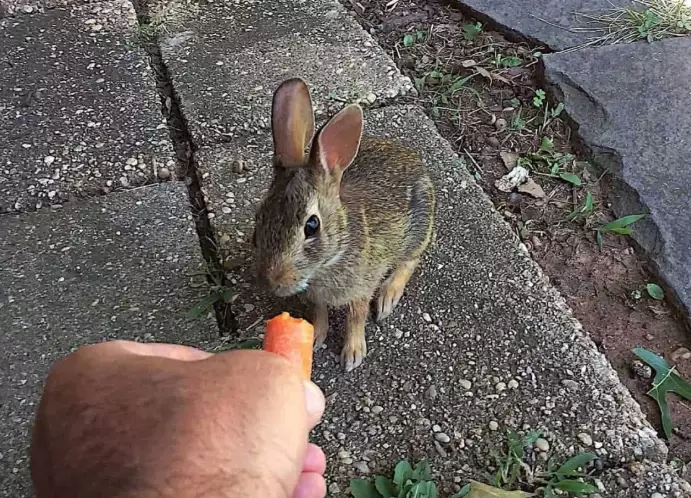
What's Inside This Guide?
Why You Should Think Twice Before Feeding Wild Rabbits
This isn't just about being a buzzkill. I've spent years observing cottontails in my region, and the problems from casual feeding are real. First, you change their behavior. Rabbits that associate humans with food lose natural foraging skills and may linger in dangerous areas near roads or predators. Second, and this is the big one most people miss: their gut flora is specific and delicate. A sudden influx of sugary or starchy human food can cause fatal gastrointestinal stasis—their gut literally shuts down. The House Rabbit Society, a leading authority on rabbit care, strongly advises against feeding wild rabbits for this precise reason.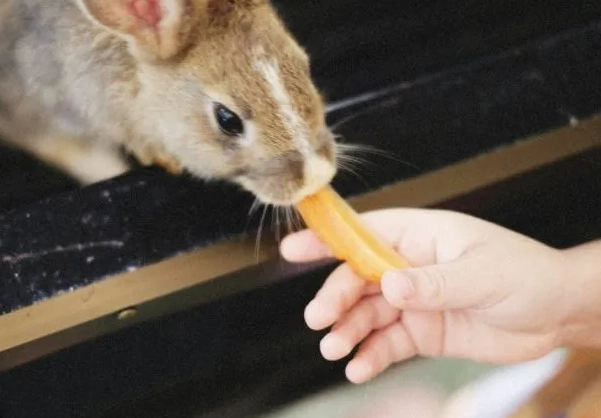
Also, think about dependency. What happens when you go on vacation? A rabbit that's come to rely on your handout might struggle. The healthiest diet for a wild rabbit is, unsurprisingly, wild. Dandelion greens, clover, plantain, and tall grasses provide perfect nutrition and the necessary fiber to keep their teeth worn down and their digestion moving.
The Best "Food" You Can Offer: Instead of sharing your salad, consider planting rabbit-friendly native plants or leaving a section of your yard to grow wild with clover and grasses. Providing a shallow dish of fresh water, especially in dry summer months, is a far safer and more beneficial act of kindness than any food treat.
Safe Human Foods for Wild Rabbits (The Extremely Short List)
If, after all those warnings, you still wish to offer a minimal, occasional supplement—perhaps during a harsh winter when natural forage is scarce—stick to this list. These are the least likely to cause immediate harm, but remember: less is more, and variety is not the goal. We're talking a few small pieces, once in a blue moon.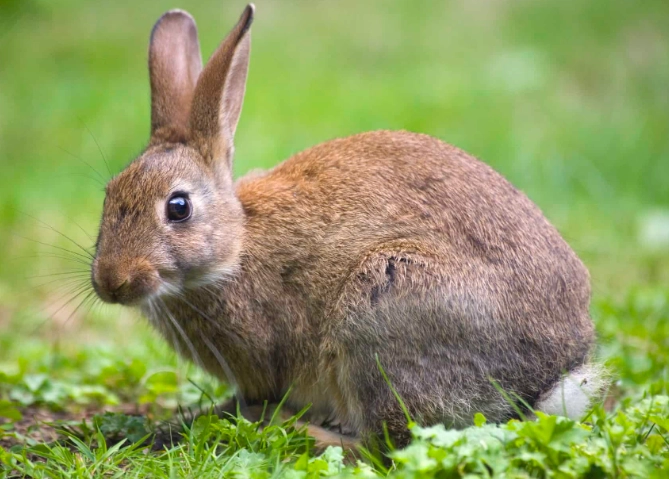
The golden rule is to mimic their natural, fibrous, low-sugar, low-starch diet. Always introduce any new food in a tiny amount to see how they react. Wash all produce thoroughly to remove pesticides.
| Food Item | How to Serve & Key Notes | Frequency & Quantity |
|---|---|---|
| Dark Leafy Greens (e.g., Romaine lettuce, kale, carrot tops, cilantro) | Romaine is better than iceberg (which is mostly water). Kale is high in calcium, so tiny amounts only. Carrot tops (the greens) are excellent—ironically better than the carrot root. | 1-2 small leaves, 2-3 times a month max. |
| Herbs (e.g., parsley, basil, mint) | These are strong in flavor and nutrients. Think of them as a potent supplement, not a staple. | A few small sprigs, once a month. |
| Broccoli Leaves & Stems | The leafy parts and stalks are good. Avoid the florets as they can cause gas. | A piece of leaf or a 1-inch stem piece, occasionally. |
Notice what's not on this list? Fruits, carrots, and most other root vegetables. That's the first major mistake people make. A wild rabbit's system isn't built for that sugar load.
Dangerous & Toxic Foods You Must Never Give
This list is more important than the safe one. Giving these can cause anything from severe digestive upset to rapid death. I've seen neighbors toss out bread crusts or apple cores, thinking they're being helpful. They're not.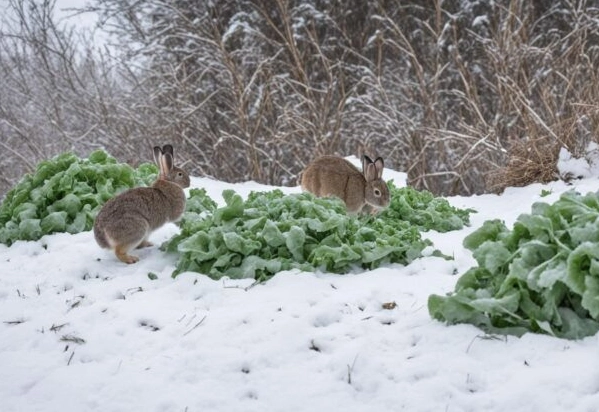
Never, Ever Feed These: Bread, crackers, cereal, pasta, cookies, chips. These carbohydrates ferment in their cecum, creating a toxic environment that breeds harmful bacteria and leads to potentially fatal enterotoxemia.
Here’s a breakdown of other major hazards:
High-Sugar Fruits & Vegetables: Apples, bananas, carrots, grapes, corn, peas, potatoes. The sugar and starch content is simply too high. A bite of a wild berry they find themselves is one thing; a chunk of store-bought apple is another.
Human Processed Foods: Anything with salt, sugar, oil, or seasoning. This includes yogurt drops (marketed for pets but terrible for rabbits), candy, or cooked foods.
Plants from the Allium Family: Onions, garlic, leeks, chives. These are toxic and can cause blood cell damage.
Iceberg Lettuce: It contains lactucarium, which can be harmful in quantity, and its high water/low nutrient profile offers nothing of value.
Avocado, Chocolate, Caffeine: These are outright poisonous to most pets, including rabbits.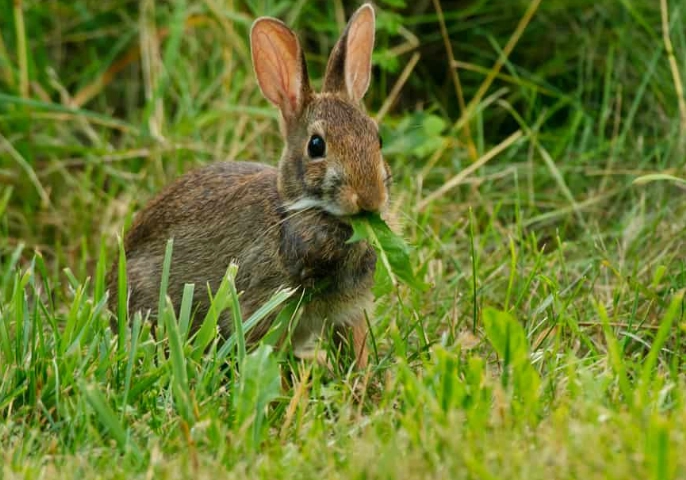
How to Feed Safely (If You Must): A Step-by-Step Protocol
Let's say it's late February, the ground is frozen, and you've spotted a skinny cottontail. You decide to intervene minimally. Here’s how to do it with the least risk.
Step 1: Choose the Right Food and Prep
Pick one item from the safe list above. Today, it's a single large Romaine leaf. Wash it. Tear it into a few pieces. That's it. No mixing a salad bowl.
Step 2: Select the Feeding Location
This is crucial. Don't feed them on your doorstep. Place the food at the edge of their natural cover—near a bush, at the tree line, close to where you see them disappear. This allows them to grab it and retreat to safety quickly, without encouraging them to linger in the open or on your patio.
Step 3: Timing and Observation
Place the food in the early morning or late afternoon, when rabbits are naturally most active. Watch from a distance. Do they eat it immediately or ignore it? If they ignore it, don't replace it with something else. They're telling you they don't need or want it. Remove uneaten food after 24 hours to avoid attracting pests or mold.
Step 4: The Hardest Part – Stopping
If you start, be prepared to continue intermittently through the tough season, but always with the goal of stopping when natural food returns. Do not make it a daily ritual. The pattern should be unpredictable from the rabbit's perspective.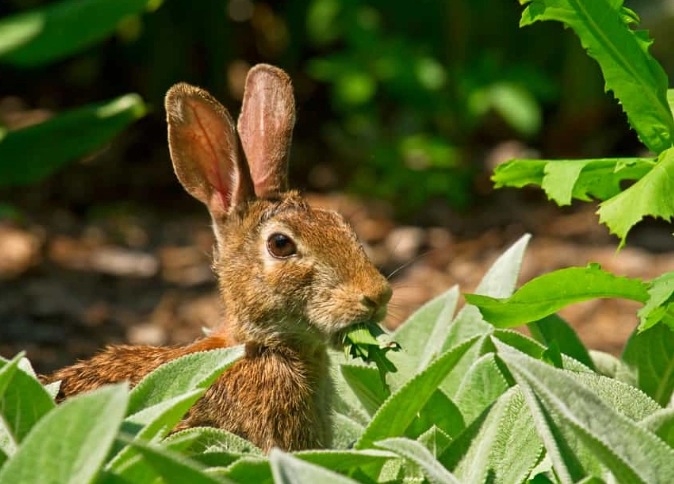
Your Burning Questions, Answered by Experience
Can I feed wild rabbits carrots from my garden? Everyone shows rabbits loving carrots.
The carrot image is a cartoon myth, probably from Bugs Bunny. The orange root is very high in sugar. A wild rabbit might nibble it, but it's not good for them. If you must, give the green carrot tops instead. They're fibrous and healthy. The carrot itself should be a once-a-year tiny sliver, if at all.
Is it okay to give them leftover lettuce or herbs from my kitchen?
It depends entirely on the type. Romaine, green leaf, or herbs like cilantro? Washed and in a tiny amount, it's on the safer end of the spectrum. A wilted, old salad mix with dressing residue, onion pieces, or iceberg lettuce? Absolutely not. When in doubt, throw it in your compost, not to the rabbits.
What about giving them hay or rabbit pellets from the pet store?
Timothy hay or orchard grass hay is actually an excellent option if you feel compelled to provide food, especially in winter. It's the closest thing to their natural diet. Scatter a small handful near their cover. Avoid alfalfa hay—it's too rich for adult wild rabbits. Pellets formulated for domestic rabbits are too concentrated and not necessary for wild ones; hay is always the better choice.
I accidentally fed a wild rabbit bread. Will it be okay?
One small piece likely won't cause a crisis, but it can cause gut discomfort. The real damage is cumulative. Stop immediately. Watch for signs of illness like lethargy, not eating natural foods, or abnormal droppings. If you see a rabbit in clear distress, contact a local wildlife rehabilitator, not a vet for domestic pets.
How can I tell if a wild rabbit is truly starving and needs help?
A healthy wild rabbit is surprisingly round and sleek, even in winter. Signs of real trouble are prominent, sharp hip bones and a visible spine (a "starved" triangular shape), extreme lethargy, or visible injury. In these cases, providing a bit of hay or a leafy green can be a stopgap, but the best action is to call a professional wildlife rehabilitator. Feeding an already compromised animal the wrong thing can kill it faster than starvation.
The bottom line is this: admire wild rabbits for the self-sufficient creatures they are. Your lawn and garden likely already provide for them. If you choose to supplement, do it with extreme caution, using only the safest options, and prioritize supporting their natural habitat over handing out treats. Their health depends on it.
Reader Comments