So, you're planning a short trip and wondering, "Can I leave my rabbit alone for 2 days?" Let's cut to the chase: it's generally not recommended, but with meticulous preparation, it might be possible. I've had rabbits for over a decade, and I've seen owners make costly mistakes. Here's my take, based on hard-earned experience.
Quick Navigation
Why Leaving Rabbits Alone is Risky
Rabbits aren't like cats or some dogs; they're prey animals with specific needs. Leaving them solo for 48 hours isn't just about food and water. It's about their mental and physical well-being.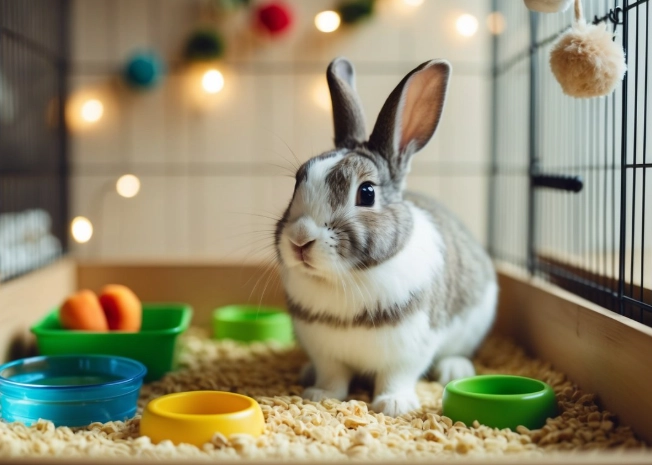
Social Needs of Rabbits
Rabbits are social creatures. In the wild, they live in groups. A lone rabbit can get stressed, leading to behaviors like over-grooming or aggression. I once left my rabbit, Thumper, alone for a day, and he chewed up his hideout—a clear sign of anxiety. The House Rabbit Society emphasizes that rabbits thrive on companionship, and isolation can harm their health.
Health Risks
Health issues can escalate quickly. Rabbits are prone to gastrointestinal stasis, a life-threatening condition where their gut slows down. Without daily monitoring, you might miss early signs like reduced appetite or smaller droppings. Dehydration is another big risk; rabbits need fresh water constantly, and an automated bottle might fail. I've heard stories from vet forums where owners returned to find their bunny dehydrated because the water dispenser got clogged.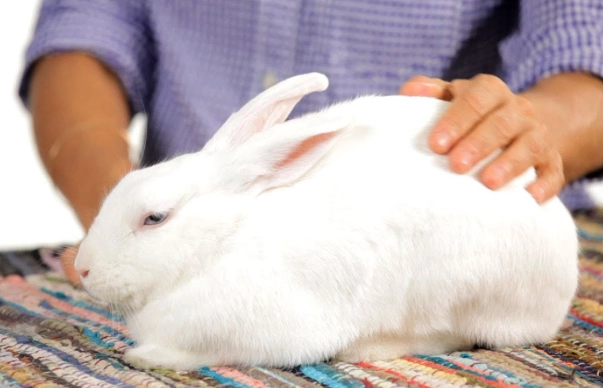
How to Prepare If You Must Leave Your Rabbit Alone
If you have no choice, preparation is key. But honestly, I'd rethink it. Here's a step-by-step guide if you're determined.
Essential Supplies Checklist
You'll need more than just extra hay. Think like a rabbit parent planning for a mini-emergency.
- Food and Water: Provide enough hay for at least three days—rabbits eat constantly. Use multiple heavy bowls for pellets and fresh veggies, but note veggies can spoil. For water, set up two large bottles or bowls in different spots. I prefer bowls because bottles can jam.
- Litter Box: Clean it thoroughly before leaving, and add extra bedding. Rabbits are clean animals, but a dirty box can cause stress or health issues.
- Enrichment: Leave safe toys like cardboard tubes or untreated wood blocks to prevent boredom. Without this, your rabbit might resort to destructive chewing.
Environmental Setup
The space matters. Ensure the room is rabbit-proofed—no electrical cords or toxic plants. Temperature control is critical; rabbits can overheat easily. Keep the area between 60-70°F (15-21°C). I learned this the hard way when my rabbit's room got too warm, and he became lethargic. Use a thermometer and avoid direct sunlight.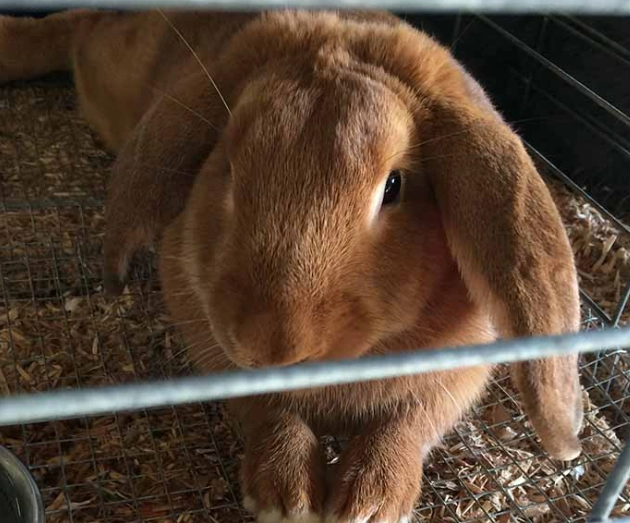
Also, consider a camera. Pet cameras aren't just for fun; they let you check in. I use one to monitor activity, and it's saved me from panic a few times.
Alternatives to Leaving Your Rabbit Alone
Why risk it? There are better options. From my experience, investing in care is worth every penny.
Hiring a Pet Sitter
A pet sitter can visit once or twice a day. Look for someone experienced with rabbits—not all pet sitters are equal. Ask for references and ensure they know how to spot health issues. The American Veterinary Medical Association recommends daily check-ins for small pets. I hired a sitter through a local rabbit rescue group, and it cost around $20-$30 per visit. They fed, watered, and spent time with my bunny.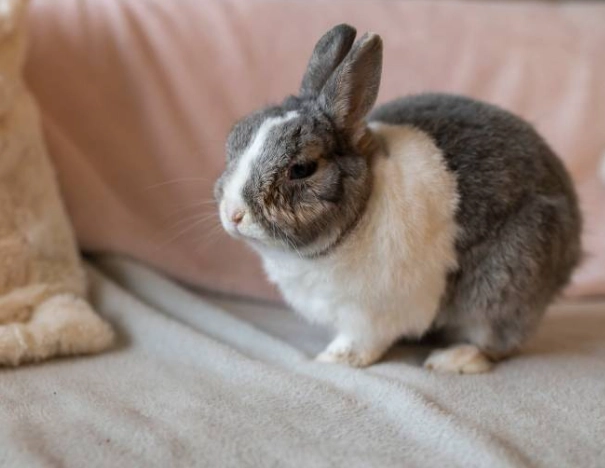
Boarding Options
Some vet clinics or specialized rabbit boarding facilities offer overnight care. This is safer because professionals are on hand. Check reviews and visit beforehand. I boarded my rabbit once at a vet's office, and while it was stressful for him, the staff handled emergencies well.
Common Mistakes Rabbit Owners Make
New owners often overlook subtle things. Here are pitfalls I've seen or faced myself.
Underestimating Food and Water Needs
People think, "Oh, I'll just leave extra food." But rabbits need a constant supply of hay for digestion. Pellets alone can cause obesity. And water bowls can tip over or get dirty. One owner I know left a large bowl, but the rabbit knocked it over, leading to dehydration.
Ignoring Temperature Control
Rabbits are sensitive to heat. Leaving them in a room without climate control is dangerous. I've read cases on rabbit forums where bunnies suffered heatstroke because owners assumed a fan was enough. Always ensure proper ventilation and shade.
Assuming Rabbits Are Low-Maintenance
This is the biggest myth. Rabbits require daily interaction and care. Leaving them alone for two days ignores their emotional needs. A study by the University of Bristol highlights that rabbits show signs of loneliness when isolated, similar to dogs.
Frequently Asked Questions
In the end, the question "Can I leave my rabbit alone for 2 days?" boils down to risk management. While it's technically possible with extreme preparation, the cons often outweigh the pros. Rabbits are fragile, and their well-being depends on consistent care. From my years of rabbit ownership, I've learned that investing in a sitter or boarding is the safest bet. Your bunny's health isn't worth the gamble.
Reader Comments