If you're asking how long pet bunnies live, the short answer is: 8 to 12 years on average. But that's just the start. I've kept rabbits for over a decade, and my oldest, Thumper, made it to 14. Why the big range? It comes down to care, breed, and a bunch of little things most owners overlook. Let's cut through the fluff and get real about rabbit longevity.
Jump Straight to What Matters
What's the Typical Rabbit Lifespan?
Most pet rabbits live between 8 and 12 years. But here's the kicker: I've seen tiny Netherland Dwarfs hit 15, while some larger breeds like Flemish Giants might only reach 8. The House Rabbit Society, a trusted resource I often refer to, notes that with proper care, 10+ years is totally achievable. It's not just about genetics—your daily choices play a huge role.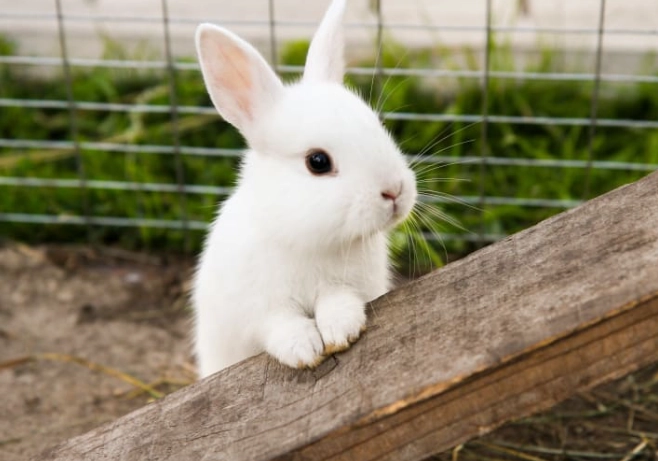
Think of it like this: rabbits aren't disposable pets. They're long-term commitments, similar to dogs. If you're getting a bunny, plan for a decade or more. That means budgeting for vet bills, setting up a safe home, and learning their quirks.
Lifespan by Breed: A Quick Breakdown
Smaller breeds often outlive bigger ones. Here's a rough guide based on my experience and data from rabbit rescues: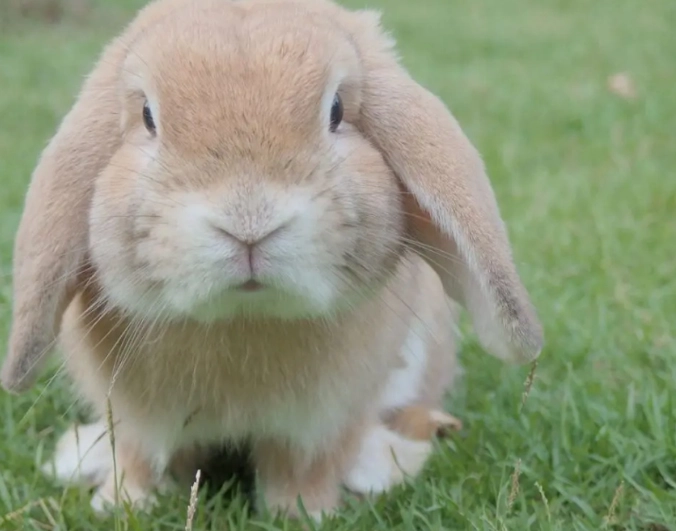
| Breed | Average Lifespan (Years) | Notes |
|---|---|---|
| Netherland Dwarf | 10-12 | Prone to dental issues; needs regular check-ups. |
| Mini Lop | 9-12 | Generally hardy, but watch for obesity. |
| Rex | 8-11 | Soft fur, but can develop skin problems. |
| Flemish Giant | 5-8 | Shorter lifespan due to size-related stress. |
| Mixed Breed | 9-12 | Often healthier due to genetic diversity. |
This table isn't set in stone—I've met a Flemish Giant that lived to 10. But it shows why you can't just guess.
What Really Determines How Long Your Bunny Lives?
Four main things control your rabbit's clock: diet, environment, health care, and genetics. Miss one, and you're shaving years off their life.
Diet and Nutrition: The Foundation
Rabbits need hay, hay, and more hay. Timothy hay should make up 80% of their diet. Pellets? Only a tablespoon per day for adults. Fresh veggies like romaine lettuce and herbs are great, but avoid iceberg lettuce—it's mostly water and can cause diarrhea. I learned this the hard way when my first bunny got sick from too many carrots.
A common mistake: overfeeding pellets. It leads to obesity and dental disease. Rabbits' teeth grow continuously, and hay keeps them worn down. No hay, and you're looking at painful spikes and vet trips.
Housing and Environment
Forget tiny cages. Rabbits need space to hop and explore. A minimum of 12 square feet is recommended, but I'd say go bigger. Free-roaming in a bunny-proofed room is ideal. Stress kills rabbits faster than you'd think. Loud noises, predators (even just a dog barking), or loneliness can shorten their lifespan.
Temperature matters too. Rabbits handle cold better than heat. Above 80°F (27°C), they risk heatstroke. I always keep a fan and frozen water bottles handy in summer.
Veterinary Care: The Silent Lifesaver
Annual check-ups are non-negotiable. Find a vet who specializes in exotic pets. Spaying or neutering is crucial—it prevents reproductive cancers, which are common in unaltered rabbits. My vet friend says over 80% of unspayed females develop uterine cancer by age 5.
Vaccinations depend on your region. In the UK, rabbits need myxomatosis and VHD shots. In the US, it's less common, but check local risks.
Genetics and Breed
You can't change genetics, but you can choose wisely. Adopt from shelters where health history might be known. Mixed breeds often have fewer inherited issues. Avoid breeders who prioritize looks over health—those flat-faced breeds can have breathing problems.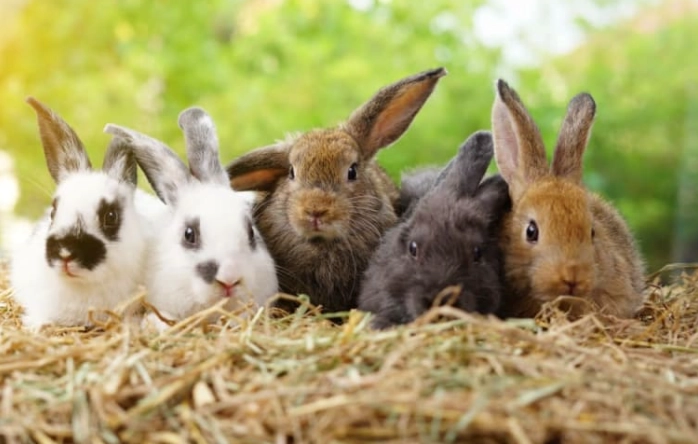
How to Help Your Rabbit Live Longer
Want your bunny to hit the double digits? Here's my actionable plan, based on trial and error.
Step 1: Optimize Their Diet. Provide unlimited timothy hay. Measure pellets strictly. Introduce veggies slowly to avoid gut stasis, a deadly condition where their digestive system stops. I keep a kitchen scale to monitor my rabbit's weight monthly.
Step 2: Create a Safe, Stimulating Home. Bunny-proof your space: cover wires, remove toxic plants (like lilies), and provide hiding spots. Toys aren't just fun—they prevent boredom. Cardboard boxes and willow balls are cheap and effective.
Step 3: Prioritize Preventative Health. Schedule vet visits yearly. Watch for signs of illness: reduced appetite, lethargy, or changes in poop. Rabbits hide pain well, so subtle shifts matter. Keep a health journal; it helped me catch Thumper's arthritis early.
Step 4: Socialize and Bond. Rabbits are social animals. A bonded pair lives longer, in my experience. Introduce them slowly in neutral territory. If you can't get another rabbit, spend at least 2-3 hours daily interacting with them.
Step 5: Monitor Their Environment. Keep their living area clean to prevent flystrike (a horrific condition where flies lay eggs on soiled fur). Use pet-safe cleaners. Ensure good ventilation but no drafts.
Common Myths That Shorten Rabbit Lives
Let's bust some myths I hear all the time.
Myth 1: Rabbits are low-maintenance starter pets. Wrong. They need as much care as a cat. Neglecting this leads to early death.
Myth 2: Rabbits should live outdoors. Outdoor hutches expose them to predators, weather extremes, and parasites. House rabbits live longer. If you must keep them outside, ensure a secure, insulated shed.
Myth 3: Rabbits only need pellets and water. This is a fast track to obesity and dental disease. Hay is essential—I can't stress this enough.
Myth 4: Rabbits don't need vet care unless they're sick. Preventative care catches issues early. Dental problems, for instance, can be managed if caught soon.
I once met a owner who fed their rabbit mostly crackers because "it loved them." The rabbit died at 4 from malnutrition. Don't be that person.
Your Top Rabbit Lifespan Questions Answered
At the end of the day, how long your bunny lives is mostly in your hands. It's not rocket science—just consistent, informed care. Start today, and you might be celebrating your rabbit's 12th birthday with a carrot cake (bunny-safe, of course). Share your stories in the comments; I'd love to hear about your oldest rabbit!
Comment