You bring home this fluffy little ball of energy with a wild mane, and someone casually mentions, "Oh, they live about 7 to 10 years." It sounds like a decent chunk of time. But if you're like I was a decade ago, that number quickly turns from a statistic into a quiet, persistent question: How do I make sure my rabbit hits that upper limit—or even surpasses it? The truth is, the 7-10 year lionhead rabbit lifespan isn't a guarantee. It's an average, a midpoint between rabbits that pass away too soon from preventable issues and the venerable old-timers nudging 12 or more.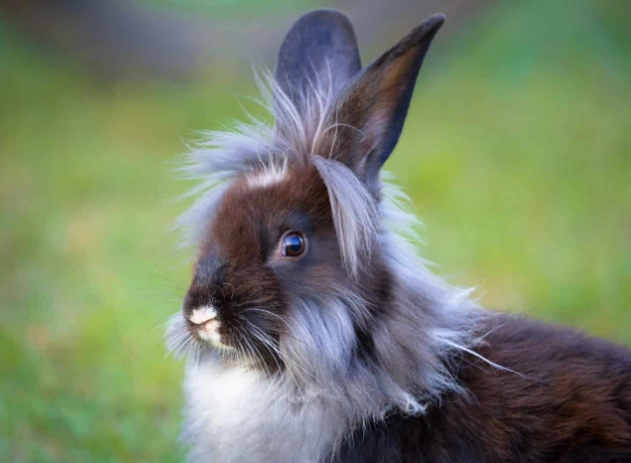
I've seen both ends of that spectrum. The difference almost never comes down to luck. It's a stack of daily decisions about diet, environment, and veterinary care. This guide isn't just about a number. It's about unpacking what that number really means and giving you the actionable, often-overlooked strategies to build a long, vibrant life for your Lionhead.
In This Guide: Your Rabbit Longevity Roadmap
- The Lifespan Basics: More Than Just a Number
- Diet Is Everything: The 80% Factor Most Owners Get Wrong
- Navigating Common Health Hurdles Before They Become Crises
- Creating a Longevity Habitat: Space, Safety, and Sanity
- Recognizing the Senior Signs: Adjusting Care for the Golden Years
- Your Top Lionhead Lifespan Questions, Answered
The Lifespan Basics: More Than Just a Number
Let's get the official figure out of the way. A well-cared-for Lionhead rabbit has an average lifespan of 7 to 10 years. Some sources, like the House Rabbit Society, will rightly note that many rabbits can live into their teens with exceptional care. But "average" is key. It means many don't make it to 7 due to common, fixable problems.
Think of it like a car's estimated MPG. You can hit the highway estimate if you drive smoothly on flat terrain. Or you can get terrible mileage by constantly slamming the brakes and driving uphill with the parking brake on. Your rabbit's care is the terrain and your driving.
What drags the average down? The big three are gastrointestinal stasis (GI stasis), dental disease, and improper housing leading to injury or stress. The good news? All three are heavily influenced by you. The single most predictive factor for a long lionhead rabbit lifespan isn't genetics first—it's the owner's knowledge and consistency.
Diet Is Everything: The 80% Factor Most Owners Get Wrong
If I could make new rabbit owners understand one thing, it's this: The bag of colorful pellets is not the main course. It's the multivitamin. The cornerstone of longevity is, and always will be, fiber. Specifically, long-strand fiber from grass hay.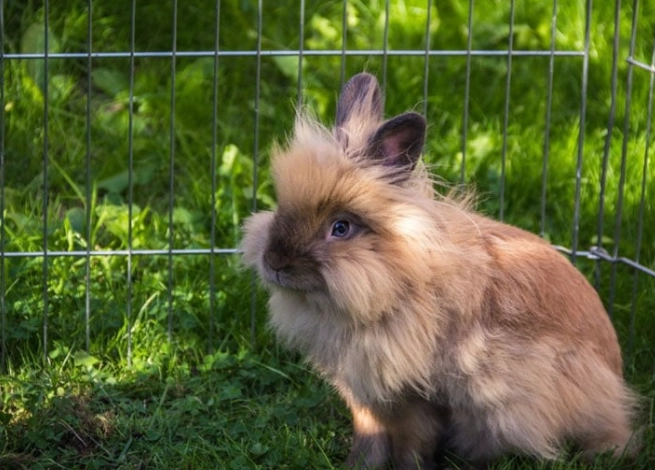
The Golden Rule: Unlimited grass hay (Timothy, Orchard, Meadow). Always. This isn't just food. It's what constantly grinds their ever-growing teeth down and keeps their complex gut moving. When I see a rabbit with chronic tooth spurs or recurring GI stasis, the first question I ask is about hay consumption. Nine times out of ten, the answer is "He has some" or "He prefers his pellets."
Let's break down the diet hierarchy, because getting this wrong shaves years off their life.
| Food Type | Role in Lifespan | Common Mistake | Expert Fix |
|---|---|---|---|
| Grass Hay (80-90% of diet) | Wears teeth, prevents GI stasis, provides core nutrients. | Treating it as a bedding or optional snack. | Fill a large hay rack daily. Try different cuts (1st vs. 2nd cut Timothy) to find their favorite. |
| Fresh Leafy Greens (1-2 cups daily) | Hydration, vitamins, enrichment. | Introducing too many kinds too fast, or feeding iceberg lettuce (no nutritional value). | Stick to romaine, cilantro, spring greens, and herbs. Introduce one new green every 3 days. |
| High-Quality Pellets (Limited) | Concentrated vitamins/minerals. | Free-feeding pellets, making them the primary food. | For an adult, 1/4 cup per day max. Choose plain Timothy-based pellets, no colorful bits or seeds. |
| Treats (Fruit, Carrots) | Bonding, training. | Treating them like daily food. | A blueberry or a 1-inch carrot piece twice a week is plenty. Sugar disrupts gut bacteria. |
The pellet mistake is huge. A rabbit that fills up on pellets won't eat enough hay. Their teeth overgrow, causing pain and abscesses. Their gut motility slows, setting the stage for stasis. It's a slow-motion chain reaction that starts at the food bowl.
Navigating Common Health Hurdles Before They Become Crises
Rabbits are prey animals. They hide illness brilliantly until they can't. Proactive, not reactive, care is the longevity secret. Here are the big ones to watch:
GI Stasis: The Silent Killer
This isn't just "a bit of bloat." It's a life-threatening full shutdown of the digestive system. The rabbit stops eating and pooping. The cause is often pain (from dental issues, arthritis) or a diet low in fiber/high in sugar.
What most sites don't tell you: You don't wait 24 hours. If your Lionhead hasn't eaten or produced normal droppings in 12 hours, it's an emergency vet situation. Have a vet-approved motility drug (like cisapride) and pain reliever (meloxicam) on hand? Many experienced owners do. It can bridge the gap until you get to the clinic.
Dental Disease: The Pain You Can't See
Those adorable teeth grow continuously. Without hay to grind them, they develop sharp points (spurs) that lacerate the tongue and cheeks. The rabbit is in constant pain, leading to... you guessed it, not eating and GI stasis.
Signs are subtle: dropping food, wet chin from drooling, slight weight loss. A yearly dental check by a rabbit-savvy vet (they need a special scope to see the back molars) is non-negotiable. I schedule mine every 10 months for my seniors.
The Spay/Neuter Lifespan Boost
This is one of the most impactful decisions. For females, spaying virtually eliminates the risk of uterine cancer, which strikes up to 80% of unspayed does over age 5. For males, neutering reduces territorial spraying and aggression. The surgery is safest when they're young adults (4-6 months). Find an exotics vet with a high volume of rabbit surgeries—ask about their success rate and pain management protocol.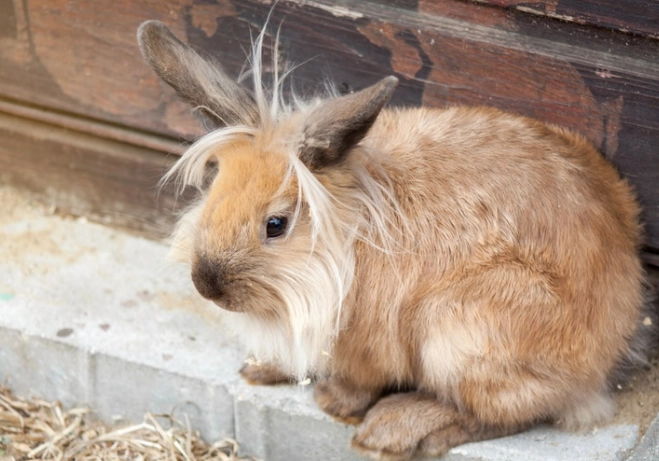
Creating a Longevity Habitat: Space, Safety, and Sanity
A rabbit living in a small cage 23 hours a day is under chronic stress. Stress suppresses the immune system. The setup matters more than people think.
- Space: The minimum is an exercise pen (x-pen) that allows for at least three full hops in any direction. Better yet, rabbit-proof a room or give them free reign of a safe area. Movement prevents obesity and arthritis.
- Flooring: Slippery hardwood or tile is a hip injury waiting to happen. Use interlocking foam mats, low-pile carpet, or blankets for traction.
- Enrichment: Boredom is a stressor. Cardboard castles, tunnels, untreated willow balls, and puzzle feeders aren't luxuries. They keep their brain active. A bored rabbit might turn to over-grooming or destructive chewing.
- Companionship: Rabbits are social. A bonded partner (after both are fixed) provides grooming, comfort, and reduces anxiety. A lonely rabbit can become depressed, affecting their overall health.
I made the mistake early on with a too-small enclosure. My rabbit, Mochi, became lethargic and gained weight. Doubling his space changed his entire personality and activity level almost overnight.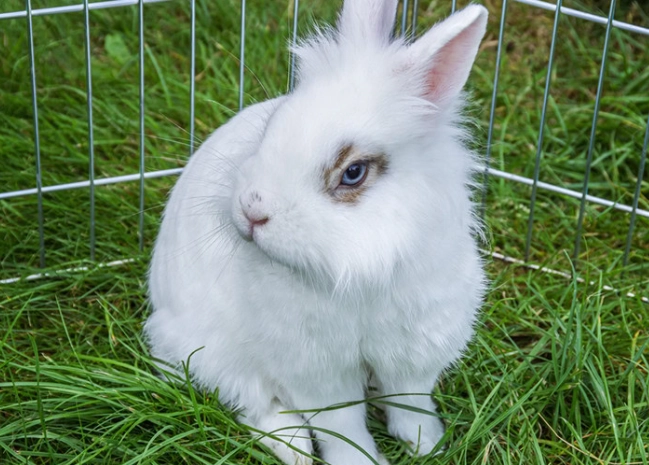
Recognizing the Senior Signs: Adjusting Care for the Golden Years
Around age 5-6, your Lionhead is entering its senior phase. The care needs shift. Catching age-related changes early keeps them comfortable.
Arthritis is incredibly common but often missed. Signs include reluctance to jump onto former favorite perches, stiff movement when first getting up, or a messy bottom because twisting to groom is painful. Solutions? Ramps everywhere. Thick, orthopedic bedding. A vet can prescribe rabbit-safe joint supplements or anti-inflammatories.
Vision or hearing loss happens gradually. You might notice they startle more easily if approached from their blind side, or they don't come running for treats as quickly. The key is to avoid startling them and keep their environment consistent—don't rearrange the furniture in their space.
Kidney function can decline. You might see increased water consumption and more urine output. Senior bloodwork at the vet (around age 5 and then yearly) can monitor this. It's a game-changer for proactive care.
Your Top Lionhead Lifespan Questions, Answered
The lionhead rabbit lifespan is a partnership. It's between their resilient little bodies and the informed, consistent world you build around them. It's about seeing past the average and committing to the daily habits—the handful of hay, the observation, the timely vet visit—that add up to not just more years, but more good years. Start today. Weigh them. Check their hay rack. Book that wellness exam. Those are the real steps toward a decade of fluff and personality.
Comment