Let's cut straight to the point. A well-cared-for pet rabbit in captivity can live anywhere from 8 to 12 years. I've even met a few proud owners whose bunnies celebrated their 14th and 15th birthdays. But here's the uncomfortable truth most generic care sheets won't stress enough: the average lifespan is often quoted as 5-8 years because so many rabbits succumb to preventable issues long before their time. That gap between potential and reality is what we're going to bridge. If you're wondering how to move your rabbit from the lower end of that spectrum to the upper tier, you're in the right place. This isn't just about adding years; it's about ensuring those years are full of binkies and healthy naps.
What You'll Learn in This Guide
The Real Numbers: From Average to Exceptional
You'll see a range online. 5-8 years. 8-12 years. 10+ years. Which is it? They're all somewhat true, but they represent different levels of care.
The lower figure (5-8 years) often reflects outdated care practices or situations where fundamental needs aren't met. The higher figure (8-12 years) is the realistic goal for dedicated owners following modern, evidence-based rabbit care. The exceptional cases (12-15 years) usually involve a combination of excellent genetics, impeccable care, and a bit of luck.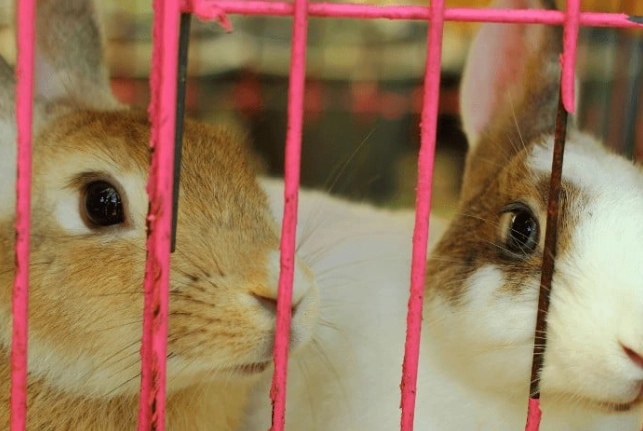
Size and breed play a role, but it's subtler than with dogs. Generally, smaller dwarf breeds tend to have longer average lifespans than giant breeds like Flemish Giants. However, I've seen giant breeds live to 10 with great care, and dwarf breeds pass away young from poor diet. The breed is less of a destiny and more of a gentle nudge. The quality of care you provide is the overwhelming force.
What Actually Determines a Rabbit's Lifespan in Captivity?
Think of a rabbit's longevity as a stool supported by three legs. If one is short, the stool wobbles. If one breaks, it falls. These legs are Diet, Environment, and Veterinary Care. Most owners focus on one, maybe two, but neglect the third.
| Factor | High-Impact Element | Common Misconception |
|---|---|---|
| Diet & Nutrition | Unlimited grass hay (Timothy, Orchard). This is non-negotiable for gut and dental health. | "Pellets are their main food." Or "They love carrots and lettuce." Wrong. Hay is 80-90% of their diet. |
| Living Environment | Space, safety, and low stress. Rabbits need room to run, dig, and hide. Predator stress (even from a family dog staring) is a silent killer. | "A hutch is enough." A hutch alone is like you living in your bathroom. They need a large, rabbit-proofed area. |
| Preventative Healthcare | Annual vet check-ups with a rabbit-savvy vet. Spaying/neutering is critical to prevent reproductive cancers. | "Rabbits don't need a vet unless they're sick." By the time a rabbit shows obvious illness, it's often an emergency. |
| Mental & Social Health | Companionship (another rabbit) and enrichment. A lonely, bored rabbit is a stressed rabbit. | "My rabbit is fine alone, I give him attention." Human interaction is great, but it doesn't replace a rabbit companion. |
The biggest mistake I see? Owners treating the first sign of a problem, like a slightly runny nose or a small dental spur, as an isolated event. In rabbits, everything is connected. A dental issue leads to less hay eating, which leads to gut slowdown, which weakens the immune system. You have to think preventatively, holistically.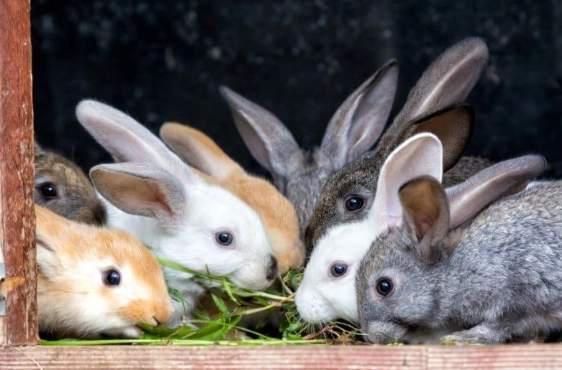
A Practical Plan to Extend Your Rabbit's Life
Okay, theory is done. Let's get actionable. Here’s what you do, starting today.
Step 1: The Diet Overhaul
Go look at your rabbit's food setup. Is there a huge pile of fresh, sweet-smelling hay available 24/7? Is it in a clean, accessible spot, not soiled by droppings? If not, fix that first. I recommend a large hay rack and a pile on the ground. They like to forage.
Limit pellets to a measured amount (e.g., 1/4 cup per 5 lbs of body weight for a healthy adult). Treats like fruit or carrot? A teaspoon-sized amount, max. The bulk of their fresh greens should be dark, leafy greens like romaine, kale, and herbs.
Pro Tip: If your rabbit is a picky hay eater, try different types. Mix a bit of oat hay with their Timothy. Spray a tiny mist of water on the hay to release more aroma. The goal is to get them munching for hours every day.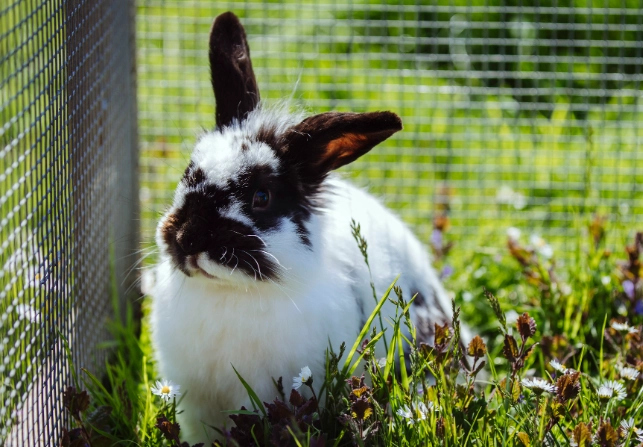
Step 2: Environmental Enrichment & Safety
Your rabbit needs a minimum of 32 square feet of enclosed space, according to the House Rabbit Society. That's not a typo. This can be a puppy pen, a rabbit-proofed room, or a combo. This space needs:
- Hiding spots: Cardboard boxes with two holes are perfect.
- Digging opportunities: A large cat litter box filled with shredded paper or child-safe sand.
- Chewing options: Applewood sticks, willow balls. This is mandatory for dental wear.
- Flat, non-slip flooring: Rugs or mats. Slippery floors cause injuries and discourage movement.
Stress kills quietly. Loud noises, constant predator presence (like cats), overheating, and rough handling all pump cortisol into their system, weakening it over time.
Step 3: The Veterinary Partnership
Find an exotics vet now, before you need one. Don't wait for an emergency. Schedule a wellness check. This establishes a baseline. A good rabbit vet will do more than just look; they'll feel for lumps, check teeth with an otoscope, and listen to gut sounds.
Spaying or neutering is the single most effective medical intervention to extend lifespan, especially for females. Uterine cancer rates in unspayed females over age 4 are staggeringly high—up to 80% by some estimates. The surgery also reduces hormonal aggression and makes litter training easier.
The Hidden Killer: Gastrointestinal Stasis (GI Stasis). This is when the gut slows or stops. It's not a primary disease but a symptom. The cause could be pain (from dental issues, arthritis), stress, or poor diet. Knowing the subtle signs—slightly smaller poops, less interest in food, a quieter demeanor—and acting immediately (calling the vet) can save a life. Many rabbits are lost because owners wait overnight to see if they "feel better."
Common Mistakes That Shorten a Rabbit's Life
Let's be blunt about where things go wrong.
Mistake 1: The "Carrot Diet." Feeding too many sugary vegetables or commercial treats. This disrupts gut flora and leads to obesity and dental problems.
Mistake 2: Isolation. Keeping a single rabbit without a bonded partner. Rabbits are socially complex. Loneliness causes chronic stress. Bonding two neutered rabbits is a game-changer for their mental health.
Mistake 3: Ignoring Teeth. Rabbit teeth grow continuously. If they aren't wearing down correctly via hay-chewing, they develop painful spurs that cut the tongue or cheeks. The rabbit stops eating, and the downward spiral begins. Annual dental checks are vital.
Mistake 4: Using the Wrong Antibiotics. Never let a non-exotics vet prescribe antibiotics like amoxicillin for a rabbit. Many common antibiotics are deadly to them, wiping out their essential gut bacteria. Always confirm the vet is rabbit-experienced.
A Case Study in Rabbit Longevity: Mochi
I knew a Netherland Dwarf named Mochi who lived to be 15. Her owner wasn't a veterinarian, just incredibly attentive. Mochi's routine was simple but consistent:
Her diet was 90% orchard grass hay, a few high-fiber pellets, and daily dandelion greens from the pesticide-free yard. She lived indoors in a fully rabbit-proofed living room with her bonded mate, Binx. Her owner did a "health check" every Sunday: feeling her body for lumps, checking her bottom for cleanliness, monitoring her food and water intake. They had a vet who saw her every 6 months in her senior years (age 7+), doing blood work to monitor kidney function.
The key wasn't one magical trick. It was the relentless, daily commitment to those three legs of the stool: perfect diet, a stimulating and safe environment, and proactive veterinary care. When Mochi slowed down at age 12, her owner added ramps and put food/water in more accessible places, adapting to her arthritis.
Comment