Quick Navigation
Let's get straight to it: most Angora bunnies don't naturally enjoy being held. I've raised these fluffy creatures for over a decade, and the biggest mistake I see is owners assuming they're cuddle buddies from day one. Rabbits are prey animals—being lifted off the ground triggers a primal fear. Angoras, with their heavy wool coats, can feel even more vulnerable. But here's the twist: with patience and the right techniques, many can learn to tolerate or even seek out gentle handling. It's not about forcing love; it's about building trust.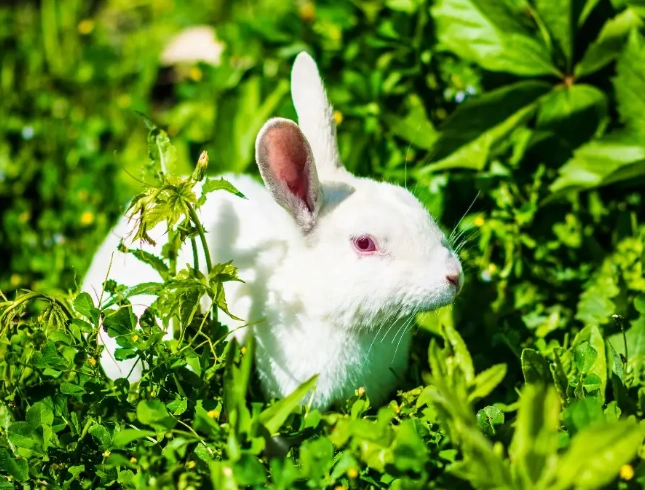
Key takeaway: Whether your Angora bunny likes being held depends on individual personality, early socialization, and how you approach handling. Don't expect instant snuggles; focus on gradual bonding.
Understanding Angora Bunny Temperament
Angora bunnies are often praised for their calm demeanor, but that doesn't mean they're lap pets. Their temperament is a mix of gentleness and sensitivity. Unlike some rabbit breeds, Angoras have been bred primarily for wool, not for companionship, which can influence their behavior. I remember my first Angora, Whiskers—she'd sit quietly for grooming but bolt if I tried to pick her up. It took me years to realize that her calmness was tolerance, not affection.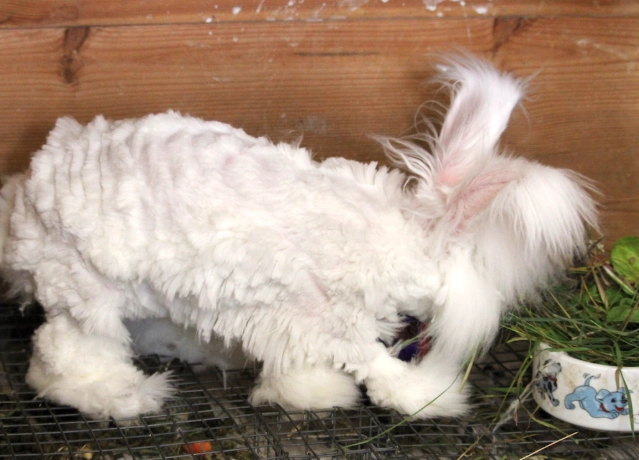
Why Some Angora Bunnies Dislike Being Held
It boils down to instinct. In the wild, being grabbed means danger. For Angoras, the extra weight of their fur (which can mat if mishandled) adds to the stress. They might freeze, struggle, or thump their feet—all signs of distress. A common oversight is ignoring their body language: pinned ears, wide eyes, or a tense body scream "put me down." I've seen owners misinterpret this as "being good," but it's actually fear.
Signs Your Angora Bunny Enjoys Handling
Look for subtle cues. A happy bunny will have relaxed ears (not flopped or stiff), gentle nuzzling into your hand, or even a soft purring sound (yes, rabbits purr by grinding their teeth). If your Angora leans into you during grooming or hops onto your lap voluntarily, that's gold. My current bunny, Snowball, started by sniffing my hand during floor time; now, she nudges me for lifts when she wants a better view.
How to Properly Hold an Angora Bunny (Step-by-Step Guide)
Holding a rabbit wrong can cause injury or lifelong fear. I've rescued Angoras with broken trust from improper handling. Here's a method that works, based on my experience and advice from rabbit welfare groups like the House Rabbit Society.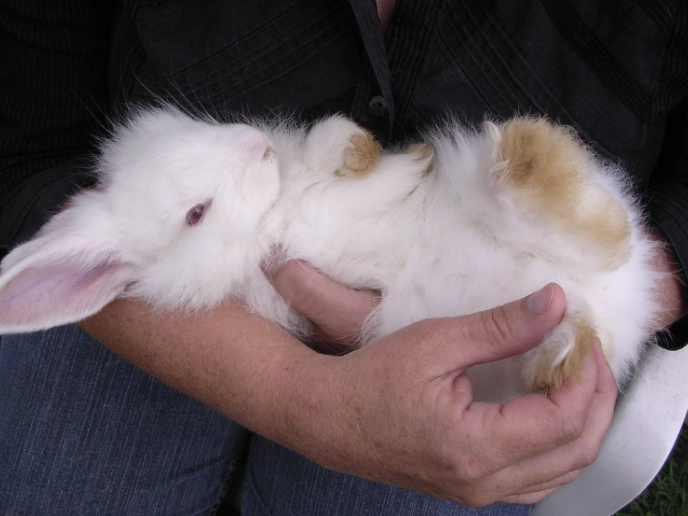
Preparing Your Bunny for Handling
Start on the ground. Sit in a small, enclosed space with your bunny—a bathroom or playpen works. Let them approach you. Use high-value treats like fresh herbs or oat hay to create positive associations. I spend at least 10 minutes daily just sitting with my bunnies, no picking up allowed. This builds confidence.
The Correct Holding Technique
When you're ready, follow these steps:
- Approach from the side: Never swoop from above; predators do that. Crouch down and let your bunny see your hands.
- Support the hindquarters: Place one hand under their chest and the other under their bottom. Angoras need extra support due to their fur weight.
- Lift gently: Bring them close to your chest, keeping their body horizontal. Avoid squeezing—their ribs are delicate.
- Mind the fur: Check for tangles before lifting; matted fur can pull and cause pain.
Practice short holds—30 seconds max initially. If they struggle, lower them immediately. Forcing it ruins progress.
Common Mistakes to Avoid
I've made these errors myself, so learn from them:
- Holding by the scruff or ears: This is painful and can injure their spine. Always support the whole body.
- Ignoring stress signals: Thumping, grunting, or kicking means stop. Don't push through it.
- Overhandling: Even tolerant bunnies need breaks. Limit holds to a few minutes per day.
- Lifting during grooming: Combine handling with grooming only if your bunny is relaxed. Otherwise, keep them on a non-slip surface.
Bonding with Your Angora Bunny to Improve Handling
Bonding is the secret sauce. It's not just about holding; it's about creating a relationship where your bunny sees you as safe. I've turned skittish Angoras into snugglers by focusing on daily interactions.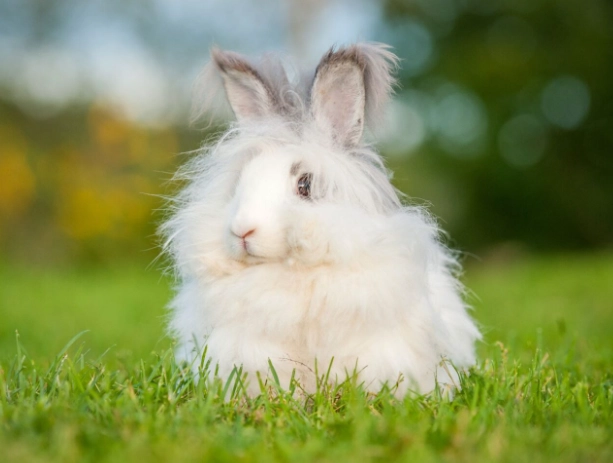
Daily Interaction Tips
Spend time on their level. Sit on the floor during playtime and let them explore you. Talk in a soft voice—rabbits recognize tones. Offer grooming sessions; Angoras need regular brushing anyway, so use it as bonding time. I keep a soft brush handy and let Snowball decide when she's done. Sometimes she hops away after two minutes; other times, she leans in for more.
Using Treats and Positive Reinforcement
Treats work, but be smart. Use small, healthy options like cilantro or a piece of apple. Reward calm behavior, not just holding. For example, give a treat after a successful ground petting session. Avoid overfeeding; rabbits have sensitive guts. I've found that timing is key—reward immediately after the desired action to reinforce it.
One trick I learned: if your bunny runs when you approach, try lying down instead of sitting. It makes you less intimidating. My friend's Angora, Fluffy, went from hiding to climbing on her chest after a week of floor naps.
FAQ: Your Top Questions Answered
Comment