Let's cut to the chase. You're not just looking at a big rabbit; you're considering welcoming a Flemish Giant into your life. Often called the "gentle giants" of the rabbit world, these are not your average pet store bunnies. Their most obvious characteristic is, of course, their staggering size—they can be the size of a small dog. But if you think that's all there is to them, you're missing the whole story. I've seen too many people fall in love with the idea of a giant, cuddly rabbit only to be completely unprepared for the reality. Their temperament, their care needs, the sheer logistics of housing them—it's a whole different ball game compared to a Netherland Dwarf.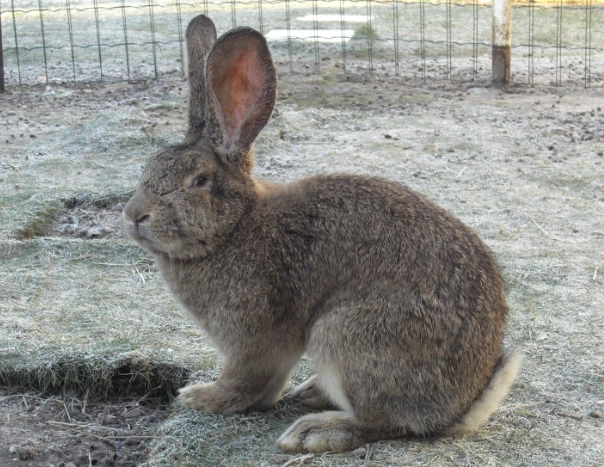
This guide isn't a fluffy list of fun facts. It's a deep dive into what living with a Flemish Giant is actually like, based on years of talking to breeders, owners, and my own observations from helping re-home rabbits that simply needed more space than their owners could give.
What’s Inside This Guide?
The Defining Flemish Giant Rabbit Characteristics
First, the numbers. According to the American Rabbit Breeders Association (ARBA) standard, a senior Flemish Giant buck (male) should weigh at least 13 pounds, with does (females) at 14 pounds minimum. There's no maximum weight. In practice, healthy adults typically range from 15 to 22 pounds, with some males pushing 25 pounds or more. They have a semi-arch body type—a long, powerful back with a noticeable rise over the hips—giving them a majestic, almost deer-like silhouette when they stretch out.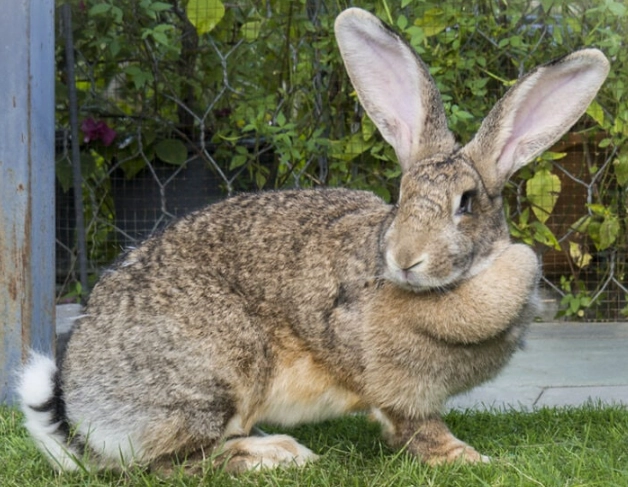
Their head is broad, and they have long, upright ears that should ideally be at least 5 inches long, often touching at the tips. The fur is dense and glossy, lying back smoothly. ARBA recognizes seven colors: Black, Blue, Fawn, Light Gray, Sandy, Steel Gray, and White. Fawn and Light Gray are among the most common you'll see.
Lifespan: With excellent care, a Flemish Giant can live 8 to 10 years, sometimes longer. This is a decade-long commitment to a very large animal.
A Quick Reality Check: Their size isn't just for show. It impacts everything—the cost of food, the size of their litter box (think small dog crate pan), the strength of your furniture legs (they love to chew), and the space you need to dedicate to them. You don't just get a rabbit; you get a roommate with specific spatial requirements.
The Flemish Giant Rabbit Temperament: More Than Just Size
Here's where the "gentle" part of "gentle giant" truly shines, but it's often misunderstood. They are not inherently lazy lap rabbits. Their calmness is more about a steady, confident, and less skittish nature compared to smaller, more high-strung breeds.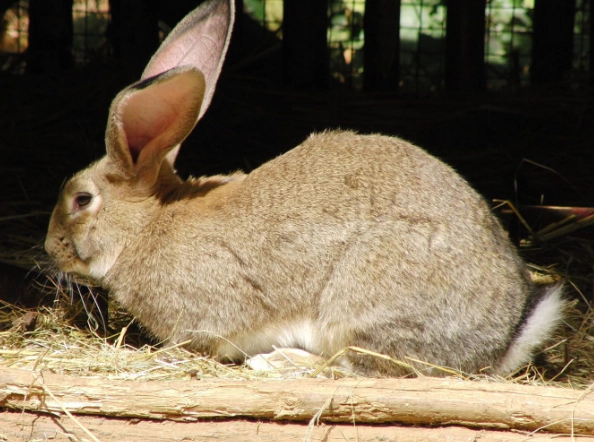
Many Flemish Giants have a remarkably docile and patient disposition. They often tolerate handling better than smaller rabbits, which makes them a popular choice for families with calm, supervised children. However, "tolerant" does not mean "indestructible." They are still prey animals. A dropped child or a loud crash can cause a heart attack. I can't stress this enough.
A common misconception is that their size makes them less active. Not true. They need significant daily exercise to prevent obesity and muscle atrophy. A happy Flemish Giant will still do "binkies" (joyful jumps and twists)—it's just a more earth-shaking event. Their playfulness is more deliberate, often involving pushing large toys around or exploring thoroughly.
They can form incredibly strong bonds with their humans, often following you around like a quiet, furry shadow. But this bond requires work. They are not cage ornaments. They need several hours of out-of-enclosure time daily in a safe, bunny-proofed space.
The Personality Spectrum
Like any animal, individuals vary. I've met Flemish Giants that were aloof and independent, preferring to observe from a distance. I've met others that demanded head rubs by nudging your hand insistently. The key is to let their personality develop without forcing interaction. Their trust, once earned, is a wonderful thing.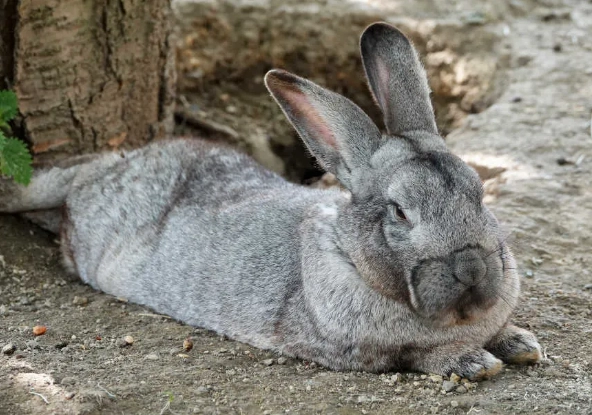
Essential Care for Your Flemish Giant Rabbit
This is where most first-time giant rabbit owners get it wrong. Scaling up from a small rabbit doesn't always work intuitively.
Housing: Think Room, Not Cage
Forget any rabbit cage you see at a pet store. It's instantly obsolete. The bare minimum enclosure is an extra-large dog exercise pen (x-pen), at least 4 feet by 4 feet, but bigger is always better. Many owners dedicate a whole room or a large section of a room. The enclosure must have a solid floor (wire floors are torture for their large feet) and space for:
- A giant litter box (a concrete mixing tub from a hardware store is perfect).
- Heavy, tip-proof ceramic bowls for water and pellets.
- A constant supply of hay in a large rack.
- A sturdy hidey-house big enough for them to turn around in comfortably.
Diet: The Hay Mountain
Their diet follows the standard rabbit model, but the quantities are massive.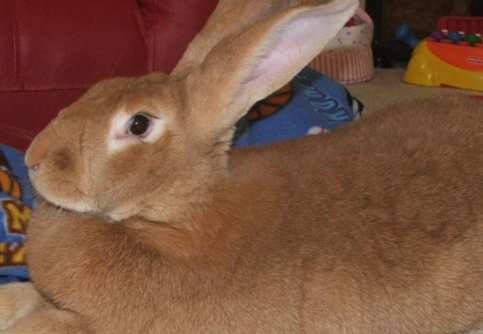
- Unlimited Grass Hay (80-90% of diet): Timothy, orchard grass, or oat hay. They will go through a flake of hay like it's nothing. Buying in bulk from a farm supply store is often the only economical way.
- Fresh Leafy Greens (10-15%): A heaping cup or two per day. Romaine, kale, cilantro, bok choy. Variety is key.
- Limited High-Quality Pellets (5% or less): About 1/2 cup daily for a 15+ lb rabbit. Look for timothy-based pellets for adults, not alfalfa-based.
- Treats: Fruit (like apple or banana) should be a tiny, occasional treat—the size of your thumbnail, not theirs. Obesity is a major killer.
Health Considerations for a Giant Breed
Their size brings specific vulnerabilities. Sore hocks (pododermatitis) are a major concern if they are kept on hard or abrasive surfaces. Provide plenty of soft, clean resting areas like fleece blankets or grass mats.
Arthritis can set in earlier due to their weight. Keeping them at a lean body condition and providing joint supplements (like glucosamine, under vet guidance) can help.
GI Stasis is the silent killer for all rabbits, and giants are no exception. Their larger digestive system can seem more resilient, but when it slows down, it's a colossal problem. Knowing the signs (small or no poop, lethargy, refusing food) and having a rabbit-savvy vet on speed dial is critical.
Speaking of vets, not all exotic vets are experienced with giants. Their drug dosages and handling during procedures are different. Ask upfront if the vet has treated Flemish Giants before.
Is a Flemish Giant Rabbit Right for You?
Let's be brutally honest. They are not for everyone. Here’s a quick comparison to other large pet rabbit breeds to put their needs in perspective.
| Breed | Average Weight | Key Temperament | Space Demand |
|---|---|---|---|
| Flemish Giant | 15-22+ lbs | Calm, gentle, docile | Very High (Room-sized) |
| Continental Giant | 16-20 lbs | Very friendly, sometimes more active | Very High (Room-sized) |
| Checkered Giant | 11-13 lbs | Energetic, athletic, less "lap" oriented | High (Large pen) |
| French Lop | 10-15 lbs | Extremely laid-back, "couch potato" | High (Large pen) |
You are a good candidate for a Flemish Giant if:
- You have substantial, secure indoor space to dedicate.
- Your budget can handle higher food, bedding, and potential vet costs.
- You want a rabbit with a generally calm and steady demeanor.
- You are committed to a long-term pet (8-10 years).
- You can provide a quiet, stable home environment.
You should reconsider if:
- You live in a small apartment with no room for a large pen.
- You are on a tight budget.
- You want a pet that can be left alone for long weekends easily.
- You have very young, unpredictable children.
- You expect a constantly cuddly lap animal (some are, many are not).
Your Flemish Giant Rabbit Questions Answered
Here are the real questions I get asked, not the textbook ones.
Their size is the main factor. While known as gentle giants, Flemish Giants need significant space—far more than a standard cage. For an apartment, you must dedicate a large, rabbit-proofed room or use a very large exercise pen (at least 4ft x 8ft) as a permanent base. Their calm temperament suits quieter homes, but the sheer physical footprint is the primary consideration. You'll need space for a giant litter box, food bowls, and room for them to stretch out fully, which can be over 4 feet long. Noise from them thumping (a warning behavior) can also be an issue with downstairs neighbors.
The largest recorded Flemish Giant was a rabbit named Darius, who measured 4 feet 4 inches (132 cm) long and weighed approximately 50 pounds (22.7 kg). While Darius is an extreme outlier, his size highlights the breed's potential. Most well-cared-for Flemish Giants will reach 15-22 pounds, with some males pushing towards 25 pounds. It's crucial to focus on healthy weight through proper diet and exercise rather than aiming for record size, as obesity is a common health risk that drastically shortens their lifespan.
It depends entirely on the individual animals. Their docile nature can be an advantage, but introductions must be incredibly slow and supervised. Never leave them alone together. The prey-predator dynamic is real. A dog's playful bark or sudden movement can fatally frighten a rabbit, causing heart failure. Success is more likely with older, calm dogs with low prey drive. Always ensure the rabbit has a massive, secure enclosure it can retreat to where the dog cannot access—this is non-negotiable for safety. I've seen more failed introductions than successful ones, so proceed with extreme caution.
Initial and ongoing costs are higher than for smaller rabbits. The rabbit itself from a reputable breeder costs $50-$150. The biggest upfront cost is housing: a custom pen or large dog crate setup can be $200+. Giant litter boxes, heavy-duty food bowls, and larger carriers add up. Monthly costs are significant: 8+ cups of fresh greens daily, unlimited high-quality hay (they go through a bale quickly), and 1/2 cup of pellets. Bedding/litter for a giant box is more. Annual vet check-ups are a must, and emergency care (e.g., for GI stasis) can cost $400+. Budget at least $100-$150 per month for food and supplies, not including vet care.
The bottom line? Flemish Giant rabbit characteristics make them incredible, majestic pets for the right person. They are living proof that big can be beautiful and gentle. But they are a serious commitment in space, time, and money. Do your homework, be brutally honest about your living situation, and if you can meet their needs, you'll be rewarded with a truly unique and wonderful companion.
Comment