Quick Navigation
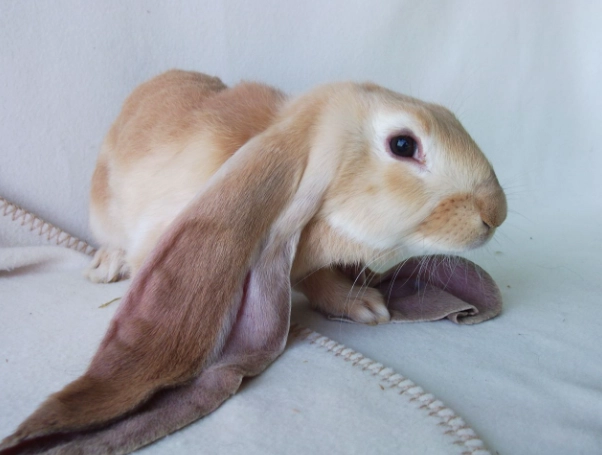
Let's be honest, the first time you see an English Lop rabbit, you do a double-take. Those ears. They're not just long; they're downright majestic, comical, and impossibly delicate all at once. I remember visiting a breeder years ago, and this one fawn-colored giant just loped over (pun intended), his ears trailing on the ground like a royal robe. It was love at first sight, but also a moment of sheer panic – how on earth do you care for something that looks so... fragile? If you're here, you're probably wrestling with that same mix of fascination and practical worry. You're not just looking at a cute pet; you're considering inviting a unique, large-breed rabbit with very specific needs into your life.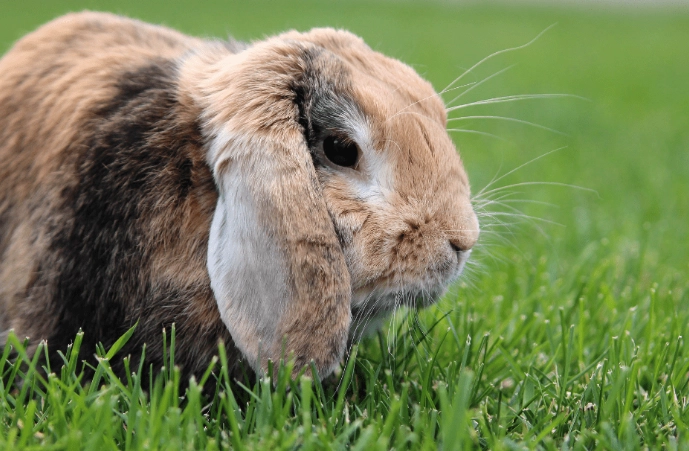
This isn't a quick list of facts. This is the guide I wish I'd had. We're going to get into the nitty-gritty of what it really means to live with an English Lop. The good, the great, and the honestly-kind-of-annoying sometimes. We'll talk about their personality beyond the "calm" label, the real cost (both financial and in square footage), and the health quirks you absolutely must be prepared for. By the end, you'll know if this gentle giant is your perfect match or if another lop rabbit breed might be a better fit.
What Exactly Is an English Lop Rabbit?
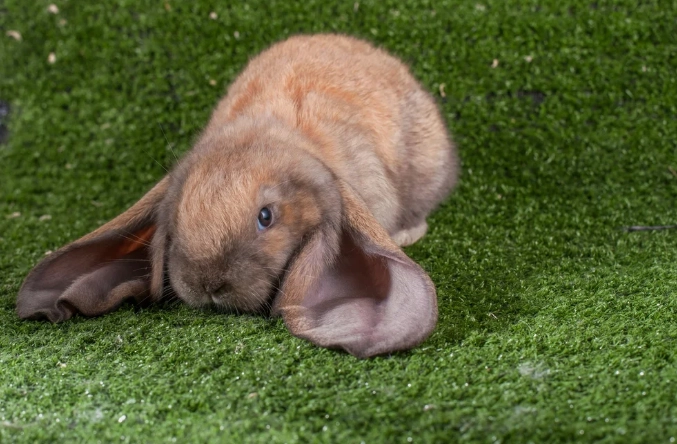
Think of the English Lop as the grandfather of all lop-eared rabbits. Developed in England in the 19th century (hence the name), they were the first rabbits bred specifically for that distinctive droopy ear. While other lops like the French Lop or Holland Lop are more common now, the English Lop remains the breed defined by extreme ear length. According to the official British Rabbit Council (BRS) standard, the ears should be carried close to the head, framing the face, and reaching well below the jaw. The body is long and lean, with a pronounced arch from the shoulders over the hips, making them look quite elegant despite their size.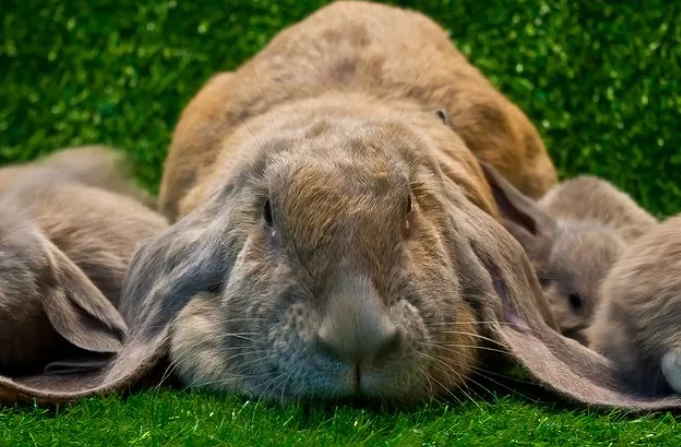
They're a "fancy" breed, primarily shown and kept by enthusiasts. You won't find them in every pet store, and that's probably for the best. Getting one from a knowledgeable breeder who prioritizes health, especially ear and bone structure, is non-negotiable. I made the mistake of buying my first from a less-reputable source, and we dealt with chronic ear infections for years. Lesson painfully learned.
So, how big do they get? An adult English Lop rabbit size is impressive. They typically weigh between 9 and 12 pounds, sometimes more. But their physical footprint is much larger than their weight suggests because of their stretched-out body and, of course, those ears. A standard pet cage is utterly useless. You need to think in terms of a puppy pen or a custom-built space.
English Lop Rabbit Personality: Are They Really That Calm?
Here's where the breed truly shines. The general reputation for being a calm, docile, even "dog-like" rabbit is largely true. My big guy, Barnaby, was the definition of a rug rabbit. He'd sprawl out in the middle of the living room, completely unconcerned by foot traffic or the vacuum cleaner. They tend to be less skittish than smaller breeds, tolerating handling better (though no rabbit truly *enjoys* being picked up).
But let's add some nuance. "Calm" doesn't mean inactive or boring. An English Lop rabbit still has bursts of playful energy, especially in the evening. You'll see joyful binkies (those crazy mid-air twists) and zoomies around the room. It's just that they intersperse these with long, glorious periods of lounging. They are also incredibly social and can get depressed if left alone in a hutch all day. They crave interaction, whether it's with you, another rabbit friend (a process called bonding, which is a whole topic itself), or just being in the thick of household activity.
Their intelligence is often underestimated. They can learn their names, come when called (especially if you shake the treat bag), and can be litter-trained with remarkable consistency. I've found them to be less destructive chewers than some smaller, more energetic breeds, but they are still rabbits. Baseboards, charger cables, and the leg of your favorite chair are not safe. Rabbit-proofing is mandatory.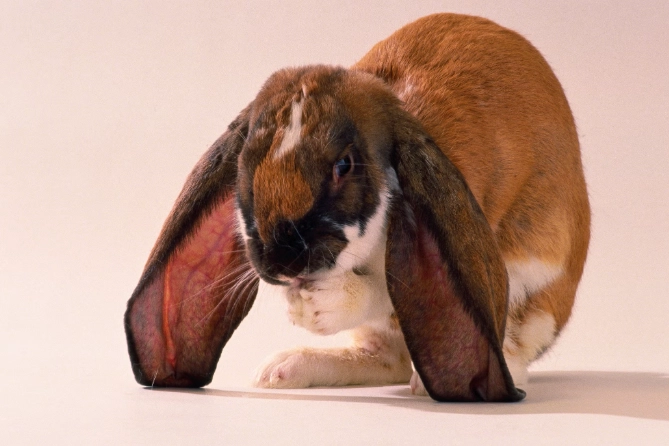
The Real Deal: English Lop Rabbit Care Guide
This is the heart of it. Caring for an English Lop is a commitment of space, time, and attention to detail. It's not rocket science, but it requires consistency.
Housing and Space Needs
Forget cages. Seriously. The minimum space for any rabbit is now widely considered to be about 12 square feet of continuous space, plus time for exercise. For an English Lop, I'd argue you need to start at 16 square feet minimum. An exercise pen (x-pen) used for large dogs is perfect. You can configure it in different shapes. Their enclosure needs:
- A solid, flat resting area (their hips are prone to sore hocks, so wire floors are a hard no).
- A large litter box (I use a large cat litter box).
- A hidey-house big enough for them to fully stretch out in.
- Heavy ceramic bowls for water and food.
- Plenty of hay in a rack that won't get soiled.
They also need several hours daily of supervised free-roam time in a rabbit-proofed room. This is non-negotiable for their mental and physical health.
Diet: What to Feed Your Gentle Giant
The diet is similar to other rabbits, just in larger quantities. The foundation is unlimited, high-quality grass hay (Timothy, Orchard, Oat). This wears down their constantly growing teeth and keeps their gut moving. Next, a daily portion of fresh, dark leafy greens (romaine, kale, cilantro, etc.). Pellets should be a limited supplement—about 1/4 cup per 5 lbs of body weight of a plain, high-fiber Timothy-based pellet. Treats like small pieces of fruit (apple, banana) or carrot are just that—treats, given sparingly.
The House Rabbit Society has fantastic, detailed guides on rabbit nutrition that I've followed for years. Overfeeding pellets is a common mistake that leads to obesity, especially in a less active breed like the English Lop.
Grooming: It's All About Those Ears
This is the unique part of English Lop rabbit care. Their ears are magnificent but high-maintenance.
- Ear Cleaning: Because they drag on the ground, the ear canals can get dirty. You need to check them weekly. Gently fold the ear back and look inside. If you see waxy buildup, use a rabbit-safe ear cleaner on a cotton pad to wipe the outer canal only. Never stick anything into the ear canal. If you see redness, foul smell, or excessive scratching, it's vet time immediately.
- Brushing: They have short fur, but they shed. A weekly brush with a soft slicker brush helps reduce hairballs (which can be fatal to rabbits). During heavy shedding seasons (spring and fall), you might need to brush daily.
- Nail Trimming: Those are big nails on big feet. Trim every 4-6 weeks. If you're nervous, ask your vet or a groomer to show you how. Cutting the quick is painful and messy.
Here’s a quick-reference table for their core care schedule:
| Task | Frequency | Notes & Tips |
|---|---|---|
| Unlimited Hay & Fresh Water | Daily | Refill hay racks and check water bowls twice daily. |
| Fresh Greens & Limited Pellets | Daily | Measure pellets to prevent obesity. |
| Litter Box Cleaning | Daily / Every Other Day | Use paper-based or aspen bedding, NEVER clumping cat litter. |
| Ear Inspection & Cleaning | Weekly | The most critical breed-specific task. |
| Brushing | Weekly (Daily when shedding) | Prevents life-threatening hairballs. |
| Full Enclosure Clean | Weekly | Sanitize with vinegar/water solution. |
| Nail Trim | Every 4-6 Weeks | Use rabbit-specific clippers, have styptic powder on hand. |
| Health Check-up | Annually | Find an exotics vet experienced with rabbits before you need one. |
Common Health Issues in English Lop Rabbits
Being a giant breed with a very specific physical structure, English Lops are prone to certain health problems. Forewarned is forearmed.
- Ear Infections & Injuries: This is the big one. Their long ear canals have poor airflow, and dragging ears pick up dirt. Chronic bacterial or yeast infections (otitis) are a major risk. Signs include head shaking, scratching, odor, tilting the head, or pain when the ear is touched. Injuries from stepping on their own ears or getting them caught are also possible. Prevention through meticulous weekly cleaning is key.
- Sore Hocks (Pododermatitis): Their large size puts pressure on the thin fur and skin on the bottom of their back feet. If they are kept on hard, abrasive, or wire surfaces, painful ulcers and infections can develop. Provide thick, soft resting areas (fleece mats, vet bed) and monitor their feet.
- Dental Issues: Like all rabbits, their teeth grow continuously. A diet lacking in abrasive hay can lead to overgrowth, spurs, and abscesses. Annual vet check-ups should include a dental exam.
- GI Stasis: The silent killer of pet rabbits. This is when their complex digestive system slows down or stops. It can be caused by stress, pain, dehydration, or a poor diet. Symptoms are a sudden lack of appetite, small or no fecal pellets, and lethargy. This is a life-threatening emergency requiring immediate veterinary care.
- Back Problems: Their long, arched spine can be vulnerable to injury if they are mishandled or fall. Always support their hindquarters when picking them up.
Is an English Lop Rabbit the Right Pet for You?
Let's do a gut check. This breed is not for everyone. They are wonderful, but they are a project.
An English Lop might be a great fit if you:
- Have ample indoor space for a large pen.
- Want a more interactive, free-roaming pet, not one stuck in a cage.
- Are home often and can provide daily social interaction.
- Are patient, observant, and committed to a detailed grooming/cleaning routine.
- Have the budget for a quality setup, ongoing supplies, and potential vet bills.
- Are looking for a rabbit with a typically calm, tolerant disposition.
You should probably consider a different rabbit breed if you:
- Live in a small apartment with no room for a large pen.
- Want a low-maintenance, "hands-off" pet.
- Are frequently away from home or have a very busy lifestyle.
- Are on a tight budget.
- Are squeamish about cleaning ears or dealing with potential health issues.
- Have very young children (due to the rabbit's large size and delicate ears/back).
The decision to bring an English Lop rabbit into your home shouldn't be based solely on their unique looks. It's a 8-12 year commitment to a creature with very specific needs. If you can meet those needs, you'll be rewarded with one of the most gentle, charismatic companions imaginable.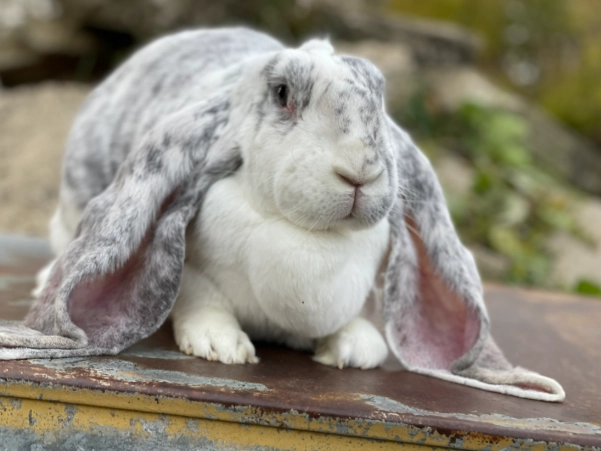
English Lop Rabbit FAQs: Your Questions Answered
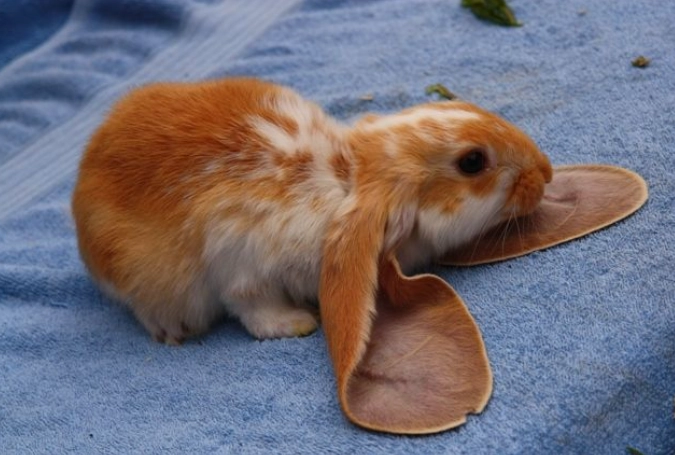
At the end of the day, sharing my life with an English Lop rabbit was deeply rewarding. It taught me patience, attention to detail, and the quiet joy of a creature that simply wants to be near you. The sight of Barnaby flopped over, ears spread like a rug, contentedly chewing his hay is a memory I cherish. But I also remember the vet visits, the ear cleanings, and the sheer amount of space he commanded.
If your lifestyle, space, and heart have room for a gentle giant with high-maintenance ears, then the English Lop might just be your perfect, lop-eared soulmate. Do your homework, find a great breeder or rescue, and get ready for a unique adventure in rabbit ownership. Just make sure you have a really good vacuum for all that hay.
Comment