Quick Guide
- Is That a Bunny or a Hare? Spotting the Eastern Cottontail
- Where Do Eastern Cottontail Rabbits Live? (Hint: Probably Near You)
- A Day in the Life: Diet, Behavior, and Survival
- The Family Life of a Cottontail
- Coexisting with Your Wild Neighbors: A Practical Guide
- Common Questions About Eastern Cottontail Rabbits
- The Big Picture: Why the Eastern Cottontail Matters
You see them at dawn, or maybe just as the sun starts to dip. A flash of brown, a twitch of a nose, and that unmistakable puff of white tail disappearing into the shrubs. If you live east of the Rockies in North America, you've almost certainly had a visit from the Eastern Cottontail Rabbit (Sylvilagus floridanus). They're probably the most common mammal in your neighborhood that you know the least about. I used to just think of them as "the garden rabbits," until one decided to raise a family under my deck. That summer changed my perspective completely.
Let's be honest, most of what we know comes from cartoons. They're not always munching carrots (more on that later), and they're a lot tougher than they look. This guide is for the curious—the backyard naturalist, the gardener who's tired of nibbled plants, or the parent whose kid just asked, "What kind of rabbit is that?" We're going to dig deep into the world of the Eastern Cottontail, beyond just that cute tail.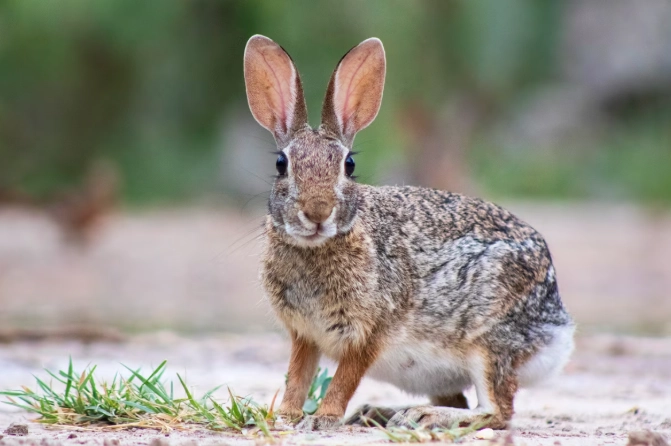
Is That a Bunny or a Hare? Spotting the Eastern Cottontail
First things first, let's make sure we're all talking about the same animal. Not every brown rabbit is an Eastern Cottontail. They have some key look-alikes.
The main source of confusion is the hare, specifically the Snowshoe Hare. Hares are bigger, have longer ears with black tips, and their back legs are massive—built for power and speed in open areas. A cottontail is built for quick, zig-zag bursts in brushy terrain. The other common mix-up is with other cottontail species, like the Desert or New England Cottontail. For most of us in the eastern two-thirds of the continent, if you see a cottontail, it's the Eastern. The Cornell Lab of Ornithology's wildlife resources, while bird-focused, often have great comparative guides that help underline these visual distinctions in mammals too.
So, what should you look for?
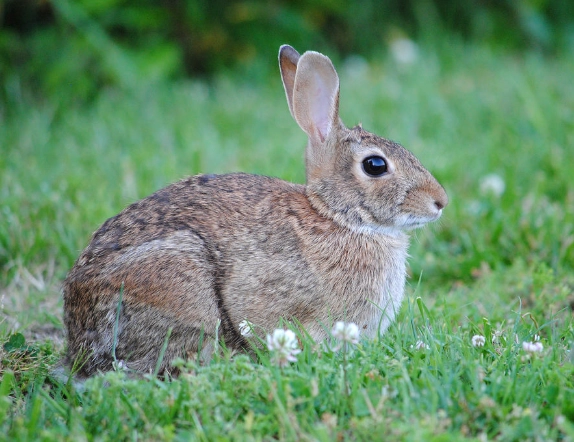
- Size & Build: Think football, not basketball. They're typically 14-19 inches long and weigh 2-4 pounds. Compact and rounded.
- The Famous Tail: It's not always white! The top is brown like the rest of them. It's the underside that's pure, fluffy white. They raise it like a flag when they run, which might be a signal to other rabbits or just a distraction for predators.
- Ears: Large, but not excessively long. They lack the black tips of a hare.
- Color: A grizzled gray-brown or reddish-brown. The belly and the underside of the tail are white. In winter, their fur might get a bit grayer, but they don't turn white like a Snowshoe Hare.
I made the hare mistake for years. I saw a big one in a field and was convinced it was a "giant cottontail." Nope, just a hare doing hare things.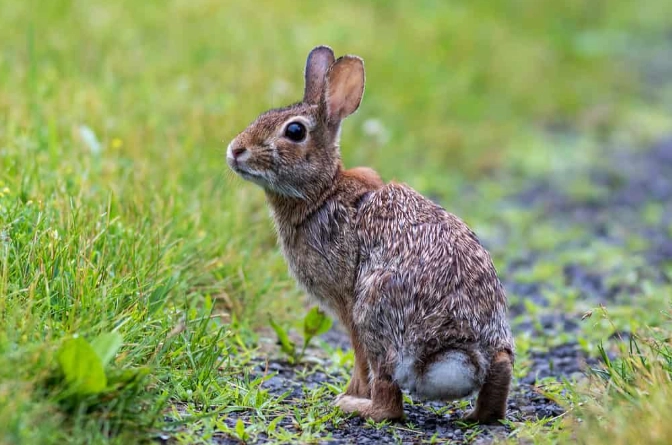
Where Do Eastern Cottontail Rabbits Live? (Hint: Probably Near You)
This is where the Eastern Cottontail shines. They are the ultimate adapters. They don't need pristine wilderness. In fact, they often do better where humans have made a bit of a mess.
Their ideal habitat is what ecologists call "edge habitat." That's the border zone between two different environments, like a field meeting a forest, or a backyard meeting a woodlot. These edges provide everything they need: open areas to graze and dense cover to hide. This is why they love:
- Overgrown fields with tall grass and shrubs.
- Suburban backyards with gardens, bushes, and sheds.
- Park edges, cemeteries, and golf course roughs.
- Roadside ditches and power line cuts.
They don't dig elaborate burrows like the European rabbit. Instead, an Eastern Cottontail rabbit will use a pre-existing hole dug by another animal (like a woodchuck), a hollow log, or a dense thicket. For their nests, which are called "forms," they just scrape a shallow depression in the ground and line it with grass and their own fur. It's shockingly exposed, which is why baby cottontails are masters of stillness.
Their range is massive. According to range maps from sources like the National Wildlife Federation, they're found from southern Canada all the way down to South America, and from the East Coast to the Great Plains. If the habitat has edges and cover, they can probably make it home.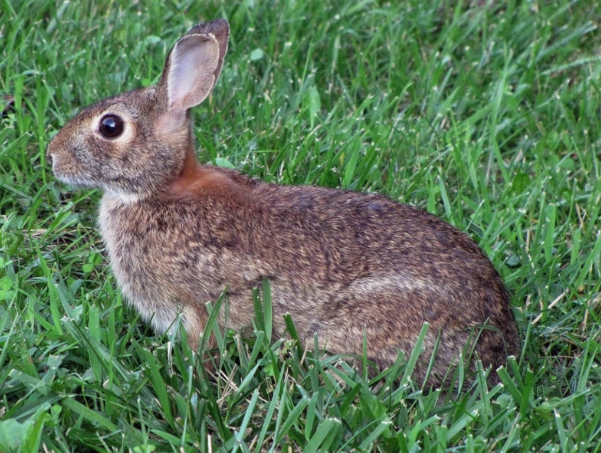
A Day in the Life: Diet, Behavior, and Survival
Life as a cottontail is stressful. Nearly everything wants to eat you. Hawks, owls, foxes, coyotes, cats, dogs, snakes... the list is long. This pressure shapes every single thing they do.
Diet: The Salad Bar Experts
Forget the carrot. While they might eat a garden carrot, it's not a natural staple. An Eastern Cottontail's diet changes with the seasons and is heavily reliant on what's available. They are true herbivores.
| Season | Primary Foods | Notes & Gardening Impact |
|---|---|---|
| Spring & Summer | Grasses, clover, dandelions, garden vegetables (lettuce, beans, peas), flowering plants. | This is peak "garden nuisance" season. Tender, juicy greens are irresistible. |
| Fall | Shifting to more woody plants: bark, twigs, buds. Remaining greens. | You might see nibbled bark on young trees and shrubs. |
| Winter | Bark, twigs, buds of trees like maple, oak, sumac, dogwood. Any leftover dried plants. | Survival mode. They can cause damage to orchards or landscaped plants when other food is scarce. |
They practice something called coprophagy. Sounds gross, but it's vital. They produce two types of droppings. The first, soft green pellets, are re-ingested to extract maximum nutrients (like a cow chewing cud). The second, the hard brown pellets you find on your lawn, are the final waste. It's an incredibly efficient system for an animal that lives on low-quality forage.
See? Not just carrots.
Behavior: The Art of Staying Alive
Most of their activity is at dawn and dusk (crepuscular). This avoids the heat of the day and the full cover of night when more predators are out. They have a small home range, often less than 10 acres, which they know intimately.
When threatened, their first choice is to freeze. Their camouflage is excellent. If you've ever stumbled upon one that didn't move until you were almost on top of it, now you know why. If freezing fails, they explode into a sprint, reaching speeds up to 18 mph in a chaotic zig-zag pattern. That white tail flag might help young rabbits follow their mother, or it might momentarily confuse a predator.
They are mostly solitary, except for mothers with kits. And they communicate through scent, body language, and surprisingly, a soft tooth-grinding when content.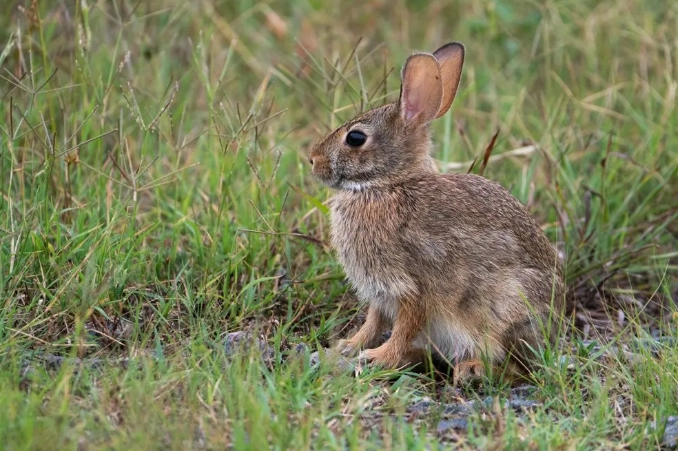
The Family Life of a Cottontail
This is where people often get involved, sometimes with the best of intentions but not always the best outcomes.
Eastern Cottontails are prolific breeders. A single female can have 3-7 litters per year, with 3-8 kits per litter. The breeding season can start as early as February and go into September. The gestation is short, only about 28 days.
Here's the mother's strategy is fascinating, and it's the root of many wildlife rescue calls. She does not stay with her young. After giving birth in a carefully hidden form (often in the open, disguised by grass), she covers the kits with a mixture of grass and her own fur, then leaves. She only returns to nurse them for a few minutes at dawn and dusk. This minimizes the chance of leading a predator to her vulnerable babies.
The kits grow incredibly fast. They open their eyes at about 10 days old, leave the nest to forage at about two weeks, and are fully independent by the time they're about a month old. The life of an Eastern Cottontail rabbit is short and intense—most don't survive their first year. Those that do may live 2-3 years in the wild.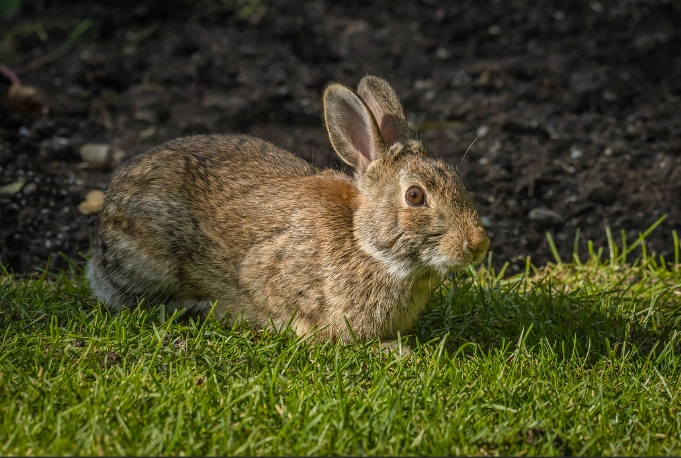
Coexisting with Your Wild Neighbors: A Practical Guide
So you have Eastern Cottontail rabbits in your yard. Maybe you love watching them, maybe you're frustrated with your garden. Here’s how to find a balance.
If you want to discourage them (especially from gardens):
- Fencing: This is the most effective method. Use chicken wire or hardware cloth that's at least 2 feet tall and bury the bottom 6 inches to prevent digging. Bend the top outward to stop them from climbing over.
- Plant Selection: They have definite preferences. They tend to avoid plants with strong smells, fuzzy leaves, or tough textures. Consider planting more of these:
- Herbs: Lavender, rosemary, sage, mint.
- Flowers: Marigolds, geraniums, daffodils, coreopsis.
- Shrubs: Boxwood, holly, juniper.
- Repellents: Commercial repellents exist, but their effectiveness varies and they need reapplication after rain. Some swear by sprinkling blood meal or human hair around plants.
If you want to encourage them (for wildlife viewing):
- Create Habitat: Leave a brush pile in a corner of your yard. Plant native shrubs and let a patch of grass grow tall. This provides essential cover.
- Food Sources: Plant clover or let dandelions grow in a section of your lawn. They love these natural foods.
- Water: A shallow birdbath or ground-level water source can be a big draw, especially in summer.
Common Questions About Eastern Cottontail Rabbits
Let's tackle some of the most frequent questions people have. These are the things you might type into Google at 10 p.m. after a strange rabbit encounter.
Are Eastern Cottontails good pets?
Absolutely not. They are 100% wild animals. They are not domesticated like a pet store rabbit (which is a descendant of the European rabbit). A cottontail will be terrified in captivity, is prone to stress-induced health issues, and has very specific dietary needs. It is also illegal in most places to keep a native wild animal as a pet without special permits. If you want a rabbit friend, visit a shelter and adopt a domesticated breed.
How can I tell if a baby rabbit is orphaned?
This is crucial. Remember the mother's strategy? If the kits are quietly nestled in a nest, plump, and warm, they are fine. If they are scattered, cold, or visibly injured (flies, wounds), then intervention might be needed. Before doing anything, you can test by placing a light string or yarn in an "X" over the nest. Leave the area and check back in a few hours. If the string is disturbed, the mother has returned. The Humane Society's wildlife resources offer excellent, detailed guidance on this specific scenario.
Do they carry diseases?
Like all wildlife, they can carry parasites and diseases. The most notable one is tularemia, a bacterial infection that can be transmitted to humans through contact with infected animals or ticks. However, the risk to the average person who simply observes rabbits from a distance is extremely low. Never handle a wild rabbit with bare hands. If you must move a dead one, use gloves and a shovel.
What's the difference between a rabbit and a hare?
We touched on this, but it's worth a summary. Hares are generally larger with longer ears and legs. They are born fully furred with eyes open, ready to run. Rabbits (like the cottontail) are born helpless, naked, and blind. Hares prefer open areas, rabbits prefer brushy edges.
Is it okay to feed wild rabbits?
Generally, no. Feeding can lead to overpopulation, dependency, and disease spread. It can also attract other, less desirable wildlife (like raccoons or rats). If you absolutely must offer something, fresh leafy greens like romaine lettuce or dandelion greens are okay in very small amounts, but it's better to plant things they can eat naturally.
My personal take: I made the mistake of leaving out a few carrot ends once. It didn't take long for the rabbit to associate my patio with food, which led to bolder behavior and, eventually, a close call with my neighbor's dog. I learned that offering food removes the natural caution that keeps them safe.
The Big Picture: Why the Eastern Cottontail Matters
It's easy to see them as just a common backyard animal, maybe even a pest. But the Eastern Cottontail rabbit plays a crucial role in the ecosystem.
They are a key prey species. A huge number of predators depend on them for survival. They are also important herbivores, influencing the composition of plant communities through their grazing. Their burrows (often abandoned burrows they take over) can provide shelter for other small animals.
On a personal level, they are a gateway to nature appreciation. For many people, the cottontail is the first wild animal they observe closely. Their presence is a reminder that we share our space with a vibrant, complex natural world, even in our own backyards.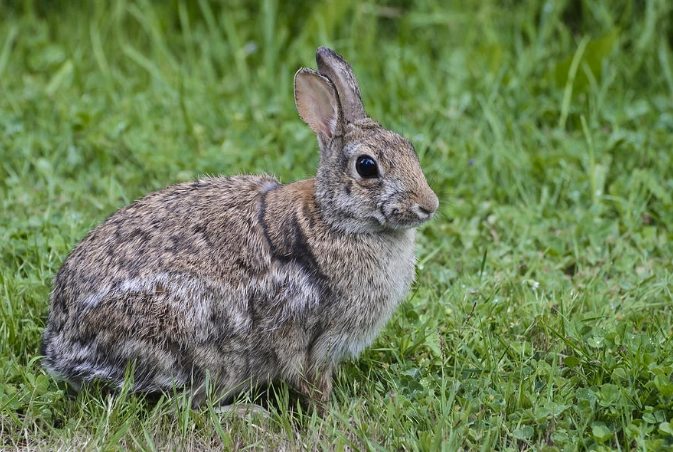
I still remember the first time I saw a baby cottontail up close. It was nestled in the grass, perfectly still except for the rapid rise and fall of its tiny sides. It was so vulnerable, yet so resilient. That little rabbit taught me more about patience, stillness, and the will to survive than any book.
To summarize: The Eastern Cottontail Rabbit is a fascinating, adaptable survivor. It's built for speed and camouflage, thrives in edges and brush, and lives a short, intense life shaped by predation. By understanding its habits—from its diet of greens and bark to its absentee mothering strategy—we can better coexist with these charming backyard visitors, whether we want to watch them or gently guide them away from our prized petunias.
So next time you see that flash of brown and white, take a moment. You're not just seeing a rabbit. You're seeing a survival expert, a key player in the local food web, and a little piece of wildness that has chosen to live alongside you.
Comment