Quick Navigation: Celery for Your Bunny
- Why the Confusion? Breaking Down Celery for Bunnies
- The Good Stuff: Nutritional Benefits of Celery for Rabbits
- The Not-So-Good Stuff: Risks and How to Mitigate Them
- The Right Way to Feed Celery: A Step-by-Step Guide
- How Much Celery Can a Rabbit Have? The Portion Rule
- Can Rabbits Have Celery Leaves? (The Best Part!)
- What About Cooked or Canned Celery?
- Common Questions Rabbit Owners Ask (FAQ)
- Putting It All Together: The Celery Checklist
- The Final Verdict
If you're standing in the kitchen, looking at your bunny and then at the celery stalk in your hand, you're not alone. I've been there too. That crisp, green veggie seems like it should be a no-brainer, right? It's all natural, full of water, and we eat it ourselves. But when it comes to our floppy-eared friends, the answer isn't just a simple yes or no. It's a "yes, but..." and those "buts" are pretty important if you want to keep your rabbit hopping happily for years to come.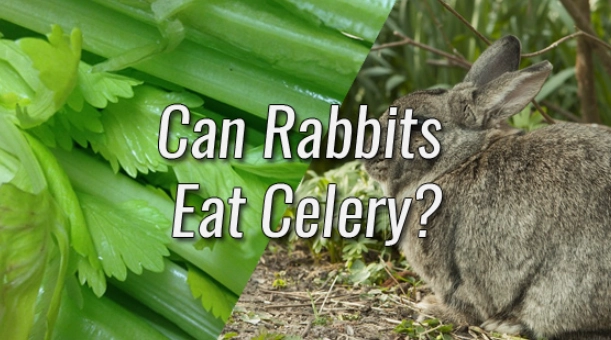
I remember the first time I gave my rabbit, Mochi, a small piece of celery. He sniffed it, gave me a look that seemed to say "Is this for me?", and then nibbled cautiously. He liked it! But later, I noticed a few uneaten, stringy bits in his cage. That got me digging into research, talking to vets, and learning the proper way to do it. Turns out, the question of whether rabbits can have celery opens up a whole conversation about rabbit digestive health, dietary balance, and safe feeding practices.
The Short Answer: Yes, rabbits can have celery. It is not toxic to them. However, it must be prepared correctly and fed in strict moderation as part of a balanced diet. The stringy fibres present a significant choking and digestive blockage hazard if not addressed.
Why the Confusion? Breaking Down Celery for Bunnies
You'll find all sorts of opinions online. Some sources make it sound like celery is a superfood for rabbits, while others treat it like a landmine for their guts. The truth, as usual, is in the middle. The confusion stems from celery's unique structure. It's not like leafy lettuce or a chunk of carrot. Celery is mostly water (about 95%), wrapped around those tough, vascular strings called collenchyma bundles. For us, they're just a bit fibrous. For a small herbivore with a delicate digestive system, they can be a real problem.
Rabbits have a highly specialized gut designed to process vast amounts of low-quality forage (think grass and hay). Their system relies on a constant flow of fibre to keep things moving. Introduce something that's both very high in water and has long, indigestible strings, and you can see where things might go wrong. The benefits of celery—like vitamins and hydration—are real, but they come packaged with risks you need to manage.
Let's get into the nitty-gritty.
The Good Stuff: Nutritional Benefits of Celery for Rabbits
When prepared safely, celery does offer some nutritional value. It's not a dietary cornerstone—that title forever belongs to unlimited grass hay—but it can be a decent occasional treat. Here’s what’s in it for your bunny:
- Hydration Boost: That high water content can be helpful, especially for bunnies who are picky drinkers or during warmer weather. It's a sneaky way to get more fluids into them.
- Vitamin K: Important for blood clotting and bone health. Not something rabbits are typically deficient in, but every bit helps.
- Folate (Vitamin B9): Supports cell growth and function, which is crucial for all animals.
- Potassium: An essential electrolyte that helps with nerve function and muscle health.
- Some Antioxidants: Celery contains compounds like apigenin and luteolin, which have anti-inflammatory properties.
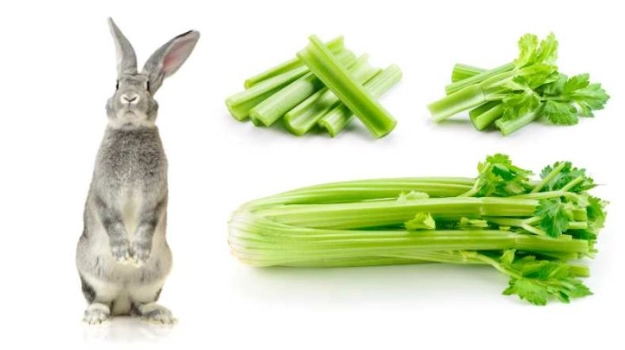
But here's the personal take: the vitamin content in celery isn't spectacular compared to darker leafy greens like romaine lettuce or kale. You're not feeding it for a massive nutritional punch. You're mostly feeding it for variety and enrichment. A bored rabbit is an unhappy rabbit, and new textures and tastes (safely introduced) can really brighten their day. So, can rabbits have celery for a nutritional boost? A small one, yes. But that's not the main reason to offer it.
The Not-So-Good Stuff: Risks and How to Mitigate Them
This is the part you really need to pay attention to. Ignoring these risks is how good intentions lead to an emergency vet visit. I'm not trying to scare you, but being informed is the best way to be a responsible pet owner.
The #1 Danger: Those Strings!
The long, tough fibres in celery are the biggest concern. A rabbit's teeth are great at cutting, but not so great at grinding these particular strings into small, safe pieces. They can:
- Wrap around teeth: Causing dental discomfort or even trapping food.
- Cause choking: Long strands can get lodged in the throat.
- Lead to GI Stasis: This is the big one. If the strings make it to the stomach and intestines, they can tangle, slow down, or completely block the normal muscular movements (peristalsis) that push food through. GI stasis is a life-threatening condition for rabbits. The House Rabbit Society, a highly respected authority on rabbit care, consistently emphasizes the importance of preparing fibrous vegetables properly to prevent such issues.
Pesticide Residue: Celery often ranks high on lists of produce with pesticide residue (like the USDA's Pesticide Data Program reports). You wouldn't want those chemicals in your bunny's system.
High Water Content: Sounds good, but too much can actually dilute the vital gut flora and slow digestion if it replaces fibre-rich foods. It's all about balance.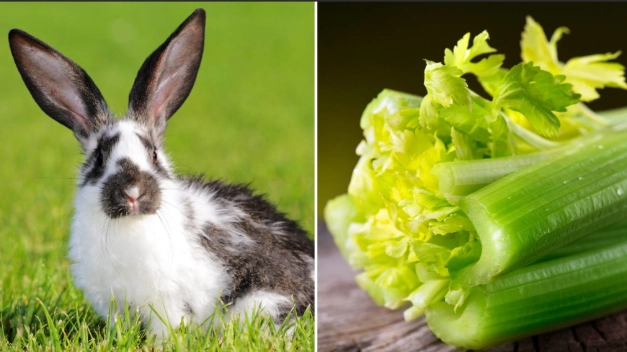
Oxalates: Celery contains moderate levels of oxalic acid. In very large, frequent quantities, this can contribute to the formation of bladder sludge or stones in susceptible rabbits. For an occasional treat, this is a minimal risk, but it's worth knowing.
The Right Way to Feed Celery: A Step-by-Step Guide
Okay, so you've weighed the pros and cons and decided to give it a try. Here’s exactly how to do it safely. This isn't just a suggestion; think of it as the mandatory protocol for celery.
Step 1: Selection and Washing
Always choose organic celery if you can. It minimizes the pesticide risk. If conventional is all you have, washing is non-negotiable. Rinse the stalk thoroughly under cool running water. Some people use a dilute vinegar solution for an extra scrub, but a good rinse is the baseline.
Step 2: The Critical Prep Work – De-Stringing
This is the most important step. You must remove the strings. There are two easy ways:
- The Peeling Method: Use a vegetable peeler or a small paring knife. Lay the celery stalk flat and gently peel off the outer layer where the toughest strings reside. You'll see them come off.
- The Pulling Method: Break off a piece from the top (leafy end). You'll see strings attached. Pull them down the length of the stalk, and they should peel off in long strands. It's oddly satisfying.
After de-stringing, the celery should feel much smoother and less fibrous.
Step 3: Chopping
Don't give your rabbit a whole stalk. Cut the de-stringed celery into small, bite-sized pieces—about 1/2 inch (1 cm) long. This further eliminates any long fibre risks and makes it easy for your bunny to eat.
Step 4: Start Small – The Introduction
Is this your rabbit's first time with celery? Start with just one or two of those small pieces. Watch them closely for the next 12-24 hours. You're looking for normal eating, drinking, and pooping habits. Their poop should remain round, firm, and plentiful. Any sign of softer stools, reduced appetite, or fewer droppings means celery might not agree with your particular bunny, and you should stop.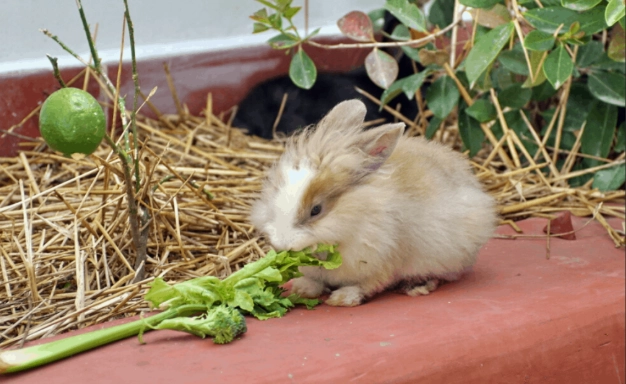
Pro Tip: Feed celery (and any new treat) in the morning. That way, you have the entire day to monitor their behavior and poop output before night falls. Trust me, checking the litter box becomes a weirdly important part of your daily routine when you have a rabbit.
How Much Celery Can a Rabbit Have? The Portion Rule
This is where most people go wrong. They think "it's just a vegetable" and give too much. Remember, a rabbit's diet should be roughly:
- 80-90% Unlimited Grass Hay (Timothy, Orchard, Meadow): This is non-negotiable.
- 10-15% Fresh Leafy Greens: A variety of 2-3 different types daily.
- 5% or less Treats: This includes pellets, fruits, and non-leafy veggies like celery, carrot, bell pepper.
For celery specifically, follow this guideline:
| Rabbit Size | Max Celery per Serving | Max Frequency |
|---|---|---|
| Small (e.g., Netherland Dwarf) | 1-2 small pieces (1/2 inch) | 1-2 times per week |
| Medium (e.g., Mini Lop) | 2-3 small pieces | 2 times per week |
| Large (e.g., Flemish Giant) | 3-4 small pieces | 2-3 times per week |
Celery should never replace their daily leafy greens. Think of it as the occasional crunchy snack, not a staple. Can rabbits have celery every day? I wouldn't recommend it. Variety is safer and more nutritious.
Can Rabbits Have Celery Leaves? (The Best Part!)
Now here's a fun twist. Those leafy, fluffy tops of the celery stalk? They are often better for your rabbit than the stalk itself! The leaves are softer, less stringy, and richer in certain nutrients like vitamin C and calcium (in moderate amounts).
I always give Mochi the leaves first. He goes crazy for them. They still need a good wash, but you usually don't have to worry about de-stringing them. Just chop them up a bit and offer them as part of their green mix. It's a great way to use the whole vegetable.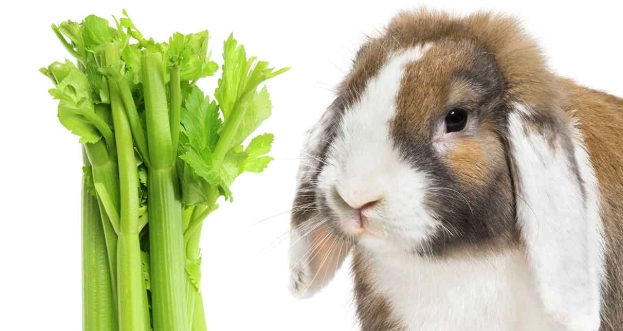
What About Cooked or Canned Celery?
Cooked Celery: No. Cooking changes the cellulose structure and removes water, but it can also make it mushy and potentially introduce oils, salts, or seasonings that are harmful. Stick to raw, fresh, and properly prepared.
Canned Celery: Absolutely not. Canned vegetables are loaded with sodium (salt), which is extremely dangerous for rabbits and can lead to kidney damage. The texture is also all wrong.
Fresh is the only way to go.
Common Questions Rabbit Owners Ask (FAQ)
My rabbit ate celery with strings! What do I do?
Don't panic immediately. One small incident doesn't guarantee disaster. First, stop feeding any more celery or treats. Ensure they have unlimited access to their hay—the fibre will help move things along. Monitor them very closely for the next 24-48 hours. Watch for signs of GI stasis: significantly smaller or misshapen poops, no poops at all, loss of appetite, lethargy, or a hunched posture. If you see any of these signs, call your vet immediately. If they are eating, drinking, and pooping normally, they likely passed the strings without issue, but be extra careful with prep next time.
Can baby rabbits have celery?
No. A young rabbit's digestive system is incredibly sensitive and still developing. The general rule is to wait until they are at least 12 weeks old before introducing any fresh vegetables. Start with simpler, leafy greens first (like romaine). Introduce new foods one at a time, several days apart. Hold off on fibrous veggies like celery until they are closer to 6-7 months old and have a robust gut flora established. Always consult your vet for a personalized feeding schedule for a young bunny.
My rabbit won't eat celery. Is that okay?
That's perfectly fine! In fact, it makes your life easier. Rabbits, like people, have personal tastes. Some go nuts for bananas, some for basil, some for nothing but hay. There is no single vegetable that is an absolute must-have. If your rabbit turns up its nose at celery, just offer other safe greens and veggies. The list of rabbit-safe vegetables is long—try bell pepper, cucumber (peeled), zucchini, or broccoli leaves. The RSPCA provides excellent guidelines on a balanced rabbit diet that emphasizes variety based on what your individual pet enjoys and tolerates.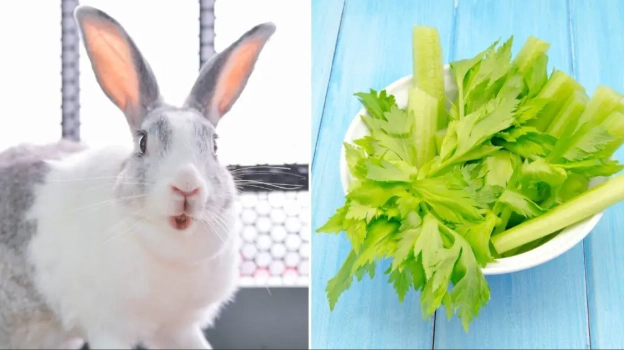
My first rabbit, Thumper, wanted nothing to do with celery. He'd sniff it and hop away in disdain. My current bunny, Mochi, thinks it's a delightful change of pace. You just never know. Don't force it.
How does celery compare to other popular rabbit veggies?
Let's put it in context. This isn't a ranking of "best to worst," but a comparison of traits.
- vs. Romaine Lettuce: Romaine is a safer daily green. Lower in oxalates, easier to digest, no string hazard. Celery is more of a weekly treat.
- vs. Carrots: Both are high-sugar treats. Carrots are higher in sugar and should be given even more sparingly (tiny pieces!). Celery is lower in sugar but has the string issue.
- vs. Kale: Kale is a nutrient-dense powerhouse but high in calcium and oxalates, so it should be rotated, not fed daily. Celery is less nutrient-dense but provides hydration.
- vs. Bell Pepper: Bell pepper (seeds and stem removed) is fantastic. Low in sugar, high in Vitamin C, crunchy, and no strings. Often a better frequent choice than celery.
The takeaway? Celery has its place, but it's not the superstar of the rabbit vegetable world. It's a supporting actor with a specific role.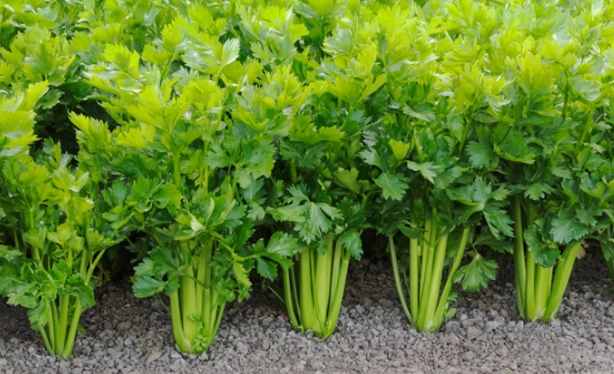
Putting It All Together: The Celery Checklist
Before you hand over that green stick, run through this mental list:
- Is my rabbit an adult? (Over 6 months for celery).
- Have I washed it thoroughly? (Organic is best).
- Have I meticulously removed all the long strings? (This is the critical step).
- Have I chopped it into small, bite-sized pieces? (1/2 inch or 1 cm).
- Is this a small portion within my rabbit's weekly treat allowance? (See the table above).
- Am I introducing it for the first time? (If yes, start with one piece and monitor).
If you can check all these boxes, then yes, you can feel confident in offering celery.
The Final Verdict
So, can rabbits have celery? The answer is a cautious, qualified yes. It's not a forbidden food, but it's not a carefree one either. It demands respect for its potential dangers, primarily those indigestible strings.
The effort of proper preparation—washing, de-stringing, and chopping—is what separates a safe treat from a risky one. If that sounds like too much work, just skip it. Your rabbit won't miss it, and there are plenty of easier, safer vegetables out there. But if you don't mind taking those extra two minutes to prep it safely, it can be a fun, hydrating, and crunchy occasional snack that adds a little variety to your bunny's menu.
At the end of the day, the core of your rabbit's health will always be that endless pile of hay, fresh water, a limited number of good-quality pellets, and a daily salad of varied leafy greens. Treats like celery are just the sprinkles on top. Feed them thoughtfully, watch your bunny's individual response, and when in doubt, less is always more.
Happy feeding!
Comment