Let's be honest. A sick rabbit is a terrifying thing for any owner. They're not like dogs, who will whine and look at you with sad eyes. Rabbits are prey animals. Their evolutionary survival manual has one golden rule: never show weakness. By the time your bunny looks obviously sick—lying listlessly, refusing food—they've likely been fighting an internal battle for hours, maybe days. That's the core challenge of rabbit illnesses. The signs are whispers, not shouts.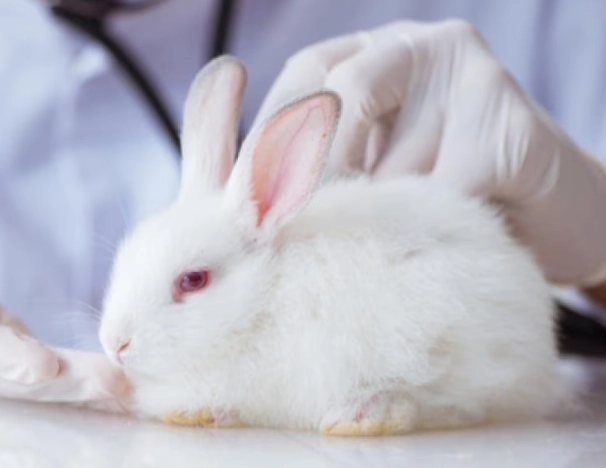
I've been keeping rabbits for over a decade, and I've learned this lesson the hard way. The difference between a quick recovery and a tragedy often comes down to recognizing those whispers early. This guide isn't just a list of diseases. It's a translation manual for your rabbit's silent language of discomfort and a roadmap for navigating the scary world of rabbit veterinary care.
In This Guide: Your Rabbit Health Roadmap
Spotting Trouble: The Subtle Signs No One Talks About
Forget waiting for a runny nose or a cough. With rabbits, you need to become a detective of normalcy. Any deviation from their baseline routine is a red flag.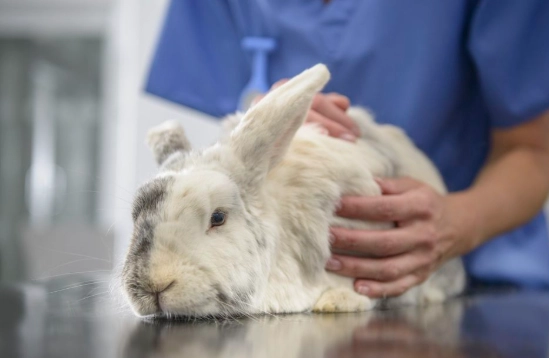
Here’s what most care sheets miss: changes in litter habits. Is there a sudden decrease in the number of fecal pellets? Are they smaller, misshapen, or strung together with fur? That's often the first sign of gut slowdown. Is your fastidiously clean rabbit leaving wet droppings around? Could be a urinary issue or pain that makes getting into the litter box hard.
Posture tells a huge story. A healthy rabbit relaxes in a "loaf" position or sprawls out. A rabbit in pain or discomfort often sits in a "hunched" position—back rounded, shoulders tense, belly pressed to the floor. They might seem like they're just sitting there, but it's a posture of distress.
Then there's the face. Are their eyes wide and bright, or are they half-closed, looking "sleepy" at odd times? Listen for tooth grinding. A soft, rhythmic purring grind can mean contentment. A loud, persistent grinding is a classic sign of pain. It's a crucial distinction.
The Big Four: Most Common Rabbit Illnesses Explained
While rabbits can suffer from various ailments, a handful account for most vet visits. Understanding these isn't about scaring you, but about empowering you to act fast.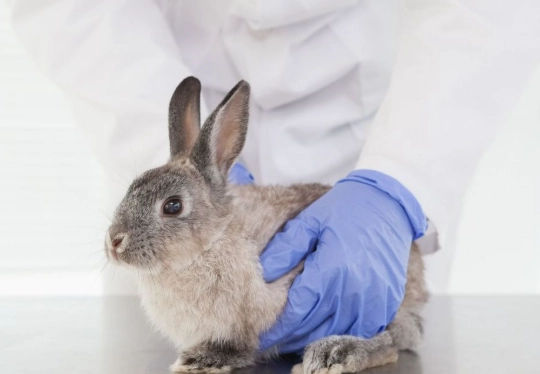
1. Gastrointestinal (GI) Stasis: The Silent Killer
This isn't a specific disease, but a deadly syndrome where the gut slows down or stops. It's a final common pathway for many other problems—dental pain, stress, dehydration, a diet low in fiber.
What happens: The hair, food, and fluid in the gut stop moving. Gas builds up, causing painful bloat. The rabbit stops eating, which makes the problem worse. Bacteria in the gut can change, releasing toxins.
What you'll see: Gradual decrease in appetite, smaller/ fewer poops, then no poops. Lethargy, hunching, loud tooth grinding.
The fix: This is a vet job. They'll provide pain relief, motility drugs, fluids, and syringe feeding. The key is treating the underlying cause (e.g., filing overgrown teeth).
2. Respiratory Infections (Snuffles)
Called "snuffles," this is often caused by the bacteria *Pasteurella multocida*. Many rabbits carry it without symptoms, but stress can trigger an outbreak.
Here's a nuance most miss: It's not just about a runny nose. Look for white, creamy discharge on the inside of their front paws—they wipe their nose and it sticks there. Listen for sneezing fits, but also for a slight, wet snuffling sound as they breathe, even when resting. In severe cases, it can lead to pneumonia or abscesses in the head.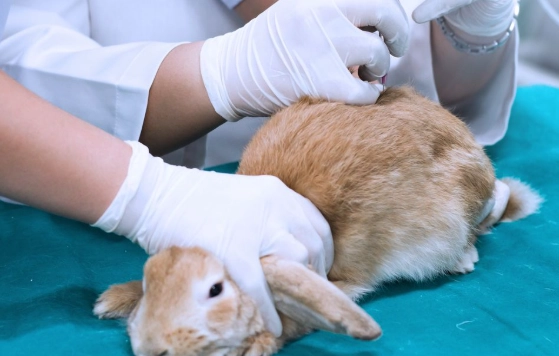
Treatment involves long courses of specific antibiotics (never give random antibiotics from another pet—some are toxic to rabbits). Improving ventilation and reducing dust from bedding can help manage it.
3. Dental Disease: A Constant Battle
Rabbit teeth grow continuously, about 2-3mm per week. They need to be worn down by chewing fibrous hay. If the teeth are misaligned (malocclusion, often genetic) or the wrong diet is fed, they overgrow.
Spurs can form on the molars at the back, lacerating the tongue and cheeks. Imagine having a nail constantly scratching the inside of your mouth. You'd stop eating too.
The sneaky sign: A rabbit that seems hungry, goes to the food bowl, picks up a pellet or piece of veg, then drops it and looks frustrated. They might drool, leading to wet fur under the chin and on the front paws. Weight loss is a late sign.
Diagnosis requires a vet with an otoscope or endoscope to see the back teeth. Treatment is regular filing (burring) under anesthesia.
4. Uterine Cancer in Unspayed Females
This is a straight-up statistic that demands action. According to the House Rabbit Society, the incidence of uterine adenocarcinoma in unspayed female rabbits over the age of four can be as high as 60-80%.
It's not a matter of *if*, but *when*. Signs include bloody urine (which is always an emergency), straining to urinate, or lumps in the mammary glands. The only prevention is spaying before sexual maturity (around 4-6 months). It's the single most impactful health decision you can make for a female bunny.
| Illness | Key Early Signs | Common Cause | Immediate Action |
|---|---|---|---|
| GI Stasis | Smaller/fewer poops, slight appetite drop, hunched posture | Pain, stress, low-fiber diet | Syringe feed, belly massage, CALL VET |
| Snuffles | White paw stains (from wiping), wet sneezes, snuffling breath | Bacterial (*Pasteurella*), stress, poor air quality | Isolate if multiple pets, reduce dust, vet for antibiotics |
| Dental Disease | Dropping food, drooling/wet chin, selective eating (only soft foods) | Malocclusion, lack of hay | Vet exam with oral scope, increase hay intake |
| Uterine Issues | Blood in urine, aggressive behavior, lumps near nipples | Hormones (unspayed females) | Spay as preventative; bloody urine = emergency vet |
Your Most Important Tool: Finding a Rabbit-Savvy Vet
You cannot DIY rabbit healthcare. A general dog-and-cat vet is like taking a Formula 1 car to a bicycle mechanic. The anatomy, pharmacology, and anesthesia are worlds apart.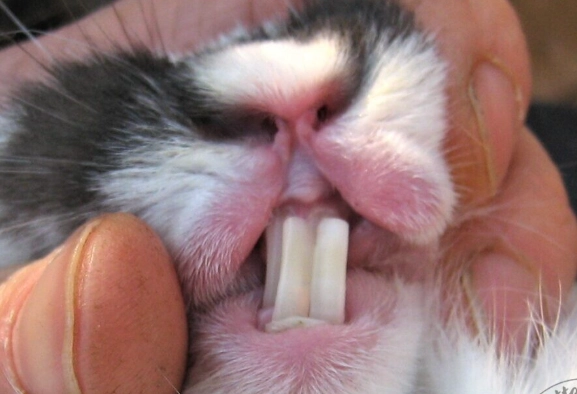
A rabbit-savvy vet, often listed as an "exotic" vet, knows that rabbits need different anesthesia protocols (isoflurane/sevoflurane gas is safest), that their antibiotic choices are limited (some, like penicillin derivatives, can cause fatal gut toxicity), and how to handle them without causing spinal injury.
Find this vet now, before you need one. Call and ask questions: "Do you see many rabbits?" "What is your protocol for GI stasis?" "Do you have the equipment to examine back teeth?" Organizations like the Rabbit Welfare Association & Fund (RWAF) or House Rabbit Society often have vet lists.
Build a relationship. Take your bunny for a well-check. It's worth every penny for peace of mind.
Beyond the Cage: A Practical Prevention Plan
Prevention isn't magic; it's a system. Here’s a simple, actionable plan.
Environment is Medicine: A stressed rabbit gets sick. Provide hiding places (boxes, tunnels). Avoid loud noises and stressful handling. Pair them with a neutered friend—rabbits are social. The RSPCA highlights companionship as a core welfare need.
Weekly Health Check: Make it a routine. Weigh them on a kitchen scale—weight loss is an early indicator. Feel their body for any lumps. Check their bottom is clean (to prevent flystrike). Look at their front paws for stains. Monitor their food and water intake.
It sounds like a lot, but it becomes second nature. You're not just looking for illness; you're learning the beautiful, detailed map of your rabbit's normal, healthy self.
Comment