Let's be honest. When most people think of a rabbit diet, they picture Bugs Bunny munching on a carrot. That image has done more harm than good. I've been keeping rabbits for over a decade, and the single biggest mistake I see new owners make is getting the food wrong. It's not your fault; pet store aisles are filled with colorful muesli mixes and yogurt drops that are the rabbit equivalent of junk food.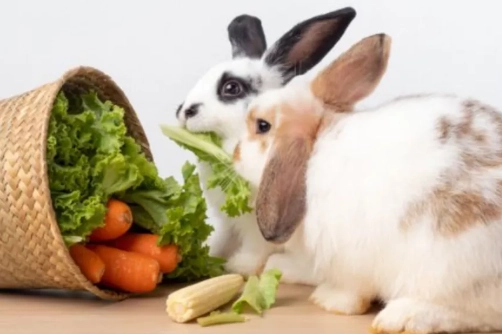
A proper rabbit diet is the absolute cornerstone of their health. Get it right, and you'll have a lively, curious companion for a decade or more. Get it wrong, and you're looking at expensive vet bills for dental disease, digestive stasis, or obesity. This isn't about being a perfect pet parent; it's about understanding a simple, biological fact: rabbits are designed to eat fiber, and lots of it.
What's Inside This Guide
The Non-Negotiable Foundation: Hay, Hay, and More Hay
Imagine if you could only eat one food for most of your life to stay healthy. For rabbits, that food is hay. It should make up 80-90% of everything they eat. Not pellets, not veggies. Hay.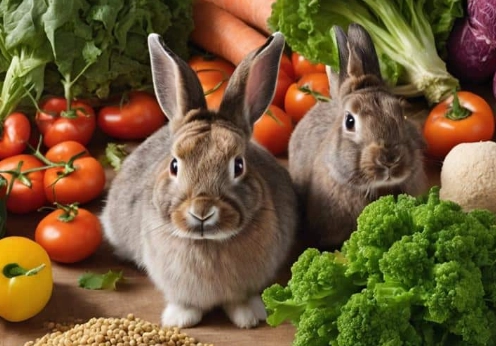
Why is it so critical? First, their teeth never stop growing. The constant grinding action of chewing long-strand hay wears them down perfectly. Second, their digestive system is a fermentation powerhouse. The high fiber in hay keeps everything moving through their gut, preventing deadly blockages and stasis. It's the difference between a smoothly running engine and one that's gummed up.
Not all hay is created equal. Here’s what you need to know:
- Timothy Hay: The gold standard for adult rabbits. Good fiber, moderate protein and calcium.
- Orchard Grass / Meadow Hay: A great alternative if your bunny is picky about timothy. Softer texture, similar nutritional profile.
- Alfalfa Hay: This is for babies (kits) and young juveniles only. It's rich in protein and calcium, which growing bunnies need, but it's too rich for adults and can lead to obesity and bladder sludge.
Hay should be fresh, green, and smell sweet, not dusty or musty. Store it in a cool, dry place. I buy in bulk from a local farm—it's cheaper and often higher quality than the compressed bags at the store.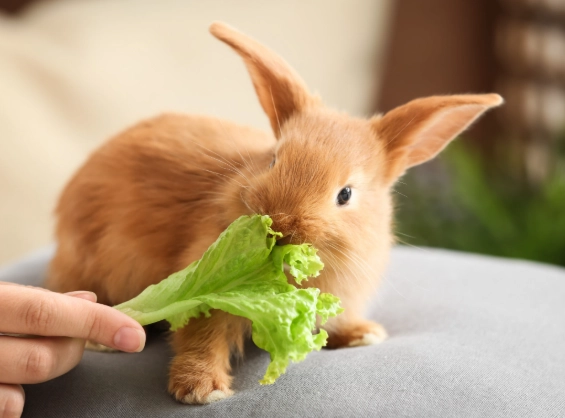
How to Build the Perfect Daily Rabbit Diet
Let's translate the theory into a practical, daily feeding plan. Think of it as a pyramid.
What Should My Rabbit Eat Daily?
For a healthy, average-sized adult rabbit (approx. 5-6 lbs), here’s the breakdown:
| Food Type | Amount & Frequency | Key Purpose & Notes |
|---|---|---|
| Unlimited Grass Hay | Always available, refreshed daily | Digestive health, dental wear, mental stimulation. |
| Fresh Leafy Greens | 1-2 packed cups daily | Provides vitamins, minerals, and hydration. Rotate 3+ types. |
| High-Quality Pellets | 1/8 to 1/4 cup daily | Nutritional insurance. Must be plain, high-fiber (>18%), no colorful bits. |
| Treats (Fruits, Carrots) | 1-2 tablespoons, 2-3 times a week | For bonding & training. High in sugar, so use sparingly. |
| Fresh Water | Unlimited, changed daily | Critical for all bodily functions. Use a heavy bowl, not just a bottle. |
Picking the Right Vegetables
This is where people get overwhelmed. Don't be. Start simple. The House Rabbit Society, a fantastic authority on rabbit care, recommends a variety of dark leafy greens. Here’s my go-to list, categorized by how often to feed:
- Daily Staples (Rotate at least 3): Romaine lettuce, green/red leaf lettuce, cilantro, bok choy, carrot tops, endive.
- 2-3 Times a Week: Parsley, dill, kale, Swiss chard, mint, basil. (These can be higher in calcium or oxalates, so variety is key).
- Occasional/Sparingly: Spinach, mustard greens.
Wash everything thoroughly. Introduce new greens one at a time, in small amounts, to watch for soft stools.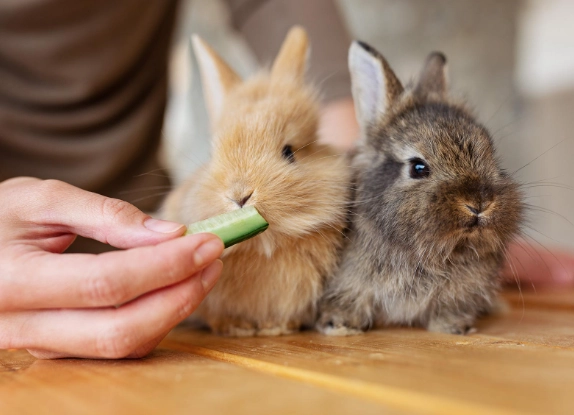
How Much Should I Feed My Rabbit?
Portion control matters, especially for pellets and treats. A common mistake is using a giant scoop for pellets. That tiny 1/4 cup is enough. For veggies, a "packed cup" means gently pressing the greens into a measuring cup. An easy visual for a 5lb bunny? The veggie portion should be about the size of their head.
Adjust for size. A giant Flemish will need more; a tiny Netherland Dwarf needs less. The best gauge is their weight and poop. They should have a consistent weight and produce a large amount of round, firm, hay-like droppings.
The 5 Most Common Rabbit Diet Mistakes (And How to Fix Them)
I've seen these over and over. Let's fix them.
1. The "Muesli Mix" Trap. Those colorful mixes with seeds, corn, and dried bits encourage selective feeding—your rabbit picks out the tasty, unhealthy parts and leaves the nutritious pellets. This leads to an imbalanced diet and malnutrition. Fix: Switch to a uniform, high-fiber pellet. Oxbow and Science Selective are reliable brands.
2. Treat Overload. Bananas, apples, carrots are treats, not staples. Sugar disrupts their delicate gut bacteria. I give my rabbits a blueberry or a thin apple slice as a high-value reward, maybe twice a week. Fix: Use hay-based treats or a sprig of fragrant herb (like basil) as a daily "treat."
3. Underestimating Water. A water bottle often doesn't let them drink enough, especially if it gets clogged. Dehydration is a fast track to GI stasis. Fix: Use a heavy ceramic bowl for water and fill it to the brim daily. You'll be amazed how much more they drink.
4. The "No Hay" Bunny. Sometimes a rabbit seems to ignore hay. This is usually because they're full of pellets. Fix: Gradually reduce pellet portions over two weeks while making hay more appealing—put it in boxes, tubes, or in a fresh pile right where they lounge.
5. Sudden Diet Changes. A rabbit's gut flora is specific. Introducing new food too quickly causes havoc. Fix: Any new food—a new brand of pellets, a new veggie—should be introduced over 7-10 days, mixing a little more of the new with a little less of the old.
Diet Tweaks for Young, Old, and Special Needs Bunnies
Not all bunnies fit the "average adult" mold.
Baby Bunnies (Under 7 months): Unlimited alfalfa hay and alfalfa-based pellets. They need the extra calories and calcium for growth. You can start introducing greens slowly around 3 months.
Senior Rabbits (6+ years): They may struggle to maintain weight. You can slightly increase their pellet portion or switch to a senior pellet formula. Ensure their hay is soft and easy to eat (orchard grass is great). Keep an eye on water intake and dental health.
Overweight Rabbits: This is almost always due to excess pellets and treats. Cut pellets down to a bare minimum (maybe a tablespoon) or eliminate them entirely under vet guidance. Increase hay variety to keep them interested. Weigh veggies carefully. More exercise is non-negotiable.
Rabbits with Dental Issues: If they can't eat hay well, you're in a tough spot. Consult your vet. They may need critical care formula syringe-fed, and you can try offering chopped or shredded hay to make it easier.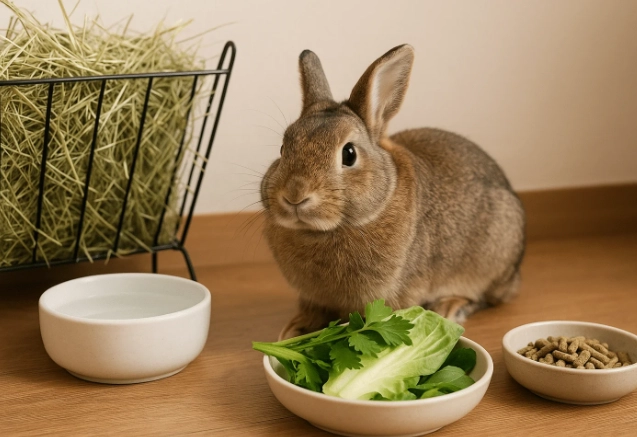
Your Rabbit Diet Questions, Answered
Getting your rabbit's diet right isn't about perfection. It's about shifting your mindset from seeing them as a pet that eats carrots to understanding them as a grazing herbivore with a unique digestive system. Start with the hay. Get the veggies right. Go easy on the pellets and treats.
The payoff is huge. A healthy gut means a happy, active, long-lived bunny. You'll spend less time worrying and more time enjoying their quirky personalities. And honestly, there's nothing more satisfying than seeing a big pile of perfect, round droppings in the litter box. It's the weirdest sign of success a pet owner can have, but for a rabbit guardian, it's pure gold.
Comment