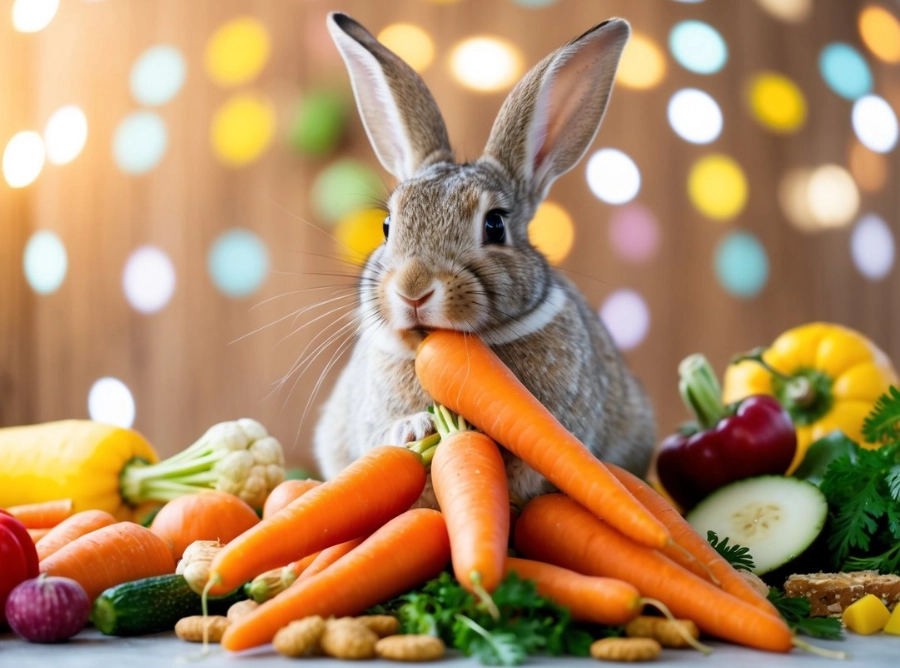
If you picture a rabbit, you probably see a fluffy creature happily gnawing on a bright orange carrot. Thanks to Bugs Bunny and decades of cartoons, that image is burned into our brains. Here’s the blunt truth right up front: yes, rabbits can eat carrots, but they absolutely should not eat them the way cartoons suggest. Feeding carrots like a daily staple is one of the most common—and potentially harmful—mistakes new rabbit owners make. I’ve cared for rabbits for over a decade, and I’ve seen the consequences of this myth firsthand. Let's peel back the layers on this iconic vegetable and talk about what a carrot really means for your bunny's health.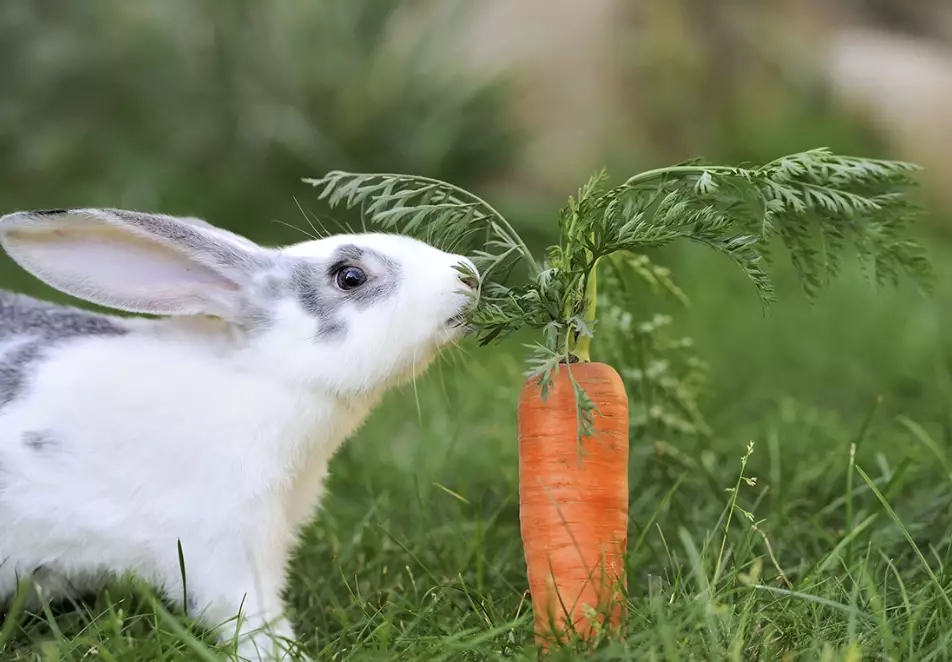
What's Inside? Your Quick Guide
Cartoons Got It Wrong: The Problem with the Iconic Image
Think about it. In cartoons, the rabbit is always munching on a whole, full-sized carrot. That’s like a human eating an entire family-sized bag of candy in one sitting and calling it a balanced meal. The comparison isn't as far-fetched as it sounds from a rabbit's dietary perspective.
My first rabbit, Luna, came to me from a family who fed her carrot pieces daily because they thought it was the "healthy" thing to do. She was overweight, her teeth had minor but noticeable issues, and she was picky about her hay. It took months of dietary adjustment to get her back on track. The core of the problem is misunderstanding what a carrot is in the wild rabbit diet.
Wild Rabbit Context: In nature, a rabbit might occasionally come across the root of a wild carrot plant (Queen Anne's Lace). But their primary diet is tough, fibrous grasses, leaves, bark, and herbs. The root is a rare, seasonal find, not a daily buffet item. Our domestic rabbits have the same digestive systems as their wild cousins.
Feeding carrots as a main food source ignores millions of years of evolutionary adaptation to a high-fiber, low-sugar diet. It sets your bunny up for a host of preventable problems.
Carrot Breakdown: Sugar, Starch, and a Little Fiber
To understand why carrots are a treat, not a staple, let's look at what's inside. A typical raw carrot is about 88% water. Of the remaining 12%, here’s the rough nutritional profile per 100g:
- Sugars: ~4.7g (That's more than a teaspoon of sugar!)
- Starch: ~1.4g
- Dietary Fiber: ~2.8g (The good stuff, but not enough)
- Vitamin A: Excellent source (from beta-carotene)
- Other: Small amounts of Vitamin K, potassium.
The high sugar and starch content is the red flag. A rabbit's cecum (a part of their digestive system) is a fermentation vat designed to break down fiber. When too much simple sugar floods this system, it can disrupt the delicate balance of bacteria. This leads to:
Potential Risks of Overfeeding Carrots:
Obesity & Weight Gain: Excess sugars turn into fat.
GI Stasis: The #1 killer of pet rabbits. An imbalanced gut slows down or stops moving.
Dental Problems: While chewing is good, the sugar promotes plaque. The real dental work comes from abrasive hay, not soft carrots.
Selective Eating: Why munch boring hay when sweet carrots are an option? This leads to a fiber deficiency.
So, does this mean Bugs Bunny was wrong? For a healthy rabbit diet, absolutely.
How Much Carrot is Safe? The 5% Rule Explained
Veterinarians and experts from organizations like the House Rabbit Society use a simple guideline: treats (which include carrots, fruit, and commercial treats) should make up no more than 5% of your rabbit's total daily food intake. The other 95%? That's unlimited hay (85%), fresh leafy greens (10%), and a small measured portion of pellets.
Let's make this practical. For an average 6-pound (2.7 kg) rabbit:
- Daily Diet: Unlimited Timothy hay, a cup of packed leafy greens, 1/4 cup of pellets.
- Carrot Allowance: 5% of that is tiny. We're talking about one or two thin slices (about the thickness of a coin) or a single one-inch cube.
- Frequency: Not daily! Once or twice a week is a safe frequency for this tiny portion.
I use a kitchen scale for perspective. That weekly carrot treat should weigh no more than 10-15 grams for an average-sized bunny. A whole baby carrot can weigh 15-20 grams—that's the entire week's treat allowance in one go.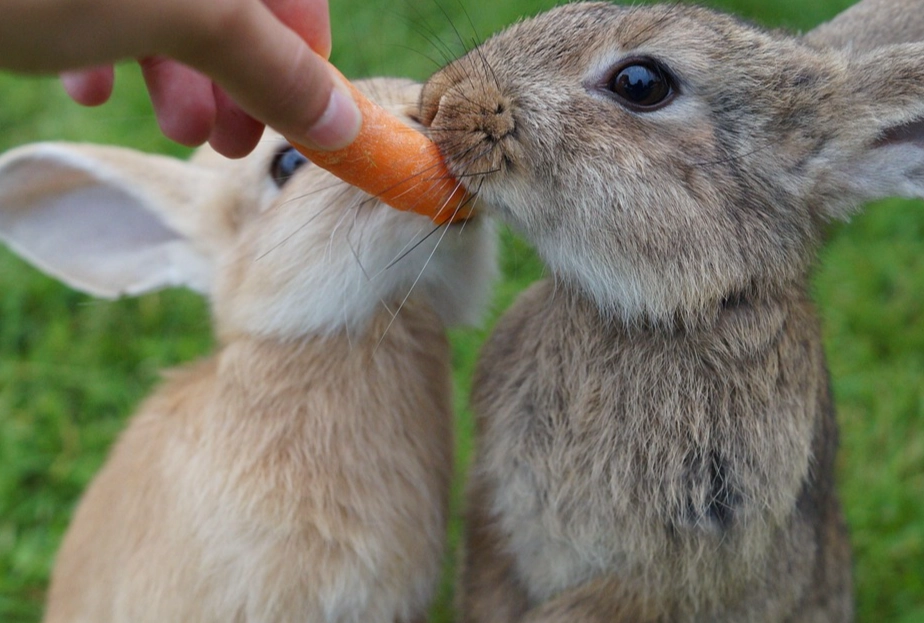
The 5% Rule in Practice
If you give a slice of carrot on Monday, skip other sugary treats (like banana or apple) for the rest of the week. Rotate your treats. This week a carrot sliver, next week a blueberry, the following week a small piece of bell pepper (which is lower in sugar and a better choice).
How to Prepare Carrots for Your Rabbit (The Right Way)
Preparation matters just as much as portion size. Here’s a step-by-step guide:
- Source: Choose organic if possible. Carrots are root vegetables and can absorb pesticides from the soil.
- Wash Thoroughly: Scrub the carrot under cold running water to remove dirt and potential residues. No soap.
- Peel (Recommended): I always peel carrots for my rabbits. The peel can hold more concentrated dirt and chemicals. It's an extra precaution.
- Cut: Slice into coin-shaped rounds or small batons. Remember the size—thin and small.
- Feed Raw: Never cook carrots for your rabbit. Cooking breaks down the cell walls, making the sugars even more readily available and reducing the fiber's effectiveness.
- What about carrot tops? Great news! Carrot tops (the leafy greens) are fantastic for rabbits. They are high in fiber, low in sugar, and can be fed as part of their daily leafy greens portion. Wash them well.
Beyond the Orange Stick: Better Vegetable Alternatives
If you want to give your rabbit variety and nutrition without the sugar spike, focus on leafy greens and other low-sugar veggies. These should form the core of their fresh food intake (about 1 cup per 2 lbs of body weight daily).
| Excellent Daily Greens (Rotate 2-3 types daily) | Good Occasional Veggies (2-3 times a week) | Treat Veggies (Like Carrots - 1-2x week) |
|---|---|---|
| Romaine Lettuce (not iceberg) | Bell Peppers (any color, seeds removed) | Carrot (tiny piece) |
| Green/Red Leaf Lettuce | Broccoli (florets in small amounts - can cause gas) | Parsnip |
| Spring Greens / Herb Mix | Celery (cut very small to avoid string hazard) | Sweet Potato (miniscule amount, cooked) |
| Cilantro / Coriander | Zucchini / Courgette | Corn (kernel or two, not cob) |
See the pattern? The bulk of the fresh food is leafy and green. The UK's RSPCA and other welfare organizations emphasize this leafy-green focus in their feeding guidelines. It mimics the natural diet far more closely than root vegetables ever could.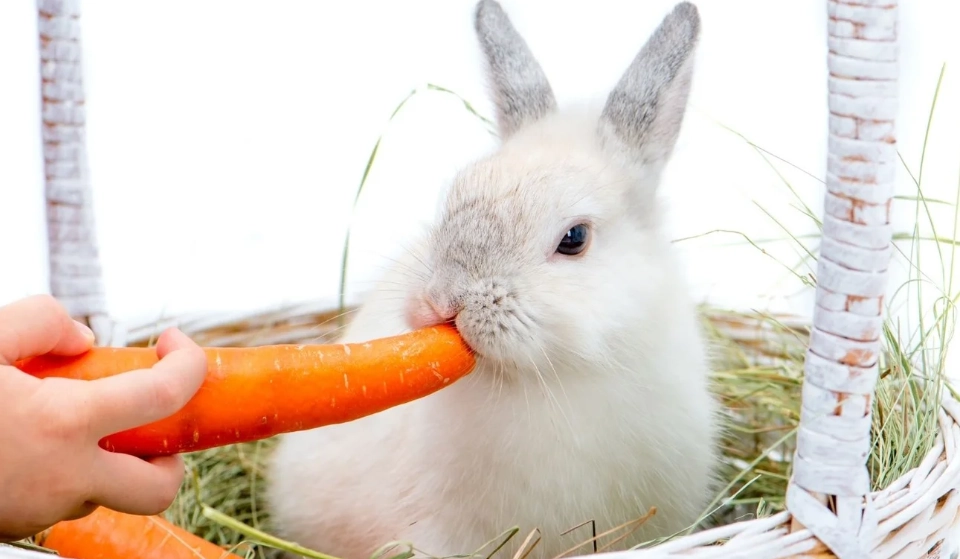
Your Carrot Questions, Answered
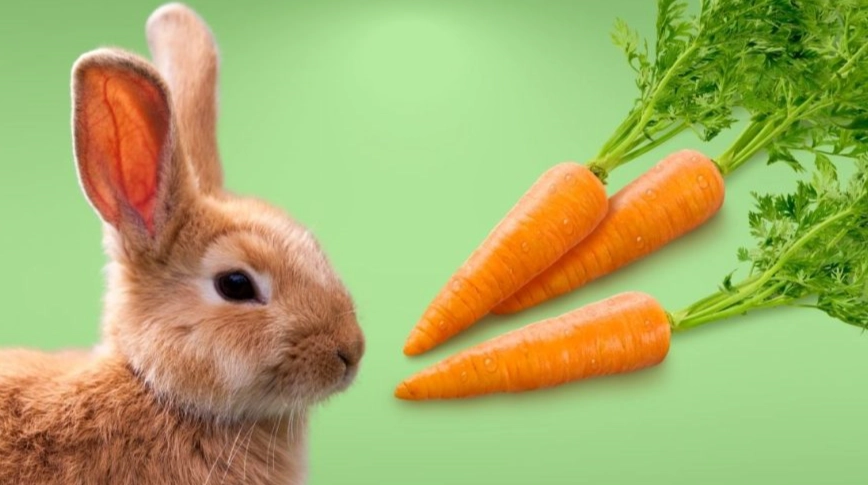
So, can rabbits eat carrots? The final answer is a qualified yes—but with strict limits. Ditch the cartoon logic. Embrace the reality of your rabbit's biology: a powerhouse designed for fiber, not sugar. A sliver of carrot as a rare, special treat is fine. But the real key to a happy, healthy, long-lived rabbit isn't in an orange root; it's in an endless pile of fragrant hay and a daily bowl of diverse, leafy greens. That's the diet that keeps their gut moving, their teeth worn down, and their energy levels stable. Your bunny might not have gotten the memo from Bugs Bunny, but their health will thank you for it.
Comment