You’re holding a bright red strawberry, and those big bunny eyes are locked onto it. The question pops into your head, simple and direct: can rabbits eat strawberries? The short answer is yes, but with rules so important that ignoring them can lead to a vet visit. I’ve kept rabbits for over a decade, and the treat debate is where most new owners, and even some experienced ones, slip up. It’s not just about a yes or no. It’s about understanding the why, the how much, and the what if. Let’s cut through the vague advice and talk specifics.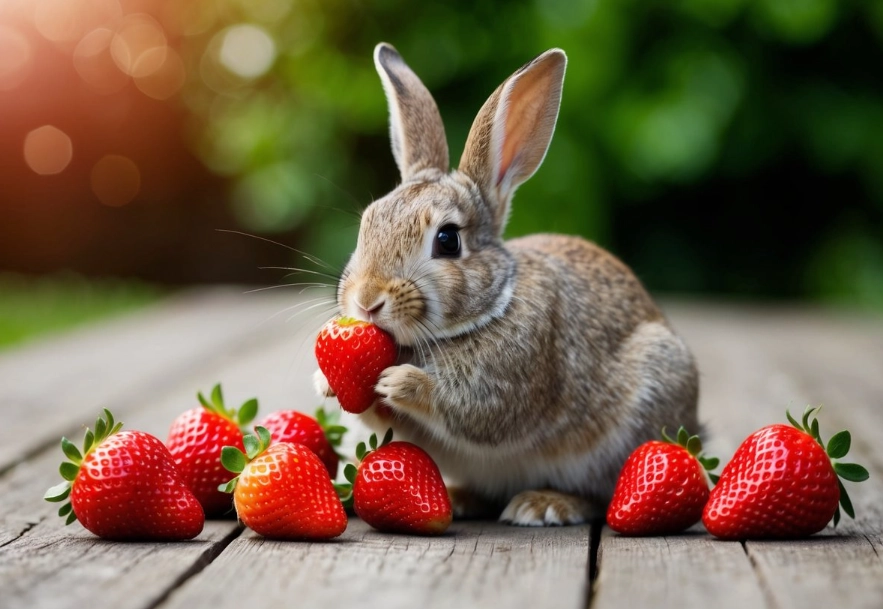
What's Inside This Guide?
The Good and The Bad: A Strawberry Nutrition Breakdown
Think of a strawberry not as food, but as a complex package. Your rabbit's digestive system, designed for breaking down tough grasses, views each component differently.
The Good Stuff (The Green Light):
- Vitamin C & Antioxidants: Rabbits make their own vitamin C, unlike humans, so they don't need it from fruit. But the antioxidants in strawberries, like ellagic acid, offer general cellular support. It's a nice bonus, not a necessity.
- Fiber: There's some fiber in there, which is good. But compare it to timothy hay—it's a drop in the ocean.
- Water Content: The high water content can be hydrating, especially on a warm day.
Now, here’s the part that demands your attention.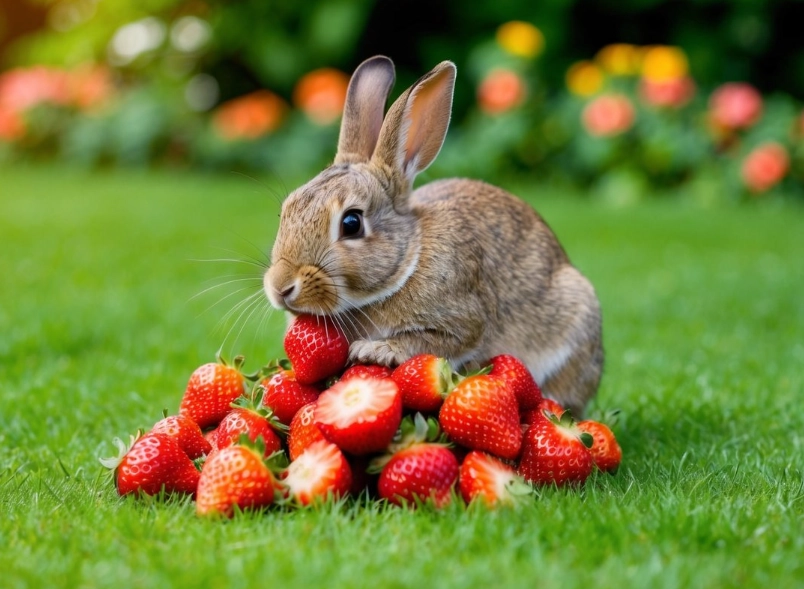
The Problem (The Red Flag):
Sugar. Natural sugar, but sugar all the same. A medium strawberry has about 1-1.5 grams of sugar. For a 6-pound rabbit, that’s a significant hit. A rabbit's cecum, the fermentation chamber in their gut, is populated by specific bacteria that thrive on fiber. Dump a load of sugar in there, and you feed the wrong bacteria. This can suppress the fiber-digesting ones, leading to an imbalance.
I learned this the hard way years ago with a Netherland Dwarf named Pip. A single large strawberry, given with good intentions, resulted in 48 hours of tiny, misshapen droppings and a very sorry-looking bunny. It was a lesson in proportion I never forgot.
How to Safely Introduce Strawberries to Your Rabbit
If you've decided to proceed, treat it like a scientific experiment. You're testing your individual rabbit's tolerance.
Step 1: Preparation is Non-Negotiable
Wash that strawberry like you're preparing surgery tools. Pesticides and chemicals on conventional berries are toxic to rabbits. I always opt for organic when it comes to treats. After washing, hull it completely—remove the green stem and leaves for this first test (though the leaves are actually fine, we'll keep variables simple). Cut a piece about the size of your pinky nail. That's your test dose.
Step 2: The Initial Offering and The Watch
Give that tiny piece in the morning. Why morning? So you have the entire day to observe. Don't hand-feed it; place it in their bowl alongside their normal greens. Watch them eat it. Then, the real work begins.
Your job for the next 12-24 hours is to be a poop inspector. Seriously.
Also monitor their hay consumption. A rabbit with a slightly upset stomach will often eat less hay. If everything is perfectly normal—behavior, energy, and poop—you've found a tolerable dose for your bun.
The Golden Rule: Portion Size by Weight
Forget "a small piece." Let's get specific. This table is the guideline I follow and recommend to anyone who asks. Treats like strawberries should never exceed 2% of your rabbit's daily food intake, and that's being generous.
| Rabbit Weight | Maximum Strawberry Portion (Per Treat) | Visual Example | Maximum Frequency |
|---|---|---|---|
| Small (under 3 lbs / 1.4 kg) e.g., Netherland Dwarf |
1-2 small thin slices (≈ 5 grams) |
1/4 of a small strawberry | Once a week |
| Medium (3-6 lbs / 1.4-2.7 kg) e.g., Holland Lop, Mini Rex |
2-3 slices or 1 small berry (≈ 10 grams) |
1/2 of a medium strawberry | 1-2 times per week |
| Large (6-10 lbs / 2.7-4.5 kg) e.g., French Lop, small Flemish |
1 medium strawberry (≈ 15 grams) |
1 whole medium strawberry | 1-2 times per week |
| Giant (over 10 lbs / 4.5 kg) e.g., Flemish Giant, Continental |
1-1.5 medium strawberries (≈ 20 grams) |
1 to 1.5 whole berries | 1-2 times per week |
See that frequency column? That's the secret most people miss. It's not just about the amount once, it's about the cumulative sugar load over time. Giving a tiny piece every day is worse than giving the correct weekly amount all at once. You're constantly teasing their system with sugar.
The 3 Most Common Strawberry Feeding Mistakes
After talking to countless owners at rabbit shelters, these are the patterns that cause trouble.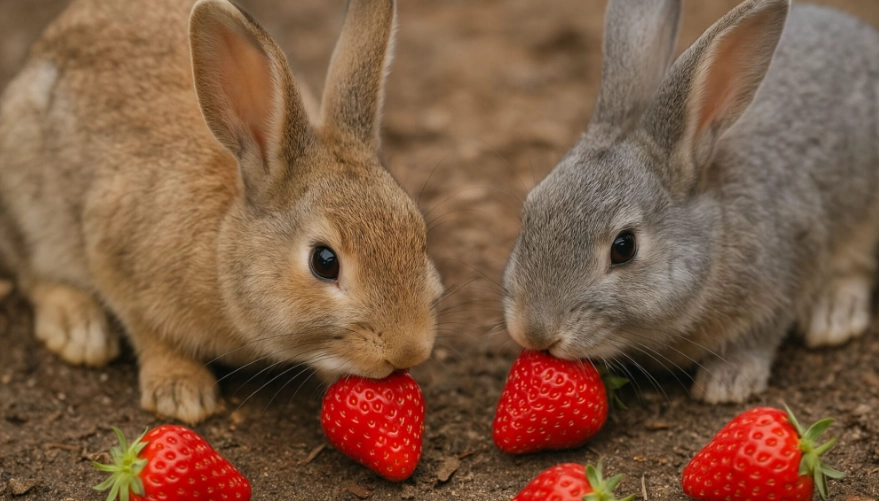
Mistake #1: The "Just a Taste" Daily Habit. This is the big one. "Oh, I just give him a lick every day when I'm eating mine." This conditions their gut to expect sugar and can chronically imbalance the cecum. It's the slow path to picky eating and digestive sensitivity.
Mistake #2: Feeding Strawberries to Baby Rabbits. A rabbit's digestive system isn't fully mature until about 6-7 months old. Introducing high-sugar fruits before this can set them up for a lifetime of digestive issues. Stick to alfalfa hay, pellets, and gradually introduced greens until they are adults. No exceptions.
Mistake #3: Ignoring the Leaves. Here's a non-consensus tip: the strawberry leaves (calyx) are often a better treat than the fruit. They are fibrous, lower in sugar, and many rabbits love them. If you wash an organic strawberry, you can offer a leaf with a tiny bit of fruit attached as a compromise. The green is the main event, the red is a flavoring.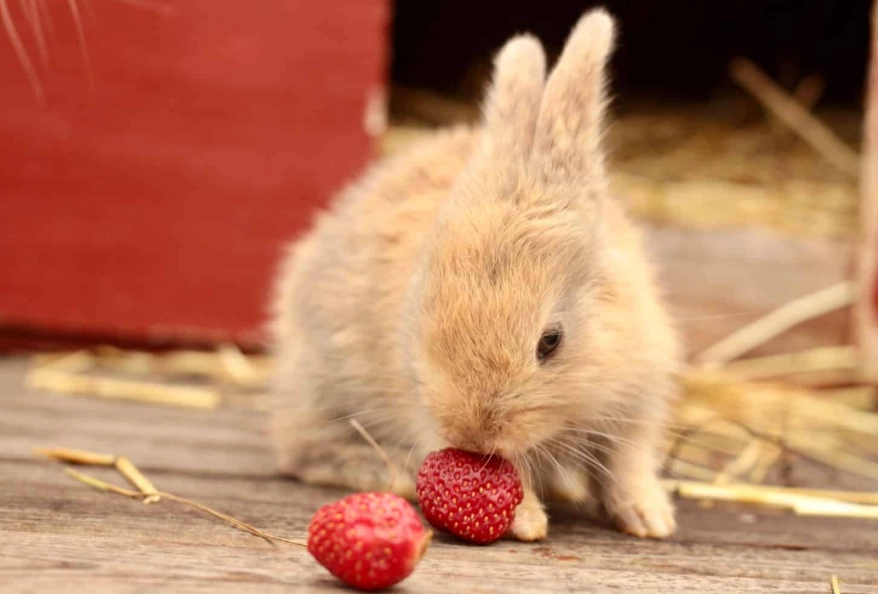
Your Questions, Answered
How often can I give my rabbit strawberries as a treat?
Are strawberry leaves and stems safe for rabbits to eat?
My rabbit ate a whole strawberry. Is that an emergency?
What are the first signs my rabbit shouldn't have strawberries?
So, can rabbits eat strawberries? They can. But the responsibility lies with you to be strict about the dosage, vigilant about the frequency, and obsessive about the aftercare. That happy twitch of the nose when they get a rare, red treat can be a joyful moment. Make it safe by making it rare. Your rabbit's health is built on the mountain of hay they eat daily, not the occasional sweet peak of a strawberry.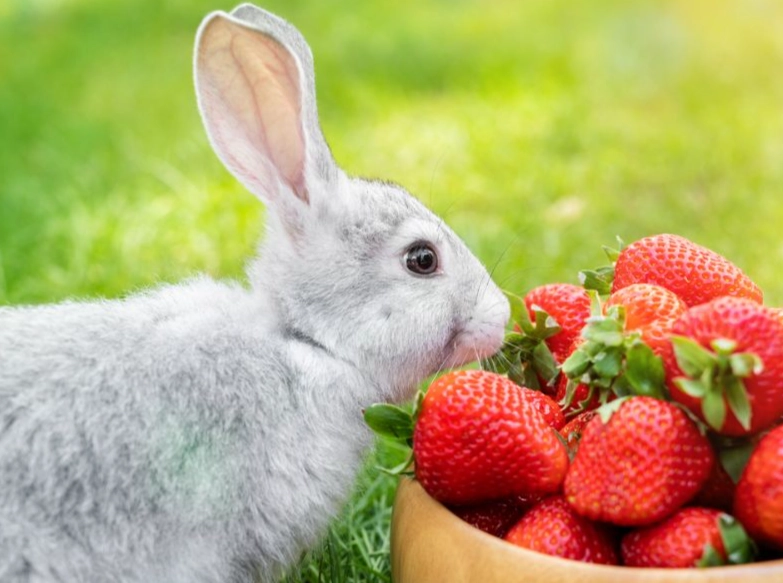
When in doubt, there are fantastic low-sugar treat alternatives. A sprig of fresh cilantro, a dandelion leaf (from a pesticide-free area), or a small piece of bell pepper are often met with equal excitement and come with far less risk. The House Rabbit Society is an excellent resource for diving deeper into evidence-based rabbit nutrition.
Comment