You're holding a cool, crisp cucumber slice, and a pair of twitching noses is pointed right at you. The question pops into your head: can rabbits eat cucumbers? The short, simple answer is yes, rabbits can eat cucumber. It's not toxic. But if you stop there, you're missing the whole story—a story that can mean the difference between a happy, healthy bunny and one with a messy, upset stomach. I've kept rabbits for over a decade and consulted with exotics vets, and I can tell you, the devil is in the details.
Most articles just say "yes" and move on. We're going deeper. We'll talk about why you might want to feed it, why you might want to skip it, how to do it safely, and what to do when things go wrong (because sometimes they do).
Quick Navigation
The Simple Truth About Cucumbers & Rabbit Digestion
Let's break down what a cucumber actually is. It's about 95% water. The rest is a bit of fiber, trace vitamins like K and C, and minerals like potassium. For a rabbit, whose digestive system is a finely tuned hay-processing machine, cucumber is basically a crunchy water snack.
I remember giving my first rabbit, Mochi, a large slice with the seeds. He loved it. Six hours later, I had a cage full of mushy, sticky cecotropes (the special night droppings rabbits re-eat). It was a mess, and it took two days of nothing but timothy hay to get his gut back on track. Lesson learned the hard way.
How to Feed Cucumber Safely: A Step-by-Step Guide
If you decide to offer cucumber, doing it right is everything. Here's my vet-recommended protocol.
1. Selection and Preparation
Go for fresh, firm cucumbers. Organic is ideal to minimize pesticide risk on the skin. Wash it thoroughly under running water. This is non-negotiable.
Next, peel it. I know some sources say the peel is okay, but the peel can be tough to digest and holds any residues. Peeling removes a variable. Then, cut it lengthwise and scrape out the seeds with a small spoon. The seeds are the most common culprit for digestive upset. What you're left with is the pale, seedless flesh.
2. Portion Size: Less is More
This isn't a main course. Cucumber is a treat or a supplement. A good rule of thumb is no more than 1 tablespoon of prepared cucumber per 2 lbs of your rabbit's body weight, 2-3 times per week.
For a standard 5 lb rabbit, that's about 2.5 tablespoons, a few times a week—not daily. Always introduce it in a tiny amount first to see how your individual rabbit reacts.
3. The Right Context
Never replace their primary greens (like romaine, cilantro, or kale) with cucumber. Serve the small piece alongside their regular salad. And it goes without saying, but their unlimited supply of grass hay (timothy, orchard, meadow) must always be available. Hay is what keeps their teeth worn down and their gut moving, not cucumber.
3 Common Mistakes Rabbit Owners Make
I see these all the time in online forums and even from well-meaning pet store employees.
Mistake #1: Feeding the Seeds. This is the big one. Cucumber seeds are mild laxatives. For a sensitive rabbit gut, they can trigger diarrhea. Always de-seed.
Mistake #2: Treating it as a Daily Staple. Because it's "safe," people think it's a good daily green. It's not. Its nutritional profile is too weak. Daily feeding increases the risk of chronic, low-grade digestive issues.
Mistake #3: Not Monitoring Afterwards. You must check their droppings. For the next 12-24 hours, look for normal, round, firm fecal pellets. If they become small, misshapen, soft, or strung together with fur, the cucumber (or the amount) didn't agree with them. Stop feeding it.
Vegetables That Are Better Than Cucumber
If your goal is hydration, there are better ways. Offer fresh, wet leafy greens right after washing. A bowl of cool water with a slice of apple (remove seeds!) for flavor can encourage drinking.
But for nutrition, you should build your rabbit's veggie intake around these superior options. Think dark, leafy, and varied.
| Vegetable | Key Benefit | Feeding Frequency | Note |
|---|---|---|---|
| Romaine Lettuce | High in water, good fiber, vitamin A | Daily | A core staple. Avoid iceberg (no nutritional value). |
| Cilantro / Coriander | Antioxidants, enjoyed by most bunnies | Daily | Great for adding variety and flavor. |
| Bell Peppers (any color) | Extremely high in Vitamin C | 3-4 times/week | Remove all seeds and stem. |
| Spring Greens / Herb Mix | Mix of nutrients, encourages foraging | Daily | Check for spinach/kale, feed those in moderation. |
| Fennel | Good for digestion, crunchy texture | 2-3 times/week | The bulb and fronds are both safe. |
The House Rabbit Society, a fantastic authority on rabbit care, provides extensive safe food lists that I constantly refer to. Their guidance is based on decades of collective experience.
Cucumber doesn't even make the "best" list. It's in the "feed in moderation" category for a reason. Use it as a occasional tool, not a foundation.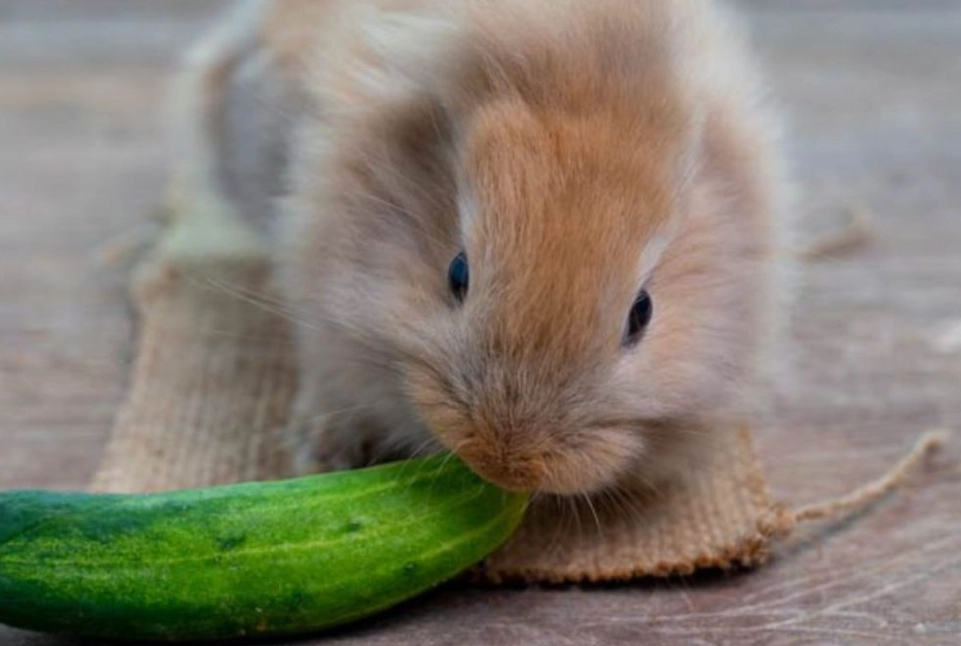
Your Cucumber Questions, Answered
My rabbit got diarrhea after eating cucumber, what should I do?
Stop feeding cucumber immediately. Provide unlimited hay and fresh water to help their digestive system recover. Diarrhea in rabbits can be serious. If it persists for more than 12-24 hours, or if your rabbit becomes lethargic or stops eating, contact your veterinarian promptly. The issue is often the seeds or an overly large portion. Once recovered, you can try reintroducing a tiny, seedless piece, but many rabbits do better without it.
Can I feed cucumber peel to my rabbit?
It's a point of debate. The peel contains more fiber and nutrients, but it also concentrates any pesticides or waxes. If you can source organic cucumbers and scrub them thoroughly, the peel can be offered. For conventionally grown cucumbers, peeling is the safer, more conservative choice to avoid chemical exposure. I always peel them for my own rabbits to eliminate that variable.
Are there better vegetables than cucumber for rabbits?
Absolutely. Cucumber is mostly water and low in essential nutrients. For daily greens, prioritize nutrient-dense options like romaine lettuce, kale (in moderation), cilantro, parsley, and dandelion greens. Think of cucumber as a hydrating treat or a "filler" veggie, not a nutritional cornerstone. A diet built around cucumber would be deficient. Rotate through darker leafy greens for a balanced vitamin and mineral intake.
How do I introduce cucumber to a rabbit's diet for the first time?
Start with a piece the size of your thumbnail. Offer it alone, not mixed with other new foods. Monitor their droppings closely for the next 24 hours. You're looking for consistency—soft, mushy, or misshapen poops mean their gut isn't happy. If all is well, you can gradually increase to the recommended serving size over a week. This slow introduction helps you pinpoint cucumber as the culprit if any digestive upset occurs.
 So, can rabbits eat cucumbers? They can. But the more important question is: should you feed cucumber regularly, and is it the best choice? For most rabbits, it's a harmless, occasional treat if prepared correctly. For some with sensitive systems, it's more trouble than it's worth.
Focus on the hay. Build a diverse salad of dark leafy greens. Use cucumber sparingly as a summer refresher or a way to administer medication. Observe your rabbit—their droppings tell the real story of what works for their unique gut. That's the insight you won't get from a simple "yes" or "no."
Comment