Quick Guide
- Understanding the Rabbit in Your Garden
- Physical Barriers: The Gold Standard for Rabbit Proofing
- Deterrents and Repellents: Making Your Garden Unappealing
- Planting Strategies: Gardening with Rabbits in Mind
- Other Tricks and Long-Term Strategies
- Common Questions About Keeping Rabbits Out
- Putting It All Together: A Sample Plan
Let's be honest. There's nothing quite like the feeling of walking out to your garden in the morning, coffee in hand, only to find your lettuce looks like it's been through a paper shredder and your bean sprouts have vanished. Again. You see a fluffy tail disappearing into the bushes, and you know exactly who the culprit is. I've been there. I've stood in my slippers, staring at the damage, wondering if it's even worth it. The dream of homegrown veggies clashes hard with the reality of wildlife.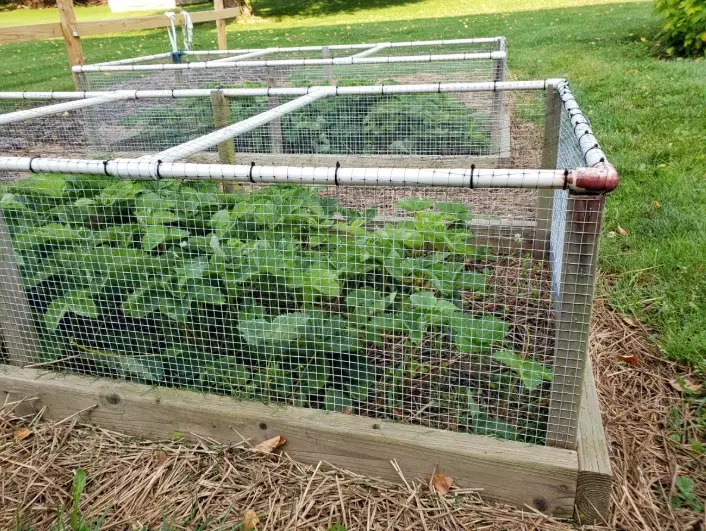
But here's the good news: learning how to keep rabbits out of garden spaces is absolutely possible. It's not about declaring war on the local bunny population—most of us don't want to harm them. It's about smart, persistent, and layered defense. This isn't a one-and-done solution. Rabbits are motivated, persistent, and surprisingly clever. What works for your neighbor might fail for you, depending on the pressure (how hungry they are) and the local rabbit culture, if you will.
This guide pulls together what actually works, based on my own trial and error (plenty of error), conversations with veteran gardeners, and solid advice from agricultural extensions. We'll move from understanding your opponent to building a fortress, and then explore all the other tricks in the book.
Understanding the Rabbit in Your Garden
You can't effectively deter what you don't understand. Rabbits aren't just random nibblers; they're creatures of habit with specific drives. Knowing this changes the game from random spraying and fencing to strategic defense.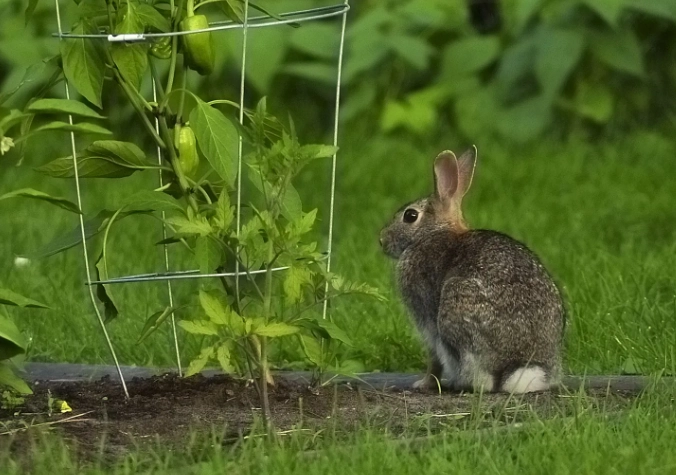
First, rabbits are all about safety. Their primary mode of operation is to stay close to cover. That brush pile, the overgrown edge of your yard, the space under your deck—these are their highways and safe houses. They rarely venture more than a few hundred feet from cover. So, look at your garden's location. Is it an island in the middle of a wide-open lawn? That's actually a decent start. Is it tucked right against a hedge or a woodpile? You've just identified Ground Zero.
Their diet is another key. They love tender, young, succulent growth. Seedlings are like candy. Beans, peas, lettuce, spinach, broccoli, and carrots (especially the tops) are top menu items. They also go for certain flowers like pansies, petunias, and sunflowers. Interestingly, they often avoid plants with strong smells, fuzzy leaves, or milky sap. We'll use that later.
Reproduction is the engine. A single doe can have several litters a year. This means pressure on your garden isn't static; it can increase dramatically as the season goes on. Your early spring defenses might be adequate for two rabbits but woefully insufficient for eight by midsummer.
Physical Barriers: The Gold Standard for Rabbit Proofing
If you want guaranteed results, physical barriers are the answer. When done right, this is the most effective method for how to keep rabbits out of garden beds permanently. It's an upfront investment of time and money, but it pays off in peace of mind.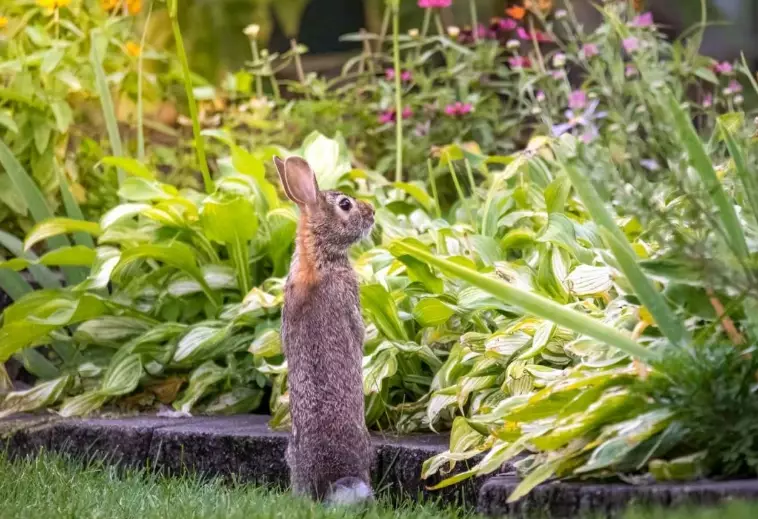
Fencing: The Ultimate Defense
A proper fence is your best bet. But not just any fence. Chicken wire is your friend here, not decorative welded wire with large holes.
- Height: Rabbits can jump, but not as high as you might think. A fence needs to be at least 2 feet tall. Some determined jackrabbits might clear higher, but for most cottontails, 2 feet is sufficient.
- Mesh Size: This is critical. Baby rabbits (kits) can squeeze through incredibly small spaces. Use wire mesh with holes no larger than 1 inch or 2.5 cm. One-inch chicken wire is perfect.
- The Bottom Edge: This is where most fences fail. Rabbits are champion diggers. You must secure the bottom of the fence to the ground, or better yet, bury it. Bend the bottom 6 inches of the fencing outward away from the garden and bury it a few inches deep. This creates an "apron" that they hit when digging. Alternatively, pin it down securely with sturdy U-shaped landscape staples every few feet. I learned this the hard way—I had a beautiful 2-foot fence that rabbits merrily dug under in one night.
For individual plants or small rows, you can make simple cages or cloches out of wire mesh. It's less aesthetic but highly effective for prized plants like young pepper or cabbage plants.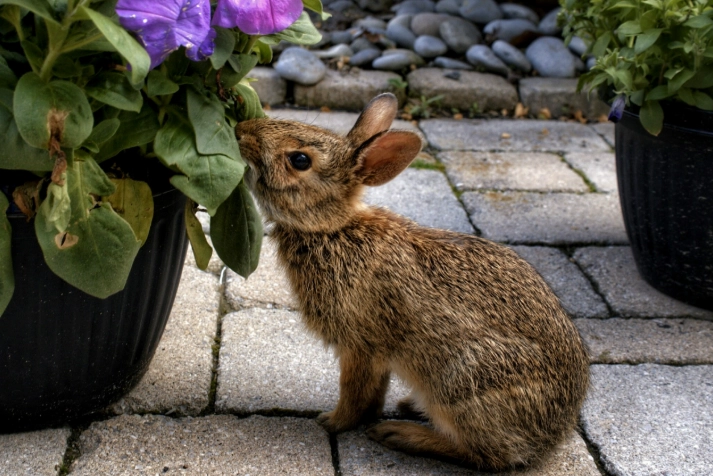
Raised Beds and Other Structures
Raised beds can act as a deterrent, especially if they're high enough. A bed that's 2-3 feet off the ground is often enough to discourage rabbits, as they prefer easy, ground-level access. However, if they're hungry enough and can use a nearby object like a rock or log as a step, they might try. Combining raised beds with a low fence around the entire bed complex is a killer combo.
Cold frames and hoop houses, when covered with mesh or clear plastic, are naturally rabbit-proof. They protect from weather and pests simultaneously.
Will fail unless bottom is secured. Rabbits dig or push under.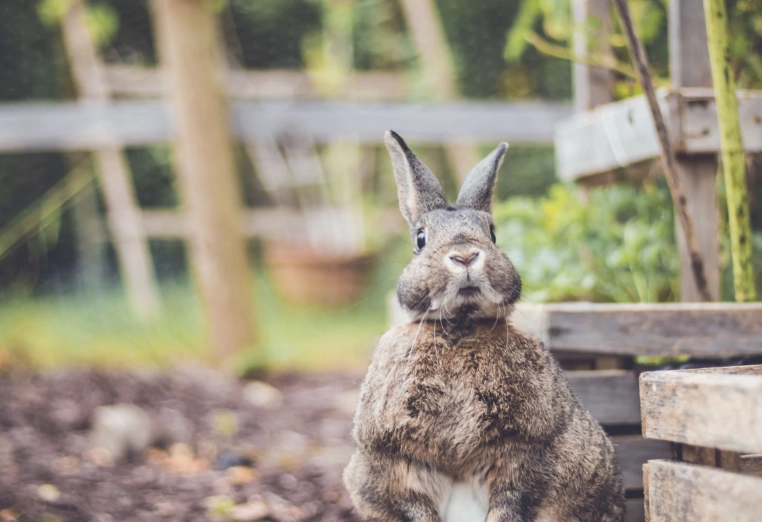
| Barrier Method | Effectiveness | Cost | Effort to Install | Notes |
|---|---|---|---|---|
| Full Garden Fence (1" mesh, 2ft high, buried apron) | Excellent | Medium-High | High | Most reliable long-term solution. Can be visually integrated. |
| Individual Plant Cages (Wire mesh) | Excellent | Low | Medium | Great for protecting specific, high-value plants like seedlings. |
| Raised Beds (2.5+ ft high) | Good to Very Good | High | High | May need supplemental defense if rabbits can find a "step." |
| Low Fence (Just staked, not buried) | Poor to Fair | Low | Low |
Deterrents and Repellents: Making Your Garden Unappealing
When a full fence isn't practical or you need extra protection, deterrents can help. The key is understanding that these are often temporary and need rotation and reinforcement. Think of them as part of a layered strategy, not a standalone fix for keeping rabbits out of garden areas.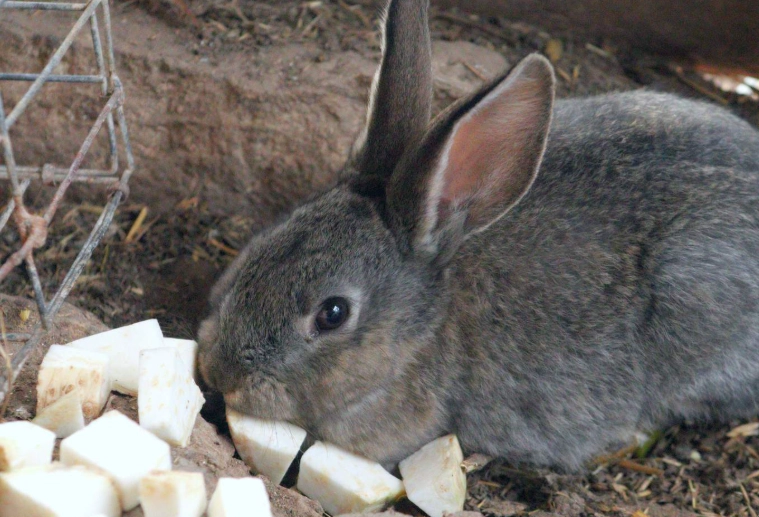
Smell and Taste Repellents
These products aim to make plants smell or taste bad to rabbits. They fall into two main categories:
- Contact Repellents: You spray these directly on the plants. They often use ingredients like putrescent egg solids, capsaicin (hot pepper), or garlic. They need to be reapplied frequently, especially after rain or watering. I've had mixed results. They can work well on ornamental shrubs but are less ideal for vegetables you plan to eat soon (always check the label!).
- Area Repellents: These are placed around the garden perimeter and rely on smell to create a barrier. Common ingredients are blood meal, predator urine (like coyote or fox), or strong-smelling soaps. The effectiveness varies wildly. Blood meal also acts as a fertilizer, which is a bonus. Hanging strong-smelling soap bars (like Irish Spring) in mesh bags is an old gardener's trick. Some swear by it; in my garden, the rabbits seemed to ignore it after a week.
Sound and Sight Deterrents
Rabbits are skittish. Anything that creates unexpected movement or noise can spook them.
- Motion-Activated Sprinklers: These are fantastic. They detect movement and blast a jet of water. They work on rabbits, cats, deer, and more. The downside is cost and that they might soak you or your neighbors if you forget they're on!
- Reflective Objects: Old CDs, aluminum pie plates, or reflective tape fluttering in the wind can create confusing flashes of light. They work best when moved around every few days so rabbits don't get used to them.
- Scarecrows & Decoys: A static scarecrow does nothing after a day. However, a realistic-looking owl or hawk decoy can help, especially if you move it daily. Some people even use a cutout of a black dog silhouette.
The common thread with all these deterrents is novelty. Rabbits are neophobic (wary of new things) but will quickly habituate if the "threat" is consistently harmless. You have to change it up.
Planting Strategies: Gardening with Rabbits in Mind
Sometimes the best way to keep rabbits out of the garden is to plant things they don't like. This isn't foolproof—a starving rabbit will eat almost anything—but it can significantly reduce damage.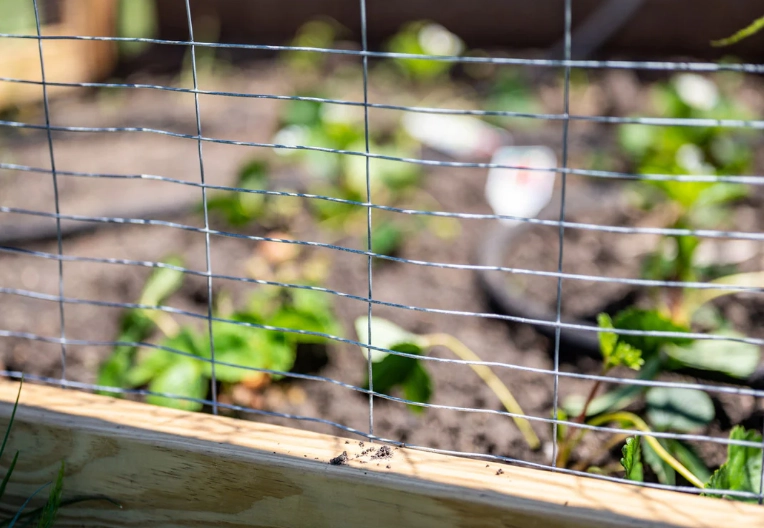
The concept is companion planting or creating an unappealing border. You surround your tasty vegetables with a "moat" of plants rabbits tend to avoid.
Rabbit-Resistant Plants to Use as a Barrier
These plants have characteristics rabbits dislike: strong scents, fuzzy or prickly leaves, tough textures, or toxic sap.
Rabbits do not enjoy being stabbed or tickled by grass blades.
| Plant Type | Examples | Why Rabbits Often Avoid Them |
|---|---|---|
| Strong-Scented Herbs | Lavender, Sage, Rosemary, Mint, Oregano, Thyme, Dill | Powerful aromatic oils are overwhelming. |
| Plants with Fuzzy Leaves | Lamb's Ear, Russian Sage, Some Salvias | The texture is unpleasant on their tongues. |
| Plants with Milky Sap | Milkweed, Euphorbias (like Crown of Thorns) | The sap is irritating or toxic. |
| Prickly or Tough Plants | Barberry, Roses (for the thorns), Ornamental Grasses | |
| Alliums | Onions, Garlic, Chives, Ornamental Alliums | The strong onion/garlic smell is a major turn-off. |
Planting a border of onions or garlic around your lettuce patch is a classic and effective strategy. Interplanting herbs among your vegetables can also create a confusing scent barrier.
What Rabbits Love (The "Buffet" Plants)
Know your enemy's favorites so you can give them extra protection: Lettuce, Beans, Peas, Broccoli, Kale, Spinach, Carrots (tops), Petunias, Pansies, Sunflowers, and Impatiens. If you plant these, assume they are a primary target.
Other Tricks and Long-Term Strategies
Beyond fencing, repellents, and planting, there are other habits and tactics that can help in your quest to rabbit-proof your garden.
Garden Hygiene
Keep your garden tidy. Tall grass, weedy borders, and brush piles offer perfect hiding spots and nesting areas for rabbits. Mowing and clearing the area around your garden removes their security cover, making them less likely to venture into the open space where your veggies are.
Pets
A dog that spends time in the yard is one of the best deterrents. The scent and presence of a predator can keep rabbits far away. Even the scent of dog hair (collected from brushing) scattered around the garden perimeter can help. Cats can be a deterrent too, though they pose risks to birds and other wildlife.
Habitat Modification
Look at your yard from a rabbit's perspective. Are there gaps under your shed or deck where they live? Sealing these off with sturdy wire mesh can encourage them to set up home elsewhere, farther from your garden. The USDA Animal and Plant Health Inspection Service (APHIS) provides detailed, humane guidance on excluding wildlife from structures.
Acceptance and Overplanting
This is a more philosophical approach. Plant a little extra, knowing you'll share. Some gardeners even plant a small "sacrificial" patch of clover or lettuce away from the main garden to distract them. It doesn't always work, but it can take the pressure off your prized plants.
Common Questions About Keeping Rabbits Out
Putting It All Together: A Sample Plan
So, what does this look like in practice? Let's say you have a new vegetable plot and last year's beans were a total loss.
- Start with the strongest barrier you can manage. For a small plot, build a 2-foot high fence with 1-inch chicken wire. Bury the bottom outward 6 inches or pin it down securely with heavy staples. This is your foundation.
- Use companion planting. Plant a border of onions or garlic around the inside of the fence. Interplant some rosemary or sage among your beans.
- Employ a temporary deterrent for seedlings. When you first plant your precious bean seeds or set out transplants, use individual wire cages or spray a plant-safe repellent (like one based on capsaicin) to give them a fighting chance to establish.
- Maintain the perimeter. Keep grass and weeds short around the outside of the fence so rabbits feel exposed.
- Be observant and adapt. Check for signs of digging under the fence. Notice if they're reaching through the mesh to nibble (if so, you may need a taller fence or a secondary outward-facing apron).
The goal isn't to find one magic bullet. It's to layer multiple, consistent strategies that make your garden more trouble than it's worth for a rabbit. Physical exclusion is king, but the other methods are valuable knights and bishops supporting your defense.
It takes effort. Some years you'll win, some years the rabbits will get a meal. But with persistence and smart tactics, you can absolutely tilt the scales in favor of your harvest. Now, go check the bottom of that fence.
Comment