Quick Navigation
Let's be honest. The idea of a pet rabbit is adorable. Fluffy, quiet, hopping around... it seems like the perfect low-maintenance pet, right? I thought so too. Then I got one. And let me tell you, it was a wake-up call. Rabbits are incredible, complex creatures, but they're not the simple cage pets many people imagine. They're more like tiny, hoppy cats with a taste for baseboards.
This guide isn't going to sugarcoat it. If you're considering a pet rabbit, you need the full picture—the joys, the challenges, the costs, and the daily reality. We'll walk through everything, from deciding if a bunny is right for your home to the nitty-gritty of their care. My goal is to give you the information I wish I'd had, so you can make a great decision for you and potentially for a future furry friend.
First Things First: Is a Pet Rabbit Right for You?
This is the most important question. Bringing a pet rabbit into your life is a 8-12 year commitment. They're not starter pets for young kids, and they're not ornaments for a hutch in the garden. They're indoor companions that require time, money, and a serious shift in your home setup.
Let's break down the pros and cons, not just the fluffy stuff.
The Good Stuff (The Pros)
Rabbits can be wonderfully entertaining and affectionate. Once they trust you, they'll follow you around, demand head rubs (on their terms, always), and perform hilarious "binkies"—those crazy jumps and twists in the air that mean pure joy. They're quiet, which is great for apartments. They can be litter-trained surprisingly well. And watching them explore and play is a genuine delight. A well-cared-for pet rabbit has a big personality packed into a small, soft package.
The Realistic Stuff (The Cons)
They are destructive. It's not malice; it's instinct. They chew to wear down their ever-growing teeth. Wires, furniture legs, books, carpets—nothing is safe unless you protect it. They require a specialized exotic veterinarian, which is more expensive than a regular cat/dog vet. They need daily social interaction and several hours outside their enclosure to run. They can be stubborn and aren't naturally cuddly like a lap dog; many prefer to be near you, not on you. And their digestive systems are incredibly sensitive—a wrong snack can be fatal.
Still interested? Good. That means you're serious. Now let's get into the real work.
Setting Up Your Home for a Pet Rabbit
Forget the tiny pet store cage. Seriously. A proper home for a pet rabbit is the foundation of everything. A stressed, cramped rabbit is an unhappy, unhealthy, and destructive rabbit.
The Enclosure: More Than Just a Cage
The absolute minimum space for one rabbit is about 12 square feet, plus time outside it daily. But bigger is always, always better. Many rabbit owners use large dog exercise pens (x-pens) because they're customizable. You can also repurpose a large, non-carpeted room or a section of a room.
Here’s a quick comparison of common housing options:
| Option | Pros | Cons | Best For |
|---|---|---|---|
| Large Dog Exercise Pen (X-Pen) | Highly customizable, spacious, easy to clean, affordable. | Doesn't have a solid floor (need a mat), not inherently "pretty." | Most rabbit owners; flexible for any room. |
| NIC Cube Grid DIY Enclosure | Very customizable, can build multiple levels, cost-effective. | Time-consuming to build, requires zip ties, needs a solid base. | Handy owners who want a perfect fit. |
| Large Rabbit Condo/Cage | Looks neat, often has built-in platforms. | Expensive, often still too small, harder to deep clean. | Those with less space who prioritize aesthetics (but must ensure size!). |
| Free-Roam in Rabbit-Proofed Room | Ideal for rabbit happiness and exercise. | Requires extensive rabbit-proofing, not always possible. | Experienced owners with safe spaces. |
Inside this space, you need a litter box (yes, really), a heavy ceramic bowl for water (not a bottle, as bowls allow for more natural drinking), a hay rack stuffed full of hay, a hidey-house (a simple cardboard box with two holes works), and some toys.
The Pet Rabbit Diet: It's Not Just Carrots
This is where most new owners go wrong, fed by cartoon myths. A proper diet is 80% hay, 10% fresh veggies, 5% high-quality pellets, and 5% treats. Get this wrong, and you'll have a sick bunny with expensive vet bills.
Hay: The Main Event
Unlimited, fresh hay must be available 24/7. It's not just food; it's what grinds down their teeth and keeps their gut moving. Timothy hay is the gold standard for adult rabbits. Alfalfa hay is too rich in calcium and protein for adults but is good for young, growing bunnies.
Fresh Vegetables: The Daily Greens
A packed cup of leafy greens per 2 lbs of body weight daily. Rotate them for variety and nutrients.
- Daily Staples: Romaine lettuce, green leaf/red leaf lettuce, cilantro, parsley, bok choy, carrot tops (not the carrot!).
- Occasional Treat Veggies: Carrot (a small slice!), bell pepper, broccoli florets (in small amounts to avoid gas).
Pellets & Treats
Pellets should be plain, timothy-based, and high in fiber (over 18%). No colorful bits, seeds, or dried corn mixed in. A small, measured amount per day is plenty. For treats, a tiny piece of fruit (apple, banana, berry) is a rare delight. I give my rabbit a blueberry maybe once a week, and he acts like he's won the lottery.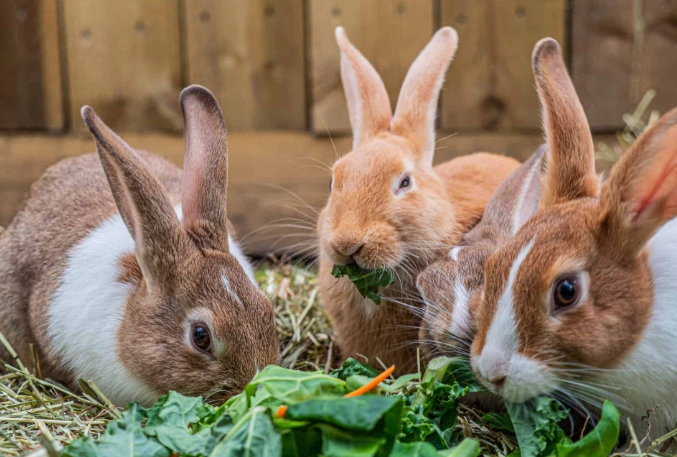
Understanding Rabbit Health and Behavior
Rabbits are prey animals. They hide illness incredibly well until they're very sick. Knowing what's normal and what's a red flag is a critical part of pet rabbit ownership.
Common Health Issues
- GI Stasis: The #1 killer of pet rabbits. Their gut stops moving. Signs include no eating, no pooping, lethargy, and a hunched posture. This is a VETERINARY EMERGENCY requiring immediate care.
- Dental Problems: Their teeth never stop growing. A poor diet (not enough hay) leads to overgrowth, abscesses, and pain. Regular vet check-ups can catch this early.
- Respiratory Infections (Snuffles): Sneezing, runny nose/eyes, matted front paws from wiping. Needs antibiotics from a vet.
- Flystrike: In warmer months, flies can lay eggs on a rabbit with a dirty bottom. This is horrific and fatal if not caught immediately. Keeping your rabbit clean is vital.
The single best thing you can do is find a rabbit-savvy exotic veterinarian before you get your pet rabbit. The House Rabbit Society's Vet List is a great place to start your search. Regular check-ups (at least once a year) are essential.
What is Your Rabbit Trying to Tell You?
They communicate with their whole bodies.
- Binkying: Leaping and twisting in the air. Pure joy.
- Flopping: Dramatically throwing themselves onto their side. This means they feel completely safe and relaxed. It can look scary the first time!
- Tooth Purring: Gently grinding their teeth while you pet them. A sign of contentment.
- Loud Tooth Grinding: A sign of pain. Call the vet.
- Thumping: Stomping a hind leg. It's an alarm signal or a sign of annoyance. "Hey! I don't like that!"
- Circling Your Feet: Can be part of a mating dance, but often just means "Pay attention to me!" or "Where's my food?"
The Big Question: One Pet Rabbit or Two?
Rabbits are social animals. In the wild, they live in complex groups. A solitary pet rabbit can get lonely and depressed, even with lots of human attention. The gold standard for rabbit welfare is to have a neutered/spayed bonded pair. They groom each other, snuggle, and keep each other company.
Bonding rabbits is a process (sometimes slow, sometimes fast), but it's incredibly rewarding to see them become friends. Many rabbit rescues, like those listed through the House Rabbit Society, will help you adopt an already-bonded pair or guide you through bonding. It's something to seriously consider.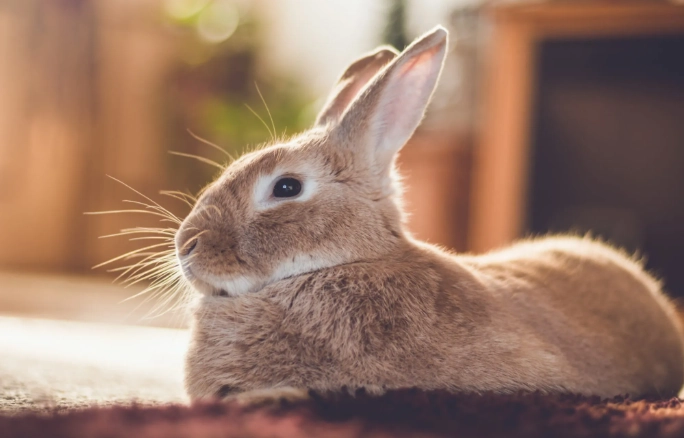
Pet Rabbit FAQs: Answering Your Burning Questions
- Startup costs (enclosure, pen, litter boxes, bowls, hideouts): $200-$500.
- Annual costs (hay, pellets, veggies, litter): $300-$600.
- Veterinary care (yearly check-up, emergency fund): $150-$500+. An emergency surgery for GI stasis can easily cost $1,000+.
Final Thoughts: Is It Worth It?
Having a pet rabbit is a unique experience. It's not the passive pet I naively expected. It's an active partnership. You learn to see the world from a low-to-the-ground, chew-centric perspective. You become an expert in hay varieties and poop inspection (yes, really—their droppings are a key health indicator).
It's work. It's expense. It's chewed baseboards.
But it's also the soft nudge of a nose against your hand when you're working. It's the ridiculous sight of a bunny flopped over in a sunbeam, utterly at peace in the home you've made safe for them. It's the quiet, gentle companionship of a creature that has chosen to trust you.
If you've read this far and feel excited, not deterred, by the responsibility—then you might just be ready for a pet rabbit. Do your research, prepare your home, find that vet, and consider adoption from a rescue. There are so many wonderful rabbits waiting for someone who understands what they truly need.
Good luck on your bunny journey!
Reader Comments