In This Guide
- What Exactly Does a Californian Rabbit Look and Act Like?
- Rolling Up Your Sleeves: Californian Rabbit Care Guide
- A Bit of History: Where Did the Californian Rabbit Come From?
- How Does the Californian Compare to Other Popular Breeds?
- Frequently Asked Questions About Californian Rabbits
- Final Thoughts: Is the Californian Rabbit Right for You?
Let's be honest, when most people picture a rabbit, they might imagine a tiny Netherland Dwarf or a floppy-eared Lop. The Californian rabbit often doesn't get the spotlight it deserves, which is a real shame. I remember the first time I saw one at a county fair—I was struck by how different and striking it looked. It wasn't just "another white rabbit." There was something calm and substantial about it.
If you've landed here, you're probably past the initial "aww, cute" phase and are seriously considering what it takes to care for one of these unique animals. Or maybe you already have one and are looking for better information than the generic pet store pamphlets. Good on you. This guide is my attempt to dump everything I've learned, researched, and experienced about Californian rabbits into one place. We'll cut through the fluff and get into the real details of their personality, care, and even some of the less glamorous bits.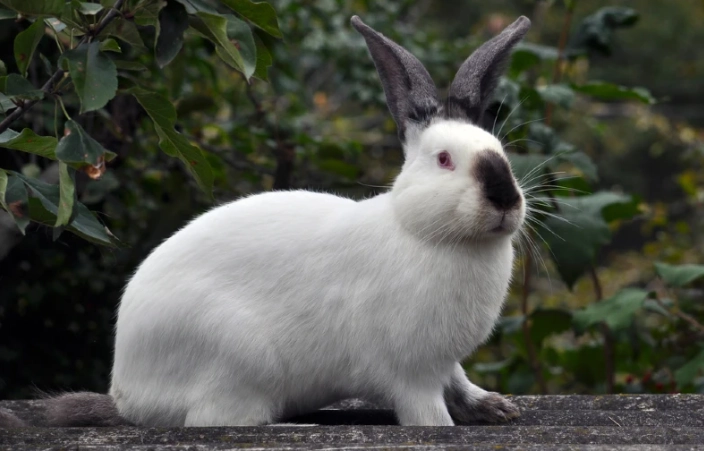
Quick Snapshot: The Californian rabbit is a large, commercial-type breed known for its distinctive "Himalayan" color pattern—a white body with dark points (ears, nose, feet, and tail). They were originally developed for meat and fur, but their exceptionally docile temperament has made them a favorite as show animals and family pets.
What Exactly Does a Californian Rabbit Look and Act Like?
You can't miss them. The classic Californian rabbit is pure white, but not just any white. It's a bright, clean white. The magic is in the points. They have rich, dark brown (almost sepia) or slate grey points on their ears, nose, feet, and tail. This pattern isn't just for looks; it's temperature-sensitive. Cooler areas of the body develop the darker pigment. Sometimes, if you live in a colder climate, you might even see the points get darker or spread a bit.
They're a big bunny. We're not talking Flemish Giant huge, but definitely not a dwarf.
Size and Build
An adult Californian rabbit typically weighs between 8 to 10.5 pounds (3.6 to 4.8 kg), with some show specimens pushing a bit heavier. They have a commercial, semi-arch body type—think of a muscular, well-rounded loaf shape. It's a substantial, solid feel when you pick one up. Their ears are erect and well-furred, and their eyes are a striking pink, which is standard for albino-based patterns.
I find their size to be a real plus. Smaller rabbits can feel a bit fragile, especially around young kids. A Californian has a more robust presence.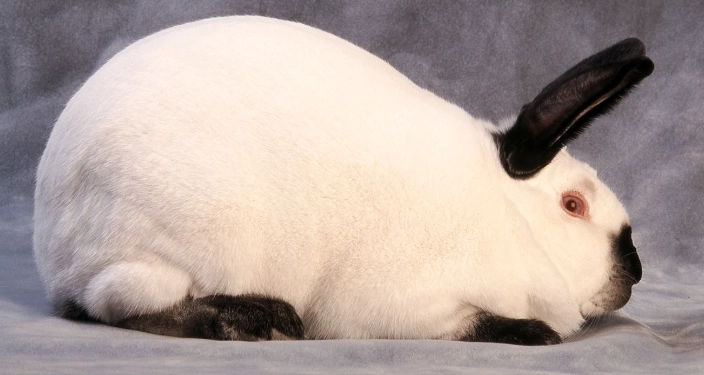
The Californian Rabbit Temperament: Why Everyone Loves Them
Here's the real selling point, and it's not just hype. Californian rabbits are renowned for their calm, docile, and friendly nature. Breeders and owners consistently describe them as "gentle giants" and "incredibly patient." This wasn't an accident. When George West developed the breed in the early 1920s in, you guessed it, California, he was aiming for a quality meat animal. Nervous, high-strung animals don't thrive or gain weight well. So, a calm disposition was selectively bred for.
What does this mean for you? It means a Californian rabbit is often more tolerant of handling than more skittish breeds. They tend to settle into lap time nicely. They're intelligent and can learn their names, come when called (especially if you have a treat), and can be litter-trained with consistency. This makes them a fantastic candidate for a house rabbit.
A Reality Check: "Docile" doesn't mean "a stuffed animal." Every rabbit has its own personality. Some Californians can be more aloof or independent. They are still prey animals at heart. Sudden movements or loud noises will startle them. That gentle nature also means they can be more susceptible to stress, so a calm home environment is key. I've met a few that were absolute divas about their space!
Rolling Up Your Sleeves: Californian Rabbit Care Guide
Okay, you're sold on the personality. Now, what does caring for a 10-pound bunny actually entail? It's more than just a cage and some pellets. A proper setup is the difference between a thriving pet and one that's just surviving.
Housing: Think Big
That commercial body needs commercial-sized space. The absolute minimum enclosure size for a Californian rabbit should be at least 4 feet by 2 feet, with enough height for them to stand up on their hind legs without their ears touching the top. But honestly, minimums are depressing. They need room to hop, stretch, and play.
More and more owners are opting for large dog exercise pens (x-pens), custom-built condo setups, or simply rabbit-proofing a room for free-roaming time. A hutch alone is insufficient for their physical and mental health. They need several hours of supervised or safe free-roam time every single day. A bored rabbit is a destructive rabbit, and a large bored rabbit can do some serious redecorating to your baseboards.
The Californian Rabbit Diet: It's Not Just Pellets
This is where many new owners slip up. The foundation of a healthy diet is unlimited, high-quality grass hay. Timothy hay is perfect for adults. Hay keeps their constantly growing teeth worn down and their digestive system moving. It should make up about 80% of what they eat.
Next, fresh leafy greens. A good handful daily (about 1 cup per 2 lbs of body weight). Think romaine lettuce, kale, cilantro, parsley, dandelion greens (untreated!), and carrot tops. Introduce new greens slowly to avoid stomach upset.
Pellets are a supplement, not the main course. For an adult Californian, about 1/4 to 1/2 cup of plain, high-fiber timothy-based pellets per day is plenty. Overfeeding pellets leads to an obese rabbit who ignores their hay.
Treats like small pieces of fruit (apple, banana, berry) or carrot should be just that—tiny treats. Too much sugar spells trouble.
Diet Do's and Don'ts for a Healthy Californian Rabbit:
DO: Provide unlimited timothy/orchard grass hay. DO: Offer a daily variety of dark leafy greens. DO: Use pellets as a measured supplement.
DON'T: Feed iceberg lettuce (no nutritional value). DON'T: Give unlimited pellets or treats. DON'T: Assume any plant from your yard is safe—many are poisonous.
Grooming and Health
Their coat is relatively low-maintenance—short and flyback. A weekly brush during most of the year is sufficient to remove loose fur and reduce hairballs. During shedding seasons (usually spring and fall), you'll want to brush every other day or even daily. When they shed, they really shed. You'll find little white tumbleweeds around.
Nail trims are crucial every 4-6 weeks. Those nails can get long and sharp, and if left untrimmed, they can snag and tear. Not fun for anyone.
Like all rabbits, Californians need to see a veterinarian who specializes in exotic pets. Your standard cat-and-dog vet likely won't have the specific knowledge. Annual check-ups are important. You'll also want to discuss spaying or neutering with your vet. This isn't just about preventing babies; it drastically reduces cancer risks (especially in females) and curbs hormonal behaviors like spraying, aggression, and territorial chewing.
Common health issues to watch for include gastrointestinal stasis (GI stasis), which is a silent killer where their gut slows down or stops. Symptoms are not eating, not pooping, and lethargy. This is an immediate veterinary emergency. Dental problems are also common if their diet isn't hay-centric. Their teeth never stop growing.
A Bit of History: Where Did the Californian Rabbit Come From?
It's a true American original. In the 1920s, a rabbit breeder named George S. West of Lynwood, California, set out to create the perfect meat and fur rabbit. He crossed Himalayan rabbits (for the pointed pattern) with Chinchilla rabbits (for body type and fur quality) and New Zealand Whites. After years of selective breeding, he unveiled the new breed, originally calling them "California Whites."
The American Rabbit Breeders Association (ARBA) officially recognized the Californian rabbit as a distinct breed in 1939. While its initial purpose was agricultural, its wonderful temperament and striking appearance quickly caught the eye of show enthusiasts and pet owners. You can still find the official breed standard on the ARBA website, which details the perfect points, body shape, and weight.
It's a neat story of practical beginnings evolving into a beloved companion animal.
How Does the Californian Compare to Other Popular Breeds?
Trying to decide between a Californian and another breed? This table might help. It's not about which is "better," but which fits your lifestyle.
| Breed | Average Size | Key Temperament Traits | Grooming Needs | Best For... |
|---|---|---|---|---|
| Californian Rabbit | 8-10.5 lbs (Large) | Exceptionally calm, docile, patient, friendly | Low (weekly brush) | Families, first-time owners, those wanting a handleable, relaxed pet |
| Netherland Dwarf | 1.1-2.5 lbs (Tiny) | Often lively, sometimes skittish or shy | Low | Experienced owners, those with very limited space |
| Holland Lop | 3-4 lbs (Small) | Sweet, playful, can be mischievous | Medium (regular ear checks) | Owners wanting a small, cute, interactive bunny |
| Flemish Giant | 13+ lbs (Giant) | Gentle, laid-back, "gentle giant" | Low | Owners with ample space, wanting the largest breed |
| Rex | 7.5-10.5 lbs (Large) | Curious, playful, enjoys interaction | Very Low (plush fur) | Those who love unique, velvety fur and an active personality |
See what I mean? The Californian rabbit really carves out its niche with that reliable, mellow personality in a substantial but manageable size.
Frequently Asked Questions About Californian Rabbits
Yes, they are often considered one of the best large breeds for beginners, primarily because of their temperament. Their calmness makes them easier to handle and less intimidating than a more energetic or skittish breed. However, the "first-time owner" still needs to do all the homework on proper rabbit care—diet, housing, vet care. A good personality doesn't mean zero maintenance.
Generally, yes, but with major, non-negotiable caveats. Their patient nature makes them more tolerant than smaller, more fragile breeds. However, no rabbit is a "child's pet." All interactions must be supervised. Children must be taught to be calm, quiet, and gentle—no chasing, squeezing, or carrying them around improperly. The rabbit must always have a safe space to retreat to. It's a family pet that adults are primarily responsible for.
With excellent care—proper diet, spacious housing, indoor living, and regular vet check-ups—a Californian rabbit has a life expectancy of 5 to 10 years. Some live even longer. That's a decade-long commitment, so think hard about your future plans.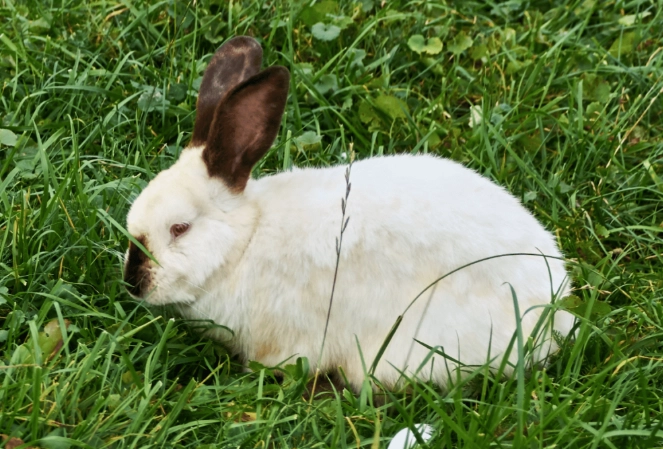
I strongly advise against it. While their ancestors were in hutches, we know better now. Outdoor rabbits face extreme temperatures, predators (even in a hutch, the sight/sound of a raccoon can cause a fatal heart attack), parasites, and loneliness. They are social creatures who thrive on interaction. An indoor Californian rabbit, as part of the family, will be healthier, safer, and happier. The House Rabbit Society is a fantastic resource on this philosophy, and you can read more about the risks of outdoor housing on their educational website.
Rabbits are social animals. In an ideal world, yes, a bonded rabbit friend (after both are spayed/neutered) can provide companionship, grooming, and play that humans simply can't replicate 24/7. However, a solo Californian rabbit can also live a very full and happy life if you, the human, are committed to providing several hours of direct interaction and engagement every single day. It's a bigger time commitment on your part.
A lot to think about, right?
Let's break it down, because the initial $50 for the rabbit is just the tip of the iceberg.
- Startup: Large enclosure/x-pen ($100-$250), litter box, heavy ceramic bowls, water bottle/bowl, hideouts, toys ($100-$150).
- Monthly: Hay ($30-$50), pellets ($10-$15), fresh greens ($20-$40), litter (paper-based, $15-$20).
- Annual/Variable: Exotics vet check-up ($80-$150), spay/neuter ($300-$600), emergency vet fund (please have this!).
It adds up. They are not a cheap pet to care for properly.
Final Thoughts: Is the Californian Rabbit Right for You?
After all this, where do you stand? The Californian rabbit is a wonderful, gentle, and rewarding pet for the right person. They are perfect for someone who wants a larger, handleable rabbit with a famously sweet disposition. They're less ideal for someone with extremely limited space, a desire for a caged ornament, or an unwillingness to invest in proper vet care.
If you're ready for the commitment—the daily feeding, cleaning, and playtime, the financial aspect, the decade-long promise—then a Californian rabbit can be an incredible companion. Their quiet presence, funny binkies (those joyful jumps), and gentle nudges for attention are truly special.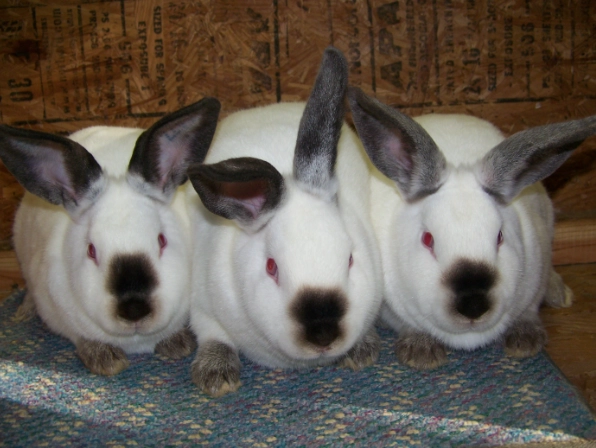
My best advice? Before you get one, try to connect with a local rabbit rescue or a responsible breeder. Meet a few Californian rabbits in person. Feel how solid they are, see how calm they can be. It'll confirm everything you've read here. And please, consider adoption. Rescues are full of wonderful rabbits, including purebred Californians, just waiting for a knowledgeable home. The House Rabbit Society has a great adoption network and even more in-depth care articles that align with the latest veterinary science.
Good luck on your rabbit journey. Do it right, and you'll have an amazing friend for years to come.
Reader Comments