Figuring out what rabbits can eat feels like navigating a minefield one minute and a barren wasteland the next. You see a cute video of a bunny munching strawberries, but then you read a horror story about a rabbit getting sick from the wrong lettuce. I've been there. When I got my first rabbit, Thumper, I made the classic mistake of thinking "greens are good" and overloaded his bowl with kale and spinach. The result? A very expensive vet visit for gas and stasis. That experience taught me that a rabbit's diet isn't intuitive; it's a precise science built on fiber, not just any vegetable you have in the fridge.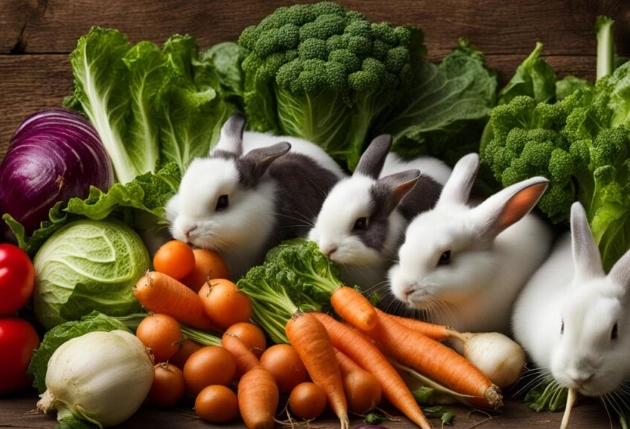
Your Quick Guide to Rabbit Nutrition
The Core of a Rabbit's Diet: Hay, Hay, and More Hay
If you remember one thing, let it be this: hay is not optional. It's the foundation. Think of it as the rabbit equivalent of bread for humans—but way more critical. A rabbit's digestive system is a fermentation vat that requires a constant influx of long-strand fiber to keep moving. Without it, everything grinds to a halt, leading to gastrointestinal stasis, a life-threatening condition.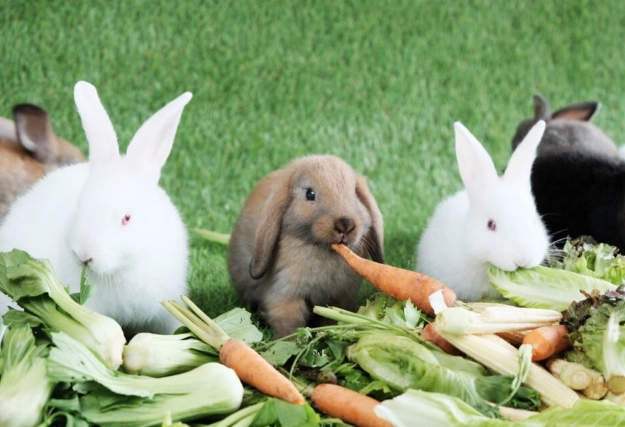
The best types are grass hays. Timothy hay is the gold standard for adult rabbits. Orchard grass and meadow hay are great alternatives, often softer and more palatable for picky eaters. Oat hay is wonderful for variety. Alfalfa hay is rich and high in calcium and protein—it's perfect for growing babies, pregnant, or nursing does, but it's too rich for most adult rabbits and can lead to obesity and bladder sludge.
Your rabbit should have an unlimited supply 24/7. I mean a pile bigger than they are. It should be fresh-smelling, greenish, and not dusty. Store it in a cool, dry place. A common mistake is offering a small handful once a day. That's not enough. They need to be able to graze whenever they want, mimicking their natural foraging behavior.
Pro Tip from a Decade of Bunny Care: The biggest dietary error isn't feeding a toxic plant—it's feeding too little hay. I see so many owners focus on the "fun" foods like veggies and treats while their hay rack sits half-full. If your rabbit's hay consumption drops, treat it as a red flag. It often precedes health issues. Try different brands, mix in a bit of fragrant herbal hay (like chamomile or dandelion), or stuff hay into cardboard tubes to make eating an engaging activity.
Fresh Vegetables: The Daily Greens Boost
This is where variety and moderation come into play. Fresh veggies provide essential vitamins, minerals, and hydration. But not all greens are created equal.
Introduce new vegetables one at a time and in small amounts to monitor for soft stools. A good daily serving for a 6lb rabbit is about 2 packed cups of mixed greens. Rotate through different types to provide a range of nutrients and prevent boredom.
Excellent Daily Staples (Low in Oxalates/Calcium):
- Romaine Lettuce, Green Leaf, Red Leaf Lettuce: Crisp and hydrating. (Note: Iceberg lettuce is useless—it's mostly water with little nutritional value and can cause diarrhea.)
- Herbs: Cilantro, parsley (curly or flat-leaf), mint, basil, dill. Rabbits usually go crazy for these.
- Bok Choy, Celery Tops: Great texture. Chop celery into small pieces to avoid stringy bits causing choking.
- Spring Greens, Arugula, Endive, Radicchio.
Feed in Moderation (1-2 times per week, higher in oxalates or calcium):
- Spinach, kale, mustard greens, Swiss chard, beet greens. These are nutritious but can contribute to kidney or bladder stones if fed in large, daily quantities.
- Carrot tops are great, but the carrot root itself is high in sugar—treat it like a fruit.
- Broccoli, cauliflower, cabbage, Brussels sprouts. These can cause gas in some rabbits. Start with a tiny floret.
Always wash vegetables thoroughly. Organic is ideal to minimize pesticide exposure.
Fruits and Treats: The Occasional Sweet Bite
Rabbits have a serious sweet tooth. Fruit is pure sugar to them, and too much leads directly to an overweight bunny with dental and gut problems. Fruit is a treat, not a food group.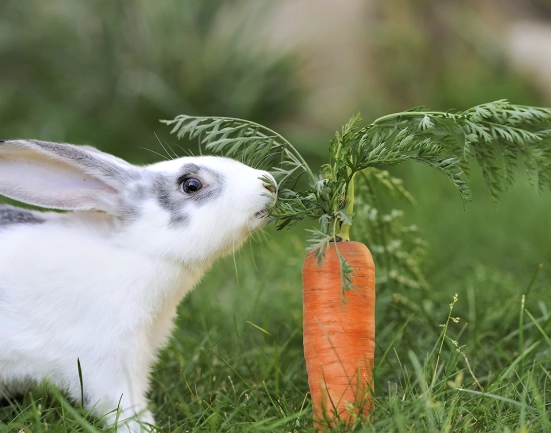
The rule of thumb: a portion the size of your thumbnail, 1-3 times per week max. Always remove pits, seeds, and stems, as many contain cyanide compounds (apple seeds, peach pits) or are choking hazards.
Safe Fruit Treats: Apple (no seeds), banana (a tiny slice—it's sticky and high sugar), blueberries, strawberries (tops and all), raspberries, pear (no seeds), peach (no pit), melon (rind is okay too, wash well), papaya. Papaya enzyme tablets are often used as a hairball preventative.
Avoid grapes and raisins entirely. While not conclusively proven toxic to rabbits as they are to dogs, many vets advise against them due to potential kidney issues. Why risk it when there are so many other safe options?
Store-bought "yogurt drops" or seed-and-nut mixes are junk food. They are loaded with sugar, fat, and ingredients a rabbit would never encounter in the wild. A piece of fresh fruit or a sprig of parsley is a much healthier reward.
Pellets and Commercial Foods: The Supplemental Role
Pellets are a concentrated source of nutrients, but they are a supplement, not the main course. In the wild, rabbits don't eat uniform little brown nuggets. Overfeeding pellets is a primary cause of obesity and dental disease because rabbits fill up on them and ignore their hay.
Choose a plain, high-fiber pellet. Look for:
- Timothy hay-based for adults (not alfalfa-based).
- High fiber (18% minimum, 20%+ is better).
- Low protein (14% or less).
- Low fat (2-3%).
- No colorful bits, seeds, nuts, or dried fruit mixed in.
How much to feed? This is critical. For an average 5-6 lb adult rabbit, 1/4 cup of plain pellets per day is plenty. Yes, that's all. You can even skip pellets entirely for a healthy rabbit with a superb hay and veggie diet, following guidance from experts like the Rabbit Welfare Association & Fund (RWAF). I transitioned Thumper off pellets years ago, and his weight and digestion have never been better. He just gets unlimited hay, his daily greens, and a weekly fruit treat.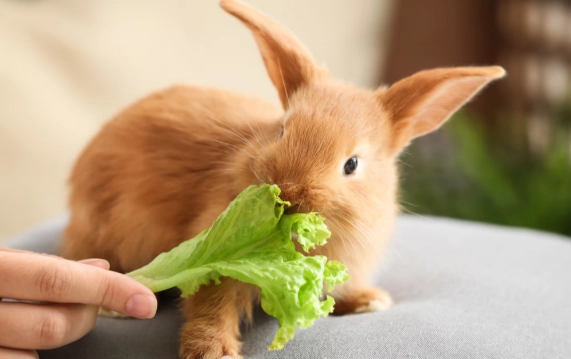
The Absolute No-Go List: Dangerous and Toxic Foods
Some foods can cause severe illness or death in rabbits. This list is non-negotiable.
⚠️ Never Feed These to Your Rabbit:
These foods can disrupt gut bacteria, cause toxicity, or lead to fatal digestive blockages.
| Food Category | Specific Examples | Why It's Dangerous |
|---|---|---|
| Allium Family | Onions, garlic, leeks, chives, shallots | Contains thiosulphate, causing hemolytic anemia (destroys red blood cells). |
| Grains & Legumes | Bread, crackers, pasta, cereal, beans, corn, peas | High in starch and carbohydrates. Cause cecal dysbiosis (bad bacterial overgrowth), leading to painful gas and stasis. Corn kernels can also be a choking hazard. |
| Dairy & Meat | Milk, yogurt, cheese, eggs, any meat | Rabbits are strict herbivores. They lack the enzymes to digest lactose or protein. Causes severe GI upset. |
| Nuts & Seeds | All nuts (walnuts, almonds), sunflower seeds | Extremely high in fat and protein. Can cause fatty liver disease and digestive issues. |
| Processed Foods | Chocolate, candy, cookies, chips, human snacks | Obvious sugar, fat, salt, and artificial ingredients are toxic and disrupt gut flora. |
| Certain Plants | Avocado, rhubarb leaves, tomato leaves/vines, potato leaves/vines, foxglove, lilies, ivy | Contain various cardiac glycosides, solanine, or persin which are highly toxic. Houseplants are often risky. |
Avoid anything from the yard treated with pesticides or herbicides. When in doubt, don't feed it. A hungry rabbit is safer than a sick one.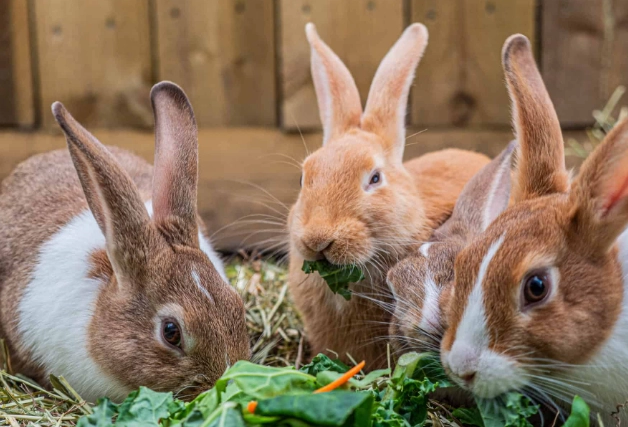
Your Rabbit Diet Questions Answered
Can rabbits eat apples?
Is it safe for rabbits to drink milk?
What is the single most important food for a rabbit?
My rabbit won't eat hay, what should I do?
Comment