You see them everywhere—on social media, in pet store windows, their long, soft ears framing the most placid faces. Lop rabbits have this almost magical ability to look perpetually serene. It’s what draws most people in. I’ve been raising rabbits for over a decade, and I’ll tell you straight: that calm exterior is real, but it’s not the whole story. Bringing home a lop is not like getting a stuffed animal that hops. It’s inviting a subtle, clever, and deeply social creature into your life. If you only focus on the cuteness, you’ll miss what makes them truly rewarding. This guide is about what happens after you bring them home.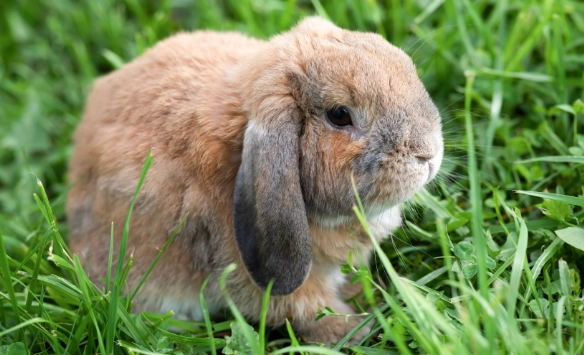
Let’s talk about that famous personality. Yes, they’re generally laid-back. But "laid-back" in rabbit terms doesn’t mean inactive or simple. It means they assess situations with a quiet confidence. A scared rabbit thumps and runs. A thoughtful lop might just sit still, watch you intently, and decide you’re not a threat before going back to chewing. That’s the kind of pet you’re getting.
What's Inside This Guide
Understanding Lop Breeds: It's Not Just One Rabbit
Calling a rabbit a "lop" is like calling a dog a "shepherd." It describes a feature—the drooping ears—shared by several distinct breeds. The ear cartilage in these rabbits simply doesn't harden, causing the ears to fall. This happened as a natural genetic mutation, and breeders selectively enhanced it. The American Rabbit Breeders Association (ARBA) recognizes multiple lop breeds, each with its own standard.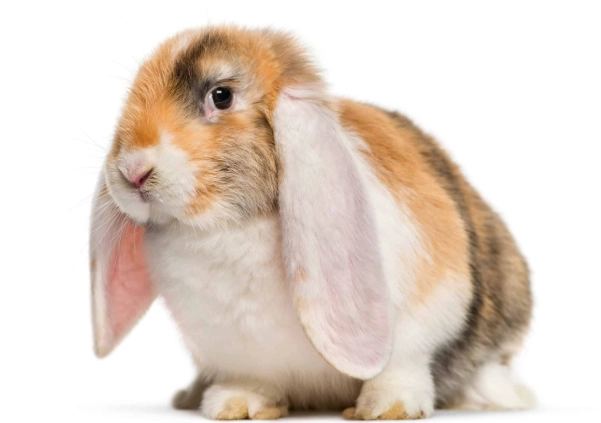
Choosing the right one matters more than you think. The size difference alone changes everything about space requirements, food costs, and even vet bills.
| Breed | Average Weight | Key Personality Trait | Consideration |
|---|---|---|---|
| Holland Lop | 2-4 lbs | Friendly, playful, "big personality in a small package" | Ideal for first-time owners with limited space. Very popular. |
| Mini Lop (in the US) | 4.5-6.5 lbs | Gentle, docile, exceptionally calm | Often confused with the smaller UK Mini Lop. A great mid-sized, mellow companion. |
| French Lop | 10+ lbs | Laid-back, gentle giant, less skittish | Needs significant space (think XL dog crate minimum). Not a lap rabbit due to size, but a calm floor companion. |
| English Lop | 9-10 lbs | Calm, but ears require intense care | Ears can drag on the ground. Not recommended for beginners due to specialized grooming and injury risk. |
I started with a Holland Lop named Barnaby. His small size was manageable, but his energy was a surprise. He’d sprint laps around the living room at 7 PM sharp every night. A French Lop I fostered later, Mochi, would just… flop. The breed sets a baseline.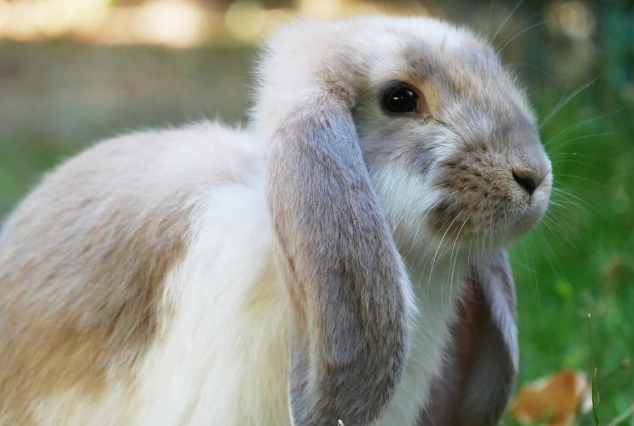
The Daily Care Routine: A Step-by-Step Plan
Forget vague advice. Here’s what a day in the life of a responsible lop owner looks like. This routine is built around their natural rhythms: most active at dawn and dusk.
Morning (Dawn Patrol)
Fresh Hay & Water: This is non-negotiable. Dump yesterday’s leftover hay (it gets stale and dusty). Refill the rack with a big handful of fresh, high-quality grass hay like Timothy or Orchard Grass. Check the water bottle or bowl—scrub it if there’s any film. Rabbits drink a lot, especially after a night of munching hay.
Spot Clean: A quick 2-minute job. Pick up the soiled litter in their box (yes, they can be litter-trained), remove any uneaten fresh veggies from the night before, and wipe up any stray droppings. This prevents odor and keeps flies away.
Daytime (Respect the Siesta)
They’ll sleep a lot. This is normal. Provide a hidey-house where they feel completely secure. Don’t constantly disturb them. This is a good time to do a weekly task: ear inspection. Gently lift each ear flap and look inside. You want clean, pale pink skin. Redness, dark wax, or a foul smell means a vet visit.
Evening (Dinner & Social Time)
Fresh Greens: This is their nutritional and enrichment highlight. A packed cup of mixed greens per 2 lbs of body weight. Romaine, cilantro, kale, bok choy. Rotate the types. No iceberg lettuce—it’s just water.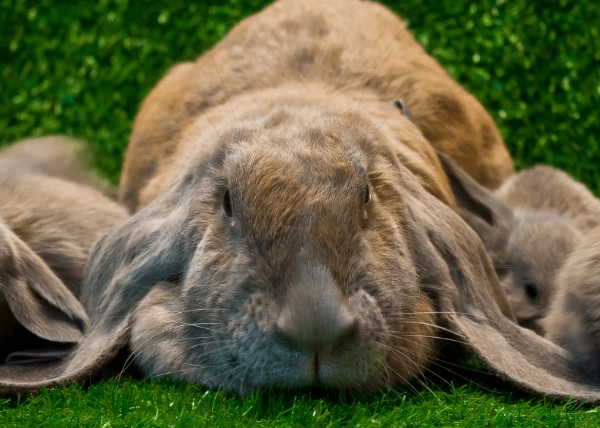
Bonding Time: Sit on the floor. Let them come to you. Have a tiny piece of fruit (like a blueberry) or a fragrant herb as a treat. Let them sniff, explore, and maybe climb on you. This is about presence, not petting. Forcing cuddles backfires.
Lop-Specific Health & Wellness
Those adorable ears are the biggest health focus. The folded canal traps moisture and wax, creating a perfect environment for mites and bacterial infections. A monthly check isn’t enough. Make it weekly.
Dental Health is the other silent killer. Lops, especially dwarf breeds like Hollands, are prone to malocclusion—misaligned teeth that don’t wear down. They need endless hay to grind them down. Watch for:
- Drooling or wet fur on the chin.
- Suddenly picking at food or dropping pellets.
- Weight loss despite eating.
If you see this, it’s an immediate vet trip. A rabbit that stops eating is an emergency.
Behavior, Bonding, and Building Trust
You won’t “train” a lop like a dog. You build a relationship based on predictability and choice. Their body language is subtle.
A happy lop does the “flop”—falling dramatically onto their side. It means they feel utterly safe.
Purring (a soft tooth grinding) while being gently petted is contentment.
But a low, tense posture with ears pinned back flat against the head? That’s fear or aggression. Back off.
The biggest mistake I see? People get a single rabbit, put it in a cage, and wonder why it seems bored or destructive. Rabbits need space to run, dig (provide a dig box with shredded paper), and explore. An exercise pen connected to a safe, rabbit-proofed room is the gold standard. And seriously consider a friend. A bonded pair is mentally healthier. The House Rabbit Society has excellent resources on bonding techniques.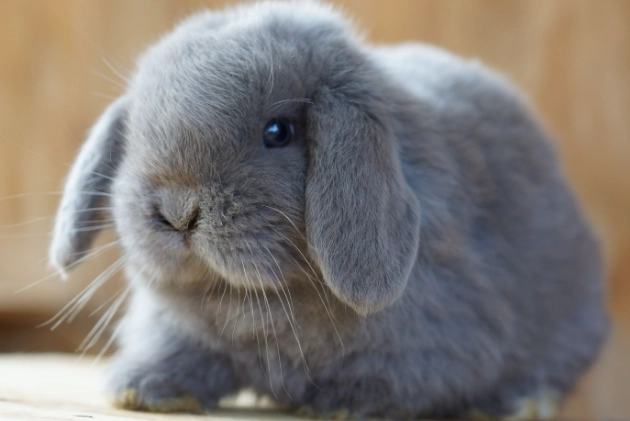
Your Lop Rabbit Questions Answered
Owning a lop rabbit is a long-term promise—they can live 8-12 years with good care. It’s a commitment to understanding a creature that communicates in hops, flops, and subtle nudges. Do the work upfront: get the right setup, find a vet, understand their needs. Then you get to enjoy the quiet magic of a happy lop—the contented purring, the ridiculous flops, the gentle nudge of a nose against your hand asking for more parsley. That’s the real reward, far beyond the initial appeal of those floppy ears.
Comment