That image of a perfect, floppy-eared bunny nestled in your arms is hard to resist. The Holland Lop, with its compact size and sweet face, is often the poster child for that dream. I get it. I brought home my first lop, Mochi, over a decade ago, thinking it would be straightforward. It wasn't. What I learned—often the hard way—is that these little creatures have complex needs hidden behind that adorable exterior. This guide isn't just a list of facts. It's the roadmap I wish I'd had, packed with the subtle details most care sheets gloss over.
Quick Navigation: What You'll Learn
What is a Holland Lop Rabbit?
Let's clear something up first. The Holland Lop is a specific dwarf breed, recognized by the American Rabbit Breeders Association (ARBA). They're the smallest of the lop-eared breeds, with a maximum show weight of just 4 lbs. Their signature feature is their lopped ears, which should fall close to the head, framing a rounded face with a distinct "crown" of cartilage at the skull base. They come in a wild array of colors and patterns—broken, solid, shaded.
But here's the non-consensus part everyone misses: that compact, "cobby" body and short face (brachycephaly) come with trade-offs. Their dental anatomy is more compact, making them slightly more prone to dental issues if their diet isn't perfect. Their body shape also means they can be more susceptible to obesity, which puts immense strain on their joints and spine. So while they look sturdy, they require meticulous care.
Lifespan: A well-cared-for Holland Lop typically lives 7-10 years, sometimes longer. I've known a few to hit 12. This isn't a short-term commitment; it's a decade-long partnership.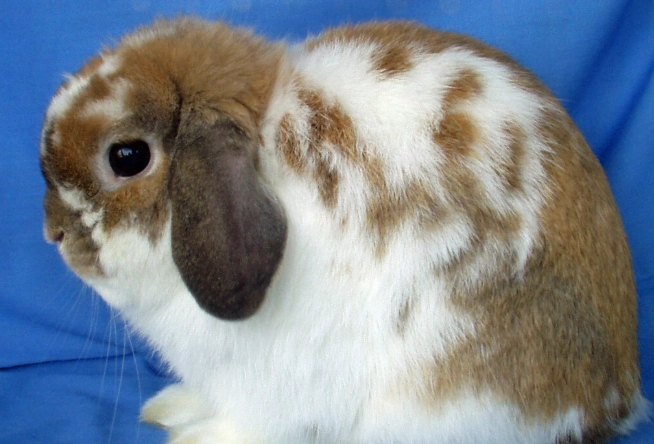
How to Set Up the Perfect Holland Lop Habitat
Forget the tiny pet store cages. Seriously. The single biggest welfare mistake is confinement in a small space. A Holland Lop needs room to hop, stretch, and explore, even when you're not home.
The Enclosure: Think Apartment, Not Prison Cell
The gold standard is a large exercise pen (x-pen) or a custom-built condo. The House Rabbit Society, a fantastic resource, recommends a minimum of 8 square feet of enclosure space, plus daily supervised time outside it. For a Holland Lop, I'd push that to 12+ square feet if it's their full-time home. My setup for Mochi was a 4ft x 4ft x-pen attached to a 2-level hideout castle.
Flooring: Avoid wire floors entirely. They cause painful sore hocks (pododermatitis). Use a solid surface covered with a soft, absorbent layer. I've had great success with washable bath mats over a corrugated plastic base. Fleece blankets work if you change them frequently.
Essential Habitat Accessories
- Litter Box: A large cat-sized corner box. Fill with paper-based litter (never clumping clay or pine/cedar shavings—toxic!). Place hay directly in or over the box; they love to munch while they go.
- Hay Rack: Always overflowing with fresh grass hay. This is their main food source.
- Water: Both a heavy ceramic bowl and a water bottle. Some prefer one over the other. Always have a backup.
- Hideouts: At least two fully enclosed hides. They need to feel completely secure to relax.
- Toys: Untreated wood blocks, willow balls, cardboard tubes stuffed with hay. Rotate them to prevent boredom.
The Holland Lop Diet: More Than Just Pellets
This is where I see the most confusion. The diet pyramid for a rabbit is inverted from what most people assume.
| Food Type | Percentage of Diet | Key Details & Common Mistakes |
|---|---|---|
| Unlimited Grass Hay | 80-90% | Timothy hay is ideal for adults. Alfalfa is too rich and high in calcium for adults, leading to urinary sludge. Hay must be fresh, green, and sweet-smelling. It's non-negotiable for dental and gut health. |
| Fresh Leafy Greens | ~10% (1 packed cup per 2 lbs body weight) | Romaine, green leaf, cilantro, parsley, dandelion greens. Introduce one new green at a time to monitor for soft stools. Avoid iceberg lettuce (no nutritional value). |
| High-Quality Pellets | Limited (1/8 to 1/4 cup daily) | Look for pellets that are plain, high-fiber (18%+), and Timothy-based. Avoid mixes with seeds, nuts, or colored bits—these are junk food and a choking hazard. Pellets are a supplement, not the main course. |
| Treats (Fruits/Veg) | Less than 5% (tiny pieces) | Blueberry, apple slice (no seeds), banana slice. Think the size of your thumbnail, once or twice a week. Too much sugar disrupts their delicate gut bacteria. |
The subtle mistake? People see the small size of a Holland Lop and think "small stomach, fewer pellets." Actually, the opposite is true. Their smaller body has a proportionally higher metabolic rate. They need constant access to hay to keep their gut moving. A few hours without food can lead to GI stasis, a medical emergency.
Grooming and Health: Keeping Your Lop Healthy
Holland Lops have a short, rollback coat that's relatively easy to maintain, but they are not low-maintenance pets.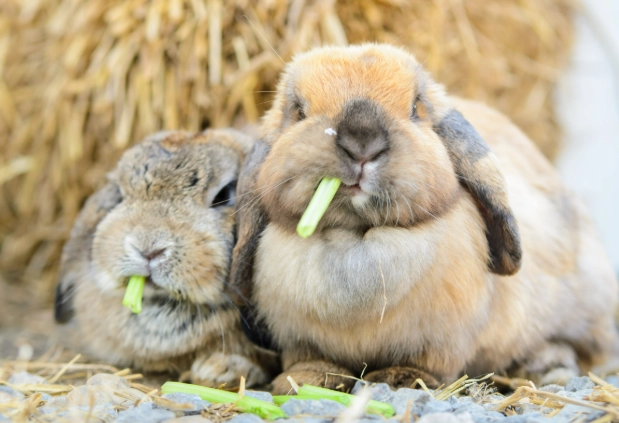
The Grooming Routine
- Brushing: Weekly is fine, but during shedding seasons (spring/fall), you'll need to brush daily. Use a slicker brush followed by a fine-toothed comb. Ingested fur is a primary cause of blockages.
- Nail Trimming: Every 4-6 weeks. Their nails grow fast. If you can hear clicking on the floor, they're too long.
- Ear Checks: Weekly. Gently fold back the ear flap and check for wax, debris, or redness. Their lopped ears have less airflow, making them slightly more prone to infections.
- Bathing? Never. Rabbits are self-cleaning. Bathing causes extreme stress and can lead to hypothermia. Spot clean with a damp cloth if needed.
Finding the Right Vet
This is crucial. Not all vets are experienced with rabbits (they are considered "exotics"). Before you even bring your bunny home, locate a rabbit-savvy veterinarian. Ask if they perform routine spays/neuters on rabbits and how they handle GI stasis emergencies. The House Rabbit Society has a vet listing you can search.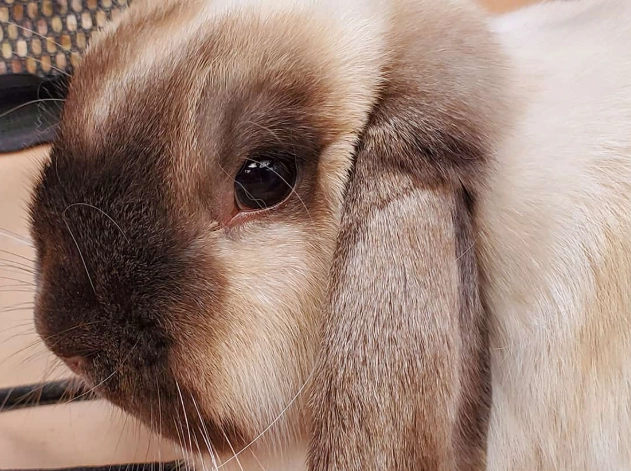
Understanding Holland Lop Behavior and Bonding
Rabbits have a complex language. Misreading it leads to frustration on both sides.
They are prey animals. This means they startle easily. Sudden movements, loud noises, and being picked up (which mimics a hawk grab) are inherently scary. Bonding happens on the floor, on their terms.
Spend time sitting quietly in their space. Let them approach you. Offer a treat from your hand. Lie down. Let them climb over you. This is how trust is built—not by forcing cuddles.
Common Behaviors Decoded:
- Circling your feet, honking softly: Courtship behavior. Often seen in unneutered rabbits, but fixed buns do it when excited.
- Flattening to the ground, ears pinned back: Fear or submission.
- Loud tooth grinding: Pain. (Soft, gentle tooth purring while being petted is contentment.)
- Thumping a hind leg: Alarm, displeasure, or a warning.
- Binkying (a joyful jump and twist): Pure happiness. This is the ultimate goal.
Consider getting two. Rabbits are social. A bonded pair provides constant companionship. The process of bonding (introducing two rabbits) is a project in itself, but watching them groom and sleep together is incredibly rewarding.
Common Health Issues in Holland Lop Rabbits
Being proactive is everything. Know the signs of these common problems.
- GI Stasis: The #1 killer. Symptoms: no appetite, small or no droppings, lethargy, hunched posture. This is an emergency. It can start from stress, pain, or diet. Have simethicone (baby gas drops) on hand and get to a vet immediately.
- Dental Problems: Overgrown teeth due to insufficient hay. Signs: drooling, dropping food, weight loss, reduced appetite. Requires a vet to file teeth down.
- Ear Infections (Otitis): Head tilting, scratching at ears, loss of balance. Needs prescription medication.
- Sore Hocks: Red, hairless, or ulcerated patches on the bottom of the feet. Caused by hard/wet flooring. Painful and prone to infection.
- Urinary Tract Issues: Sludgy urine (thick, pasty), straining to urinate, urine scalding on the skin. Often related to diet (too much calcium).
A healthy Holland Lop is alert, has bright eyes, a clean nose, a good appetite, and produces plenty of round, dry fecal pellets.
Your Holland Lop Questions Answered
How do I stop my Holland Lop from chewing furniture and cables?
You manage the environment, not the rabbit. Chewing is a hardwired need for dental wear and exploration. Rabbit-proofing is your first job. Get cord protectors (the split loom tubing from hardware stores works), block off baseboards with clear acrylic panels, and move precious items out of reach. Then, flood their area with approved chewables: apple wood sticks, seagrass mats, cardboard boxes. When they go for the couch leg, calmly say "no" and redirect them to a willow ring. Punishment doesn't work and only breaks trust.
Are Holland Lop rabbits good with children?
They can be a wonderful family pet for the right family. The key is that the rabbit's needs must come first. They are fragile—a fall from a child's arms can be fatal. They are best suited for families with older children (I'd say 8 and up) who can be taught to interact calmly on the floor. The child must learn to let the rabbit approach, to pet gently, and to never chase or pick up the rabbit without direct adult help. The parent must be the primary caregiver, fully responsible for housing, diet, and vet care.
My Holland Lop seems to ignore its litter box sometimes. What am I doing wrong?
First, spay/neuter is the single most effective step for litter training. Hormones drive territorial marking. Second, make the litter box appealing. Use a large box (they like to turn around in it), put it in the corner they already prefer to use, and always put fresh hay in a rack right over it. They eat and poop simultaneously. Clean soiled areas outside the box with a white vinegar solution to neutralize the scent. If they leave a few stray pellets outside the box, that's normal communication. Pooping everywhere and spraying urine are the problems that fixing usually solves.
How much does it really cost to care for a Holland Lop per year?
People often only budget for the rabbit and a cage. The real costs are ongoing. Let's break it down for a single rabbit:
- Startup (one-time): Large pen/habitat ($100-$250), carrier ($40), bowls, hides, toys ($100).
- Annual Recurring: High-quality hay ($200-$400), pellets ($50), greens ($100), litter ($100).
- Veterinary: This is the variable. A wellness check is $50-$100. Spay/neuter: $200-$500. Emergency fund: GI stasis treatment can easily cost $300-$800. I strongly recommend setting aside $500-$1000 as a dedicated pet emergency fund or looking into pet insurance (Nationwide, for example, covers exotics).
Bringing a Holland Lop into your life is a decision that shapes a decade. It's not about having a cute, quiet pet in a corner. It's about welcoming a small, quirky, intelligent personality with specific needs and a huge capacity for affection—on their own terms. Do the prep work, set up their space right, learn their language, and you'll gain a truly unique companion. The day your lop flops down beside you, completely relaxed, or does a binky just because you walked into the room, you'll know it was all worth it.
Comment