Look at a European rabbit (Oryctolagus cuniculus). To many, it's the image of harmless cuteness, a fluffy pet dozing in a sunbeam. But in its wild form, this same animal is one of the planet's most successful and devastating invasive mammals. Its story is a masterclass in biological adaptation and a stark lesson in unintended consequences. From the sun-baked plains of Iberia to the vast Australian outback and into our living rooms, the European rabbit's journey is anything but simple. Understanding this dual identity—ecological engineer and companion animal—requires digging past the surface, into the warrens of their behavior and the specifics of their needs.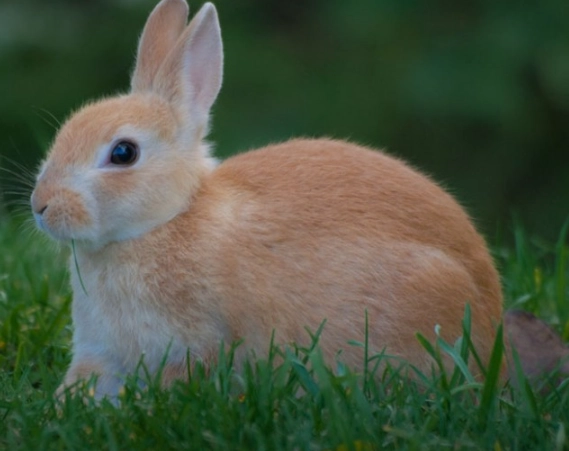
What You'll Find in This Guide
The Ecological Juggernaut: Impact as an Invasive Species
Let's start where the trouble begins. The European rabbit is native to the Iberian Peninsula and southern France. Humans changed everything. Romans farmed them for meat and fur. Medieval monks likely kept them in warrens. But the real ecological reshuffling began with European colonization. Sailors released them on islands as a future food source. In 1859, a British settler named Thomas Austin released 24 rabbits onto his property in Victoria, Australia, for sport hunting. He couldn't have picked a more perfectly adapted species for the environment.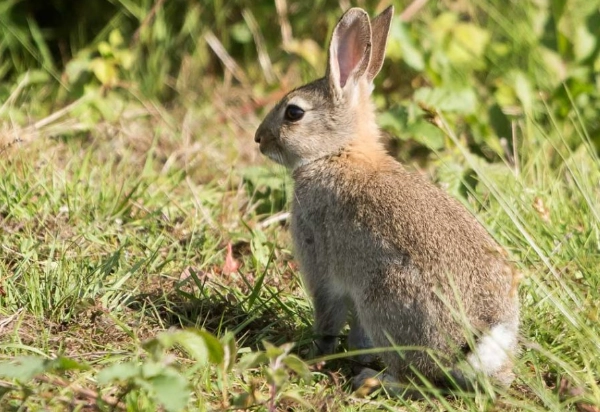
The results were catastrophic and offer a clear case study in invasive species biology. The IUCN lists Oryctolagus cuniculus among the world's worst invasive alien species. Here's why their impact is so severe:
- Reproductive Rate: A single female (doe) can produce 30-40 offspring per year. Populations can explode in ideal conditions with few natural predators.
- Generalist Herbivory: They eat a huge variety of plants, from grasses to seedlings to agricultural crops. They graze vegetation down to the soil, preventing regrowth.
- Soil Destabilization: Their extensive burrow systems (warrens) undermine the ground, leading to massive erosion. This alters entire landscapes.
In Australia, their effect has been devastating. They outcompete native marsupials like the bilby for food and burrows. They have contributed to the decline of native plants and the animals that depend on them. The cost to agriculture runs into hundreds of millions annually. Control efforts, from fences to viruses like myxomatosis and Rabbit Haemorrhagic Disease (RHD), have been a brutal, ongoing war. It's a sobering reminder that "cute" doesn't equate to "harmless" in an ecosystem.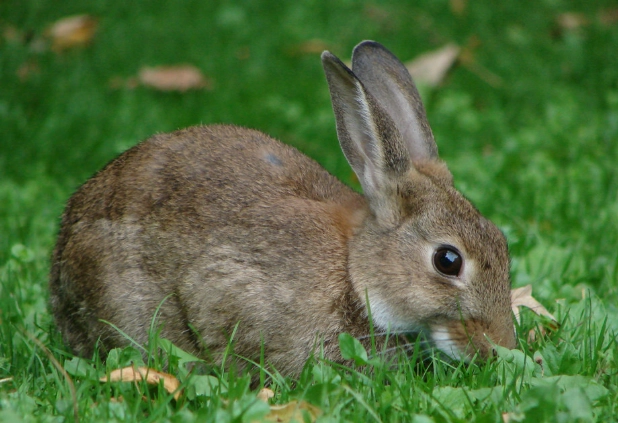
Life in the Warren: Understanding Wild Rabbit Behavior
To manage them in the wild or care for them at home, you need to understand their core instincts. A wild European rabbit's life revolves around the warren—a complex, multi-entrance underground network that serves as fortress, nursery, and social hub. This isn't just a hole; it's a meticulously maintained piece of real estate that provides safety from predators and extreme weather.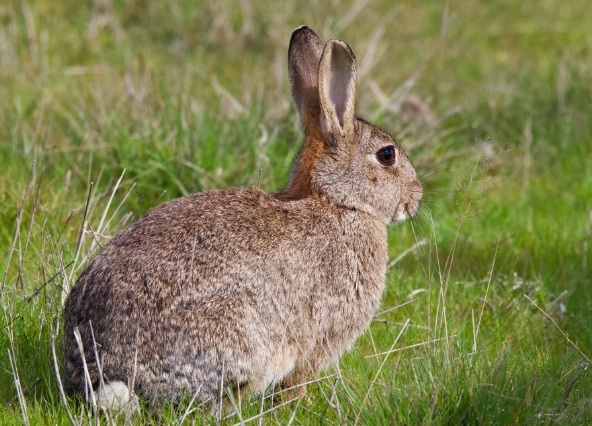
Their social structure is hierarchical. Groups are led by a dominant breeding pair. There's constant subtle communication: thumping hind legs to signal danger, a complex array of body postures, and scent marking from chin glands. They are crepuscular, most active at dawn and dusk. This ingrained behavior persists in our pet rabbits. That's why your pet might be a lazy loaf during the day but turns into a zooming, binkying dynamo in the early evening—it's in their DNA.
I once spent a summer observing a warren on a friend's farm. The precision of their routines was striking. The same sentry would always appear first at dusk. Foraging parties moved out in loose groups, always within dashing distance of a burrow entrance. It wasn't random chaos; it was a highly evolved survival strategy playing out in a field in Somerset.
From Field to Home: The Transition to a Domestic Pet
This is where things get personal for most readers. The pet rabbit in your home shares 99% of its genetics and instincts with that wild burrower. Ignoring this fact is the root of most poor welfare. Domestication has softened some edges and introduced varied coat colors and sizes (from the tiny Netherland Dwarf to the giant Flemish), but the essential animal remains.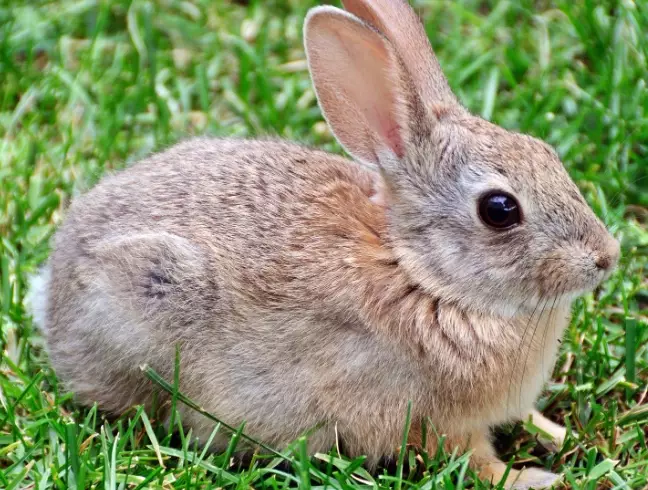
Debunking Common Diet Myths
Forget everything cartoons taught you. Carrots are a sugary treat, not a staple. The cornerstone of a healthy European rabbit's diet is unlimited, high-quality grass hay (Timothy, Orchard, Meadow). This makes up 80-90% of their intake. Hay wears down their constantly growing teeth and keeps their complex digestive system moving. Fresh leafy greens (romaine, kale, herbs) come next. Commercial pellets should be a limited supplement, not the main event. A common mistake I see is owners feeding a bowl of pellets and a single lettuce leaf, wondering why the rabbit has dental issues or gut stasis. The gut needs a constant flow of roughage.
| Food Type | Role in Diet | Frequency/Amount | Common Pitfall |
|---|---|---|---|
| Grass Hay | Primary food. Essential for dental & gut health. | Unlimited, 24/7 access. | Providing poor quality, dusty hay or not enough. |
| Leafy Greens | Provides vitamins, minerals, and moisture. | ~1 packed cup per 2 lbs body weight daily. | Introducing too many types too fast, causing gas. |
| Quality Pellets | Concentrated nutrients (choose high-fiber, plain). | ~1/4 cup per 5 lbs body weight daily. | Overfeeding, leading to obesity and ignoring hay. |
| Treats (e.g., Carrot, Fruit) | Training, bonding, enrichment. | Tiny piece (thumbnail-sized) a few times a week. | Treating like a staple, causing sugar overload. |
The Critical Need for Space and Enrichment
The traditional small rabbit hutch is a prison for an animal wired to run and explore. A pet European rabbit needs a minimum enclosed space of about 4ft x 2ft x 2ft just for their "home base," but this is merely a bedroom. They require several hours daily of supervised exercise in a larger, rabbit-proofed area. This is non-negotiable for physical and mental health.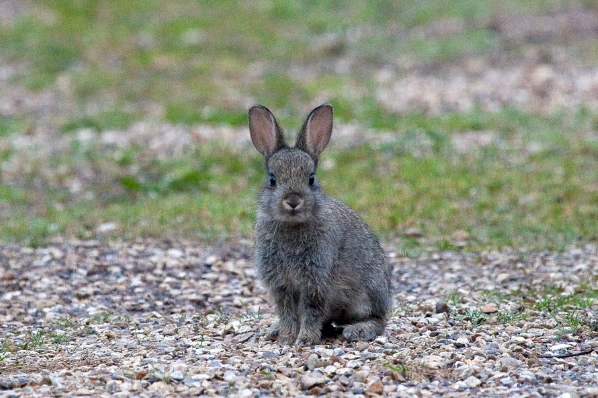
Enrichment is about mimicking natural behaviors. Provide tunnels (cardboard boxes work), platforms to jump on, digging boxes filled with safe soil or shredded paper, and chew toys made of willow or applewood. A bored rabbit is a destructive rabbit—they'll chew baseboards not out of spite, but out of a desperate need to engage their jaws and mind.
Socially, they thrive with a friend. A neutered pair (male/female is often easiest) provides companionship we simply cannot fully replicate. The House Rabbit Society, a fantastic resource, strongly advocates for bonded pairs. Watching two rabbits groom each other and flop down together is the ultimate sign you're meeting their social needs.
Your European Rabbit Questions, Answered
The European rabbit forces us to hold two truths at once: it is a species capable of immense ecological harm and one capable of forming deep, affectionate bonds. Respecting the animal means acknowledging both sides. Whether you're a land manager dealing with an overpopulation issue or a new pet owner preparing your home, success comes from working with their nature, not against it. Start with the hay, provide the space, and understand the instincts. You're not just caring for a pet; you're providing a modern habitat for an ancient, fascinating species.
Comment