Quick Guide to Wild Rabbit Diet
Let's be honest, when most of us picture a rabbit eating, we imagine a fluffy creature happily munching on a bright orange carrot. Thanks to cartoons, that image is stuck in our heads. But if you've ever seen a wild rabbit in your yard or on a hike, you probably noticed they weren't digging up root vegetables. So, what's on the menu?
Figuring out what do wild rabbits eat is more than just curiosity. It's key to understanding these animals, appreciating their role in the ecosystem, and knowing how to interact with them (or more importantly, how not to interfere). I've spent a fair bit of time watching them in fields and woods near where I live, and their eating habits are fascinatingly different from what pop culture suggests.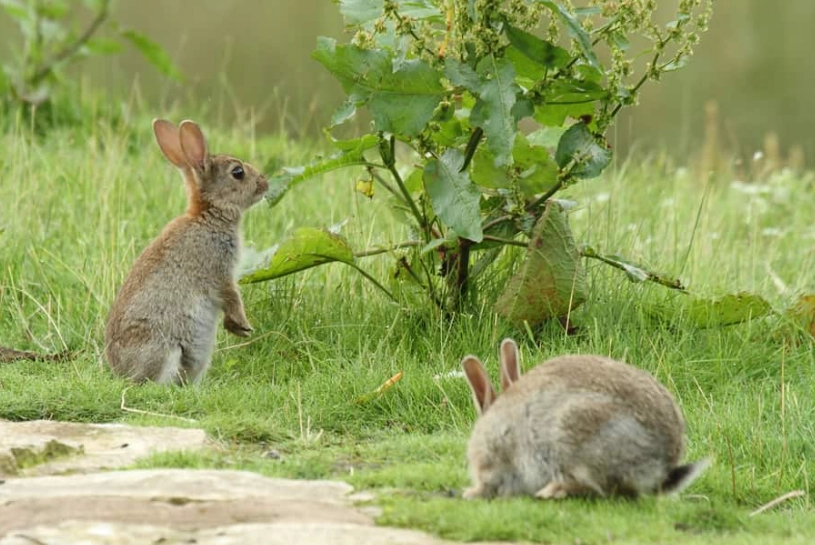
The short answer? A wild rabbit's diet is almost entirely made up of tough, fibrous plant material—think grasses, weeds, leaves, and bark. Carrots and lettuce are treats at best, and serious no-nos at worst.
The Core of a Wild Rabbit's Diet: It's Not Just Carrots!
Wild rabbits are herbivores, but they're not casual grazers. They're specialists built for a specific kind of foraging. Their digestive systems are complex and delicate, designed to extract nutrients from low-quality, high-fiber foods. Giving them the wrong thing can actually make them very sick.
Their diet changes with the seasons and what's available, but the foundation is always the same. Here’s the breakdown of what truly makes up a wild rabbit's daily meals.
Grasses and Hay: The Absolute Staples
This is the bread and butter (or rather, the kale and quinoa) of their diet. We're talking about various types of meadow grasses, timothy, brome, and oat grass. They eat the green blades and, importantly, they also consume a lot of dried grass—essentially, wild hay. This roughage is critical for wearing down their constantly growing teeth and keeping their gut moving properly. If you see a rabbit mowing your lawn, it's not being picky; it's having a proper meal.
Leafy Greens and Weeds: The Vitamin Powerhouses
This is where they get a lot of their moisture and vitamins. Dandelion greens and flowers are a top favorite—they're like superfoods for bunnies. Clover (leaves and flowers), plantain, chickweed, and sow thistle are also common finds on their plate. These plants are often more nutritious than the grass alone. I've noticed rabbits in my garden seem to seek out dandelions first, leaving the grass for later. Smart creatures.
Twigs, Bark, and Buds: The Winter Lifeline
When the green stuff disappears in colder months, rabbits turn to woody plants. They'll nibble on the soft bark of young trees and shrubs like willow, aspen, maple, and fruit trees. They also eat tender twigs and buds. This can be a real pain for gardeners and orchard owners (trust me, I've lost a few saplings to them), but for the rabbit, it's a matter of survival. This tough material is excellent for dental health.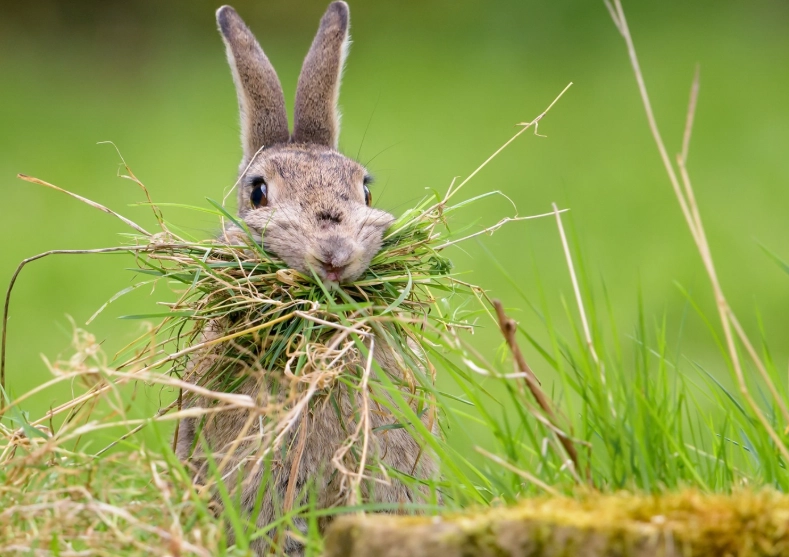
What About Vegetables and Fruits?
Here's the big misconception. Wild rabbits do not naturally eat root vegetables like carrots or fruits like apples. These are high in sugar and starch. In the wild, a rabbit might occasionally find a fallen berry or a bit of root, but it's a tiny, rare part of their diet. Feeding them carrots is like feeding a kid candy for dinner—they might like it, but it's not good for them. The high sugar content can cause serious digestive issues like GI stasis, which is often fatal. So, if you're asking "what do wild rabbits eat," please, take carrots off the list.
I used to think leaving out a bowl of lettuce was helpful. After watching them ignore it for days while they cleaned out the clover patch, and then reading up on how lettuce (especially iceberg) can give them diarrhea, I realized I was doing more harm than good. It was a humbling lesson.
What Do Wild Rabbits Eat Through the Seasons?
Their menu isn't static. It shifts dramatically with the weather. Understanding this seasonal rhythm helps explain their behavior, like why they might become more of a nuisance in your garden at certain times of the year.
Spring and Summer: The Salad Days
This is peak eating season. Fresh, young grasses sprout everywhere, and weeds like dandelions and clover are lush and abundant. Rabbits have a huge variety of soft, nutritious greens to choose from. This is also when you'll see them eating more flowers and the occasional garden vegetable seedling if it's accessible (another reason to fence your veggies). Their diet is high in moisture, so they rely less on finding standing water.
Fall and Winter: The Tough Times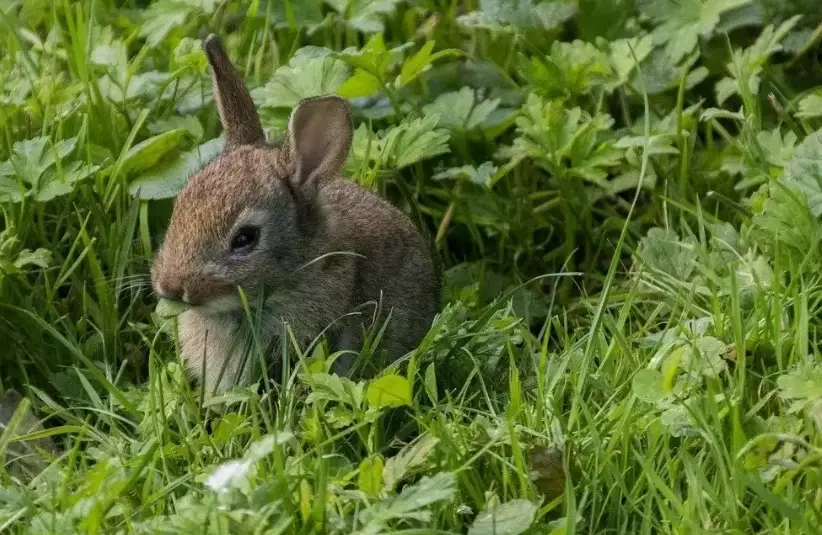
As things die back, the diet gets tougher—literally. They rely heavily on dried, dead grasses (hay) that's still standing. Bark and twigs become crucial. They'll also dig through light snow to get to dried plants and any remaining greenery. This is when they might take greater risks to get to cultivated plants or tree bark in yards. Survival is the name of the game, and their diet reflects that harsh reality.
Foods That Are Dangerous for Wild Rabbits
This might be the most important section. With the best intentions, people often offer foods that can kill a wild rabbit. Their digestive systems are finely tuned for fiber, not for processed human or even commercial pet foods.
Here’s a quick list of absolute no-gos. I've put it in a table because it's important to see this clearly.
| Food Category | Specific Examples | Why It's Dangerous |
|---|---|---|
| High-Starch Vegetables | Potatoes, Corn, Peas, Beans | Cause gas, bloating, and fatal digestive slowdown (GI stasis). |
| High-Sugar Foods | Carrots (in large amounts), Fruits (Apples, Bananas), Bread, Cookies, Cereal | Disrupt gut bacteria, lead to obesity and GI stasis. Sugary treats are a silent killer. |
| Certain Leafy Greens | Iceberg Lettuce, Cabbage, Kale (in excess) | Iceberg has lactucarium, which can be harmful. Cabbage family can cause gas. |
| Human Junk Food & Pet Food | Chips, Crackers, Cat/Dog Food | Completely wrong nutritional profile; fats, proteins, and preservatives are toxic. |
| Toxic Plants | Foxglove, Rhubarb Leaves, Nightshade, Buttercups, Some Lilies | Naturally poisonous. Rabbits usually avoid them, but don't offer them. |
For a more comprehensive list of plants toxic to animals, always cross-reference with a reputable source like the ASPCA's toxic plant list or your local agricultural extension office. It's better to be safe than sorry.
A quick but vital note: Baby wild rabbits (kits) have an even more specific diet—their mother's milk. If you find a nest, do not try to feed them cow's milk, formula, or vegetables. It will cause fatal diarrhea. The best thing is to leave them alone. The mother is almost always nearby.
Common Myths and Questions About What Wild Rabbits Eat
Let's tackle some of the specific questions that pop up when people search for this topic. These are the things that keep rabbit-watchers up at night.
For more detailed, veterinary-level information on rabbit digestion and diet, resources like the MSD Veterinary Manual offer in-depth, science-based explanations.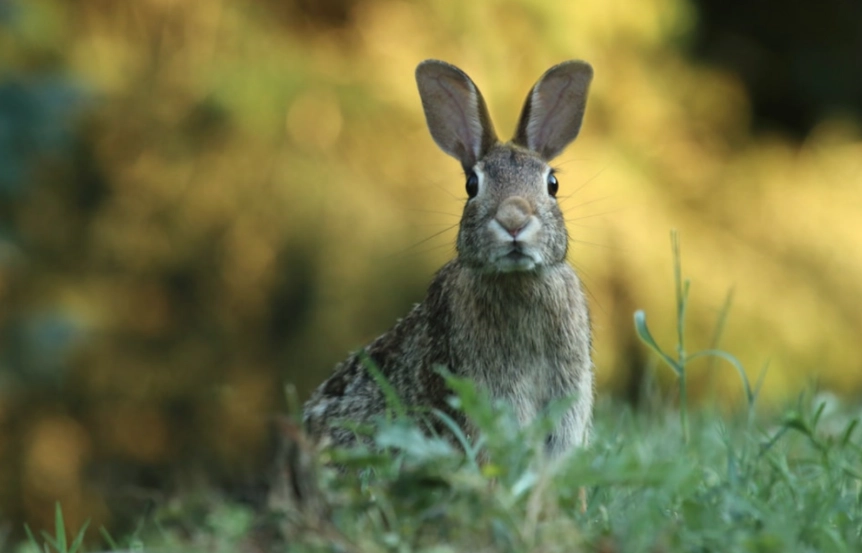
Observing and Supporting Wild Rabbits Responsibly
So, now you know the answer to "what do wild rabbits eat." How do you use that knowledge? The most ethical approach is to be a passive supporter of their natural diet.
Plant a Rabbit-Friendly Zone
If you have space, consider letting a corner of your yard go wild. Allow clover, dandelions, and tall grasses to grow. Plant native shrubs like willow or raspberry (they'll eat the leaves and spare some canes). This gives them a natural buffet away from your prized flowers and vegetables. It's a win-win.
Protect What's Yours
Use physical barriers—chicken wire fences buried a few inches deep and extending about two feet high are very effective. Protect young tree trunks with spiral tree guards. This is far better than using repellents, which can be hit or miss and may need frequent reapplication.
Provide Water, Not Handouts
A shallow bird bath or ground-level dish of fresh water is incredibly helpful during droughts or freezing weather. This supports them without disrupting their delicate digestive system with inappropriate food.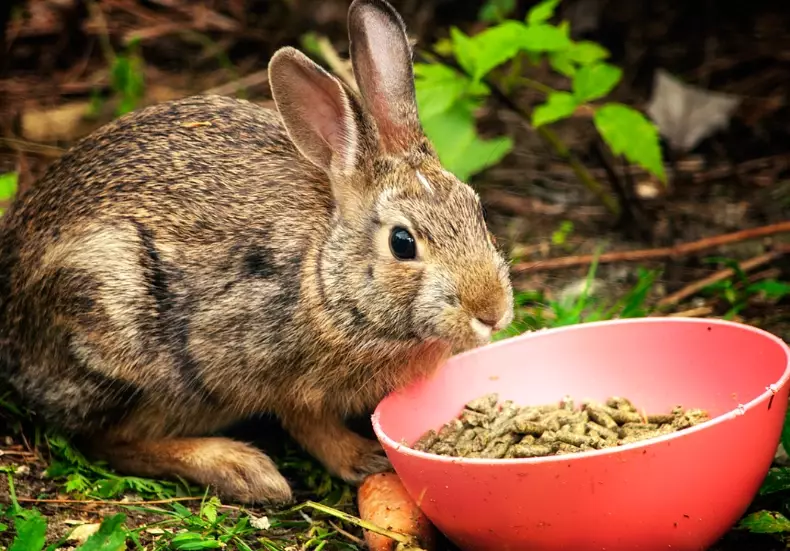
The Takeaway: The next time you see a wild rabbit and wonder what it's eating, look at the ground. The plain, boring grasses and weeds are its gourmet feast. Its body is a marvel of evolution designed to turn that fibrous roughage into energy. By understanding and respecting this natural diet, we can appreciate these common yet complex animals for the wild survivors they are, not the cartoon characters we imagine.
It's easy to project our ideas onto wildlife. I know I did. But learning the truth—that the humble dandelion is a better meal for them than a store-bought carrot—changes how you see your garden, your yard, and the ecosystem right outside your door. It makes you realize that sometimes, the best way to help is to simply let nature handle the menu.
If you encounter a wild rabbit that appears sick or injured, the best course of action is to contact a licensed wildlife rehabilitator. Organizations like the Humane Society or your state's Department of Natural Resources can provide local contacts. They have the expertise to know exactly what to feed an ailing wild rabbit to give it the best chance of recovery and release.
Comment